In clinic, one of the most common and frustrating concerns I hear from men over 50 is some version of: “I’m peeing all the time, but when I go, not much happens.” If that sounds familiar, you are not alone. And while it is often not dangerous, new or changing urinary symptoms still deserve a thoughtful check-in so you are not guessing.
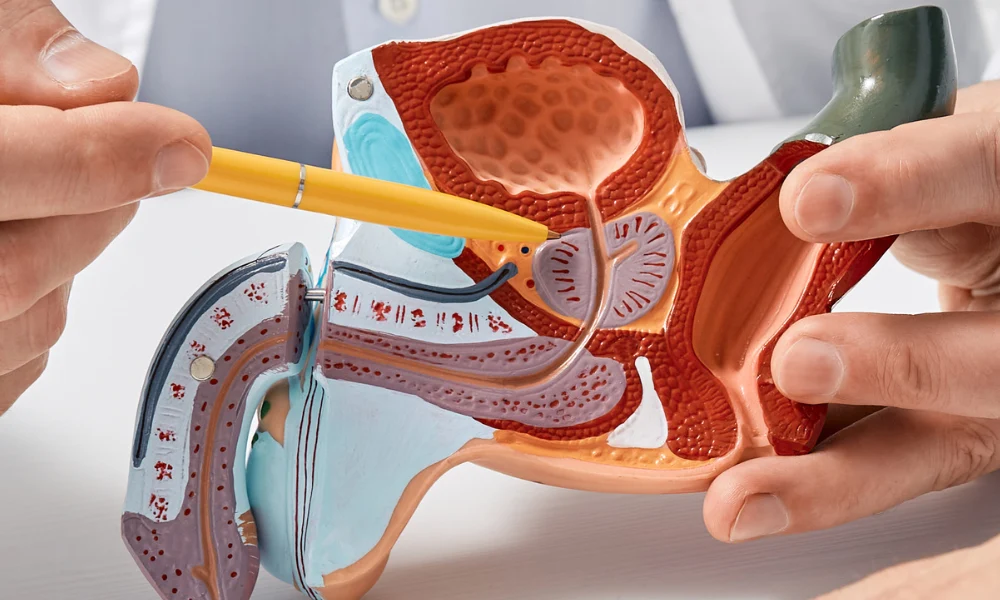
Benign prostatic hyperplasia (BPH) means noncancerous enlargement of the prostate. As the prostate grows, it can narrow the urethra (the tube that carries urine out of the bladder). Symptoms come from both the “static” effect of size and the “dynamic” effect of muscle tone in the prostate and bladder neck. That is also why prostate size does not perfectly predict symptom severity.
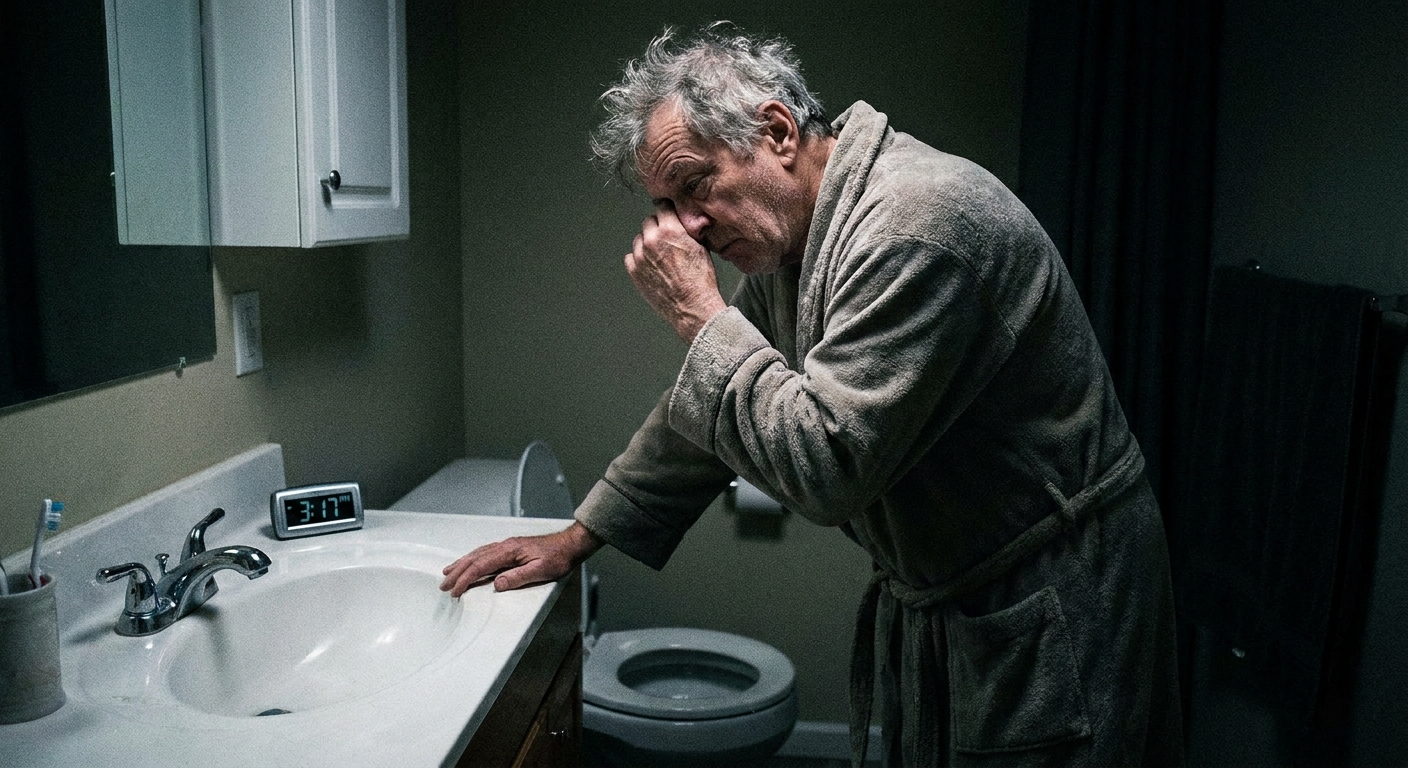
This article focuses on what BPH is, what symptoms tend to look like, how clinicians measure symptom burden, how post-void residual (leftover urine) is checked, and how people typically choose between watching, medications, and procedures before more serious complications are involved.
What the prostate does and why BPH happens
The prostate is a small gland that sits just below the bladder and wraps around the urethra. Its main job is to help produce semen.
With age, hormone patterns change and the prostate often grows. For many men, that growth is mild and never causes trouble. For others, the growth begins to narrow the urethra, which forces the bladder to work harder to push urine through a smaller opening.
BPH is extremely common as men get older. It is also benign, meaning it is not cancer. That said, BPH symptoms can significantly affect sleep, work, travel, intimacy, and day-to-day confidence.
Common BPH symptoms
BPH symptoms typically fall into two buckets: voiding symptoms (trouble getting urine out) and storage symptoms (trouble holding urine comfortably).
Voiding symptoms
- Weak urine stream
- Hesitancy (it takes longer to get started)
- Start-and-stop flow
- Straining to urinate
- Feeling like you did not empty completely
Storage symptoms
- Frequency (going more often than you used to)
- Urgency (sudden strong need to go)
- Nocturia (waking at night to urinate)
Many men notice the nighttime urination first because sleep disruption is hard to ignore. Others come in because the stream has become so slow they avoid long car rides or meetings.

What can look like BPH
Not every urinary symptom is BPH. Your clinician may also consider:
- Overactive bladder (bladder muscle overactivity)
- Medication effects, especially alpha-agonist decongestants like pseudoephedrine or phenylephrine, and medications with anticholinergic effects (common in some allergy, sleep, and nausea products)
- High fluid intake, especially in the evening, or alcohol and caffeine use
- Constipation, which can worsen urinary symptoms
- Diabetes or sleep disorders that increase nighttime urination, including obstructive sleep apnea
- Diuretics or late-day fluid shift (for example, leg swelling that redistributes when you lie down), which can also drive nocturia
The reason this matters is simple: treatment works best when it matches the real driver of symptoms. Plenty of men have some prostate enlargement and also have bladder irritability, lifestyle triggers, constipation, or medication side effects contributing to the picture.
How symptom scores work
BPH is often evaluated with a standardized questionnaire called the International Prostate Symptom Score (IPSS), which is closely related to the AUA Symptom Index used in many clinics.
It asks about the same issues men bring up naturally:
- Incomplete emptying
- Frequency
- Intermittency (start and stop)
- Urgency
- Weak stream
- Straining
- Nocturia
Each item is scored by how often it happens, and there is a separate question about how much the symptoms affect quality of life.
IPSS severity ranges
- Mild: 0 to 7
- Moderate: 8 to 19
- Severe: 20 to 35
I like symptom scores because they do two helpful things: they give you language to describe what is going on, and they help you and your clinician decide whether “watch and wait” makes sense or if it is time to treat.
They also help you measure progress. For example, if your IPSS starts at 18 (moderate) and drops to 10 after a medication change, that is meaningful improvement even if you still have some symptoms.
How clinicians check emptying
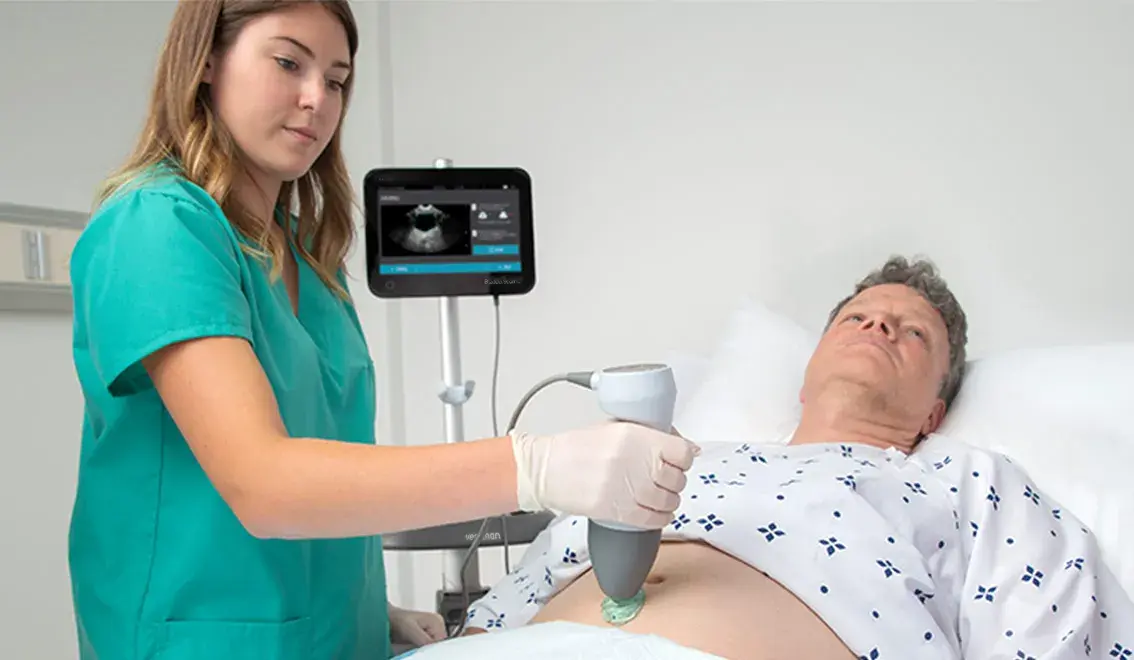
One common, practical measurement in BPH care is the post-void residual (PVR), which is the amount of urine left in the bladder after you urinate.
How PVR is measured
- Bladder ultrasound in the office: you urinate, then a small ultrasound device checks how much urine remains.
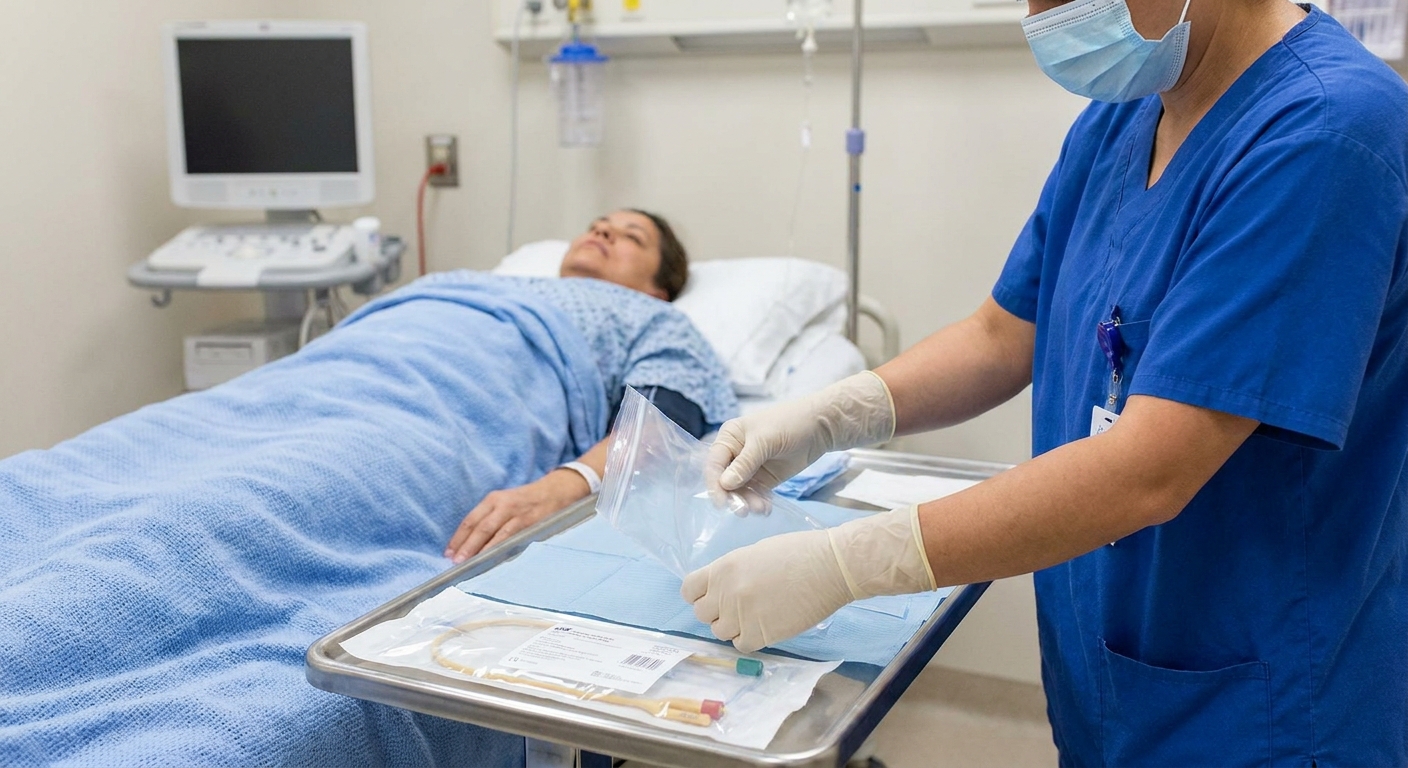
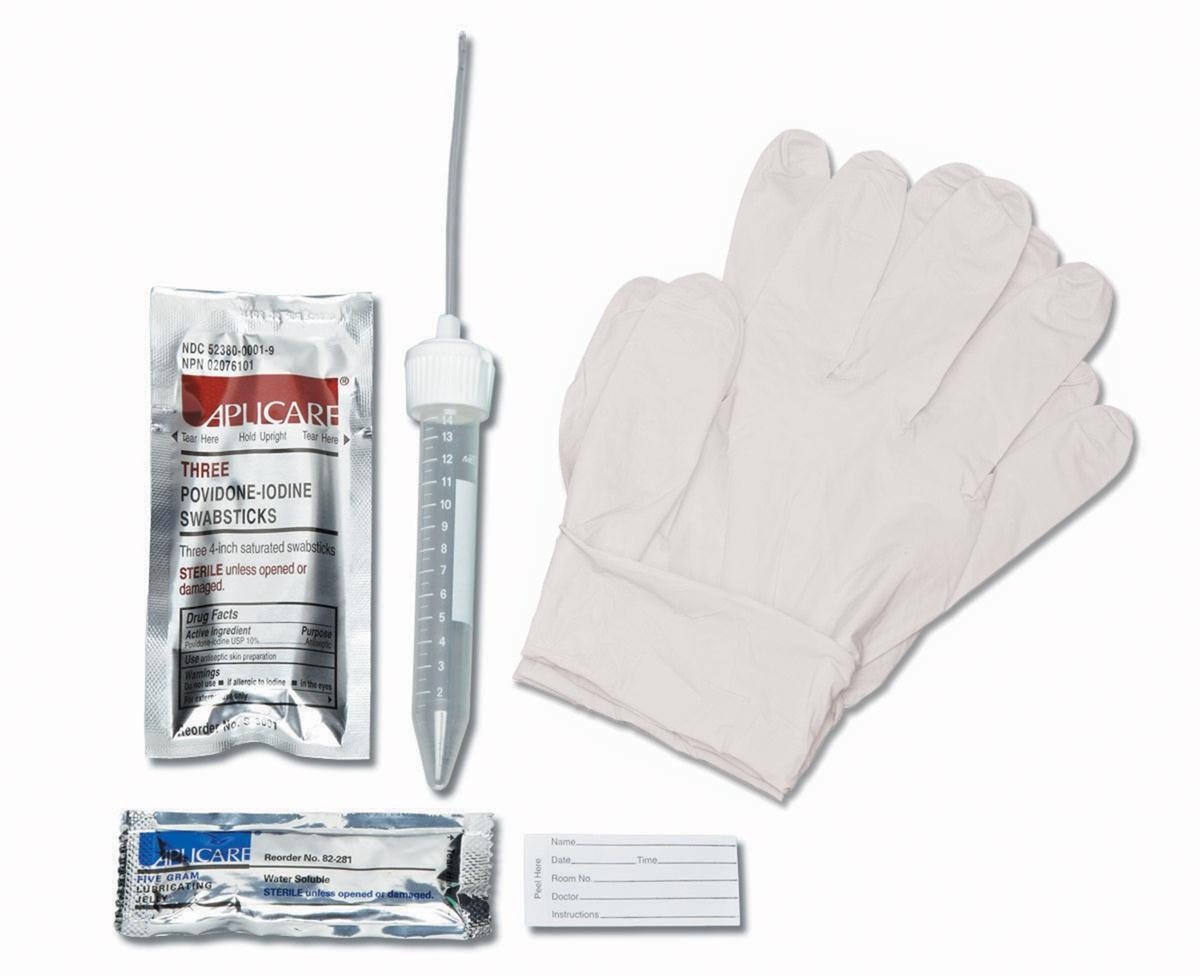
- Catheter measurement (less common for routine screening): a thin tube is placed briefly to drain and measure leftover urine.
PVR is important because a bladder that is routinely not emptying well can drive symptoms like frequency and urgency. A very high PVR can also suggest urinary retention with overflow symptoms, and that can change how quickly you need evaluation.
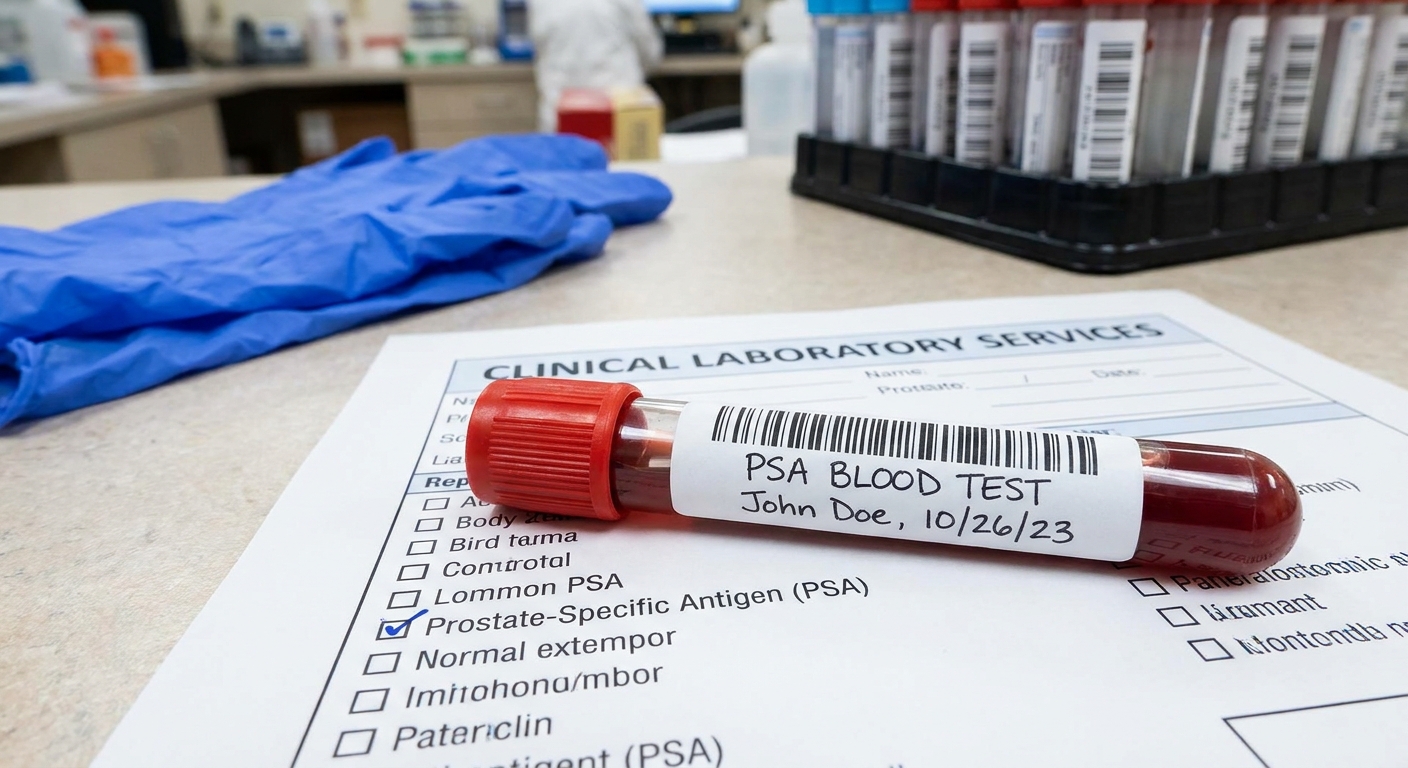
Along with PVR, a typical evaluation may include a symptom score, a targeted history (including medications and fluid habits), a physical exam (often including a prostate exam), urinalysis to look for infection or blood, and sometimes PSA discussion when appropriate. In some cases, clinicians add tests like uroflow (how fast urine comes out) or imaging based on the situation.
Choosing a treatment
There is no single “best” BPH treatment for everyone. The right plan depends on:
- How much the symptoms bother you
- Your IPSS severity and quality-of-life score
- Your PVR and overall bladder function
- Side effect tolerance
- Your preferences around daily medication versus a procedure
In broad strokes, most people choose among three paths: watchful waiting, medications, and procedures.
1) Watchful waiting
If symptoms are mild or not very bothersome, monitoring can be a perfectly reasonable choice.
Common supportive strategies include:
- Shift fluids earlier in the day and reduce fluids 2 to 3 hours before bed (unless you were told otherwise for another condition).
- Limit evening alcohol, which can increase urine production and urgency.
- Cut back caffeine if urgency and frequency are big issues.
- Review medications with your clinician, especially cold and allergy products that can tighten urinary flow.
- Address constipation, which can worsen urinary symptoms.
Monitoring does not mean ignoring symptoms. It means you are choosing a lower-intervention route while keeping an eye on whether things are stable, improving, or gradually worsening.
2) Medications
Medications are often a good next step for moderate symptoms or when quality of life is clearly affected.
Alpha blockers
These medications relax smooth muscle in the prostate and bladder neck, allowing urine to pass more easily. Many men notice improvement relatively quickly.
Common considerations: dizziness or lightheadedness (especially when standing up quickly), nasal congestion, and sexual side effects in some men.
5-alpha reductase inhibitors
These medications shrink prostate tissue gradually by altering hormone conversion within the prostate. They tend to be most helpful when the prostate is larger and they take longer to show benefit, often months.
Common considerations: sexual side effects (like decreased libido or erectile changes) for some men. They can also lower PSA, which matters when PSA results are being interpreted over time. For the right person, they can reduce the risk of urinary retention and the likelihood of needing surgery later.
Combination therapy
Sometimes both types are used together, especially with more significant symptoms and enlarged prostate size.
Other medication options
If urgency and frequency are prominent, and especially if bladder overactivity seems to be part of the picture, clinicians may discuss other medication categories tailored to bladder symptoms. This is individualized because the best choice depends on your symptom pattern and how well you empty.
3) Procedures
If symptoms are significant, medications are not effective enough, or you prefer a more durable solution, office-based or surgical procedures can be considered.
There are multiple procedure options. Rather than trying to memorize every name, I tell patients to focus on the decision points you and a urology clinician typically weigh:
- Symptom relief versus side effect profile, including sexual side effects
- Recovery time and whether it is an office procedure or operating room procedure
- Durability, meaning how long it tends to last before retreatment is needed
- Prostate size and shape, which can determine what is technically appropriate
If it helps to have a few examples to anchor the discussion, common options include:
- UroLift or Rezūm: often office-based for selected prostate sizes and anatomy, typically with shorter recovery than traditional surgery.
- TURP: a classic operating room procedure with strong symptom relief for many men.
- HoLEP: an operating room laser procedure often used for larger prostates, with durable relief in many cases.
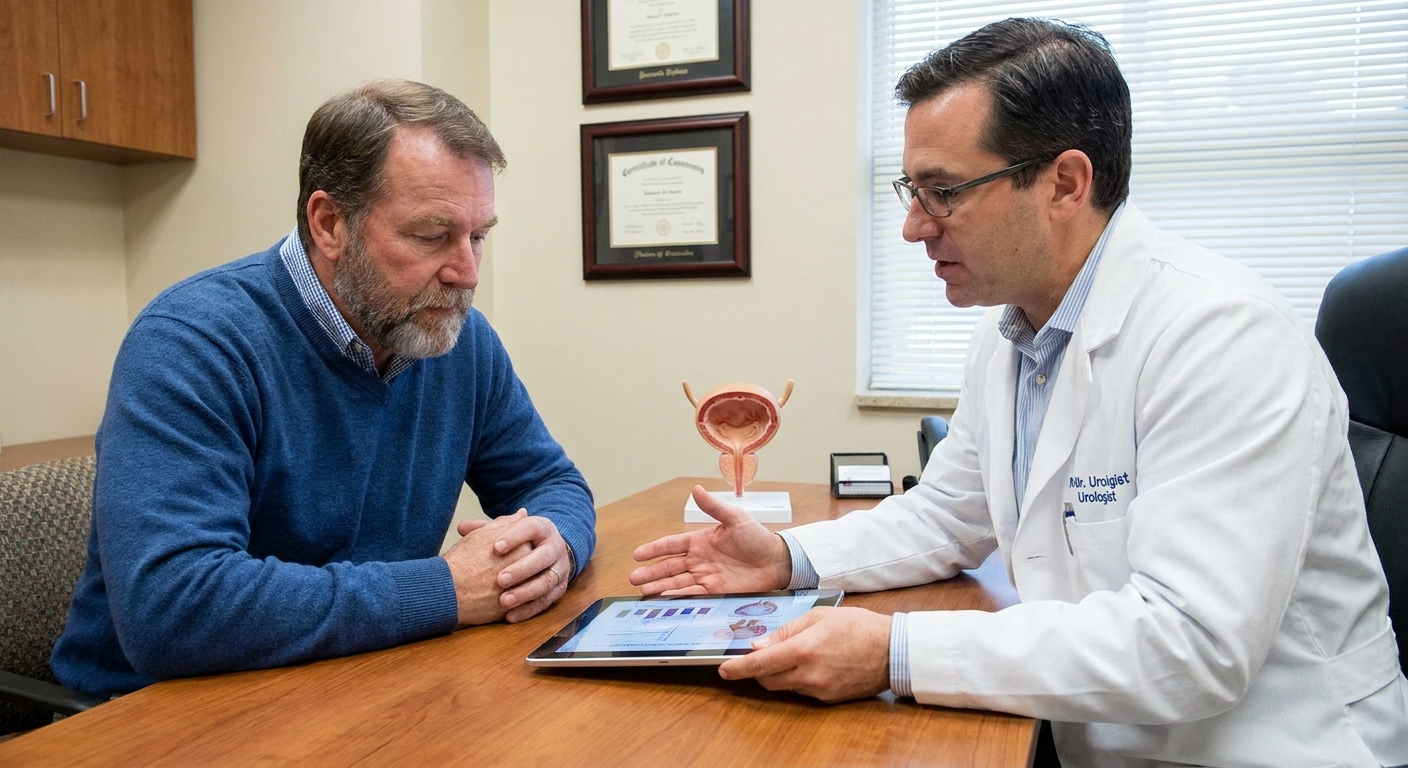
If you are someone who values avoiding long-term medication or you have persistent start-and-stop flow with poor emptying, it is very reasonable to ask for a urology consult to discuss procedure options.
When to call sooner
BPH is common and very treatable, but certain changes should prompt faster medical advice. Contact your clinician promptly if you notice:
- Blood in the urine
- Burning with urination, fever, or new pelvic pain (possible infection)
- New, severe difficulty urinating or you feel you can barely pass urine
- Worsening symptoms that are disrupting sleep and daily life despite reasonable self-care steps
- Increasing sense of incomplete emptying or a feeling of bladder pressure after urinating
- Flank pain (pain in the side or back near the kidneys)
- Unintentional weight loss or feeling generally unwell along with urinary changes
If you cannot urinate at all and you are uncomfortable or in pain, that is urgent and should be evaluated immediately.
Living with BPH
Alongside medical care, small adjustments can meaningfully reduce day-to-day frustration:
- Double voiding: urinate, wait a minute, then try again. This can reduce that “not empty” feeling for some men.
- Timed bathroom breaks: going on a schedule can prevent urgency surprises.
- Pelvic floor awareness: overly tight pelvic floor muscles can worsen hesitancy in some people. If you feel tense when trying to start, ask about pelvic floor physical therapy.
- Keep a brief symptom log: track night wakings, urgency episodes, and stream changes. It helps your clinician see patterns and it makes treatment decisions clearer.
FAQs
Is BPH the same as prostate cancer?
No. BPH is noncancerous growth of the prostate. Prostate cancer is a different condition. The two can share some urinary symptoms, which is why it is smart to discuss ongoing changes with a clinician rather than self-diagnosing.
Can you have BPH with a normal PSA?
Yes. PSA can be influenced by several factors, and BPH can exist with a normal PSA. Your clinician interprets PSA in context, alongside symptoms and exam findings. Also, some BPH medications can lower PSA, so your clinician will want to know what you are taking.
Do I have to treat BPH right away?
Not always. If symptoms are mild and not affecting your quality of life, monitoring is often appropriate. If symptoms are bothersome, there are multiple effective options and you can choose an approach that fits your priorities.
What does post-void residual tell me?
It tells you how much urine stays in the bladder after you urinate. A higher residual can help explain symptoms like frequent urination and urgency and it can guide treatment choices.
Bottom line
Benign prostatic hyperplasia is a very common, noncancerous prostate enlargement that can cause weak stream, hesitancy, start-and-stop flow, nighttime urination, and a feeling of incomplete emptying. Symptom scoring tools like the IPSS and simple measurements like post-void residual help make the situation measurable and treatable.
If urinary symptoms are wearing you down, please know you do not have to just live with it. A thoughtful conversation with your primary care clinician or a urologist can help you choose between watchful waiting, medications, and procedures in a way that protects sleep, comfort, and confidence.