If you are scheduled for a prostate biopsy, you are probably juggling two very human feelings at once: “I want answers” and “I am not thrilled about how we are going to get them.” In clinic, I have found that the procedure itself is often less scary than the unknowns around it. What does it feel like? Why antibiotics? What is that clicking sound? And is blood in urine afterward normal?
This guide walks you through what typically happens during a prostate biopsy, what you might notice afterward, and which symptoms should be treated as urgent.
Why a prostate biopsy is done
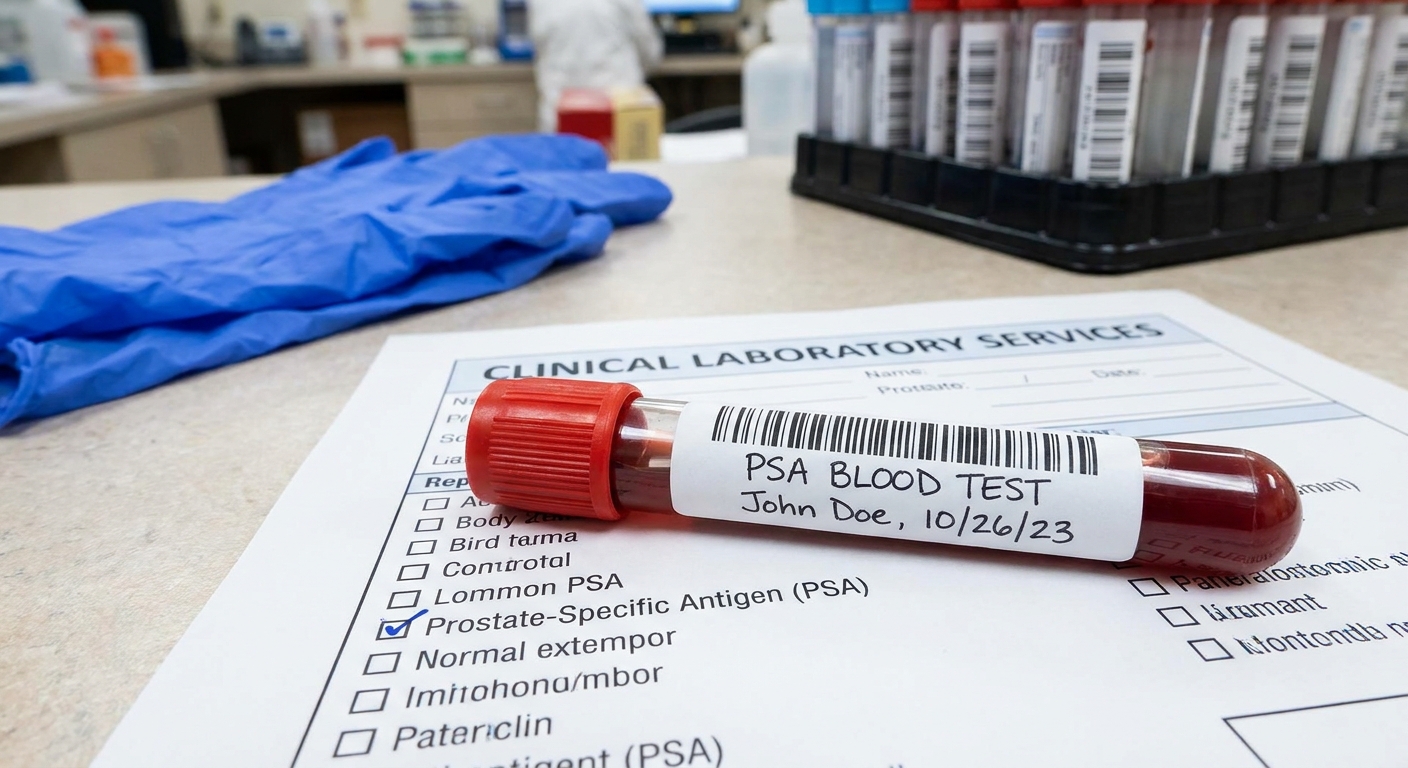
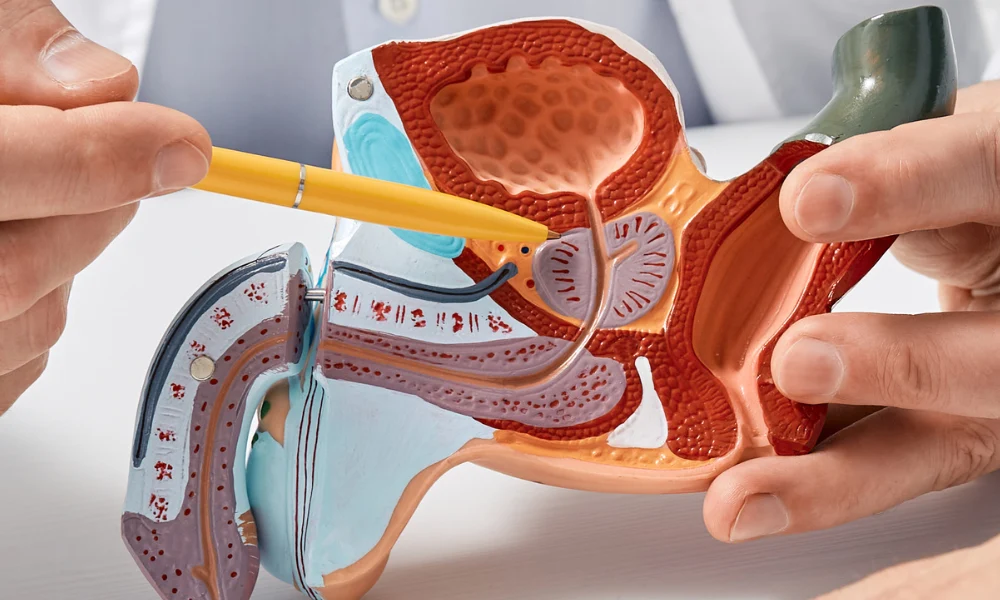
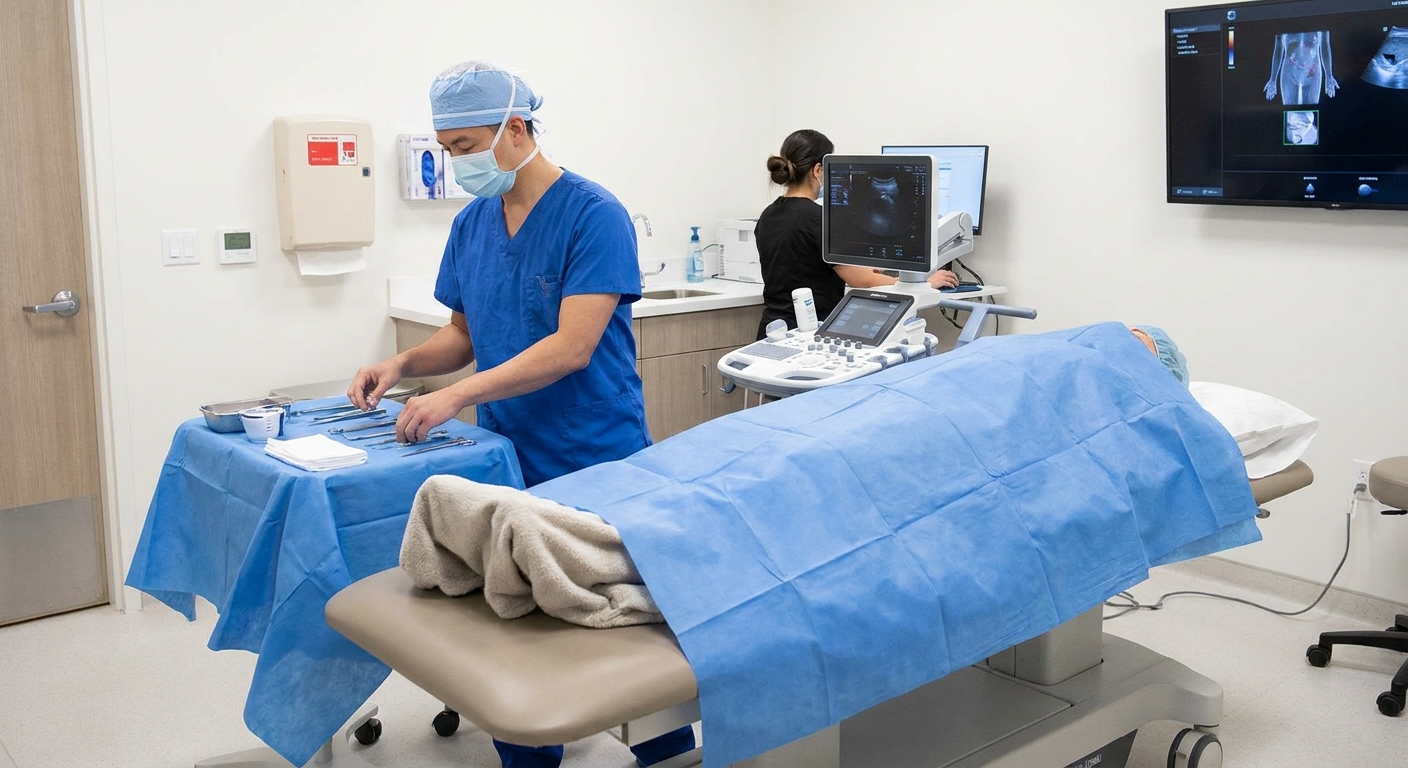
A prostate biopsy is a way to collect tiny tissue samples from the prostate so a lab can look at them under a microscope. It is most commonly done when your care team sees something that needs a closer look, such as a suspicious area on imaging or changes in lab results or an exam.
Many people have an MRI first. MRI can help your urologist target specific areas rather than sampling blindly. You might hear this called an MRI-targeted biopsy or fusion biopsy.
The two main approaches: transrectal vs transperineal
There are two common routes to reach the prostate with the biopsy needle. Both aim to sample the prostate safely and accurately. The “right” method depends on your anatomy, infection risk, MRI findings, local protocols, and your urologist’s experience.
Transrectal biopsy
Transrectal means the needle passes through the wall of the rectum into the prostate. An ultrasound probe is placed in the rectum to guide where the samples are taken.
This approach is widely used and can be efficient, but because the needle passes through the rectum, infection prevention planning is a major focus. This can include careful antibiotic selection, antiseptic prep, and sometimes rectal swab screening for resistant bacteria.
Transperineal biopsy
Transperineal means the needle goes through the skin of the perineum, the area between the scrotum and anus. An ultrasound probe is still used for guidance, but the sampling route avoids puncturing the rectal wall.
Many centers are increasingly adopting transperineal biopsy because it can lower the risk of serious infection, including bloodstream infection and sepsis, compared with transrectal biopsy. It may be done with local anesthetic, sedation, or anesthesia depending on the technique and setting.
Before the biopsy: planning, prep, and antibiotics
Medication and safety check
Before the procedure, your care team typically reviews:
- Blood thinners and antiplatelet medicines (including prescriptions and over-the-counter products that affect bleeding). Do not stop these on your own. Your urologist and the prescriber who manages that medication should guide the plan.
- Allergies, especially to antibiotics or local anesthetics.
- Past infections, including urinary tract infections, prostatitis, or prior biopsy infections.
- Heart conditions such as a prosthetic heart valve or a history of infective endocarditis. Most people do not need endocarditis prevention antibiotics for a prostate biopsy, but if you have high-risk heart history, your team will confirm the right approach.
Antibiotic planning (no one-size-fits-all recipe)
You may be asked to take antibiotics before and sometimes after a prostate biopsy. This is called antibiotic prophylaxis, and the goal is to reduce the risk of infection.
Antibiotic planning is individualized. For transrectal biopsy, preventive antibiotics are commonly part of the standard plan. For transperineal biopsy, some practices use a single dose, and some use minimal or no antibiotics depending on local protocols and your individual risk factors.
Some clinics tailor the plan based on:
- Local bacterial resistance patterns
- Your personal history of resistant infections
- Recent antibiotic use
- Travel history or recent hospitalizations
- Rectal swab screening in some practices (more common with transrectal biopsy)
If you are prone to medication side effects or you have had reactions to antibiotics before, tell your urology team early. There is often room to adjust the plan safely.
Other prep you might be asked to do
Depending on the approach and clinic protocol, you may be asked to:
- Do a bowel prep or use an enema (more common for transrectal biopsies)
- Avoid eating for a period of time if sedation is planned
- Arrive early for consent, a urine test, or check-in steps
What happens during the biopsy visit
Most prostate biopsies are outpatient procedures, meaning you go home the same day.
Step 1: Positioning and cleaning
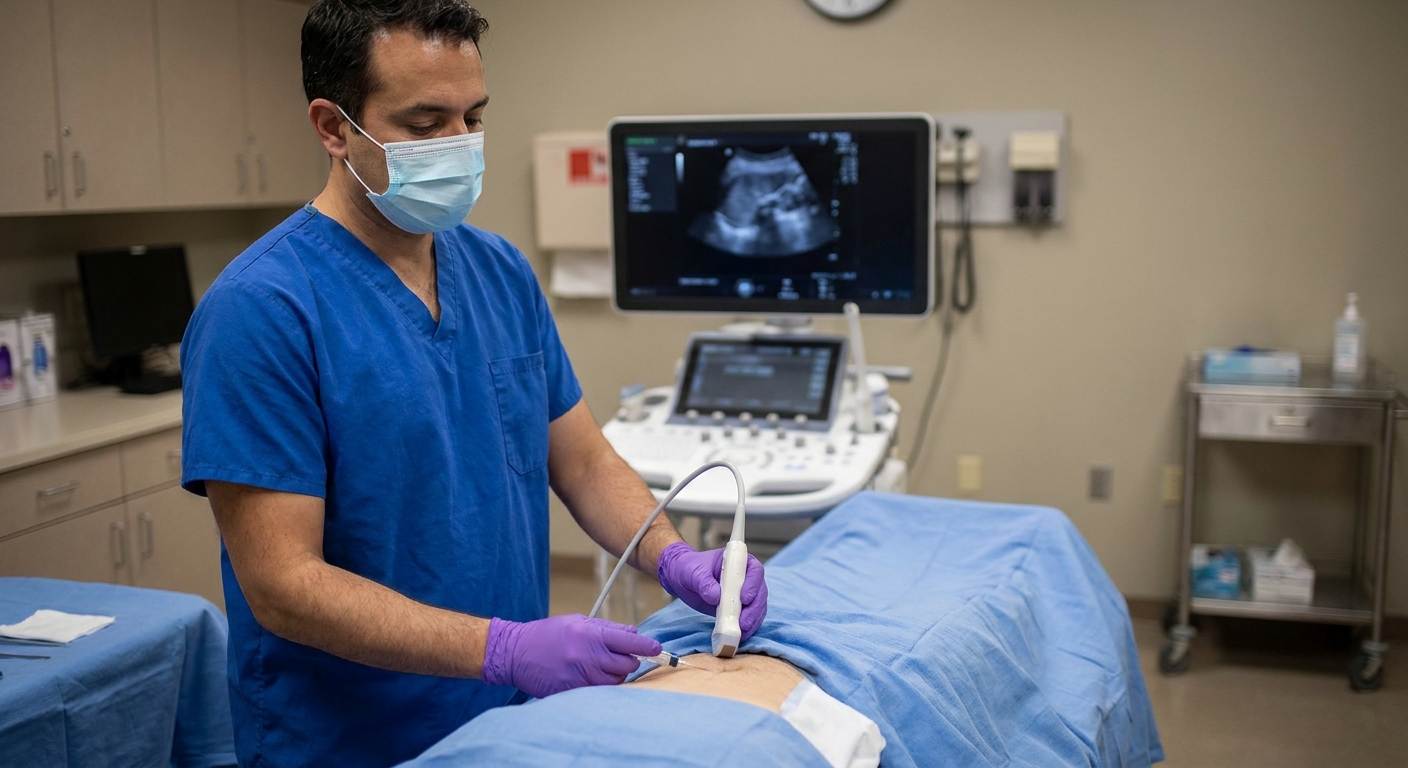
You will be positioned on an exam table. The team cleans the skin (and for transrectal biopsy, the rectal area) with antiseptic solution and uses sterile drapes.
Step 2: Imaging guidance
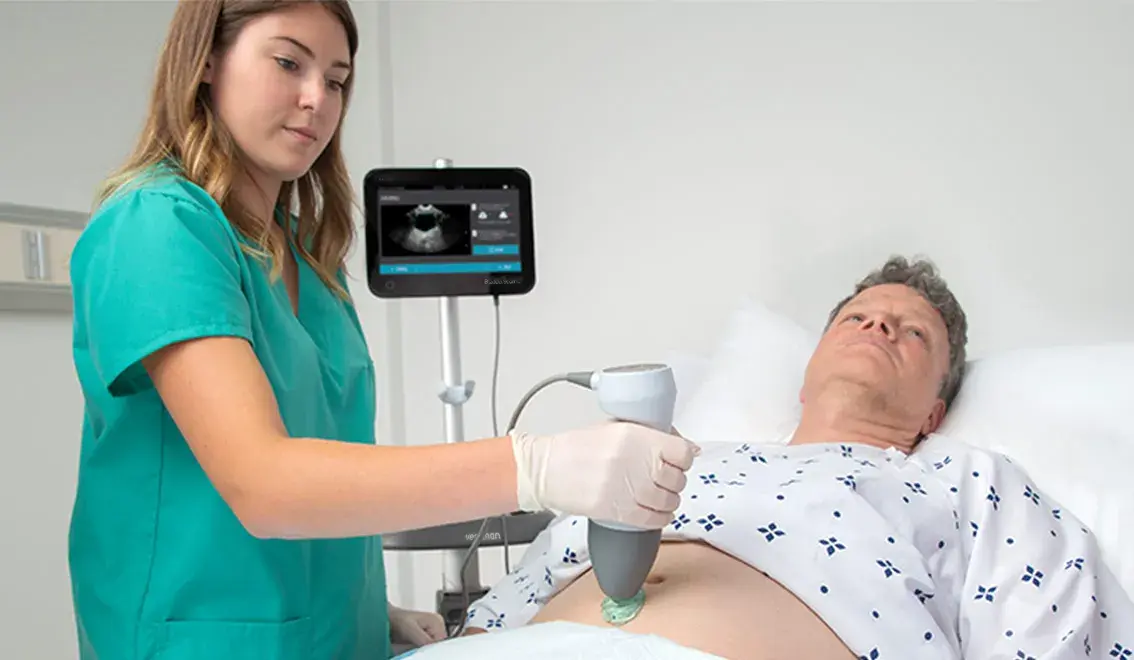
Ultrasound is used to visualize the prostate. If you had an MRI, the urologist may use software that helps align MRI findings with live ultrasound images for targeting.
Step 3: Numbing or sedation
Many people receive a local anesthetic to reduce discomfort. In some settings, sedation or anesthesia is used, especially for certain transperineal techniques.
Even with numbing, it is normal to feel pressure and brief, sharp sensations during sampling. Some people also feel lightheaded, sweaty, or nauseated from anxiety or a vasovagal response. If that happens, say so out loud. The team can pause, adjust your position, and help you feel steady.
Step 4: Taking the samples (and the sound you might hear)
Biopsy samples are taken with a spring-loaded device that moves very quickly. Patients frequently mention the sound more than the pain.
It often sounds like a sharp click or a stapler-like snap. Each click corresponds to a tiny core of tissue being collected. The actual sampling moment is brief, often described as a quick pinch or jolt, then it passes.
The number of samples varies by your clinical situation and whether there are MRI-targeted spots to sample in addition to systematic sampling. As a rough reference, systematic sampling is often around 10 to 12 cores, plus additional targeted cores if an MRI spot needs a closer look.
Step 5: Short observation and discharge
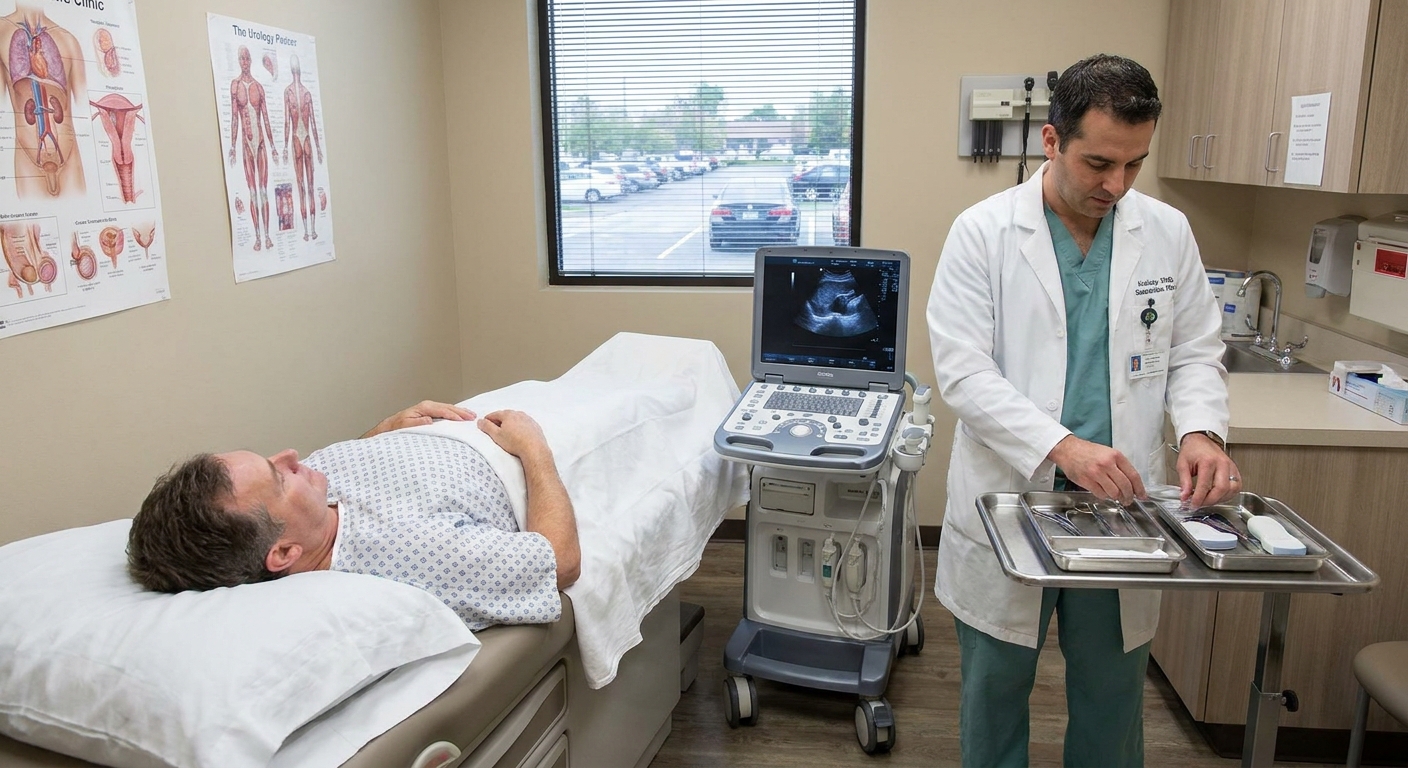
Afterward, you may rest for a short time. Some clinics will ask you to urinate before leaving, especially if there is concern about urinary retention. People with a larger prostate or significant benign prostatic hyperplasia, also called BPH, can be at higher risk for temporary difficulty urinating.
What you may notice afterward (and what is normal)
The most common side effects after a prostate biopsy are related to irritation and minor bleeding along the biopsy pathway. For many patients, these symptoms are alarming but expected.
Blood in urine
It is common to see pink, red, or tea-colored urine after a prostate biopsy. This typically improves over a few days, but mild discoloration can last longer for some people, especially if they are more active or not hydrating well.
In the first day or two, urine can look fairly bright red and still settle down with rest and hydration. What is not normal is heavy bleeding, large clots, or trouble urinating.
Helpful habits:
- Drink fluids as advised by your clinician unless you have fluid restrictions for another condition.
- Avoid heavy lifting or strenuous exercise for the timeframe your urologist recommends.
Blood in stool
After a transrectal biopsy, a small amount of blood on the toilet paper or in the stool can happen. It is usually light and short-lived.
After a transperineal biopsy, rectal bleeding is less common, but you may notice bruising or soreness in the perineal area.
Blood in semen
This one surprises many patients. Blood in semen after prostate biopsy is very common and can look rust-colored, brown, or bright red. It can last for weeks, occasionally a month or more, and gradually fades.
Two important notes I share with patients:
- It can look dramatic, but it is usually not dangerous.
- If you have a partner who could become pregnant, ask your clinician if there are any temporary precautions you should follow based on medications given around the procedure.
Soreness, pressure, and urinary symptoms
For a few days, you might feel:
- Rectal fullness or aching (more common with transrectal biopsy)
- Perineal soreness or bruising (more common with transperineal biopsy)
- Burning with urination
- More frequent urination
Ask your care team which pain relievers are appropriate for you. Recommendations differ depending on your bleeding risk and medical history.
When can you get back to normal activities?
Many people can return to desk work and light activity within 24 to 48 hours, but your instructions may differ based on the biopsy approach, your bleeding risk, and whether you had sedation or anesthesia.
Strenuous exercise, heavy lifting, and sex are commonly held for a short period. If you are not sure what applies to you, ask for a simple timeline before you leave.
When to worry: symptoms that need urgent care
Most complications are uncommon, but when they happen, it is important to act quickly.
Fever after a prostate biopsy is an emergency until proven otherwise. If you develop a fever of 100.4°F (38°C) or higher, especially in the first few days, or you have chills, shaking, confusion, or feel severely unwell, seek emergency care right away.
Also contact your clinician urgently or go to an emergency department if you have:
- Inability to urinate (painful bladder pressure with little or no urine output)
- Heavy bleeding in urine (thick blood, large clots, or urine that looks like pure blood)
- Persistent rectal bleeding that does not slow down
- Severe, worsening pain not controlled with recommended measures
- Signs of infection like increasing pelvic pain, foul-smelling urine, or feeling faint
Biopsy results: what happens next
Your tissue samples go to a pathology lab. Your urology team will tell you when to expect results and how they will be delivered, such as a follow-up visit, phone call, or patient portal message.
When results come back, you might hear terms like benign, inflammation, Gleason Grade Group, ASAP, or HGPIN. If you do, it is reasonable to ask what that means for your next steps. A negative biopsy is reassuring, but it does not always end follow-up if your PSA, MRI, or exam still raises concern.
If waiting is hard, you are not alone. I encourage patients to ask one grounding question before they leave the biopsy appointment: “When should I call if I have not heard anything?” Having that date on your calendar can reduce a lot of anxiety.
Questions worth asking your urologist
- Which approach are you using for my biopsy, transrectal or transperineal, and why?
- Will my biopsy be MRI-targeted, systematic, or both?
- What is my plan for infection prevention and antibiotics?
- What level of pain control or sedation will I have?
- What amount of blood in urine, stool, or semen is expected for you, and for how long?
- What symptoms mean I should call you today versus go to the emergency department?
- When can I return to work, exercise, and sex?
Quick reassurance, from a clinician who has talked many people through this
A prostate biopsy is personal and it can feel intimidating. But most patients tolerate it better than they expect, especially when they know the “play-by-play” ahead of time. A little blood afterward is common. The clicking sound can be startling but it is normal. And the most important safety takeaway is simple: do not ignore fever or severe illness afterward.
If you want, bring a short list of questions and a support person to the appointment. Clear information and calm backup can make a big difference on a day like this.