If you just saw “protein: positive” on a urine test, it is completely normal to feel a jolt of worry. In clinic, I remind patients of two things right away: urine testing is a screen, not a final diagnosis, and protein in the urine can be temporary and harmless or a sign we need to look a little deeper.
Protein in the urine is called proteinuria. It means some protein, usually albumin, is getting through the kidney’s filters into the urine. Healthy kidneys keep most protein in the bloodstream. When those filters are irritated, stressed, or damaged, more protein can leak out.
What a dipstick result means
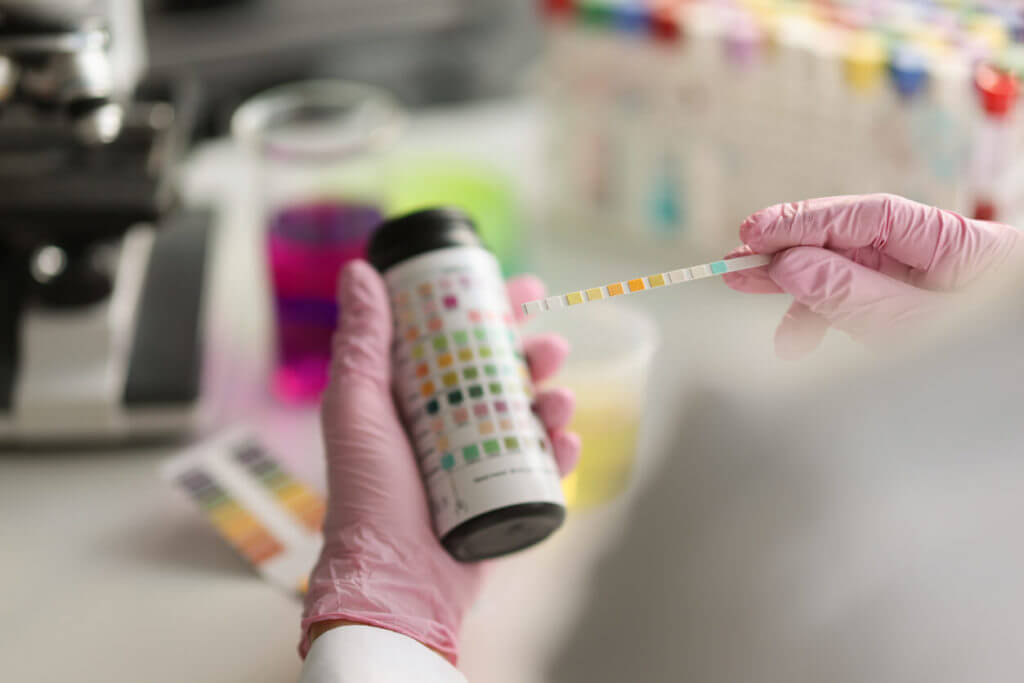
A routine urinalysis often uses a dipstick, a thin strip with color pads that react to substances in urine. One of those pads estimates protein.
Dipsticks are helpful, but they are not perfect. They can read “positive” even when you do not have ongoing kidney disease. They also primarily detect albumin, which means they can be less sensitive to non-albumin proteins (for example, certain proteins seen in some blood or bone marrow disorders). That is one reason follow-up testing matters.
Common dipstick protein results
- Negative or trace: Often normal. Trace can happen with concentrated urine.
- 1+ to 4+: More protein detected. The higher the number, the more concerning it can be, especially if it repeats.
Reasons dipstick protein can be temporary
- Dehydration or very concentrated urine
- Recent intense exercise
- Fever or a recent illness
- Stress on the body (including after surgery)
- Urinary tract infection: a UTI can sometimes cause a transient positive. Treating the infection and retesting is a common plan.
- Contamination from vaginal discharge or menstrual blood can affect readings
This is why many clinicians treat a single dipstick result as a “pause and recheck” moment, not a verdict.
ACR and UPCR
If protein shows up on a dipstick, the next step is often a spot urine protein-to-creatinine ratio (UPCR) or a urine albumin-to-creatinine ratio (ACR). These tests compare protein (or albumin) to creatinine in the same urine sample to estimate how much protein you are losing in a day without needing a 24-hour collection.
ACR vs UPCR
- ACR (albumin-to-creatinine ratio): Best for detecting small amounts of albumin leakage, often used in diabetes and high blood pressure monitoring.
- UPCR (protein-to-creatinine ratio): Measures total protein, not just albumin.
Your clinician chooses based on your history and what they are screening for.
What is normal?
Reference ranges vary by lab, but in general for adults:
- ACR: under 30 mg/g is usually considered normal or mildly increased; 30 to 300 mg/g is moderately increased; over 300 mg/g is severely increased.
- UPCR: often reported as g/g, mg/mg, or mg/g. A UPCR of under 0.15 g/g is generally considered normal, which is the same as under 150 mg/g.
If you have a copy of your exact number and units, bring it in. Unit mix-ups are one of the most common reasons results feel confusing, and interpretation depends on your kidney function, blood pressure, and other urine findings.
One-time vs repeat protein
One of the most important questions is: Was this a one-off finding, or does it persist?
If it shows up once
A single positive can be transient, especially if you were dehydrated, sick, or had exercised hard within the previous 24 to 48 hours. In many cases, the plan is:
- Hydrate normally for a day or two
- Avoid strenuous exercise for 24 to 48 hours before repeat testing
- Repeat a urinalysis or get an ACR or UPCR to quantify it
Sometimes the repeat is normal, and no further work-up is needed beyond routine monitoring.
If it stays positive
Protein that persists is more concerning because it can reflect ongoing kidney stress or damage. Persistent proteinuria does not automatically mean kidney failure, but it does mean your clinician should look for causes and protect your kidneys early.
Common contributors include:
- High blood pressure (even mildly elevated readings over time)
- Diabetes or prediabetes
- Obesity and metabolic syndrome
- Certain medications (your clinician will review what you take, including over-the-counter options)
- Chronic kidney disease from a variety of causes
Orthostatic proteinuria
In teens and young adults, one common and often benign pattern is orthostatic (postural) proteinuria, where protein shows up later in the day after being upright but is lower or absent in a first-morning urine. If your clinician suspects this, they may ask for a first-morning sample to help sort it out.
How much protein is too much?
I try to translate the numbers into plain language like this:
- Mild: a small leak that may be temporary or early kidney stress, often monitored closely (and often improved by addressing blood pressure, blood sugar, or a temporary trigger).
- Moderate: more than we want to see, usually needs a clearer cause and a kidney-protective plan.
- Heavy: a larger leak that deserves prompt evaluation, sometimes with a specialist involved.
Your clinician will use your ACR or UPCR, trends over time, your eGFR, and what else is in the urine to decide where you fall.
Why blood pressure matters
If I could pick one “do not skip” step after protein is found in the urine, it is a blood pressure check.
High blood pressure can both cause protein leakage and be a result of kidney disease. It becomes a cycle: higher pressure damages delicate kidney filters, which can lead to more protein loss, which can further worsen kidney damage.
What you can do at home
- Use an upper-arm cuff if possible.
- Check at the same time each day for a week.
- Sit quietly for 5 minutes before measuring, feet flat, back supported.
- Bring readings to your appointment.
If you already have hypertension, your clinician may adjust treatment. Medications like ACE inhibitors or ARBs are commonly used because they can reduce protein leakage and protect kidneys in appropriate patients.

Other tests you may see
When proteinuria persists or is more than mild, clinicians typically pair urine testing with blood work and sometimes imaging.
Common blood tests
- Creatinine and eGFR: Estimate how well your kidneys are filtering.
- BUN: Another marker used alongside creatinine.
- Electrolytes (sodium, potassium, bicarbonate): Help assess kidney handling of salts and acids.
- Albumin: Low blood albumin can happen with heavy urinary losses, though this is less common in mild cases.
- A1C or fasting glucose: Screens for diabetes or measures control if you already have it.
- Lipid panel: Kidney issues and cardiovascular risk often travel together.
Urine tests that add context
- Microscopy: Looks at urine under a microscope for cells and casts that suggest kidney inflammation or other processes. Protein plus blood in the urine (hematuria) or certain casts is a bigger red flag for glomerular disease and deserves prompt follow-up.
- Repeat ACR or UPCR: Confirms persistence and tracks trend over time.
Imaging
If your clinician suspects structural issues, recurring infections, or obstruction, you may be sent for a kidney ultrasound. It is painless and does not use radiation.
When nephrology gets involved
Many cases of mild proteinuria can be handled in primary care with monitoring and risk-factor management. A referral to a nephrologist (kidney specialist) is usually considered when there are signs of higher risk or rapid change.
Referral is more likely if you have
- Persistent moderate to heavy proteinuria on ACR or UPCR, especially if increasing
- Reduced eGFR or a downward trend in kidney function
- Hard-to-control blood pressure
- Swelling in the legs, around the eyes, or rapid unexplained weight gain
- Abnormal urine microscopy that suggests kidney inflammation
- Diabetes with significant albuminuria despite optimized treatment
- Unclear cause after initial evaluation
A nephrologist can help decide if specialized testing is needed and guide kidney-protective treatment. In some situations, they may discuss a kidney biopsy, but that is not the typical first step for most people who have a mild abnormal result.
What to do while you wait
Waiting is often the hardest part. Here are kidney-friendly steps that are reasonable for most adults, and also useful information to bring to your appointment.
- Hydrate normally. Avoid both dehydration and overhydration.
- Hold off on heavy workouts for 24 to 48 hours before repeat urine testing.
- Review medications and supplements with your clinician. Mention NSAIDs (ibuprofen, naproxen), and any bodybuilding or performance supplements. If you take creatine, note it specifically, because it can affect creatinine measurements and complicate interpretation even when kidneys are healthy.
- Check blood pressure at home if you can.
- If you have diabetes, focus on glucose control and take medications as prescribed.
- Do not start a very high-protein diet on your own while proteinuria is being evaluated. Most people still need adequate protein, but extreme increases can be unhelpful in some kidney conditions.
If you are pregnant or could be pregnant, mention that right away. Protein in the urine during pregnancy can require faster evaluation because of conditions like preeclampsia.
When to seek urgent care
Most people with protein found on routine testing do not need emergency care. But reach out promptly or seek urgent evaluation if you have:
- Severe headache, vision changes, chest pain, or shortness of breath along with high blood pressure
- New, significant swelling in legs, face, or around the eyes
- Very low urine output or inability to urinate
- Confusion, extreme weakness, or sudden illness
- Pregnancy with elevated blood pressure, abdominal pain, or swelling
Frequently asked questions
Can dehydration cause protein in urine?
Yes. Dehydration can concentrate urine and make a dipstick more likely to read positive. That is why repeat testing with good hydration, and often a ratio test (ACR or UPCR), is so helpful.
Does protein in the urine always mean kidney disease?
No. It can be temporary. Persistent proteinuria, especially when confirmed with ACR or UPCR, is more suggestive of kidney stress or disease and deserves follow-up.
Is trace protein a big deal?
Often, no. Trace can occur in concentrated urine or after exercise. If you have risk factors like diabetes or high blood pressure, your clinician may still choose to quantify it with an ACR.
What is the next step after a positive dipstick?
Typically: repeat urine testing and quantify with an ACR or UPCR, check blood pressure, and order kidney function labs (creatinine, eGFR). If there are signs of infection, treating a UTI and retesting is often part of the plan. The exact next step depends on your medical history and the degree of protein.
Can protein in urine go away?
Yes. Transient proteinuria often resolves. Even when proteinuria is persistent, treating the underlying cause and optimizing blood pressure and blood sugar can reduce it and slow kidney damage.
A final note from clinic
As someone who grew up in a rural area where getting clear medical answers was not always easy, I never want you to leave a lab result feeling alone with it. Protein in the urine is a signal, not a sentence. The most important thing is what happens next: a repeat check, a few targeted labs, and a plan to protect your kidneys and your long-term health.
If you have your exact result (dipstick level, ACR, or UPCR) and a list of your medications, bring them to your next visit. That context makes all the difference.