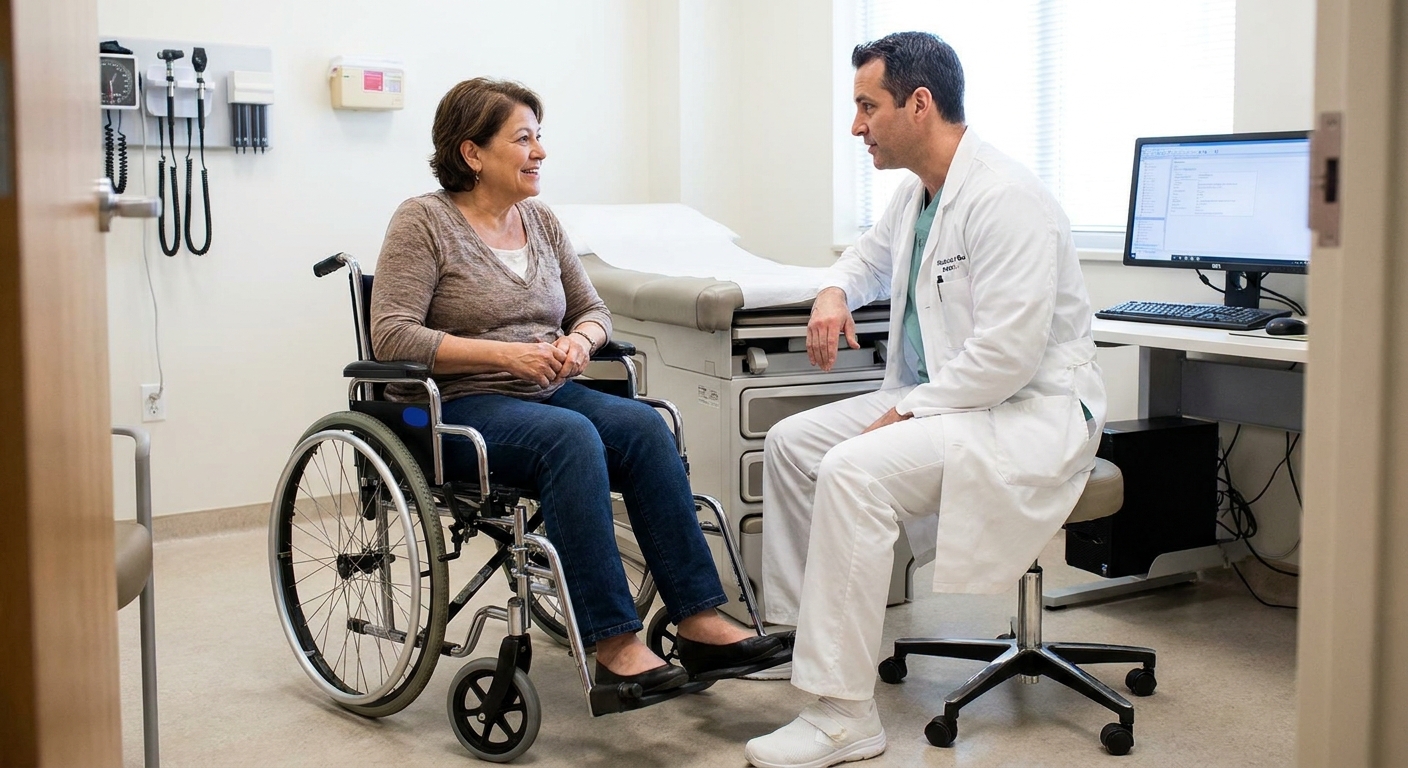
If you have ever left an appointment thinking, Why is this happening and what is my bladder actually doing? Urodynamic testing is one of the most valuable tools we have to get a clear, measurable answer, especially when symptoms are persistent, complex, or the diagnosis is not obvious. In primary care, I have met many patients who blame themselves for urinary symptoms. I want you to hear this plainly: bladder problems are common, treatable, and very often mechanical or neurological, not a personal failure.
Urodynamic testing is a group of tests that measures bladder pressure, bladder capacity, how well your urethra holds urine, and how effectively you empty. It typically uses small catheters and sticky skin sensors while your bladder fills and empties.
This article walks you through what usually happens, what each phase tells your clinician, and how to take care of yourself afterward.
What it is (and is not)
Urodynamic testing is not one single test. It is usually a combination of measurements performed in one visit, such as:
- Uroflowmetry: how fast urine flows when you pee.
- Post-void residual: how much urine is left after you pee.
- Cystometry (filling test): how your bladder behaves as it fills, including pressure changes.
- Pressure-flow study (emptying test): bladder pressure and urine flow while you void.
- Electromyography (EMG): how pelvic floor muscles and sphincters coordinate with voiding.
- Leak testing: whether urine leaks with coughing or straining (often measured as abdominal leak point pressure for stress incontinence).
Urodynamics is different from a cystoscopy, which visually inspects the urethra and bladder with a camera. Urodynamics focuses on function and pressure rather than a visual look inside.
Why it may be recommended
Urodynamic testing is often used when symptoms are persistent, complex, or unclear. Common reasons include:
- Urinary leakage, especially if the type is uncertain (stress vs urge vs mixed).
- Frequent urination, urgency, or suspected overactive bladder.
- Trouble starting urination, weak stream, straining, or stop-and-start flow.
- Feeling like you cannot empty completely.
- Recurrent urinary retention or high post-void residual.
- Symptoms after pelvic surgery, prostate treatment, or childbirth injuries.
- Neurologic conditions (for example, multiple sclerosis, spinal cord injury, Parkinson disease) that can affect bladder control.
- Planning for certain treatments or surgeries where objective measurements help guide decisions.
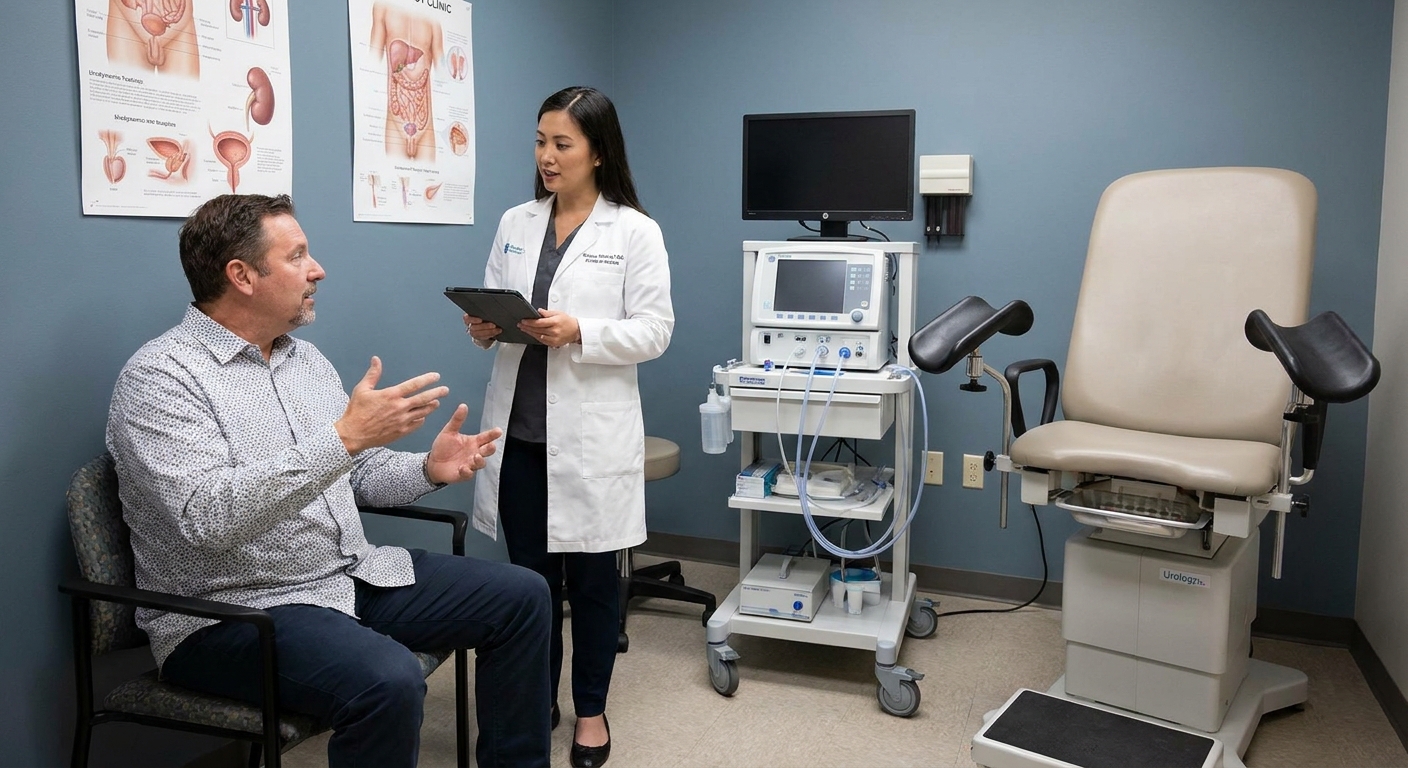
Urodynamics is typically done in a urology or urogynecology clinic. A specialized nurse or technician often runs the study, and the urologist or urogynecologist interprets the results.
How to prepare
What you may be asked to do
Preparation varies by clinic, but these are common instructions:
- Arrive with a comfortably full bladder if they plan to start with a flow test.
- Bring your medication list, including diuretics, bladder medications, and supplements.
- Bring a bladder diary if your clinician requested one (times you urinate, leak episodes, fluids).
- Plan extra time. Many appointments take 30 to 90 minutes depending on which studies are performed.
Should you stop medications?
Only stop medications if your ordering clinician tells you to. Some practices want you to pause certain bladder medications beforehand so the test reflects your baseline bladder behavior. Others want you to continue meds to see how well they are working in real life.
What to wear
Wear comfortable clothes that are easy to change out of. You will typically be asked to change into a gown or undress from the waist down.
What happens during the test
Exact steps vary, but most urodynamic visits follow a predictable flow.
1) Check-in and a quick urine test
You will review symptoms, past procedures, pregnancies or prostate history, medications, and any neurologic diagnoses. Many clinics do a urinalysis first. If you have a urinary tract infection (UTI), the study may be postponed because infection can change bladder behavior and the test could be more uncomfortable.
2) Uroflowmetry
You will be asked to urinate into a device that measures flow rate and pattern. This is painless. It helps answer questions like:
- Is the stream slow, intermittent, or prolonged?
- Does the pattern suggest obstruction or a weak bladder contraction?
3) Post-void residual
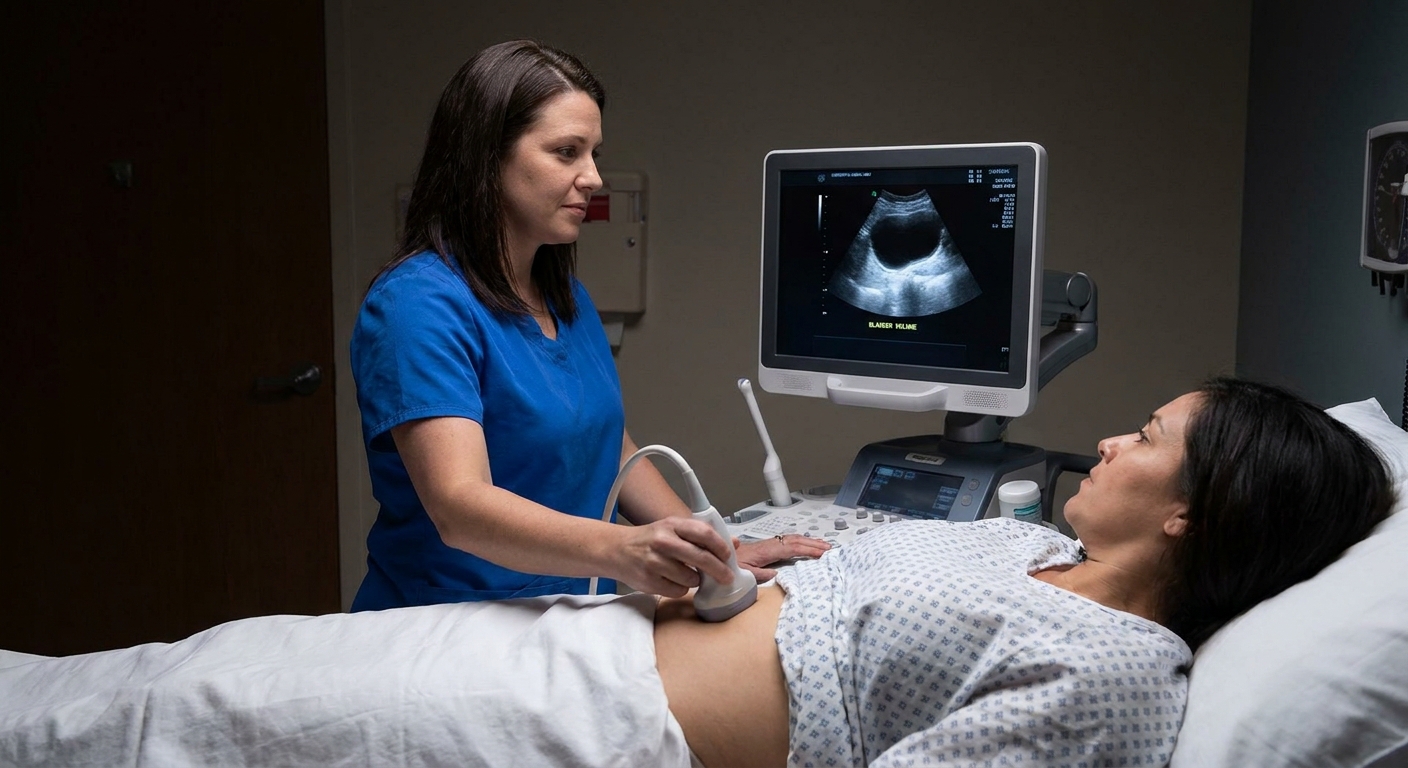
After you void, the clinic measures leftover urine using either:
- Bladder ultrasound over the lower belly, or
- A small catheter briefly inserted to drain and measure remaining urine.
Higher residuals can point toward blockage (like prostate enlargement or urethral stricture), weak bladder muscle, or coordination problems between the bladder and sphincter.
4) Placement of catheters and sensors
This is the part most people worry about, so let me demystify it.
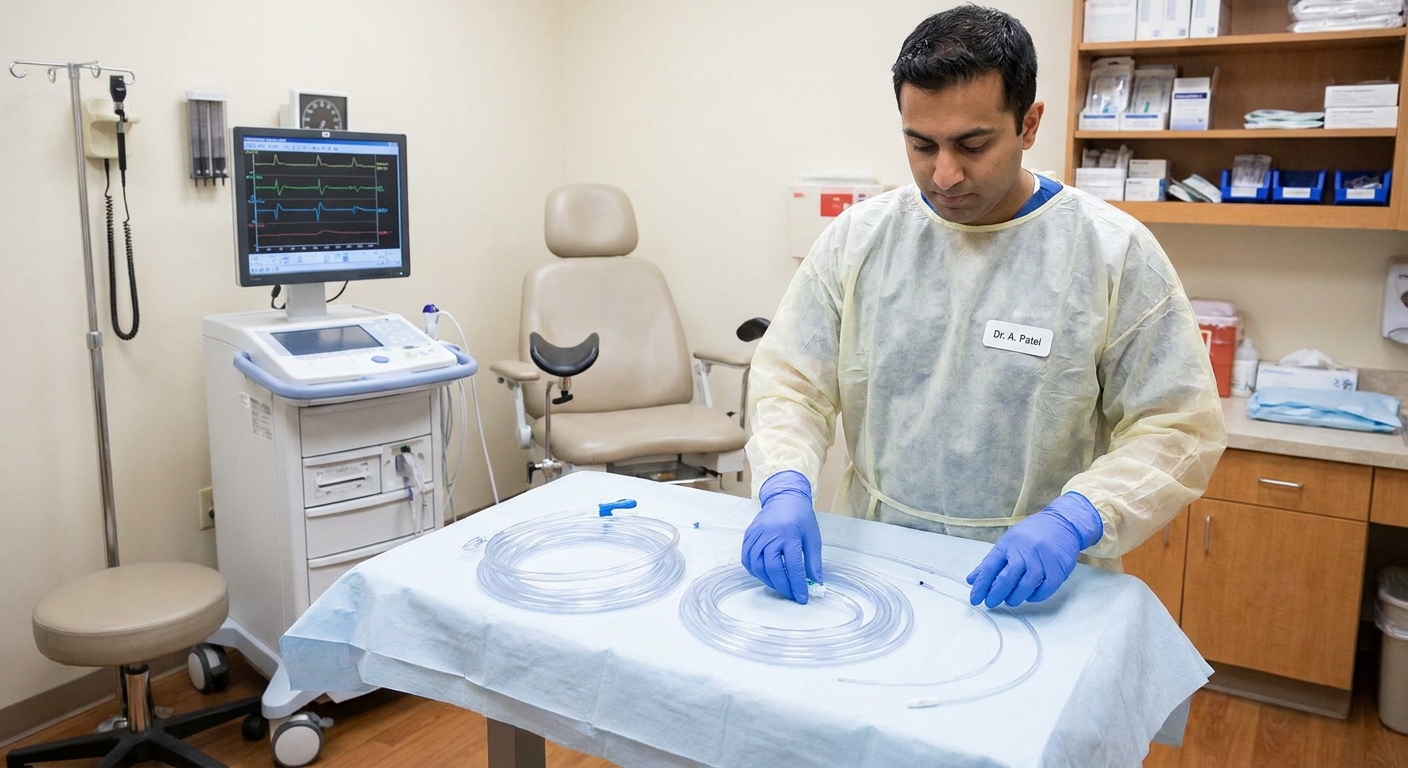
- A thin catheter is placed into the bladder through the urethra. It is used to fill the bladder and measure pressure.
- A second small pressure sensor may be placed in the rectum (or sometimes the vagina) to measure abdominal pressure so the system can distinguish belly pressure from true bladder pressure.
- Small sticky EMG sensors may be placed near the perineum to monitor pelvic floor muscle activity.
You may feel pressure, a brief stinging sensation, or the urge to urinate. Clinics often use lubricating gel, and some use gel that includes a numbing medication. You should not feel sharp pain. If you do, tell the clinician immediately. Your clinician can pause, adjust positioning, use more lubricant, or reassess.
5) Filling phase
Sterile fluid is used to fill your bladder at a controlled rate. As you fill, you will be asked to report sensations, such as:
- First sensation of filling
- First urge to urinate
- Strong urge or discomfort
- Maximum capacity you can comfortably tolerate
What this phase can reveal:
- Overactive bladder or detrusor overactivity: involuntary contractions of the detrusor, the bladder muscle, during filling, sometimes paired with urgency or leakage.
- Low compliance (a stiff bladder): bladder pressure rises too much as it fills, which can be important in certain neurologic conditions and long-standing obstruction.
- Sensation changes: reduced sensation (you do not feel filling normally) or hypersensitivity (strong urgency at low volumes).
6) Leak checks (coughing or bearing down)
During filling, you may be asked to cough or bear down as if having a bowel movement. This helps evaluate stress urinary incontinence, which is leakage triggered by increased abdominal pressure. Some clinics quantify this as abdominal leak point pressure during cough or Valsalva.
What these checks can reveal:
- Stress incontinence: leakage with cough or strain without a bladder contraction.
- Intrinsic sphincter deficiency: the urethral closure mechanism is weak, sometimes leading to leakage at relatively low abdominal pressures.
- Urge incontinence: leakage associated with a bladder contraction and urgency (typically seen as detrusor overactivity during filling rather than a cough or strain leak).
7) Emptying phase
When your bladder is filled to the target level, you will be asked to urinate, often into a special container, while pressure and flow are recorded.
What this phase can reveal:
- Bladder outlet obstruction: high bladder pressure with low flow suggests a pinched outlet. In men, this may be related to the prostate. In any sex, it can relate to urethral stricture or pelvic floor dysfunction.
- Weak bladder muscle (detrusor underactivity): low pressure and low flow may suggest the bladder is not generating an effective contraction.
- Dyssynergia or poor coordination: pelvic floor muscles tighten when they should relax, interrupting flow and emptying.
Not everyone can urinate easily with catheters in place. This is common and does not mean you failed the test. Your clinician can still gather helpful information from the filling portion and other measures.
8) Catheters removed and wrap-up
The catheters and sensors are removed. Your clinician may give preliminary impressions right away, but full interpretation sometimes takes additional review, especially if multiple tracings are involved.
How it feels
Most patients describe urodynamics as uncomfortable but tolerable, with the most noticeable sensations being:
- Pressure or stinging during catheter placement
- A persistent urge to urinate during filling
- Mild burning the first one to three times you urinate afterward
If you have a history of trauma, pelvic pain, vaginismus, or severe anxiety around exams, tell the clinic ahead of time. There are ways to make the experience gentler, including slower pacing, coaching through breathing, having a support person (if allowed), and using the smallest appropriate catheter.
Risks and possible complications
Urodynamic testing is generally very safe, but it is still a medical procedure. Possible risks include:
- UTI (small risk any time a catheter is used)
- Temporary urinary retention (trouble urinating afterward, usually short-lived)
- Vasovagal symptoms like lightheadedness or nausea during catheter placement or filling
- Bleeding or urethral irritation, typically minor and brief
Some clinics prescribe preventive antibiotics for selected patients (for example, people with recurrent UTIs or certain risk factors), but it is not routine for everyone.
Aftercare
What is normal afterward
For the next 24 to 48 hours, it is common to have:
- Mild burning with urination
- Increased urinary frequency
- A small amount of blood-tinged urine, especially after multiple catheter passes
Simple comfort steps
- Hydrate unless your clinician has you on fluid restriction. Extra water can dilute urine and ease burning.
- Warmth helps: a warm pack over the lower abdomen can relieve bladder spasms.
- Follow medication instructions if your clinician prescribed a urinary pain reliever or, in selected cases, a short course of antibiotics.
When to call urgently
Seek medical advice promptly if you have any of the following after urodynamic testing:
- Fever or chills
- Worsening pelvic pain or back pain
- Foul-smelling urine or increasing cloudiness
- Significant bleeding or blood clots in urine
- Inability to urinate
- Burning that is severe or not improving after 48 hours
These can be signs of a UTI or urinary retention that needs timely care.
Understanding your results
Urodynamic reports can look intimidating because they involve graphs and pressure tracings. The good news is that the clinical takeaways are usually very practical. Your clinician is often trying to answer a few key questions.
Is this overactive bladder, stress incontinence, or both?
- Overactive bladder may show involuntary detrusor contractions or urgency during filling.
- Stress incontinence is leakage with cough or strain without a bladder contraction.
- Mixed incontinence means elements of both may appear.
Is there blockage at the outlet?
A pattern of higher bladder pressures with reduced flow can suggest obstruction. The cause and treatment vary widely by anatomy and history, which is why these objective measures are so valuable.
Is the bladder muscle weak or poorly coordinated?
Low contractile pressures or interrupted flow, especially with pelvic floor tightening, can point toward detrusor underactivity or coordination problems. This can change treatment choices, for example shifting away from medications that worsen retention and toward strategies that support safer emptying.
Questions to ask
- Which parts of urodynamic testing are you planning to do today?
- What diagnosis are you trying to confirm or rule out?
- Should I take my bladder medications as usual before the test?
- What symptoms after the test are expected, and what would be a red flag?
- Based on the results, what are the next treatment options?
FAQ
How long does urodynamic testing take?
Many visits take 30 to 90 minutes. The time depends on how many components are included and how quickly your bladder fills and empties during the study.
Will I be put to sleep?
Urodynamic testing is usually done while you are awake. Being awake is important because your feedback about sensations and urgency helps interpret the data.
Can urodynamic testing cause a UTI?
Any time we place a catheter, there is a small risk of introducing bacteria into the urinary tract. Clinics reduce this risk by using sterile technique. If you are prone to UTIs or have certain risk factors, your clinician may recommend preventive steps.
Is it embarrassing if I leak during the test?
Leakage is data, not a personal failing. In fact, reproducing symptoms during urodynamics can be helpful because it shows exactly when and why leakage occurs.
What if I cannot pee during the test?
This is common. Anxiety, positioning, and the sensation of the catheter can make voiding difficult. Your clinician can still learn a lot from the filling phase and other measurements, and may adjust the setup to make voiding easier.
The bottom line
Urodynamic testing is a structured way to measure how your bladder holds and releases urine, including the pressures and coordination that you cannot see from the outside. Each part adds a different piece to the puzzle, helping your clinician distinguish between obstruction, overactive bladder, weak bladder muscle, and pelvic floor coordination problems.
If you are feeling nervous, that is completely normal. Ask questions, speak up about discomfort, and remember the goal is clarity. With clearer answers, we can almost always build a more effective plan.