In my clinic, one of the most surprising patterns I see is how long some people live with urinary retention without realizing it. They are still able to urinate, so they assume their bladder is emptying normally. But little by little, urine is left behind after each trip to the bathroom. Over time, that leftover urine can stretch the bladder, invite infections, and in some cases quietly back up into the ureters and kidneys.
That slow, ongoing problem is called chronic urinary retention. It is different from the sudden, painful emergency most people picture when they hear the word retention.
Chronic urinary retention, defined
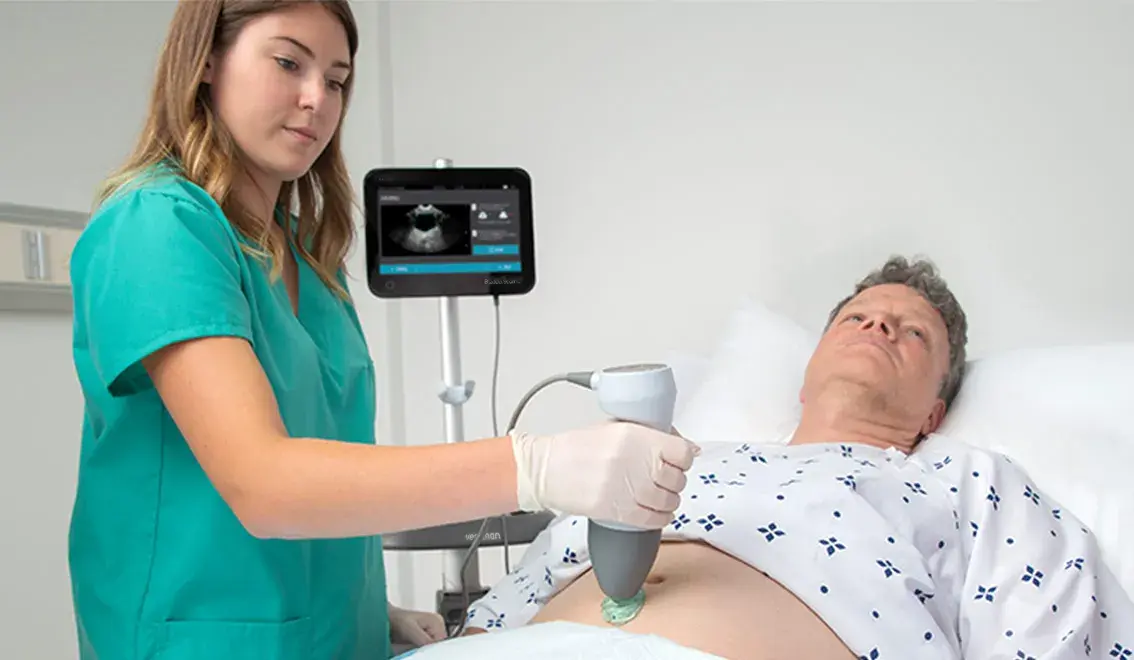
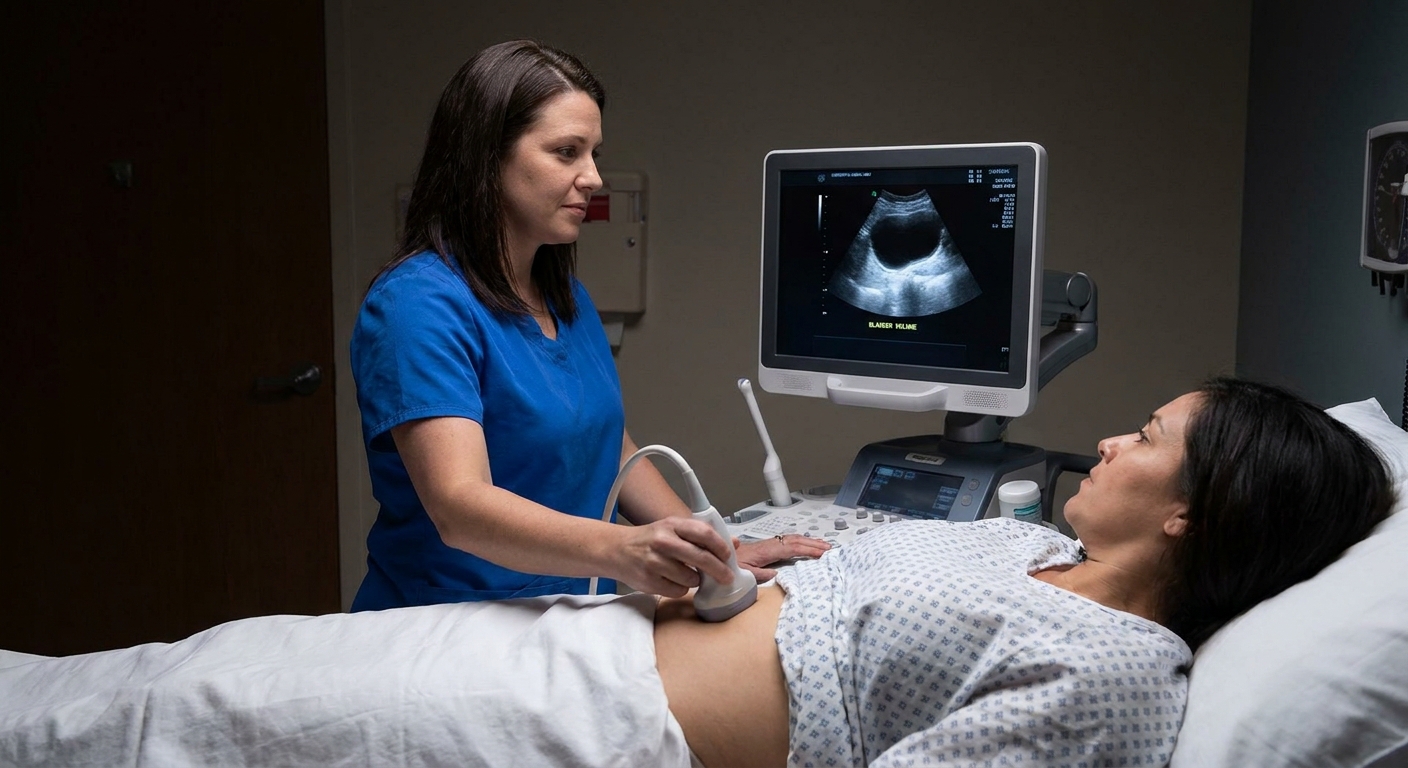
Chronic urinary retention means your bladder does not empty completely on an ongoing basis. The clinical way we confirm this is by measuring a post-void residual (PVR), which is the amount of urine left in the bladder after you urinate.
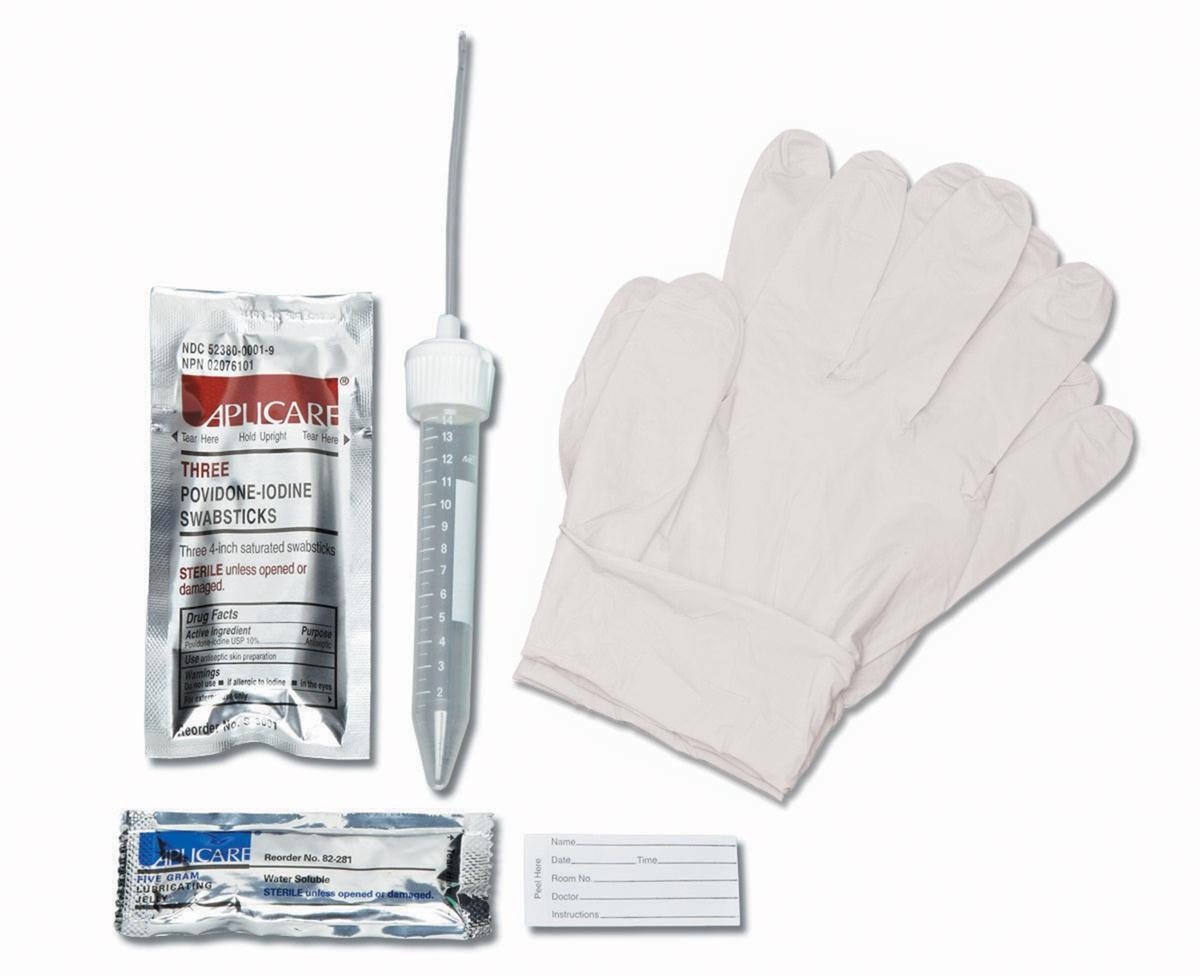
Most of the time, PVR is checked with a quick, noninvasive bladder ultrasound right after you void. In some situations, a clinician may measure it with a catheter, but ultrasound is often enough.
There is not one single “magic number” that defines chronic retention for everyone, but in general:
- Higher-than-expected PVR on repeated checks suggests chronic retention.
- Many clinicians start paying closer attention when PVR is consistently in the 100 to 200 mL range, and a PVR above 300 to 400 mL is often considered more significant, depending on the situation.
- Symptoms can be mild, vague, or even absent, especially early on.
Think of the bladder like a balloon with a drain. In chronic retention, the drain works, but it never fully clears the balloon. A little urine remains each time, and that residual can build into a persistent problem.
Chronic vs acute urinary retention
People often mix up chronic urinary retention with acute urinary retention. They are related, but they feel very different.
Acute urinary retention
- Sudden inability to pass urine at all, or only a few drops
- Often painful with intense lower abdominal pressure
- Usually an urgent situation that needs prompt medical care
Chronic urinary retention
- Gradual incomplete emptying
- Often minimal pain, and sometimes no pain
- Symptoms may look like “typical urinary issues” rather than an emergency
One important note: chronic retention can sometimes tip into acute-on-chronic retention, where a person who has been retaining for a long time suddenly cannot urinate at all.
Common symptoms (and why they are easy to miss)
Chronic urinary retention is often missed because the symptoms can overlap with other common conditions like overactive bladder, urinary tract infections, pelvic floor problems, or prostate enlargement. Some people also develop reduced bladder sensation over time, so they may not feel “full” even when the bladder is quite distended.
Possible signs include:
- Weak urine stream
- Hesitancy (it takes a while for urine to start)
- Intermittent stream (stopping and starting)
- Feeling like you are not empty even after you go
- Needing to urinate again soon after you just went
- Nighttime urination (waking up to pee more than usual)
- Straining to urinate
- Overflow leakage (dribbling or leakage because the bladder is overly full)
- Recurrent UTIs
- Foul-smelling urine along with other urinary symptoms (odor alone is not a reliable sign)
Many people expect retention to hurt. Chronic retention often does not, because the bladder stretches slowly over time and the body adapts. That is part of what makes it easy to miss.

Kidney risks
Your urinary system is designed to be a one-way flow: kidneys make urine, urine travels down the ureters, the bladder stores it, and then you void it out.
If the bladder stays chronically overfull or pressure inside the bladder stays high, urine flow can be disrupted. In some people, especially when obstruction is significant or bladder pressures are high, this can lead to:
- Hydronephrosis, which is swelling of one or both kidneys due to backed-up urine
- Rising creatinine on bloodwork, a sign the kidneys may not be filtering as well
- Chronic kidney disease in severe or prolonged cases
This is why I take chronic urinary retention seriously even when someone tells me, “It is annoying, but it is not painful.” Kidney problems can be quiet until they are advanced.
What causes chronic urinary retention?
Chronic retention generally happens for one of two big reasons: outflow obstruction (urine cannot get out easily) or weak or poorly coordinated bladder muscle function (the bladder cannot push urine out effectively). Many people have a combination.
Obstruction
- Benign prostatic hyperplasia (BPH) in men, a very common cause as the prostate enlarges
- Urethral stricture (narrowing from scarring, prior procedures, trauma, infections)
- Pelvic organ prolapse (for example, a bladder prolapse that kinks the urethra)
- Constipation or significant stool burden that compresses the bladder outlet in some cases
- Bladder stones or, less commonly, tumors obstructing outflow
Bladder muscle and nerve issues
- Diabetes (can affect bladder sensation and contractility over time)
- Neurologic conditions (for example, Parkinson’s disease, multiple sclerosis, prior stroke)
- Spinal problems (for example, severe spinal stenosis or disc disease that affects the nerves controlling urination)
- Spinal cord injury
- Post-surgical urinary retention that becomes prolonged in some people
Long-standing overdistension can also reduce detrusor (bladder muscle) contractility. In plain terms, when the bladder is stretched for too long, it may not squeeze as effectively, even after the original trigger is treated.
Medications
Some medicines make it harder to empty the bladder. Common culprits include:
- Anticholinergic medications (including some first-generation antihistamines used for allergies such as diphenhydramine, and motion sickness patches such as scopolamine)
- Some antidepressants
- Opioid pain medicines
- Decongestants containing alpha-agonists (can tighten the bladder neck in susceptible people)
Never stop a prescribed medication on your own, but do tell your clinician what you take, including over-the-counter products.
How it is diagnosed
Diagnosis is usually straightforward once someone thinks to check for retention. In primary care, urgent care, and urology settings, evaluation often includes:
1) Post-void residual
This is often measured by a quick bladder ultrasound after you urinate. Sometimes a catheter is used to measure directly.
2) Urinalysis and urine culture
To look for infection, blood in the urine, or other clues.
3) Bloodwork
A basic metabolic panel can check kidney function markers like creatinine.
4) Imaging when needed
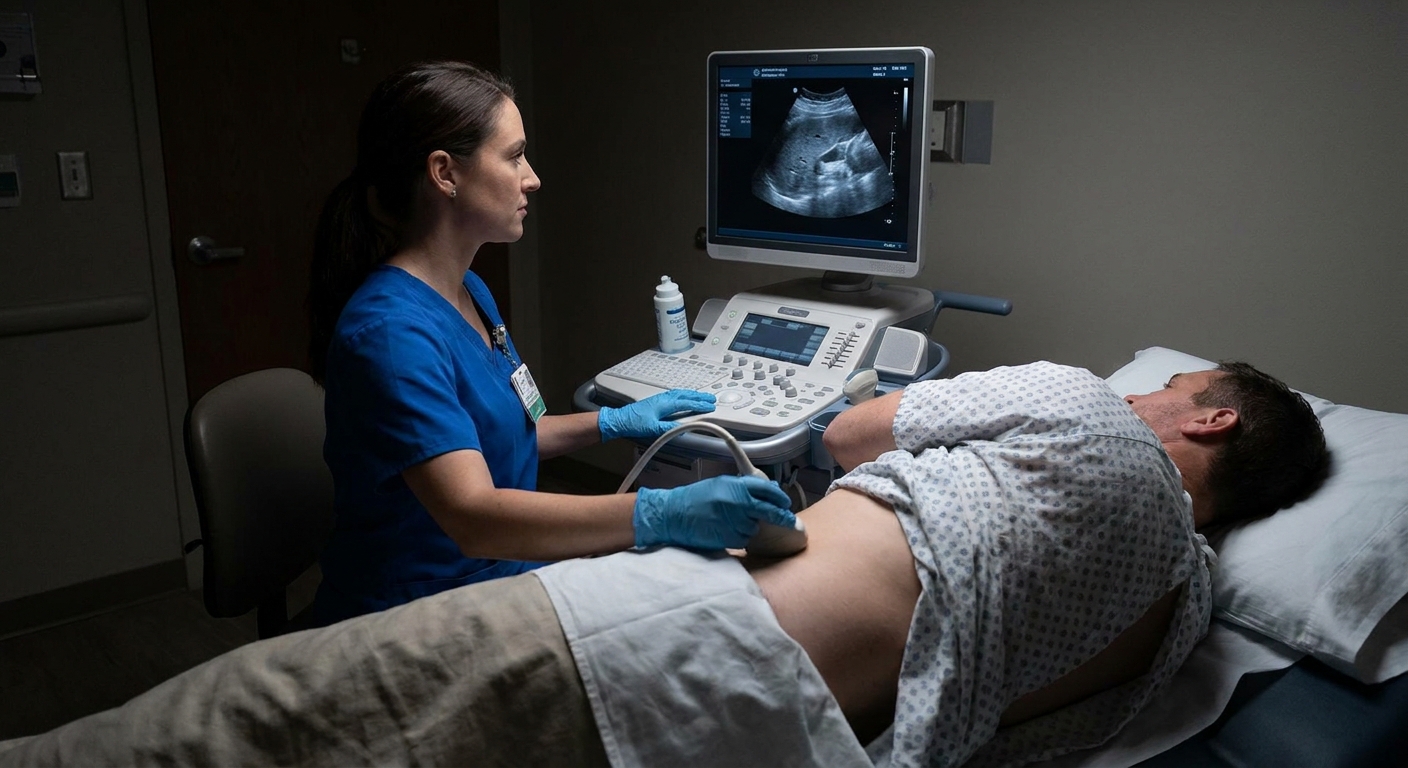
If there is concern about back pressure or kidney involvement, clinicians may order an ultrasound of the kidneys and bladder to look for hydronephrosis or other structural problems.
5) Urology testing in some cases
Depending on the suspected cause, a urologist might recommend cystoscopy (looking inside the urethra and bladder), uroflow testing (measuring stream), or urodynamic studies (testing bladder pressures and function).
Treatment options
Treatment depends on the cause, severity of retention, kidney involvement, and your symptoms. The goals are to empty the bladder safely, protect the kidneys, and address the underlying reason.
Bladder drainage
- Intermittent self-catheterization is often preferred for long-term management when appropriate.
- Indwelling catheter (urethral or suprapubic) may be used in certain situations, especially short-term or when self-catheterization is not feasible.
Medications
- For BPH: alpha blockers (to relax the prostate and bladder neck) and sometimes 5-alpha reductase inhibitors (to shrink the prostate over time).
- If medication side effects are contributing: adjusting the regimen can help.
Procedures or surgery
- Procedures to relieve prostate obstruction
- Dilation or repair of urethral strictures
- Pelvic floor or prolapse treatments when anatomy is a major driver
Behavioral support
- Timed voiding (scheduled bathroom breaks)
- Constipation management (often overlooked, but can make a real difference)
- Pelvic floor physical therapy when muscle coordination is part of the problem
If kidney function is affected, treatment becomes more urgent because relieving obstruction and lowering bladder pressure can prevent permanent damage.
When to seek urgent care
Please seek urgent or emergency evaluation if you have any of the following:
- Unable to urinate with significant discomfort or lower abdominal swelling
- Severe lower abdominal pain
- Fever, chills, flank pain, or vomiting (possible kidney infection)
- New weakness or numbness in the legs, saddle numbness, or loss of bowel control (possible cauda equina syndrome or spinal cord emergency)
- Blood in the urine that is heavy, persistent, or accompanied by clots
Chronic retention itself is not always an emergency in the moment, but complications can escalate quickly.
Questions I hear a lot
Can you have chronic urinary retention and still pee?
Yes. This is very common. You may pass urine but still retain a significant amount afterward.
Does chronic urinary retention always cause pain?
No. Many people have little to no pain. Symptoms are more often weak stream, frequent urination, nighttime trips, or overflow leakage.
What is overflow incontinence?
When the bladder is overly full, urine can leak out in small amounts without the normal sensation of needing to go. People often describe constant dribbling or dampness.
Is chronic urinary retention reversible?
Sometimes, especially when the cause is treatable and caught early. But long-standing retention can lead to bladder stretching, reduced sensation, and weaker contractions, which can take time to improve and may not fully recover in every case.
What tests help assess kidney impact?
Checking creatinine and getting imaging when indicated, especially ultrasound to look for hydronephrosis, are common ways clinicians assess kidney impact from retention.
A practical next step
If you recognize yourself in these symptoms, bring it up directly at your next appointment. Here is a simple way to say it:
I am worried I might not be emptying my bladder fully. Can we check a post-void residual and make sure my kidneys are okay?
You are not being dramatic. You are being appropriately proactive. Chronic urinary retention is one of those conditions where early recognition can make an enormous difference for comfort, quality of life, and kidney health.