If you have ever leaked urine when you laughed too hard, sneezed, lifted something heavy, or went for a jog, you are not alone. In clinic, I hear people describe this as “my bladder just can’t handle pressure anymore.” That is a pretty accurate way to think about stress urinary incontinence, also called SUI.
Stress urinary incontinence is common, treatable, and not a personal failure. It is a body mechanics issue, and for many people, the right plan can make a meaningful difference.

Stress urinary incontinence, explained simply
Stress urinary incontinence is urine leakage that happens when intra-abdominal pressure rises and the urethra and pelvic floor cannot fully resist that push.
That “stress” is not emotional stress. It means mechanical stress, like:
- Coughing or sneezing
- Laughing
- Jumping or running
- Lifting, squatting, or other exertion
- Standing up quickly or bending and lifting
The key feature is that leakage happens with an activity that increases pressure, often with little or no warning. If position changes mainly trigger a sudden “gotta go now” feeling, that can also point to urgency or mixed incontinence, which is evaluated and treated a bit differently.
What is happening in the body?
To stay dry, your bladder outlet needs a reliable seal. That seal is created by a combination of:
- The urethral sphincter, the “valve” that helps keep urine in
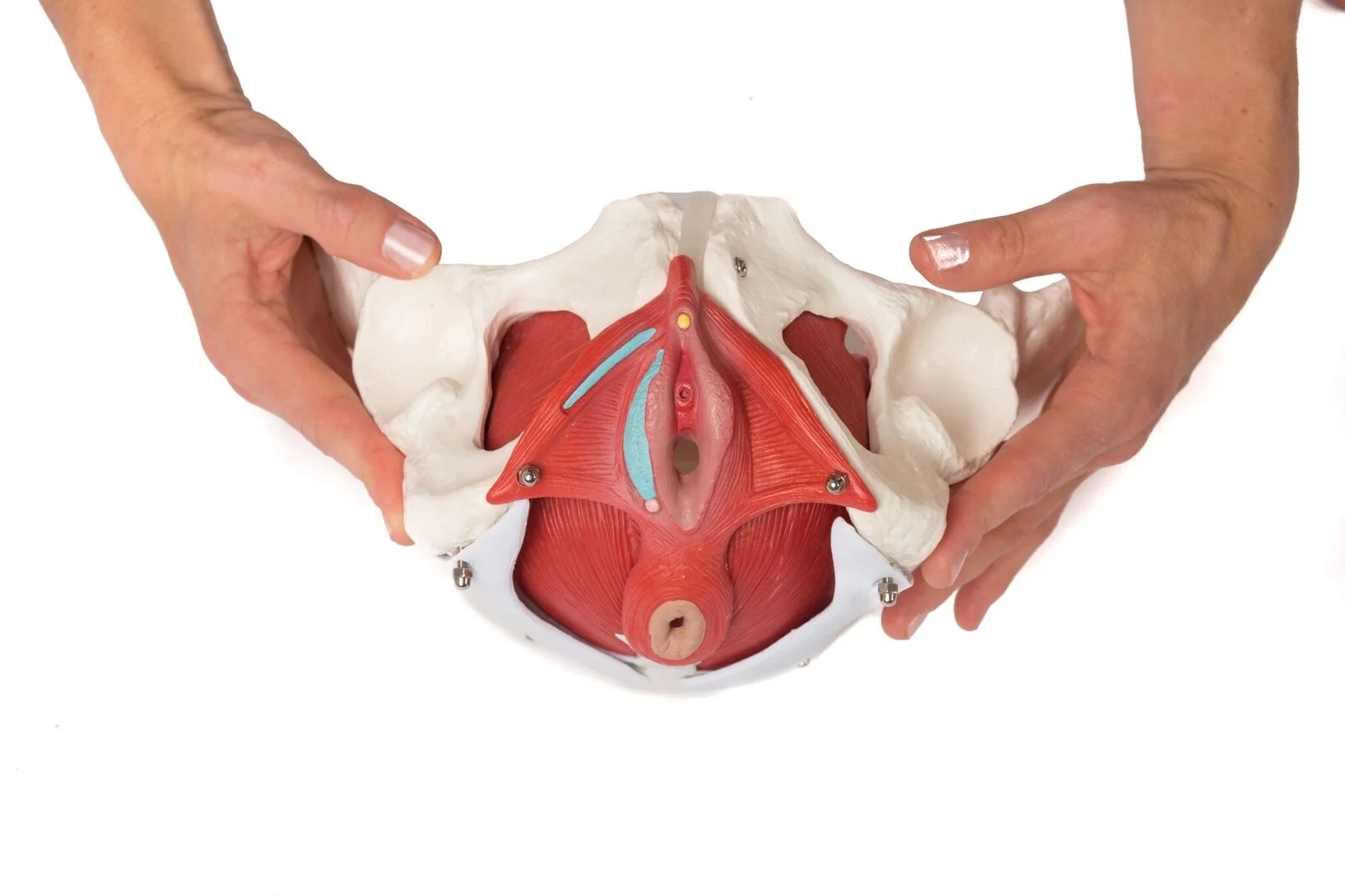
- Pelvic floor muscles, which support the bladder and urethra like a sling
- Connective tissue support, which helps keep the urethra in the right position
With SUI, the urethra has less support and or the sphincter is less able to stay closed during a sudden pressure spike. When you cough, your intra-abdominal pressure jumps, and a small amount of urine can escape before your body can compensate.
Why support can change
- Pregnancy and vaginal childbirth, especially with forceps delivery, large baby, prolonged pushing, or multiple births
- Menopause, which can contribute by changing urethral and vaginal tissue quality
- Prior pelvic surgery
- Genetics and connective tissue differences
- Chronic coughing (for example from smoking, uncontrolled asthma, or COPD)
- Chronic constipation and frequent straining
- Higher body weight, which can increase baseline intra-abdominal pressure
- High impact sports in some athletes
Stress vs urgency incontinence
People often use “incontinence” as one bucket term, but the type matters because the treatment plan changes.
Stress urinary incontinence (SUI)
- Leakage with cough, sneeze, laugh, lifting, exercise
- Often small spurts
- Typically not preceded by a strong “gotta go now” feeling
Urgency urinary incontinence (UUI) and overactive bladder
- Leakage after a sudden, hard to defer urge
- You may not make it to the toilet in time
- Triggers can include running water, arriving home, cold air, or no obvious trigger
Many people have mixed incontinence, which is both stress and urgency leakage. It is very common, especially as we get older.
How it is diagnosed
A good evaluation is often straightforward. Most diagnoses start with a detailed history and a few simple steps in the office.
What your clinician may ask
- When do you leak, and how much?
- Do you feel urgency first?
- How often do you urinate in a day and at night?
- Have you had pregnancies, deliveries, pelvic surgeries, or menopause symptoms?
- Do you have constipation or a chronic cough?
- What fluids and bladder irritants are you using (caffeine, alcohol, carbonated drinks)?
Common tests
- Urinalysis to check for infection or blood
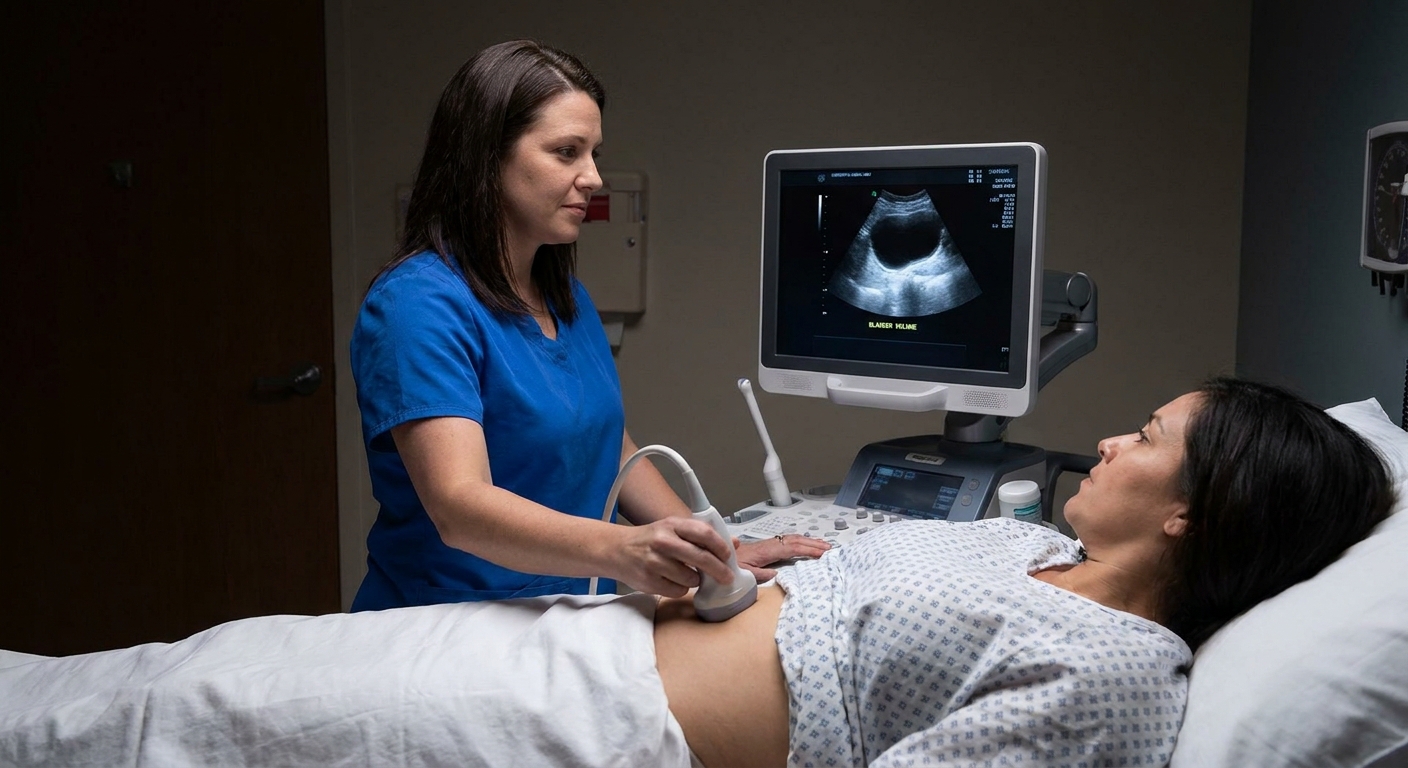
- Post-void residual (PVR) (how much urine is left after you pee), often with ultrasound
- Pelvic exam to assess pelvic floor support and look for prolapse
- Cough stress test, which checks for leakage with a cough during exam
Do you need urodynamic testing or cystoscopy?
Not usually for uncomplicated SUI. More specialized testing might be considered if symptoms are complex, you have significant pelvic organ prolapse, prior incontinence surgery, neurologic disease, trouble emptying, recurrent urinary tract infections, or blood in the urine. Your clinician will tailor the workup to your situation.
Treatment options that help
There is no single “best” treatment for everyone. The encouraging news is that many people improve with conservative care, and we can scale up support if symptoms are still getting in the way of your life.
I like to think of SUI care in layers, starting with the lowest risk options and building from there based on how much symptoms affect your life.
1) Pelvic floor therapy
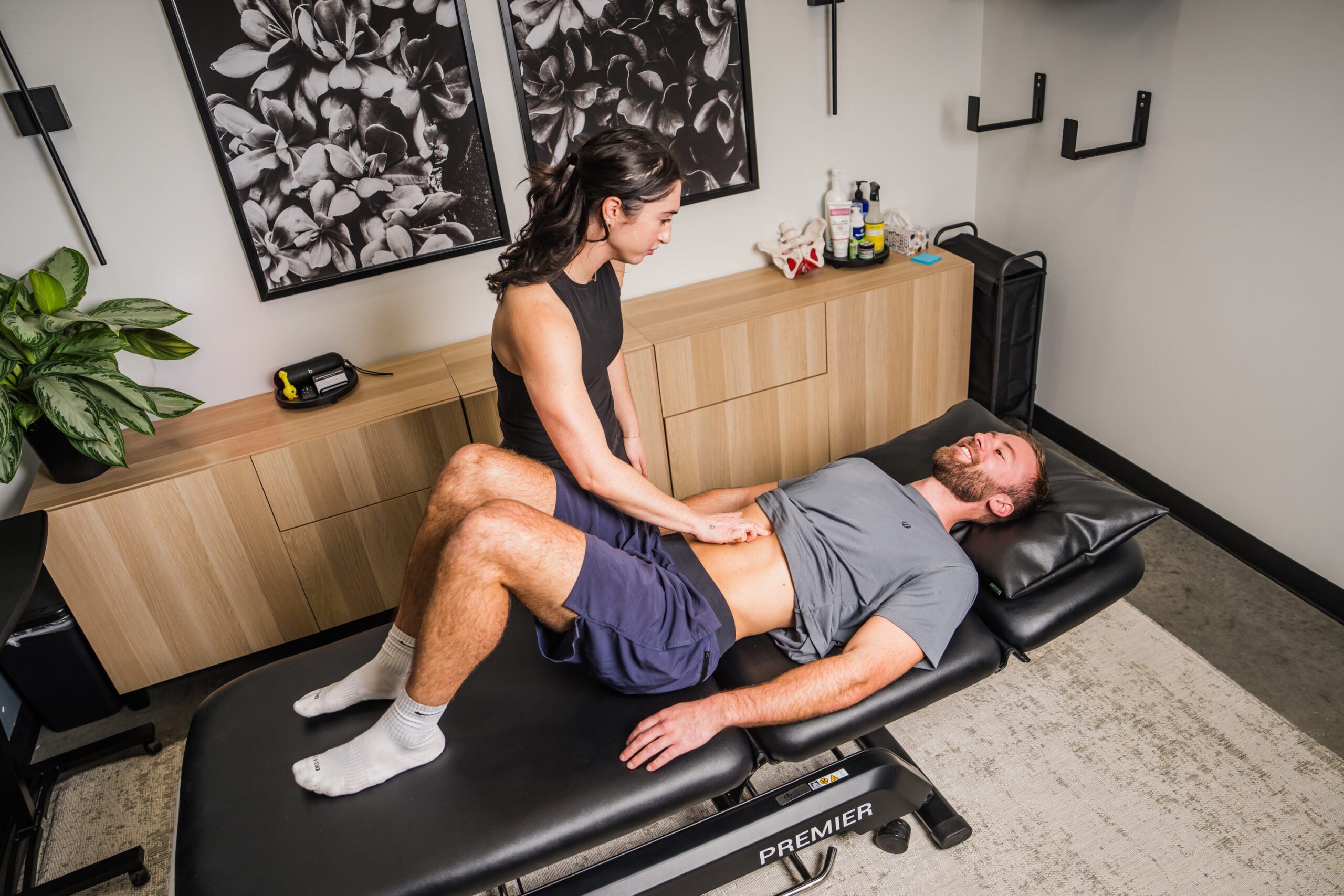
Pelvic floor physical therapy is more than just being told to do Kegels. A trained pelvic floor therapist can assess whether your muscles are weak, poorly coordinated, or overly tight and then teach you how to use them effectively during real life triggers.
Therapy often includes:
- Strength and coordination training
- Breathing and core strategies that reduce downward pressure
- Learning “the knack,” a well-timed pelvic floor squeeze right before a cough or lift
- Bladder habits that protect the pelvic floor
Many people notice improvement within weeks, with bigger gains over a few months of consistent work. Some people aim for complete dryness, and others are thrilled with fewer episodes and more confidence during exercise or social events. Both are valid goals.
2) Lifestyle and habit changes
- Manage constipation to reduce straining
- Treat chronic cough and consider smoking cessation if relevant
- Adjust fluid timing if leakage happens during workouts or long meetings
- Weight management if recommended by your clinician, even modest changes can reduce pressure on the pelvic floor
- Review diuretics (water pills) or other meds with your prescriber if urinary symptoms worsened after starting them
3) Devices without surgery
Depending on anatomy and comfort, these options can provide mechanical support.
- Pessaries: A removable device placed in the vagina to support pelvic organs and reduce leakage, especially if prolapse is also present.
- Vaginal continence supports: Some people use tampon-like supports or reusable vaginal inserts designed for activity-related leakage. Fit and comfort matter, and your clinician can help you choose a safe option.
- Urethral inserts: In some settings, disposable urethral inserts may be used for specific situations (for example, a workout). These require careful instruction and are not right for everyone.
With any internal device, pay attention to irritation, discomfort, unusual discharge, or urinary tract infection symptoms, and get personalized guidance on fit, cleaning, and how long to wear it.
4) Medications
Unlike urgency incontinence, SUI does not have a strong medication lineup. If you have mixed symptoms, treating the urgency component can still help your overall quality of life.
In some countries, duloxetine is used for SUI in select patients, but it is not FDA-approved for SUI in the United States and side effects limit its use for many people. Your clinician can tell you what is appropriate where you live and for your health history.
5) Procedures and surgery
When conservative measures are not enough, procedures that add support to the urethra can be very effective. Options include:
- Midurethral sling surgery: A supportive strip placed under the urethra to help it stay closed during pressure spikes.
- Urethral bulking injections: Material injected near the urethra to improve closure. This can be a good option for some people who prefer to avoid sling surgery or who are not ideal surgical candidates.
- Other surgical supports: Chosen in specific situations, especially if other pelvic conditions are being repaired at the same time.
Choosing surgery is a personal decision that should balance symptom burden, health history, anatomy, activity goals, and risk tolerance. A urogynecologist or urologist can walk you through expected outcomes and potential side effects.
What you can do now
If this is new or getting worse, these steps are a practical starting point:
- Track your triggers for one week. Note what you were doing, how much leaked, and whether urgency was present.
- Ask specifically about pelvic floor physical therapy. It is one of the most impactful non-surgical options we have.
- Do not “just in case” pee. Frequent preventive bathroom trips can train the bladder to signal more often. If you have trouble emptying, recurrent UTIs, significant prolapse, or a neurologic condition, ask your clinician what is safest for you before changing habits.
- Address constipation and cough. These are pelvic floor stress multipliers.
- Use the right protection for your skin. If pads are irritating, ask about barrier creams and breathable options to prevent rashes.
When to seek care quickly
Stress urinary incontinence itself is not usually dangerous, but certain symptoms should be checked promptly:
- Burning with urination, fever, or pelvic pain (possible infection)
- Blood in urine
- New leakage with leg weakness, numbness, or back pain
- Trouble urinating or feeling unable to empty your bladder
- Sudden major change in bladder control
- A new painful vaginal bulge or new symptoms after pelvic surgery
FAQ
Is stress urinary incontinence normal after having a baby?
It is common, but I try not to call it “normal” in the sense of “you must live with it.” Many postpartum people improve significantly over the first 3 to 6 months with pelvic floor rehab, time, and targeted strengthening and coordination. If leakage is persistent, worsening, or still limiting you beyond that, it is worth getting evaluated.
Do Kegels fix stress incontinence?
Sometimes, but not always, and technique matters. If you are bearing down instead of lifting and contracting, symptoms can worsen. A pelvic floor physical therapist can make sure you are using the right muscles in the right way.
Can menopause cause stress urinary incontinence?
Menopause can contribute by changing tissue quality and urethral support. Many people notice worsening leakage around this time, especially if pelvic floor weakness already existed.
Will I need surgery?
Not necessarily. Many people do well with pelvic floor therapy and supportive devices. Surgery is typically considered when conservative treatment has not met your goals and the leakage meaningfully impacts daily life.
What kind of doctor treats stress urinary incontinence?
A primary care clinician or OB-GYN can start the evaluation and treatment. For more specialized care, urogynecologists and urologists commonly treat SUI.
A final reassurance
In my rural hometown, people often kept quiet about bladder leaks because it felt embarrassing and “just part of getting older.” I want to gently challenge that idea. Stress urinary incontinence is common, and there are solid, evidence-based options ranging from pelvic floor therapy to devices to surgical support. You deserve care that takes your symptoms seriously and helps you feel confident in your body again.
This article is general information and not a substitute for individualized medical care.