Overactive bladder, often shortened to OAB, is one of those conditions people whisper about, plan their day around, and sometimes blame on “getting older.” In clinic, I see how exhausting it can be to feel like your bladder is calling the shots. The good news is that OAB is common, it is treatable, and there are practical steps you can start right away.
OAB is defined by urgency, that sudden, hard-to-ignore need to urinate. It usually comes with frequency (going more often than you’d like) and nocturia (waking up at night to pee). Some people also have urge incontinence, meaning leakage that happens on the way to the bathroom. Importantly, OAB is diagnosed after infection and other concerning causes are excluded, not just by symptoms alone.

OAB vs. other problems
Many bladder conditions share similar symptoms, so a big part of evaluation is making sure the label fits.
- Overactive bladder: urgency is the key symptom, usually with frequency and nighttime voiding, with or without leakage.
- Urinary tract infection (UTI): can mimic OAB but may include burning with urination, a sudden change from your baseline, foul-smelling urine, or feeling unwell. Cloudy urine can happen, but it is nonspecific. Testing your urine helps sort this out.
- Blood in the urine (hematuria): not a cause of OAB, but a red flag that needs its own evaluation (stones, inflammation, and other conditions). If you see pink, red, or cola-colored urine and you are not on your period, contact a clinician promptly.
- Interstitial cystitis/bladder pain syndrome: tends to involve pain or pressure that worsens as the bladder fills and improves after urinating. OAB is more about urgency than pain.
- Stress incontinence: leakage with coughing, laughing, jumping, or lifting. That is a different mechanism than urge leakage, though some people have both.
- Neurogenic bladder: bladder dysfunction related to nerve conditions or injury. Your clinician considers this especially if there are neurologic symptoms or a known neurologic diagnosis.
Common symptoms
People describe OAB in a lot of ways, but these are the classic patterns:
- Urgency: a sudden need to urinate that feels difficult to postpone.
- Frequency: urinating often during the day. Some references use cutoffs like more than 8 times in 24 hours, but in real life I care most about whether it is disruptive, new, or paired with urgency.
- Nocturia: waking from sleep one or more times to urinate. One nighttime trip can be common for some people, especially with age. If it is new, frequent, or disruptive, it is worth evaluating.
- Urge incontinence: leakage that happens with urgency, often before you can reach a toilet.
If you are keeping your life small because of bathroom access, that matters. OAB is not only a “bladder issue.” It can affect sleep, mood, relationships, exercise, and confidence.
What causes OAB?
OAB is usually related to an over-sensitive bladder muscle (the detrusor) or an overactive signaling system between the bladder and brain. Sometimes we find a contributing factor, and sometimes we do not. Common contributors include:
- Age-related changes in bladder function and signaling (these vary a lot person to person)
- Pelvic floor dysfunction (weakness, overactivity, or poor coordination)
- Constipation (a full rectum can irritate the bladder and reduce space)
- Bladder irritants such as caffeine and alcohol, and for some people carbonated drinks, acidic beverages, and certain artificial sweeteners
- Excess fluid intake or frequent “just in case” voiding that can reinforce a pattern of frequent voiding in some people
- Hormonal changes around menopause that can affect the lower urinary tract
- Medical conditions like diabetes, sleep apnea, mobility limitations, leg swelling, or neurologic disorders
- Medications that increase urine output (for example, diuretics) or irritate the bladder in some people
One gentle but important point: OAB is not a personal failure. Many people have tried to “hold it better” and end up feeling frustrated or embarrassed. This is a body system problem, and it deserves the same practical approach as any other health issue.
How OAB is checked
Most of the time, the initial evaluation can be done in primary care or gynecology, and it starts with your story. I usually focus on when symptoms began, what makes them worse, whether there is leakage, and whether there are warning signs that suggest a different diagnosis.
I also want to make sure we are not missing a different driver of symptoms such as incomplete emptying, pelvic organ prolapse, or (in men) prostate enlargement or bladder outlet obstruction, which can overlap with urgency and frequency.
Common parts of the workup
- History and symptom review: urgency, frequency, nocturia, leakage patterns, pelvic pain, constipation, fluid habits, caffeine use, and medication review.
- Urinalysis and sometimes a urine culture: to rule out infection and look for blood. If you have had “recurrent UTIs,” I also like to review actual culture results, since symptoms and contamination can get mislabeled as infection.
- Pregnancy test when relevant.
- Post-void residual (PVR): a quick ultrasound or catheter check to see how well the bladder empties, especially if you have a weak stream, hesitancy, or feel you cannot empty fully.
- Pelvic exam when relevant to assess pelvic floor, vaginal tissue changes, and prolapse.
If symptoms persist, are severe, or come with red flags, your clinician may discuss additional testing such as urodynamics, imaging, or a cystoscopy (a look inside the bladder with a small camera). Cystoscopy is not routine for uncomplicated OAB, but it can be useful when symptoms are atypical or not responding as expected, or when there is blood in the urine.

Nocturia is not always OAB
Waking up to urinate can happen with OAB, but nocturia also has other common causes. This matters because treatment changes depending on the driver.
- Nocturnal polyuria: making a large share of your daily urine at night. Common contributors include late-day fluids, alcohol, leg swelling that redistributes when you lie down, and untreated sleep apnea.
- Sleep disruption: sometimes people wake for another reason (pain, insomnia, a partner, a pet), notice a normal bladder signal, and then pee because they are already up.
- Bladder storage issues: OAB and other bladder conditions that reduce how much your bladder comfortably holds.
This is one reason the bladder diary is so helpful. It separates “I wake a lot” from “I make a lot of urine at night” from “my bladder cannot tolerate normal volumes.”
Try a bladder diary first
If you take only one tool from this article, make it a bladder diary. In real life, memory is unreliable, especially when you are busy or not sleeping well. A diary turns “I pee all the time” into actionable details.
What to track for 3 days
- What and how much you drink (rough amounts are fine)
- When you urinate
- Any urgency episodes (rate 0 to 3 if helpful)
- Any leakage and what you were doing at the time
- Nighttime wake-ups to urinate
Bring this to your appointment. It helps your clinician distinguish OAB from high fluid intake, nocturnal polyuria, and mixed incontinence. It also helps you see patterns like “coffee equals urgency within an hour” or “I sip constantly all afternoon.”
What to do at home
For many people, first-line care is behavioral. That is not code for “it’s all in your head.” It means we start with the lowest-risk options that often work very well.
Adjust fluids safely
- Avoid big swings: chugging large volumes can trigger urgency. Aim for steady, reasonable intake.
- Do not over-restrict: cutting fluids too hard can worsen constipation, increase urinary irritation, and in some people increase kidney stone risk. If you have kidney disease, heart failure, or a fluid restriction for medical reasons, follow your clinician’s guidance.
- Time fluids thoughtfully: if nocturia is your biggest issue, reduce fluids 2 to 3 hours before bed and limit alcohol in the evening.
- Test irritants: caffeine is a frequent trigger. Carbonation, acidic drinks, and artificial sweeteners are more individual. If you suspect a trigger, try a trial reduction and see what your diary shows.
Bladder training
Bladder training is a structured way to increase the time between voids so your bladder can tolerate a fuller volume.
- Start by finding your usual interval (for example, every 60 minutes).
- Add 10 to 15 minutes to that interval for a few days.
- Use urge control techniques when urgency hits: stop, stay still, relax your shoulders and jaw, breathe slowly, and consider a few quick pelvic floor squeezes to calm the bladder signal. If your pelvic floor muscles are overactive or tight, your pelvic PT may emphasize relaxation and lengthening instead of repeated squeezing.
- Gradually extend the interval over weeks.
This can feel slow at first, but it is one of the most evidence-supported approaches we use.
Pelvic floor physical therapy
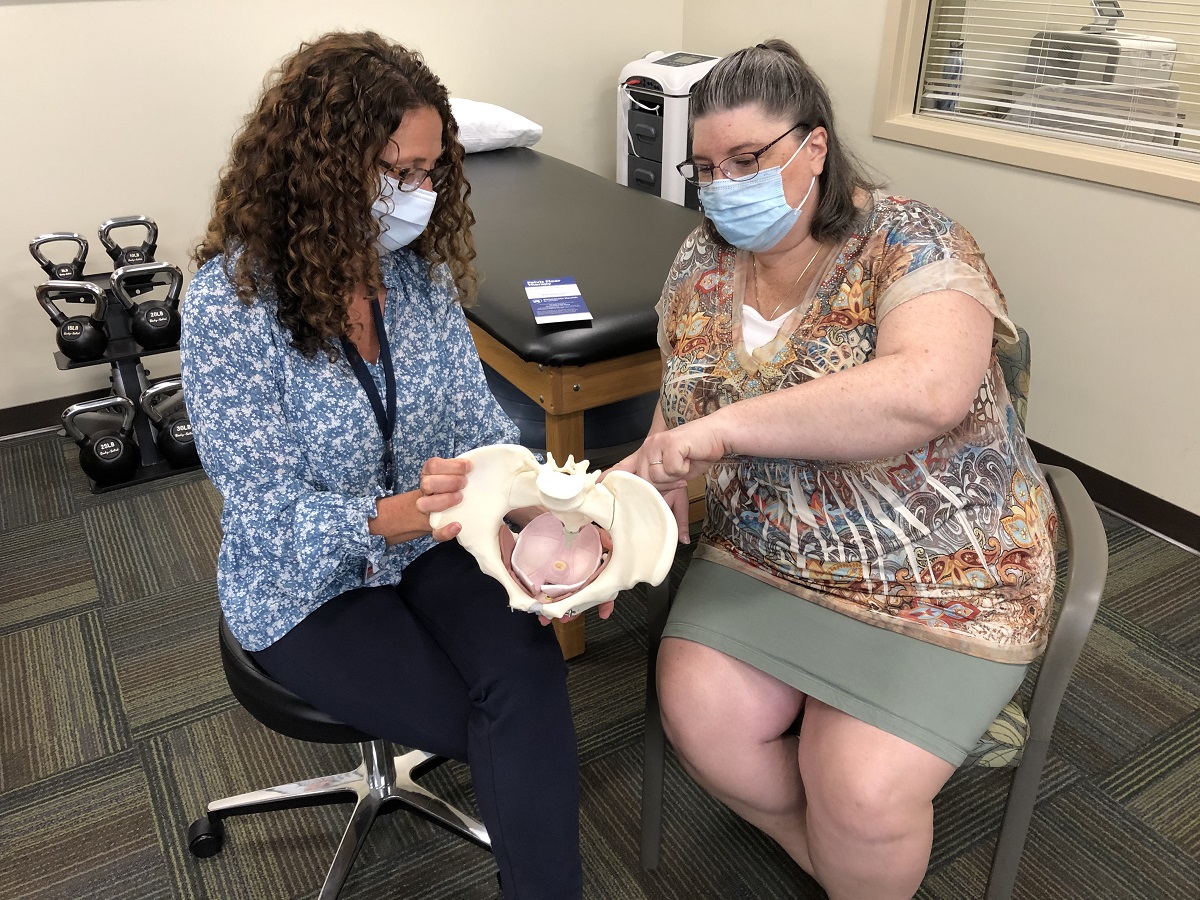
Pelvic floor therapy is not only for postpartum recovery. A trained pelvic PT can teach coordination, relaxation (yes, sometimes muscles are too tight), and strategies to suppress urgency. If you have mixed symptoms, this can be especially helpful.
Address constipation
Constipation can press on the bladder and worsen urgency and frequency. Fiber, adequate hydration, movement, and targeted laxatives or stool softeners when needed can make a noticeable difference.
When medication helps
If lifestyle steps and bladder training are not enough, or if symptoms are significantly affecting your quality of life, medication may be a reasonable next step.
Common medication types
- Antimuscarinics (also called anticholinergics): can reduce urgency and frequency by calming bladder muscle activity. Potential side effects include dry mouth, constipation, blurry vision, and in some people cognitive effects. This is especially important to discuss if you are older or already taking other anticholinergic medications, since cumulative anticholinergic burden and long-term use are concerns.
- Beta-3 agonists: relax the bladder and can help increase bladder capacity. They tend to have fewer dry mouth and constipation issues but can raise blood pressure in some people. Mirabegron is a common example and is not used in severe uncontrolled hypertension. It can also interact with some medications (including through CYP2D6).
Medication choice is individualized. In clinic, I consider your blood pressure, constipation tendencies, glaucoma history, cognitive concerns, and what other medications you take.
If you are peri- or postmenopausal and also have symptoms of genitourinary syndrome of menopause (like vaginal dryness or discomfort with sex), local vaginal estrogen may improve urinary urgency and frequency for some people. This is different from systemic hormone therapy, so it is worth a specific conversation with your clinician about what fits your history.
When procedures are options
If symptoms remain bothersome despite behavioral care and medication, you may be referred to urology or urogynecology to discuss next-step options. These can be very effective for the right person.
Common options
- Botulinum toxin (Botox) injections into the bladder muscle to reduce involuntary contractions. This is done in a clinic setting. A known risk is urinary retention, so follow-up is important.
- Nerve stimulation therapies such as percutaneous tibial nerve stimulation (PTNS) or sacral neuromodulation, which can help reset bladder signaling.
- Further evaluation including cystoscopy or urodynamic testing when symptoms are atypical, severe, or not responding as expected.
Needing a procedure does not mean you did something wrong. It simply means your OAB is more persistent, and you deserve stronger tools.
Red flags
Same-day urgent care
- Visible blood in the urine that is not explained by your period or an obvious non-urine source
- Burning with urination, fever, chills, flank pain, or feeling ill (possible infection, including kidney infection)
- New, persistent pelvic pain or unexplained weight loss
Emergency care now
- Inability to urinate with bladder pain or pressure
- New urine leakage with numbness in the groin area, new leg weakness, or severe back pain
Living with OAB
While you are working on treatment, these strategies can make daily life easier without reinforcing fear around leaving home.
- Plan, but do not over-restrict: know bathroom options when you travel, but keep doing activities you enjoy.
- Wear protection when needed: the right pad or underwear can reduce anxiety while you retrain your bladder.
- Protect sleep: manage evening fluids, consider leg elevation in late afternoon if you have swelling, and ask about sleep apnea if you snore and wake often.
- Talk about it: shame keeps people from getting help. OAB is a medical condition, not a character trait.
FAQ
Is OAB the same as incontinence?
No. OAB is defined by urgency. Some people with OAB have urge incontinence, but others do not leak at all.
How do I know if it is a UTI or OAB?
Symptoms overlap. A urine test is the best way to rule out infection. If urgency and frequency keep returning with negative urine cultures, OAB becomes more likely.
Can anxiety cause OAB?
Stress and anxiety can amplify body signals, including bladder urgency, and can worsen symptoms. But OAB is not “just anxiety.” Many people benefit from addressing both bladder habits and stress management together.
Will I have OAB forever?
Many people improve significantly with bladder training, pelvic floor therapy, and targeted treatment. Some need ongoing strategies, but “manageable” is a realistic goal.
What to ask at your visit
- Have we ruled out infection and other concerning causes?
- Do my symptoms sound more like OAB, stress incontinence, or both?
- Can I bring a 3-day bladder diary to review together?
- Would pelvic floor physical therapy help in my situation?
- Which medication options fit my health history and current medications?
- When would you consider referral to urology or urogynecology?
If you are dealing with urgency, frequent bathroom trips, or nighttime urination, you are not alone. And you do not have to “just live with it.” With the right evaluation and a step-by-step plan, most people can get meaningful relief.