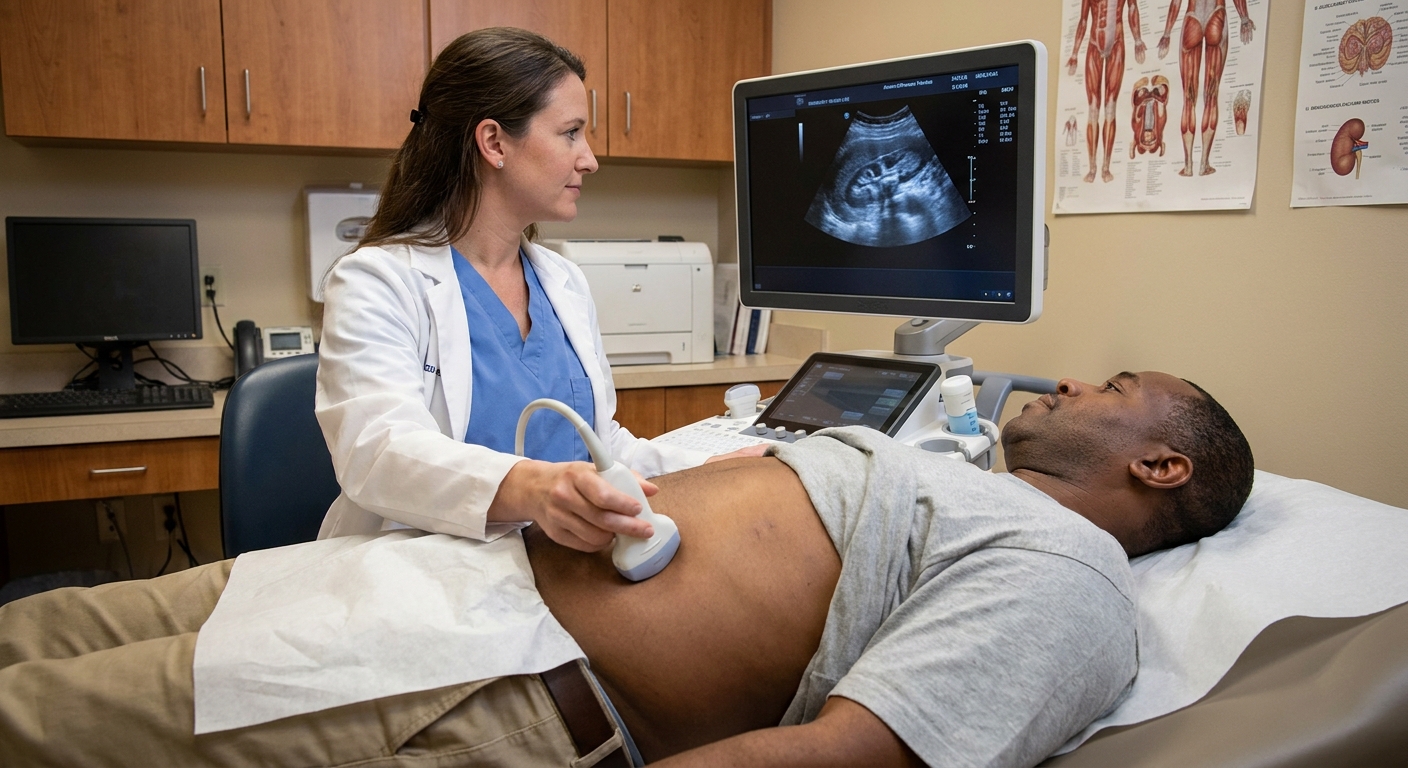
In the clinics where I have worked, I have met plenty of people who assumed bladder problems were “just part of getting older” or “just another UTI.” But when the nerves that control your bladder are injured or not working well, your bladder can behave in ways that are more than inconvenient. It can store urine unsafely, empty poorly, or build up pressure that quietly threatens the kidneys. That bigger picture is what we mean when we talk about neurogenic bladder.
This article explains what neurogenic bladder is, why it happens, what symptoms to watch for, and why certain tests, including a bladder pressure study, can be so important.
Neurogenic bladder, explained
Neurogenic bladder is an umbrella term for bladder storage and emptying problems caused by a nerve injury or nerve disease. Your bladder is not just a “bag.” It is a muscle (the detrusor) working in a coordinated loop with the brain, spinal cord, and peripheral nerves. Those nerves do three key jobs:
- Sense bladder filling so you feel the urge to urinate.
- Store urine at low pressure by keeping the bladder muscle relaxed while the outlet stays closed.
- Empty on purpose by squeezing the bladder muscle while relaxing the outlet.
When that nerve signaling is disrupted, you can develop different patterns of dysfunction, such as a bladder that squeezes when it should not, a bladder that cannot squeeze when it should, or a sphincter that does not coordinate with the bladder squeeze.
Common causes
Neurogenic bladder can happen with many neurologic conditions. Some of the most common include:
- Spinal cord injury (including trauma)
- Spina bifida and other congenital spinal cord conditions
- Multiple sclerosis (MS)
- Diabetes (diabetic autonomic neuropathy can affect bladder sensation and emptying)
- Stroke and other brain injuries
- Parkinson disease and other neurodegenerative disorders
- Tumors, infections, or surgeries that damage nerves involved in bladder control
If you have one of these conditions and notice new urinary symptoms, it is worth bringing up early. In neurogenic bladder, “waiting it out” can sometimes allow silent complications to develop.
Types of neurogenic bladder patterns
Clinicians often describe neurogenic bladder in terms of storage problems, emptying problems, or both. The exact pattern depends on which nerves are affected.
Overactive or “spastic” bladder
The bladder may squeeze too easily or too often. People may feel urgency, frequent urination, waking at night to urinate, or leakage before they can reach a bathroom.
Underactive or “flaccid” bladder
The bladder may not squeeze strongly enough, or you may not sense fullness well. This can lead to incomplete emptying, a weak stream, starting and stopping, straining, and a feeling that you still need to urinate right after going.
Dyssynergia
In some spinal cord and neurologic conditions, the bladder squeezes but the urinary sphincter does not relax at the same time. This can create dangerously high bladder pressures and significant retention.
Symptoms you might notice
Neurogenic bladder does not look the same in everyone. Symptoms can include:
- Urgency (the need to urinate right away)
- Frequency (urinating often)
- Incontinence (leakage), including with urgency
- Waking up multiple times at night to urinate
- Hesitancy or difficulty starting urination
- Weak urine stream or intermittent stream
- Straining to urinate
- A sense of incomplete emptying
- Recurrent urinary tract infections
- Cloudy or foul-smelling urine (often with infection, but not always)
Some people with reduced bladder sensation have surprisingly few symptoms, even with significant urinary retention. That is one reason objective testing can matter so much.
Why it can harm the kidneys
The complication I worry about most, especially when symptoms have been brushed off for months or years, is kidney damage.
Ideally, the bladder stores urine at low pressure. In some forms of neurogenic bladder, storage pressures rise because the bladder muscle contracts against a closed outlet or because the bladder has become stiff and less stretchy over time.
When bladder pressure is high, urine can be pushed backward toward the kidneys. This backflow can contribute to swelling of the urinary tract and kidneys, including hydronephrosis. Over time, repeated high pressure and infections can impair kidney function.
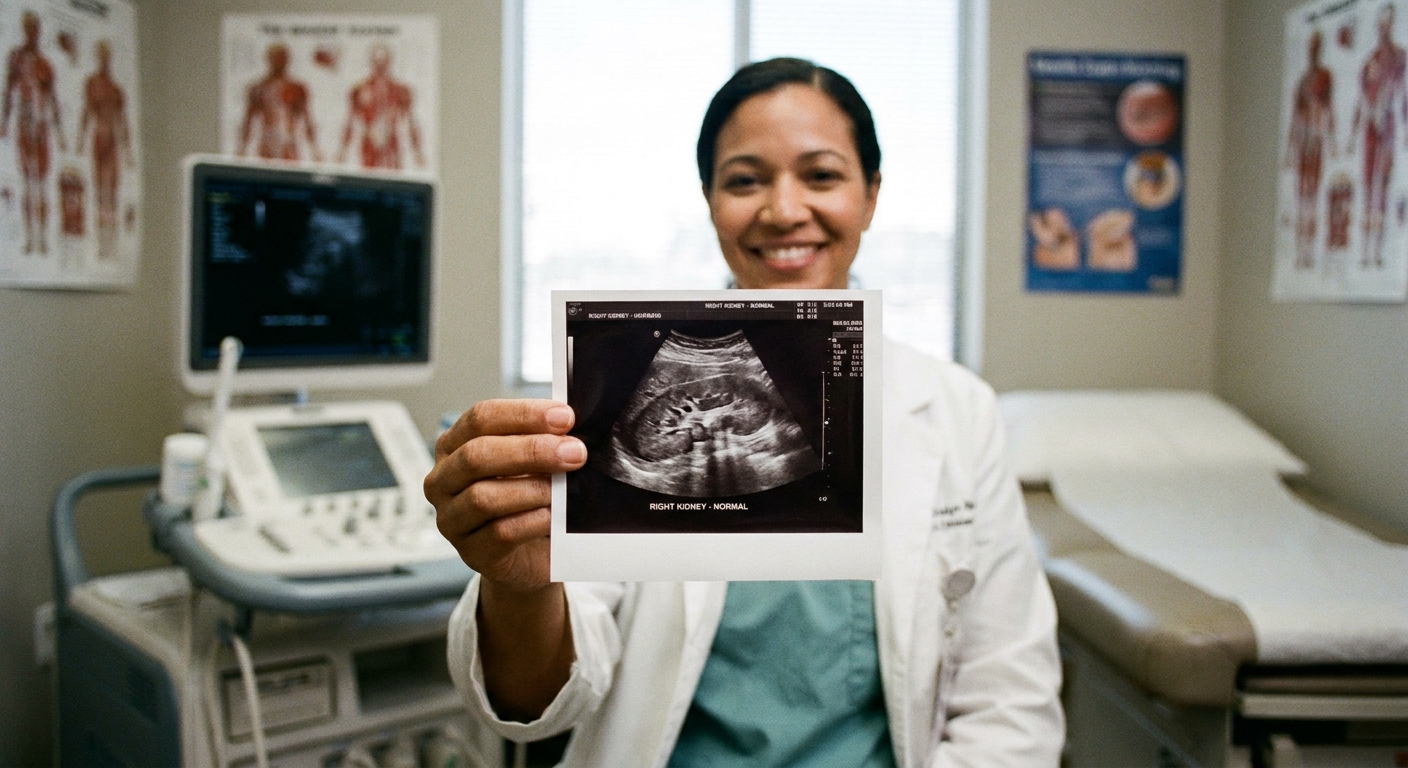
Not everyone with neurogenic bladder develops hydronephrosis or kidney injury. But when risk is present, the goal of treatment shifts from “make symptoms less annoying” to “protect the kidneys and preserve long-term health.”
How it is diagnosed
Diagnosis is a combination of your story, exam, and targeted testing. Your primary care clinician may start the workup, and many people benefit from evaluation by a urologist, sometimes in collaboration with neurology or rehabilitation medicine.
History and medication review
Your clinician will ask about urinary symptoms, constipation, fluid intake, neurologic symptoms, prior surgeries, and your underlying neurologic condition. A medication review matters because some medications can worsen retention or urinary symptoms.
Urinalysis and urine culture
These help evaluate for infection and other concerns like blood in the urine.
Post-void residual (PVR)
This measures how much urine is left after you urinate, usually by a quick bladder ultrasound scan or a catheter measurement. A high residual suggests incomplete emptying.
Imaging when indicated
If there is concern about kidney involvement or recurrent infections, your clinician may order imaging of the kidneys and urinary tract, such as ultrasound.
Urodynamic testing
Urodynamics is the pressure study you may hear about. It measures how your bladder and sphincter behave during filling and emptying. While protocols vary, urodynamic testing can assess:
- Bladder pressure during filling (important for kidney safety)
- Bladder capacity and sensation
- Involuntary bladder contractions
- Coordination between bladder squeeze and sphincter relaxation
- Leak point pressures (in certain situations)
I often explain it to patients like this: symptoms are the smoke, but urodynamics helps us see the actual “wiring and plumbing” problem so we can choose the safest fix.
Treatment goals and options
Treatment is individualized, based on symptoms, residual urine, pressure findings, infection history, and kidney risk. The two big goals are:
- Protect the kidneys by keeping bladder pressures safe and promoting reliable emptying.
- Improve quality of life by reducing urgency, leakage, and infections.
Bladder training and habits
- Timed voiding: urinating on a schedule rather than waiting for an urge.
- Fluid timing: spreading fluids earlier in the day, limiting large amounts close to bedtime when appropriate.
- Constipation management: a full rectum can worsen bladder emptying and urgency.
Medications
Medication choice depends on the pattern of dysfunction.
- For urgency and overactivity: clinicians often use antimuscarinic medications or beta-3 agonists to calm involuntary bladder contractions.
- For certain emptying issues: some people benefit from strategies focused on improving emptying rather than suppressing bladder activity.
Because some bladder-calming medicines can worsen retention, this is a place where follow-up and PVR checks can be important.
Clean intermittent catheterization (CIC)
If the bladder does not empty well, clean intermittent catheterization can be one of the most effective kidney-protective strategies. It involves using a catheter at set times to drain the bladder, then removing it. Many patients are understandably nervous at first, but with teaching and practice, it often becomes routine.
Botulinum toxin (Botox) injections
For certain forms of neurogenic overactive bladder, botulinum toxin injections into the bladder muscle can reduce involuntary contractions and lower pressure. Some people may need intermittent catheterization afterward, depending on how strongly the bladder relaxes.
Nerve and surgical options
For select patients, especially when conservative steps do not keep pressures safe or symptoms controlled, urology may discuss options such as neuromodulation or reconstructive procedures. These decisions are highly individualized and depend on anatomy, neurologic condition, and overall health.
When to seek urgent care
Contact a clinician urgently or seek emergency care if you have neurogenic bladder symptoms plus any of the following:
- Fever, chills, or flank pain (pain in your side or back near the ribs), which can suggest a kidney infection
- New severe back pain with urinary changes after a spinal cord injury
- Inability to urinate along with significant pain, swelling, or distress
- Blood in the urine that is heavy, persistent, or accompanied by clots
- Symptoms of autonomic dysreflexia in people with certain spinal cord injuries (for example severe headache, flushing, sweating, dangerously high blood pressure) which can be triggered by bladder problems
Living with it
From a practical, day-to-day standpoint, the people who do best tend to have two things: a plan and follow-up. That might include scheduled emptying, the right medication, supplies that fit your life, and periodic checks of residual urine and kidney health.
If you take one message from this page, let it be this: neurogenic bladder is treatable, and kidney protection is a core part of treatment. You do not have to wait until you are miserable, leaking daily, or dealing with repeated infections to get evaluated.
FAQ
Is it the same thing as overactive bladder?
Not exactly. Overactive bladder describes symptoms (urgency, frequency, sometimes leakage). Neurogenic bladder describes the cause: a problem in the nerve control of the bladder. Neurogenic bladder can look like overactive bladder, underactive bladder, or a mix of both.
Can diabetes cause it?
Yes. Long-standing diabetes can damage autonomic nerves and reduce bladder sensation and contraction strength. Some people develop incomplete emptying, urinary retention, and recurrent infections.
What is the biggest risk if it is not treated?
It depends on the type, but key risks include recurrent infections, bladder damage, and in higher-risk patterns, kidney damage from high bladder pressure and urine backing up toward the kidneys.
What does a bladder pressure study feel like?
Urodynamic testing can be uncomfortable and awkward, but it should not be painful. It usually involves small catheters to measure pressure while the bladder is filled. You may be asked to cough, bear down, and urinate during the test. Let the staff know if you feel significant pain.
Can it be cured?
Sometimes it improves if the underlying neurologic issue is reversible, but many cases are long-term. Even when it cannot be cured, it can often be managed very effectively with the right combination of strategies to protect the kidneys and improve daily life.