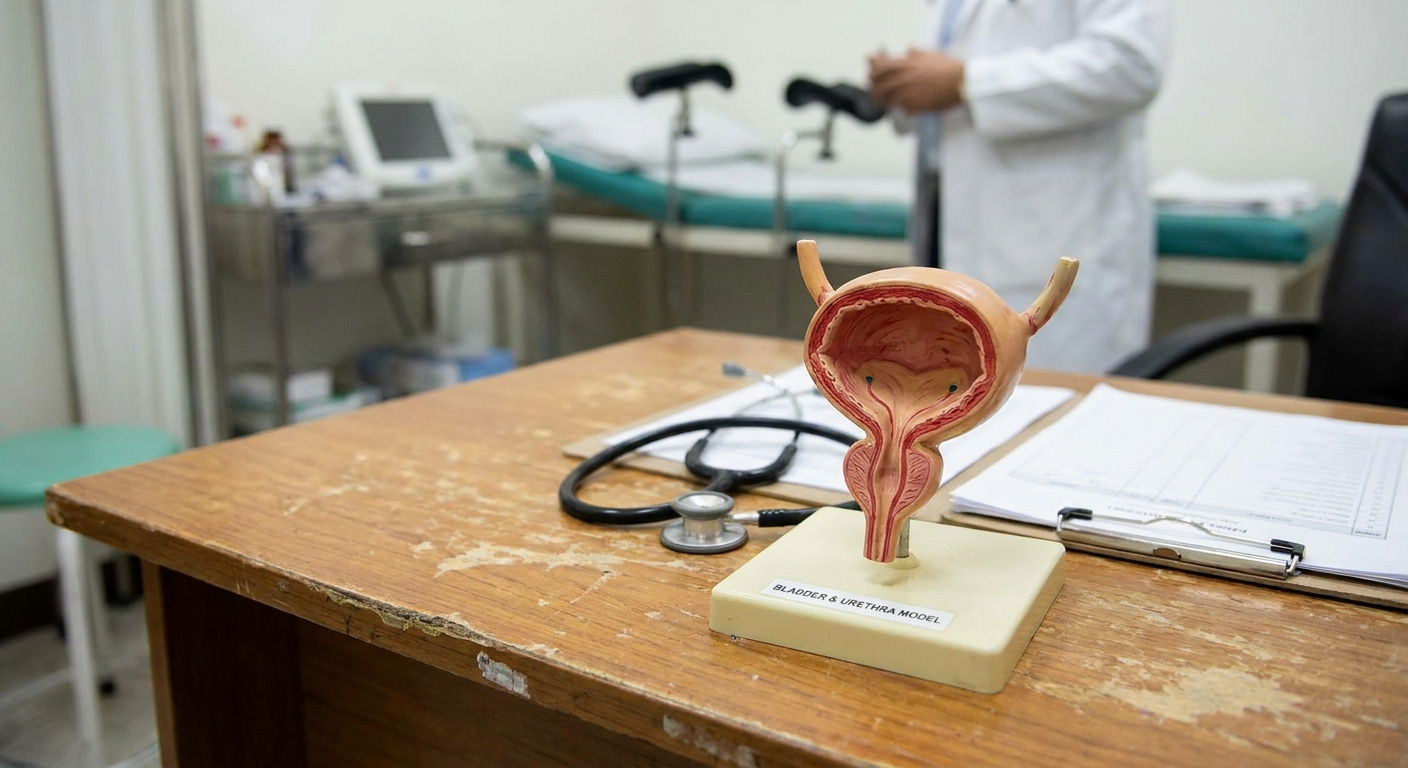
When I explain bladder issues in clinic, I often compare the bladder to a sturdy balloon with a smooth inner lining. A bladder diverticulum is like a small pocket that bulges outward from that balloon wall. Many people never know it’s there. But if urine gets trapped in that pocket, it can set off a chain of problems like repeated infections, bladder stones, and sometimes ongoing trouble emptying the bladder.
Below, I will walk you through what a bladder diverticulum is, what symptoms it can cause, how ultrasound and cystoscopy can identify it, and why how well your bladder empties is often the key factor that drives treatment decisions.
What a bladder diverticulum is
A bladder diverticulum is an outpouching of the bladder wall. Think of it as a small sac that connects to the main bladder through an opening called a neck. When you urinate, some urine can flow into that pocket and then not drain completely back out.
Diverticula can be:
- Congenital (present from birth): These are typically “true” diverticula, meaning the pouch contains the normal muscle layer of the bladder wall.
- Acquired (develop over time): These are more common in adults and often form when the bladder has to push against resistance for a long period. Over time, pressure can cause the inner lining to herniate outward through weaker spots in the bladder muscle. In these cases, the pouch may have less muscle in its wall, so it may not squeeze urine out effectively.
It is possible to have more than one diverticulum.
Why urine trapping matters
The big issue with a diverticulum is not the pouch itself. It’s what can happen when urine sits in it.
Common problems linked to bladder diverticula
- Recurrent urinary tract infections (UTIs): Stagnant urine is a friendly environment for bacteria. If you keep getting UTIs, especially with similar symptoms returning soon after treatment, your clinician may look for a structural reason.
- Bladder stones: Minerals can crystallize and clump when urine is not moving through normally. Stones can form inside the diverticulum or in the main bladder.
- Chronic urinary retention or incomplete emptying: A diverticulum can be a consequence of bladder outlet obstruction, and it can also contribute to the feeling of not fully emptying if urine repeatedly pools.
- Hematuria (blood in the urine): This can happen from infection, stones, inflammation, or other causes that still need evaluation.
A less common but important concern: tumors
In some cases, a diverticulum can hide a tumor. Tumors in or near a diverticulum are uncommon, but clinicians take symptoms like visible blood in the urine seriously because it deserves a thorough workup. Also, because some diverticula have thinner walls, a tumor there can behave differently than one in the thicker bladder wall. The takeaway is not to panic, but to get checked promptly if you have warning signs.
What symptoms can a bladder diverticulum cause?
Many people have no symptoms, and the diverticulum is found incidentally during imaging for something else.
When symptoms do occur, they often overlap with other urinary conditions. Possible symptoms include:
- Frequent urination
- Urgency or burning with urination, especially if an infection is present
- Getting up often at night to urinate
- A weak stream or straining to urinate
- Feeling like the bladder did not empty fully
- Recurrent UTIs
- Blood in the urine
- Pelvic discomfort (less common)
Because these symptoms can also come from an enlarged prostate, overactive bladder, urethral stricture, neurologic bladder issues, or infection, it’s important not to self-diagnose based on symptoms alone.
How a bladder diverticulum is diagnosed
Diagnosis typically starts with a symptom review, a physical exam, and basic urine testing. From there, imaging and direct visualization help confirm what is going on.
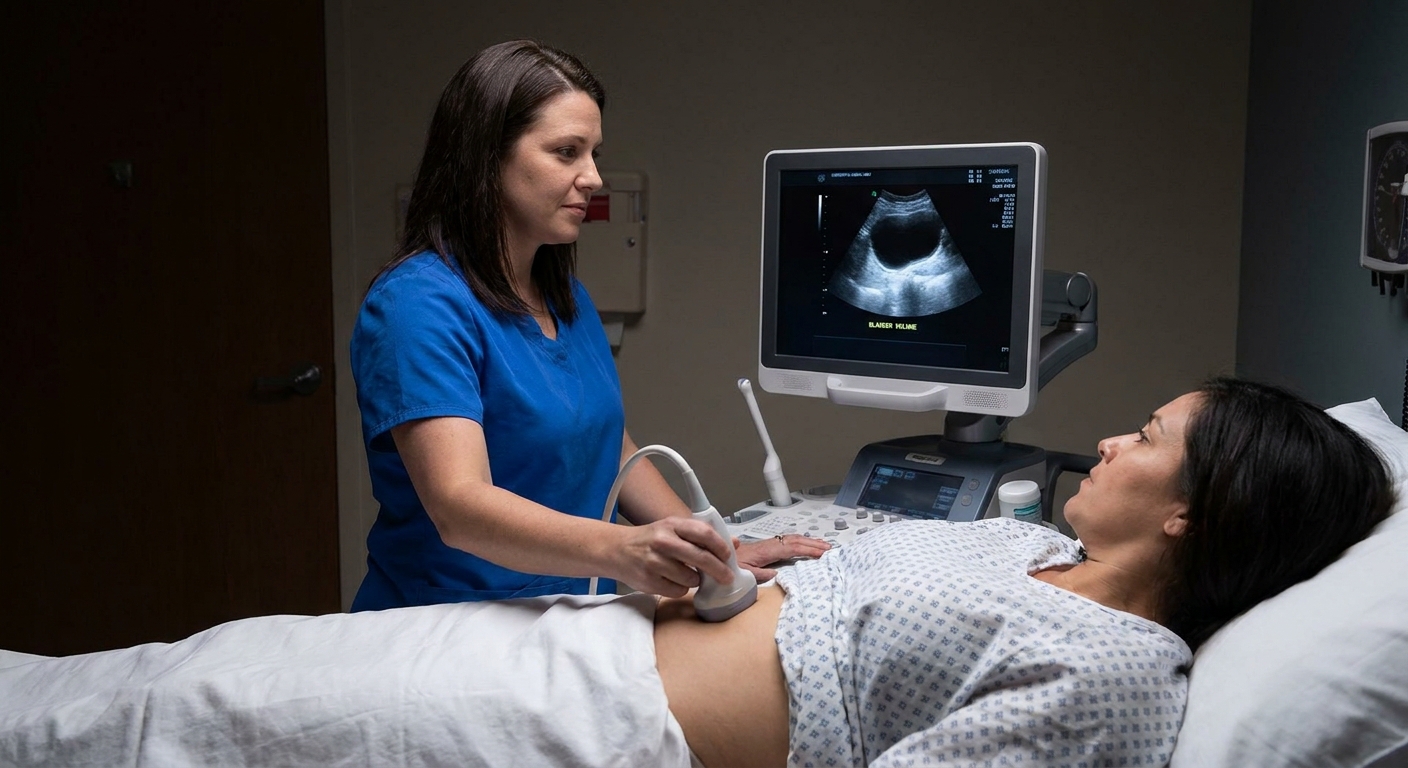
Ultrasound
A bladder and kidney ultrasound can sometimes show a pouch connected to the bladder, along with clues like:
- Urine left behind after you void (post-void residual)
- Bladder stones
- Changes in the kidneys if urine backup has been an issue
Ultrasound is painless and does not use radiation. It’s often a first step, especially when incomplete emptying or recurrent infections are part of the picture.
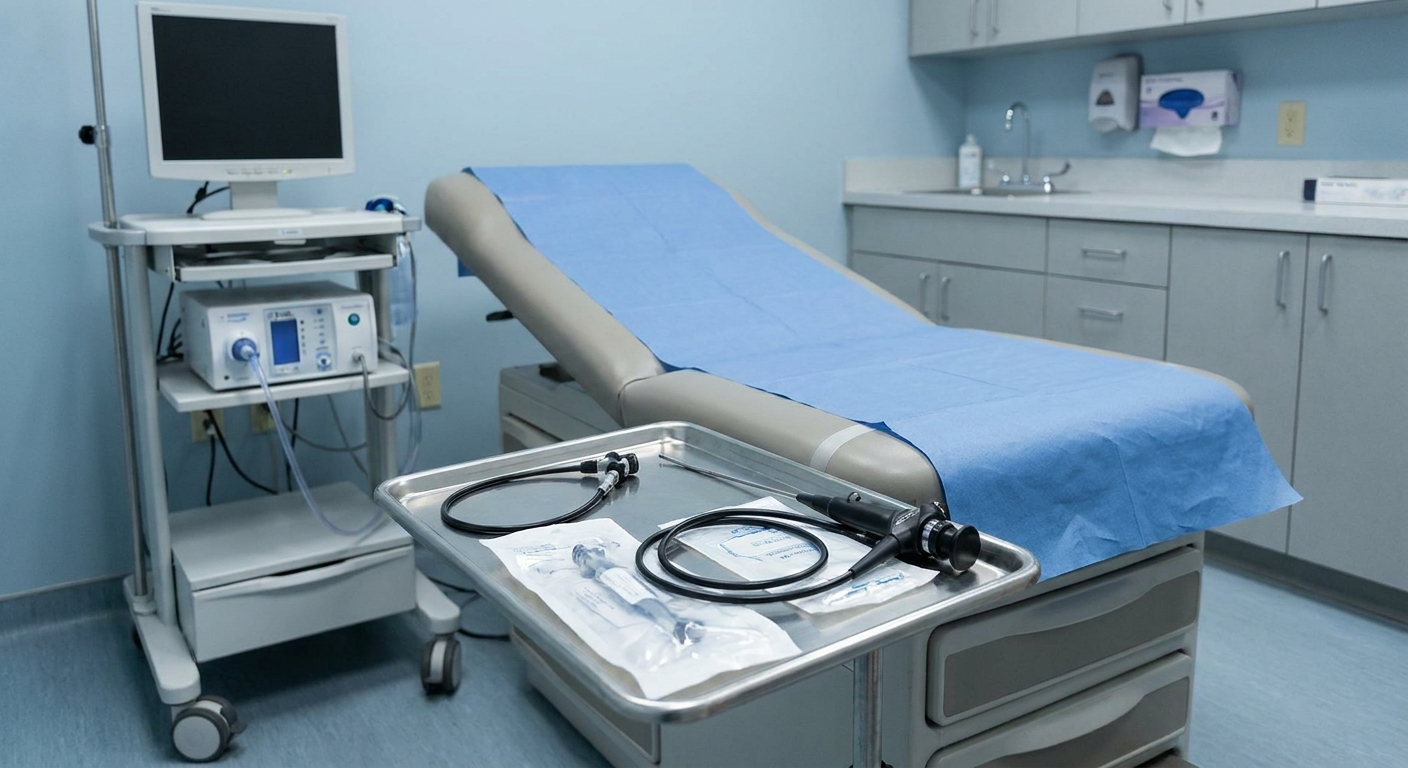
Cystoscopy
A cystoscopy is a procedure where a urology clinician uses a thin camera to look inside the urethra and bladder. It can:
- Identify the opening (neck) of a diverticulum
- Help evaluate inflammation, stones, or suspicious tissue
- Assess the bladder lining more directly than ultrasound can
If your clinician is concerned about blood in the urine, a possible tumor, or complex anatomy, cystoscopy is often part of the evaluation because it allows direct inspection.
Other tests you might hear about
- CT urogram or other CT imaging: may be used to evaluate blood in the urine, stones, or anatomy in more detail.
- Voiding cystourethrogram (VCUG): an imaging study that looks at the bladder while it fills and empties, sometimes used to see how urine flows and whether it enters a diverticulum.
- Urodynamic testing: evaluates bladder pressures and function, helpful when emptying problems are not straightforward.
Why bladder emptying drives treatment
If you remember one thing from this article, let it be this: treatment decisions are often based on how well the bladder empties and what complications are happening.
A diverticulum frequently shows up in the context of bladder outlet obstruction, meaning the bladder has been pushing against resistance for a long time. In men, a common cause is an enlarged prostate, but obstruction can have other causes too.
If the underlying emptying problem is not addressed, symptoms and complications often persist, even if the diverticulum itself is treated.
Treatment options
There is no single best treatment for everyone. Management depends on symptoms, size and location of the diverticulum, whether there are stones or infections, and whether there is concern for abnormal tissue.
Observation (watchful waiting)
If the diverticulum is not causing problems, your clinician may recommend monitoring. This can include periodic check-ins, urine testing if symptoms arise, and imaging or cystoscopy if the situation changes.
Treating the cause of poor emptying
If bladder outlet obstruction or retention is part of the picture, treatment may focus on improving flow and emptying, for example:
- Medications that improve urination in men with prostate enlargement
- Procedures to relieve obstruction when appropriate
- Addressing urethral narrowing or other structural causes
- Bladder training or pelvic floor therapy in select situations
For some people, improving emptying reduces infections and irritation and makes the diverticulum less of an ongoing issue.
Managing complications
- UTIs: treated with antibiotics when appropriate, along with evaluation of why infections keep recurring.
- Bladder stones: may need removal, and preventing recurrence often comes back to improving emptying.
Surgery to remove the diverticulum (diverticulectomy)
Surgery may be recommended if you have persistent symptoms, repeated infections, stones within the diverticulum, significant urinary retention, or concern for cancer. The approach can vary, including open, laparoscopic, or robotic-assisted techniques, depending on the case and the surgical team.
If obstruction is present, a clinician may address it before or at the same time as diverticulum surgery, because both problems can be connected.
When to seek care urgently
Please seek urgent medical care or contact your clinician promptly if you have:
- Visible blood in the urine, especially if it is new or persistent
- Fever, chills, flank pain, or feeling very ill with urinary symptoms (possible kidney infection)
- Inability to urinate with discomfort or lower abdominal swelling (possible acute urinary retention)
- Severe pain with urination or suspected stone symptoms
These symptoms do not automatically mean a diverticulum is the cause, but they do warrant timely evaluation.
Questions I encourage patients to ask
If you have been told you have a bladder diverticulum, these questions can help you understand the plan:
- Do you think this diverticulum is congenital or acquired?
- Am I emptying my bladder fully? What was my post-void residual?
- Is there evidence of obstruction, and what is causing it?
- Do you see any stones or suspicious areas that need biopsy?
- Should I have cystoscopy, and what are you looking for?
- What symptoms should prompt me to call you sooner?
FAQ
Is a bladder diverticulum the same as a bladder prolapse?
No. A bladder diverticulum is a pouch in the bladder wall. A bladder prolapse (cystocele) is when the bladder drops toward the vagina due to pelvic floor support changes.
Can a bladder diverticulum go away on its own?
Typically, no. If it is acquired due to long-term pressure from obstruction, treating the obstruction can improve symptoms and reduce complications, but the pouch itself usually remains unless surgically removed.
Does everyone with a bladder diverticulum need surgery?
No. Many people do well with monitoring, especially if they have no infections, no stones, no significant urinary retention, and no concerning findings on evaluation.
Can a diverticulum cause chronic urinary retention?
It can contribute, but more often it is a sign that the bladder has been working against obstruction. That’s why clinicians focus so much on measuring emptying and identifying the underlying cause.
Bottom line
A bladder diverticulum is a pouch that bulges out from the bladder wall. The main concern is what can happen inside that pocket, such as urine trapping, recurrent infections, and stone formation. Rarely, it can also hide a tumor, which is why evaluation matters when symptoms like blood in the urine show up.
Ultrasound and cystoscopy are common ways to find and assess a diverticulum. And in many cases, the most important driver of treatment is simple but powerful: how well your bladder empties, and what complications are occurring.