I still remember a patient from early in my clinic years sliding a little notebook across the exam room table. Inside were dates, symptoms, antibiotics, and the same exhausted sentence written more than once: “It’s back.” If you are living that loop, I want you to know two things. First, you are not alone. Second, recurring urinary tract infections are something clinicians can often evaluate and prevent, especially when we get specific about what is actually happening.
Most “UTIs that keep coming back” are recurrent bladder infections, also called recurrent cystitis. The key is confirming that they are truly infections, ideally with urine cultures when feasible, and then figuring out why your bladder keeps getting vulnerable.

What counts as a recurrent UTI?
In clinical practice, recurrent UTIs are often defined as:
- Two or more bladder infections in 6 months, or
- Three or more bladder infections in 12 months.
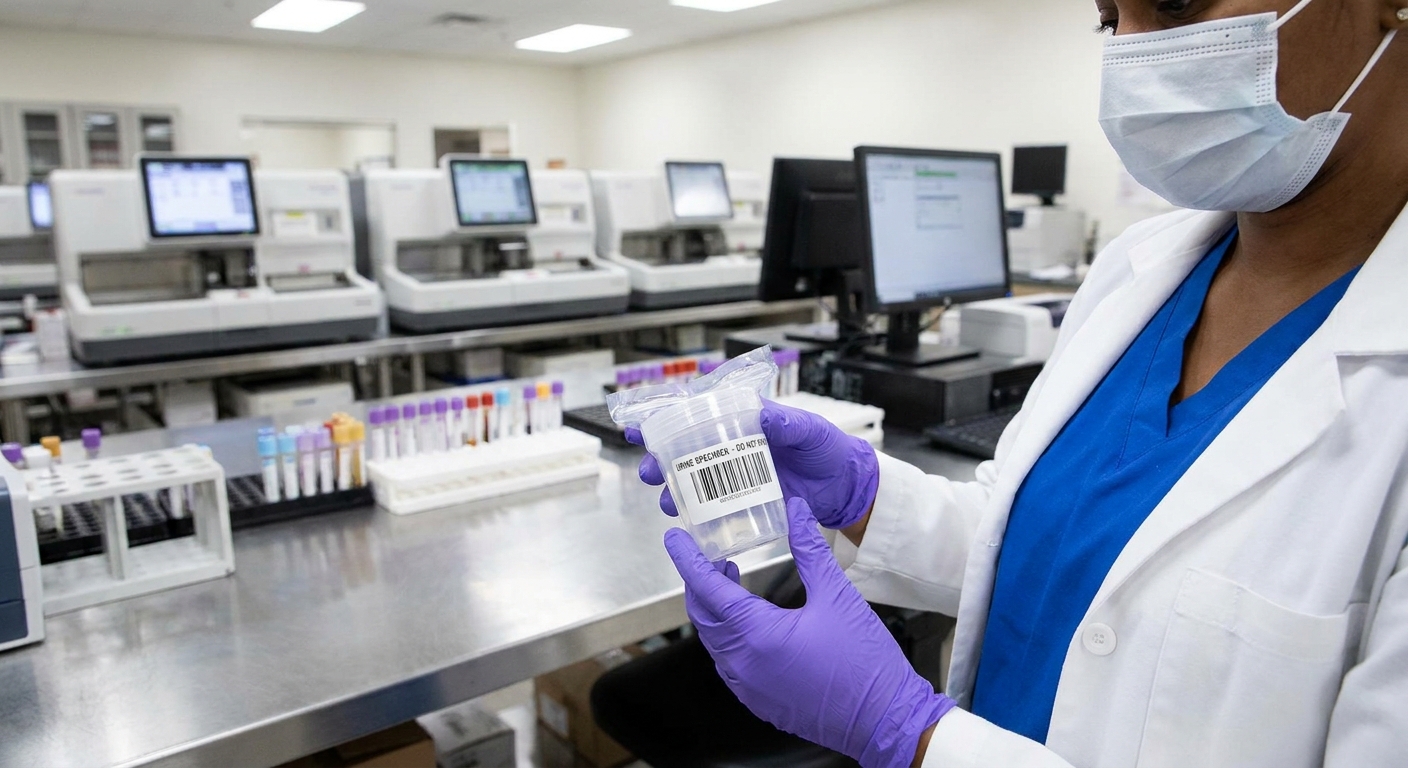
When possible, having episodes be culture-proven matters. Burning, urgency, and frequency can come from other conditions too, like vaginal infections, irritation from products, pelvic floor dysfunction, urethral irritation, or bladder pain syndrome. If each episode is treated based only on symptoms (or a dipstick), it is easy to miss the real pattern.
Reinfection vs relapse
When clinicians evaluate repeat UTIs, we try to determine whether you are dealing with reinfection or relapse.
Reinfection
This is the most common scenario. A reinfection is a new infection, often from bacteria that normally live in the gut (especially E. coli) that reach the urethra and bladder again. Reinfections can be triggered by sex, changes in vaginal tissue, or other factors that make it easier for bacteria to take hold.
Relapse
A relapse means the same infection never fully cleared, and it flares again. Clinically, relapse is more likely when symptoms return quickly after treatment, often within about 2 weeks of finishing antibiotics, and a urine culture shows the same organism with a similar resistance pattern.
Why it matters: a likely relapse pushes us to look harder for a hidden source of bacteria or a reason antibiotics are not reaching the problem, such as a stone, a structural issue, or urinary retention.
Why UTIs keep coming back
1) Timing after sex
If your symptoms reliably show up within a day or two after sex, that pattern is a major clue. Sex can move bacteria toward the urethra and irritate tissues, making it easier for bacteria to ascend into the bladder.
Things that can raise risk include:
- New or more frequent sexual activity
- Spermicides (including spermicide-coated condoms)
- Diaphragms used with spermicide
- Not enough lubrication, which can increase friction and irritation
2) Postmenopausal changes
After menopause, lower estrogen levels can thin and dry the tissues of the vagina and urethra. The vaginal microbiome also tends to change, often with fewer protective lactobacilli. The result can be more irritation, a higher vaginal pH, and an easier path for bacteria to cause infection.
This is one reason a person who never had UTIs earlier in life may suddenly start getting them in their 50s, 60s, or beyond.

Bladder emptying problems
Your bladder is designed to flush bacteria out. Anything that leads to urinary retention or an elevated post-void residual (urine left behind after you pee) can increase recurrence risk.
Incomplete emptying
Clinicians may consider this if you have a weak stream, hesitancy, dribbling, a feeling of not being empty, or frequent small voids.
Potential contributors include:
- Pelvic organ prolapse (in some women)
- Enlarged prostate (in men)
- Constipation putting pressure on the bladder or affecting pelvic floor function
- Neurologic conditions that affect bladder function
- Some medications that can contribute to urinary retention
Urinary stones
Kidney or bladder stones can act like a “home base” for bacteria, making infections harder to eradicate. Stones may be suspected if you have recurrent infections plus flank pain, nausea, or blood in the urine, or if cultures show certain bacteria repeatedly.
Other factors
Antibiotic resistance
If the bacteria are resistant to the antibiotic chosen, symptoms may improve briefly or not fully resolve. Urine cultures help match treatment to the organism and its susceptibility.
Conditions that mimic UTIs
Yeast infections, bacterial vaginosis, and sexually transmitted infections can cause burning and urinary discomfort. So can scented soaps, bath products, douches, and harsh wipes. If you keep having “UTI symptoms” with negative cultures, this becomes a bigger part of the conversation.
STI testing tends to matter even more if you have a new partner, new or unusual discharge, pelvic pain, bleeding after sex, or sores.
Diabetes and other health issues
High blood sugar can increase UTI risk and can also make infections harder to clear. Immune-suppressing conditions or medications can play a role too.
Workup basics
A good evaluation is usually less dramatic than people fear. It starts with details and, when possible, a culture.
Questions your clinician may ask
- How quickly symptoms return after antibiotics
- Whether episodes follow sex
- Any vaginal dryness, pain with sex, or new irritation
- Hydration habits and bathroom patterns
- Constipation, pelvic pressure, urinary leakage, or retention symptoms
- Any blood in urine, fevers, flank pain, or stone history
- Current contraception methods (especially spermicide)
Tests often used
- Urinalysis and urine culture during symptoms (and sometimes a “test of cure” in select cases)
- Review of prior cultures to see if the same organism keeps returning
- Pregnancy test when relevant, since treatment choices differ
- Post-void residual measurement (how much urine remains after you pee), often done with ultrasound
Imaging or specialist care
Not everyone needs imaging or a urology referral. Clinicians are more likely to consider ultrasound, CT, cystoscopy, or specialty evaluation if you have:
- Blood in the urine that persists
- Recurrent infections that look like relapses
- Concern for stones, obstruction, or structural problems
- Infections with unusual organisms
- Fever and back pain suggesting kidney involvement
- New recurrent UTIs in a man (which often need a different evaluation)
Cystitis vs kidney infection
Classic bladder infection symptoms are burning with urination, urgency, and frequent small voids. When an infection involves the kidneys (pyelonephritis), people are more likely to have fever, chills, back or flank pain, nausea or vomiting, or feel generally very ill. That difference affects how urgently you should be evaluated and which antibiotics are appropriate.
Prevention options
Prevention is individualized. The best plan depends on whether episodes are sex-associated, menopause-related, driven by incomplete emptying, or related to another underlying issue.
Low-risk habits
- Hydration: Enough fluid to keep urine pale yellow can help flush bacteria.
- Do not hold urine for long stretches when you can avoid it.
- Address constipation: Regular bowel habits can improve bladder emptying and pelvic floor coordination.
- Avoid spermicides if you are prone to UTIs.
- Gentle hygiene: Skip scented soaps and harsh wipes around the vulva. Warm water is often enough.
About peeing after sex: it is unlikely to be a magic shield, but it is a reasonable, low-risk habit that may help some people.
Vaginal estrogen
For postmenopausal recurrent UTIs, local vaginal estrogen is a well-supported option many clinicians discuss. It aims to improve tissue health and restore a more protective vaginal environment. It is not the same as systemic hormone therapy, and dosing is typically low.
Your clinician will help weigh benefits and risks based on your health history.
Supplements
- Cranberry: Some studies suggest certain cranberry products may reduce recurrence for some people by interfering with bacterial adherence. The effect is modest and product-dependent.
- D-mannose: Often used for recurrent E. coli UTIs. Evidence is evolving and not uniform, but some patients report benefit.
- Probiotics: Data varies. Vaginal and oral approaches have been studied, but results are inconsistent.
If you are pregnant, have kidney disease, take blood thinners, or have diabetes, check with your clinician before starting supplements.
Antibiotic prevention
If infections are frequent and well-documented, clinicians may consider antibiotic strategies such as:
- Postcoital prophylaxis: A single dose after sex for predictable, sex-associated UTIs.
- Patient-initiated therapy: A short course you start at the first clear signs, guided by prior cultures and a plan with your clinician.
- Continuous low-dose prophylaxis: Daily (or near-daily) low-dose antibiotics for a defined period in select cases.
These approaches can be effective, but they also carry downsides like yeast infections, gut side effects, and antibiotic resistance. That is why documenting episodes and following up matters.
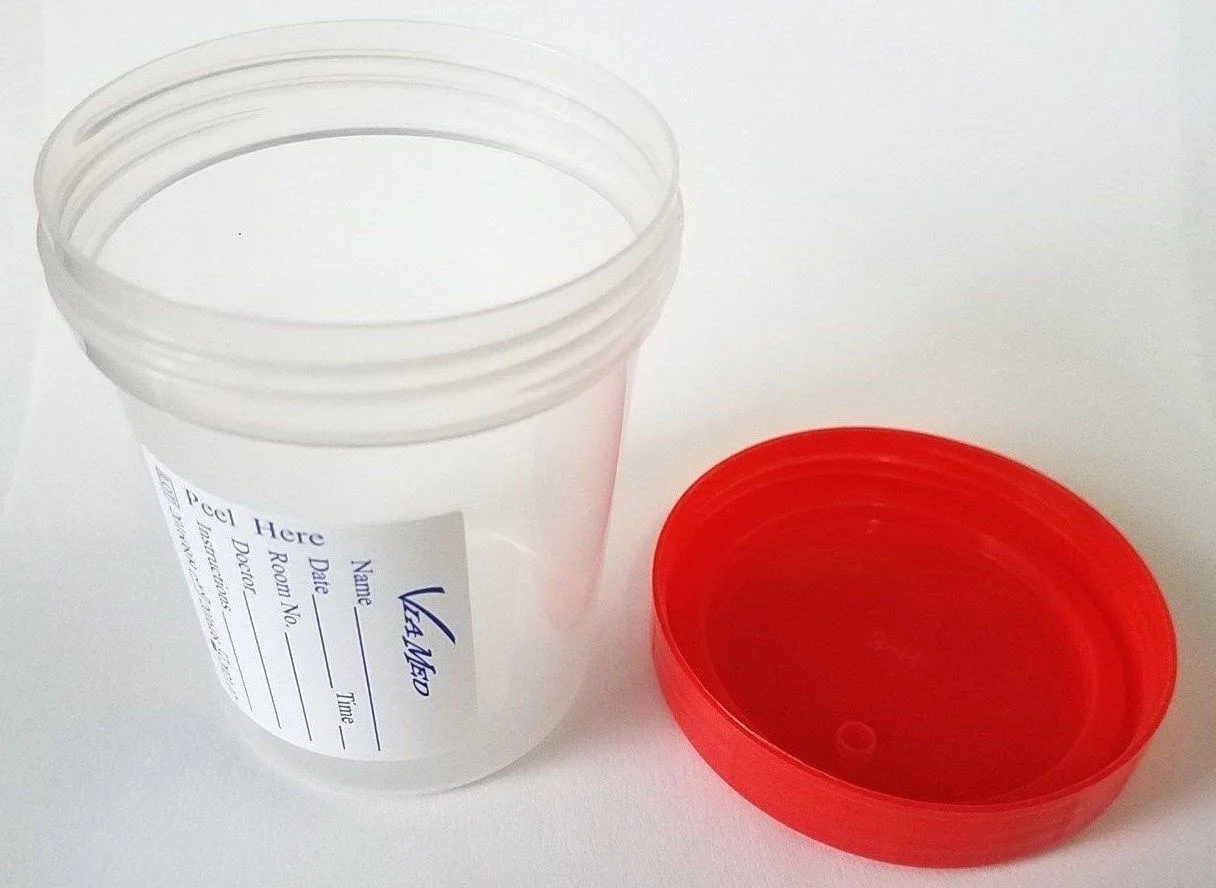
One nuance: ideally, you get a urine culture before antibiotics. In real life, that is not always possible. If you have a self-start plan, ask your clinician whether you should drop off a urine sample first (even if you start treatment the same day) so future decisions are based on culture data.
Methenamine hippurate
Some patients may be candidates for methenamine hippurate, a prescription medication that helps suppress bacterial growth in urine under the right conditions. It works best when urine is acidic and is generally used for prevention, not to treat an active infection. It is not appropriate for everyone, including some people with significant kidney problems, so it should be discussed with a clinician who can review your history and kidney function.
When to seek urgent care
Seek urgent care or same-day medical evaluation if you have:
- Fever, chills, or feeling very ill
- Back or flank pain (pain in your side below the ribs)
- Nausea or vomiting with UTI symptoms
- Pregnancy and any UTI symptoms
- Blood in the urine that is heavy, persistent, or accompanied by clots
- New confusion or marked weakness in an older adult
In older adults, confusion can have many causes and should not be automatically blamed on a UTI. It still deserves prompt medical evaluation, especially if it is new or severe.
Next steps
- Ask for a urine culture during symptoms, especially if this is not your first episode.
- Track timing of symptoms in relation to sex, your period (if applicable), new products, travel, dehydration, and constipation.
- Bring a list of antibiotics you have taken and whether they worked fully.
- Ask directly: “Does this look like reinfection or relapse based on my cultures?”
- If you are postmenopausal, ask whether vaginal estrogen is appropriate for you.
You deserve more than repeat prescriptions and finger-crossing. With good documentation and a prevention plan tailored to your risk factors, many people can break the cycle.
Frequently asked questions
Can stress cause a UTI?
Stress does not directly create bacteria in the bladder, but it can affect immune function, sleep, hydration habits, and pelvic floor tension, all of which can make symptoms feel worse or make you more vulnerable.
Why do I have symptoms but a negative culture?
This can happen if you took antibiotics before the sample, if the urine sample was not collected or transported properly, if bacteria counts are low, or if the cause is something other than a typical bladder infection. Possibilities include yeast or bacterial vaginosis, an STI, vulvar irritation, pelvic floor dysfunction, urethral syndrome, or bladder pain syndrome. A clinician can help sort this out with an exam when appropriate and targeted testing.
Do I need a urologist?
Many recurrent UTIs can be managed in primary care or gynecology, especially when they are straightforward reinfections. Referral is more likely when there are red flags like relapse patterns, blood in urine that persists, stones, urinary retention, or suspected obstruction.