I grew up in a rural area where you learned to “wait it out” because the nearest clinic was a long drive. Urinary symptoms were especially easy to ignore, until the discomfort became impossible or a fever showed up. After years in family practice, I can tell you this plainly: a bladder infection is common and treatable, but it is also worth taking seriously because it can sometimes move upward and become a kidney infection.

Let’s walk through what a bladder infection is, what it feels like, when blood in the urine can happen, and when you need urgent care.
Bladder infection basics
A bladder infection, also called cystitis, is a type of urinary tract infection (UTI) where bacteria infect the bladder. Most bladder infections are caused by bacteria from the gut (often E. coli) that enter the urethra and travel into the bladder.
When the bladder lining is irritated and inflamed, it can cause burning with urination and that persistent feeling that you need to go, even when very little comes out.
Is a bladder infection the same as a UTI?
“UTI” is the umbrella term. A bladder infection is a lower UTI. A kidney infection is an upper UTI and often causes more whole-body symptoms like fever and back or flank pain.
Common symptoms
Bladder infection symptoms can range from mildly annoying to intensely painful. Common symptoms include:
- Burning or pain with urination (dysuria)
- Frequent urination, including waking at night to go
- Urgency, the sudden strong need to urinate
- Passing small amounts despite feeling like your bladder is full
- Lower pelvic discomfort or pressure
- Cloudy urine
- Strong or unusual urine odor
Blood in the urine
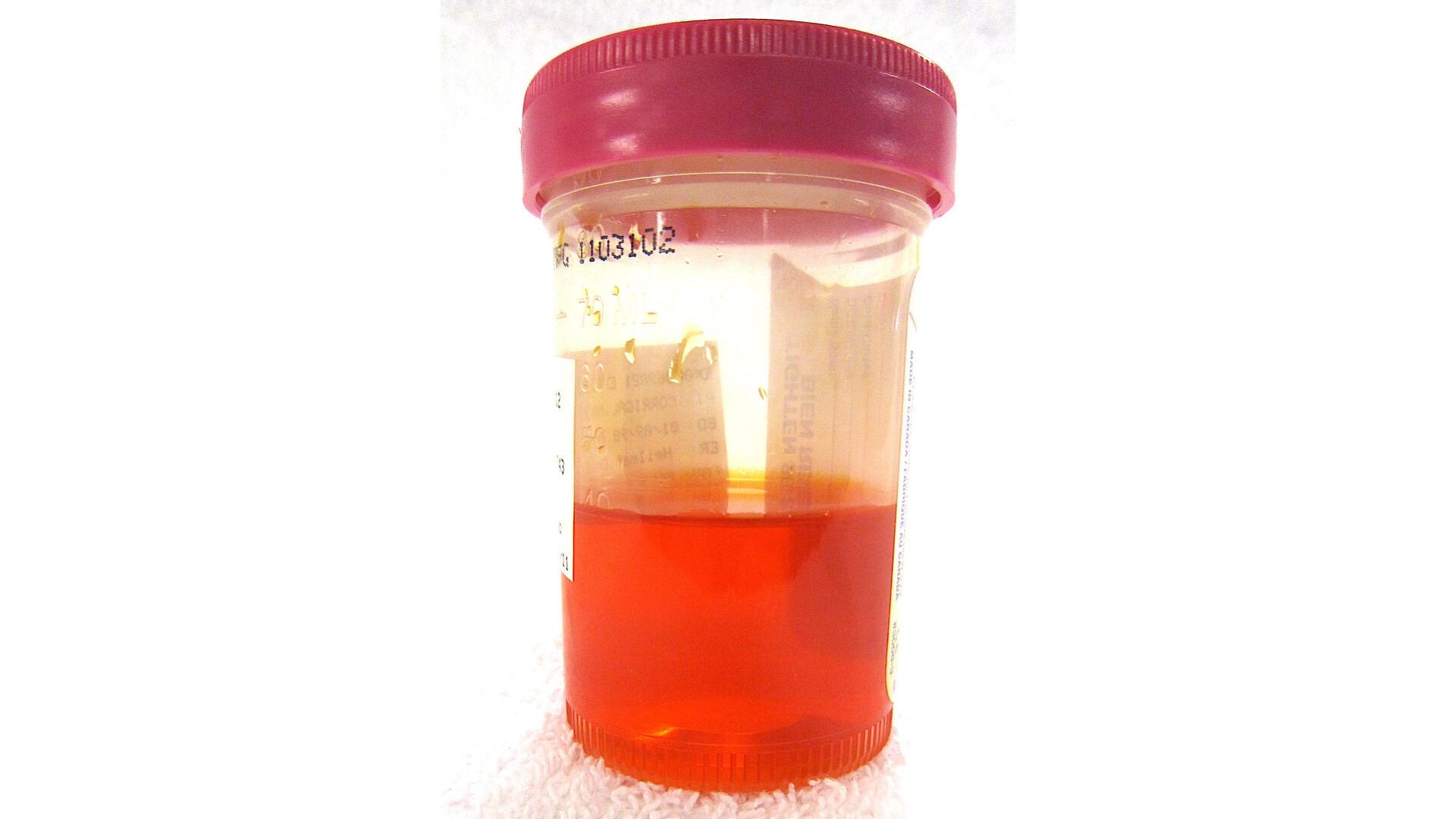
Yes, a bladder infection can cause blood in the urine. The inflamed bladder lining can bleed a little. You might notice:
- Pink or reddish urine
- Rust-colored urine
- Small clots
One important nuance from the exam room: visible clots are not typical for a simple, uncomplicated bladder infection. If you see clots, have heavy bleeding, cannot urinate, have significant pain, or you are feeling faint or very weak, get urgent evaluation. Even when blood is due to cystitis, it still deserves follow-up, especially if it is new for you, visible to the eye, or not improving quickly with treatment.
Also remember that not all blood in the urine is from infection. Stones can do it, and so can other conditions. If blood in the urine persists after symptoms improve, or keeps returning, you should be evaluated to make sure nothing else is being missed, particularly if you have a smoking history or are older.
Causes and risk factors
Bacteria are the primary cause. They typically enter through the urethra and multiply in the bladder. Certain situations make that more likely.
Risk factors
- Sexual activity, which can introduce bacteria into the urethra
- Being female, because the urethra is shorter and closer to the anus
- Pregnancy, which changes urinary flow and raises the stakes for complications
- Menopause, due to lower estrogen affecting vaginal and urethral tissues
- History of prior UTIs
- Diabetes or conditions that affect immune function
- Urinary retention or incomplete emptying (for example, enlarged prostate, constipation, certain medications, or neurologic conditions)
- Urinary catheters
- Kidney stones or structural urinary tract issues
Can dehydration cause a bladder infection?
Dehydration does not directly “cause” infection, but it can contribute by reducing urine flow. Regular urination helps flush bacteria out before they gain a foothold.
How it is diagnosed
In many healthy, nonpregnant adults with classic symptoms, clinicians may diagnose and treat based on symptoms alone, or symptoms plus a quick urine test. Practice varies by clinician and setting. The goal is to confirm infection and, when needed, identify the bacteria and the best antibiotic.
Urinalysis
A urinalysis (dipstick and sometimes microscopy) looks for clues such as:
- White blood cells (pyuria)
- Nitrites (some bacteria convert nitrates to nitrites)
- Leukocyte esterase (an enzyme associated with white blood cells)
- Red blood cells (blood in urine)
This test is quick and often done in urgent care or a primary care clinic.
When a urine culture helps
A urine culture grows bacteria from your urine to identify the specific organism and which antibiotics are likely to work. Cultures are especially helpful when:
- Symptoms are not typical or the diagnosis is uncertain
- You have recurrent UTIs
- The infection does not improve after starting treatment
- You are pregnant
- You have risk factors for a complicated UTI (for example, kidney disease, immune suppression, urinary tract abnormalities, an indwelling catheter)
- You are a man with UTI symptoms (often treated as complicated and may involve the prostate)
- You have symptoms suggesting the infection may have moved beyond the bladder
In plain terms: if this feels like your “usual” straightforward UTI and you are otherwise healthy, your clinician may not always need a culture. If anything about the situation is higher risk, persistent, or unusual, cultures matter.
When it may be in the kidneys
Sometimes a bladder infection can ascend from the bladder up the ureters to the kidneys. When that happens, symptoms often change and you can get sick quickly.
Get urgent care now
- Fever (often 100.4°F or 38°C or higher)
- Chills or shaking
- Flank pain (pain in your back or side, often beneath the ribs)
- Nausea or vomiting
- Feeling very ill or weak beyond urinary symptoms
Fever is a common warning sign, but it is not required. If you have flank pain, vomiting, or you feel systemically ill, take it seriously even if your temperature is normal. If you are pregnant, older, immunocompromised, or have kidney disease, do not wait to see if it passes.
If you have severe symptoms, cannot keep fluids down, are dehydrated, are confused, or you feel too ill to safely wait, the ER is the right place.

Treatment overview
Bladder infections caused by bacteria are typically treated with prescription antibiotics. The best choice depends on your symptoms, local resistance patterns, allergies, other medical conditions, pregnancy status, and sometimes urine culture results.
Readers often ask for specific drug names. There are common first-line options, but regimens vary by region and individual risk factors, so I do not list a one-size-fits-all antibiotic plan here. What I do strongly recommend: take antibiotics exactly as prescribed and finish the course, even if you feel better quickly.
What you can do at home while you wait
- Hydrate with water unless you were told to restrict fluids for another condition
- Urinate when you need to, do not hold it for long periods
- Avoid bladder irritants temporarily, such as alcohol, coffee, and very acidic drinks if they worsen burning
- Use heat (a warm compress or heating pad on low) for lower abdominal discomfort
About phenazopyridine (Azo)
Some people use over-the-counter phenazopyridine for short-term burning relief. It can help symptoms, but it does not treat the infection. It also turns urine orange and can mask worsening symptoms, so use it cautiously and only briefly. If you have kidney disease, are pregnant, or are unsure it is safe for you, ask a clinician before using it.
A quick word on “natural cures”
I am all for supportive care, but it is important to be honest: home remedies do not reliably eradicate a bacterial bladder infection. Cranberry products may help prevent some UTIs for some people, but they are not a dependable treatment once symptoms are in full swing. If you have significant burning, frequency, urgency, or blood in the urine, get evaluated.
How fast you should improve
Many people start to feel noticeably better within 24 to 48 hours of starting an appropriate antibiotic, although complete relief can take a few days.
Call your clinician promptly if
- You have no improvement within 48 hours
- Symptoms improve and then come back quickly
- You develop fever, chills, flank pain, nausea, or vomiting
- You notice worsening blood in the urine, clots, or difficulty urinating
Special situations
A straightforward cystitis story is not everyone’s story. I have a lower threshold for testing and follow-up in these groups:
- Pregnancy: UTIs are managed more aggressively to reduce complications. Do not self-treat or delay evaluation.
- Men: UTI symptoms are more likely to be complicated and may involve the prostate.
- Children: UTIs in kids need pediatric evaluation and, in some cases, additional workup.
- Immunocompromised people (including certain medications): seek care early and follow closely.
Prevention tips
Not every bladder infection is preventable, but these habits lower risk for many people:
- Hydrate regularly so you are urinating throughout the day
- Do not hold urine for long stretches when you can avoid it
- Urinate soon after sex if you are prone to post-sex UTIs
- Wipe front to back
- Avoid spermicides if you get frequent UTIs, since they can increase risk for some people
- Treat constipation, which can contribute to urinary retention
- If you are postmenopausal with recurrent UTIs, ask your clinician whether vaginal estrogen might be appropriate for you
Bladder infection FAQ
Can I have a bladder infection without burning?
Yes. Some people mainly notice frequency, urgency, pelvic pressure, or a general “off” feeling. Older adults may have less typical symptoms. A key caution: new confusion by itself has many possible causes and should be evaluated rather than assumed to be a UTI.
Is a bladder infection contagious?
No. The infection is in your urinary tract and is not spread by casual contact. Sex can be a trigger for UTIs in some people because of bacterial transfer, but that is different from being contagious.
What if my urine test is negative but I still have symptoms?
This can happen. Timing, hydration level, and test sensitivity matter. Also, not all causes of urinary burning are bacterial cystitis. Vaginal infections, sexually transmitted infections, bladder irritation, stones, and other conditions can mimic UTIs. If symptoms persist, you deserve a more complete evaluation.
When should I go to the ER?
Seek emergency care if you have severe flank pain, high fever, persistent vomiting, confusion, signs of dehydration, pregnancy with concerning symptoms, heavy bleeding or clots in the urine, trouble urinating, or you feel too ill to safely wait for an appointment.
The bottom line
A bladder infection is a common lower urinary tract infection that can cause burning, frequency, urgency, pelvic discomfort, and sometimes blood in the urine. Most cases improve quickly with the right treatment, but flank pain, vomiting, or feeling systemically ill are red flags that the infection may no longer be limited to the bladder, even if you do not have a fever. If your symptoms are intense, recurrent, include clots, or are not improving within a couple of days of treatment, follow up promptly.