Acute urinary retention is exactly what it sounds like: a sudden inability to empty your bladder, even when you feel like you really need to go. It is often intensely uncomfortable, and it is one of those symptoms I consider an “act now” situation in clinic. The good news is that relief is usually quick once the bladder is safely drained. The important part is not waiting too long, because backed up urine can start to affect the kidneys.
What it means
Acute urinary retention (AUR) happens when urine cannot leave the bladder. The bladder continues filling, pressure builds, and you may be unable to pass any urine at all or only pass a few drops.
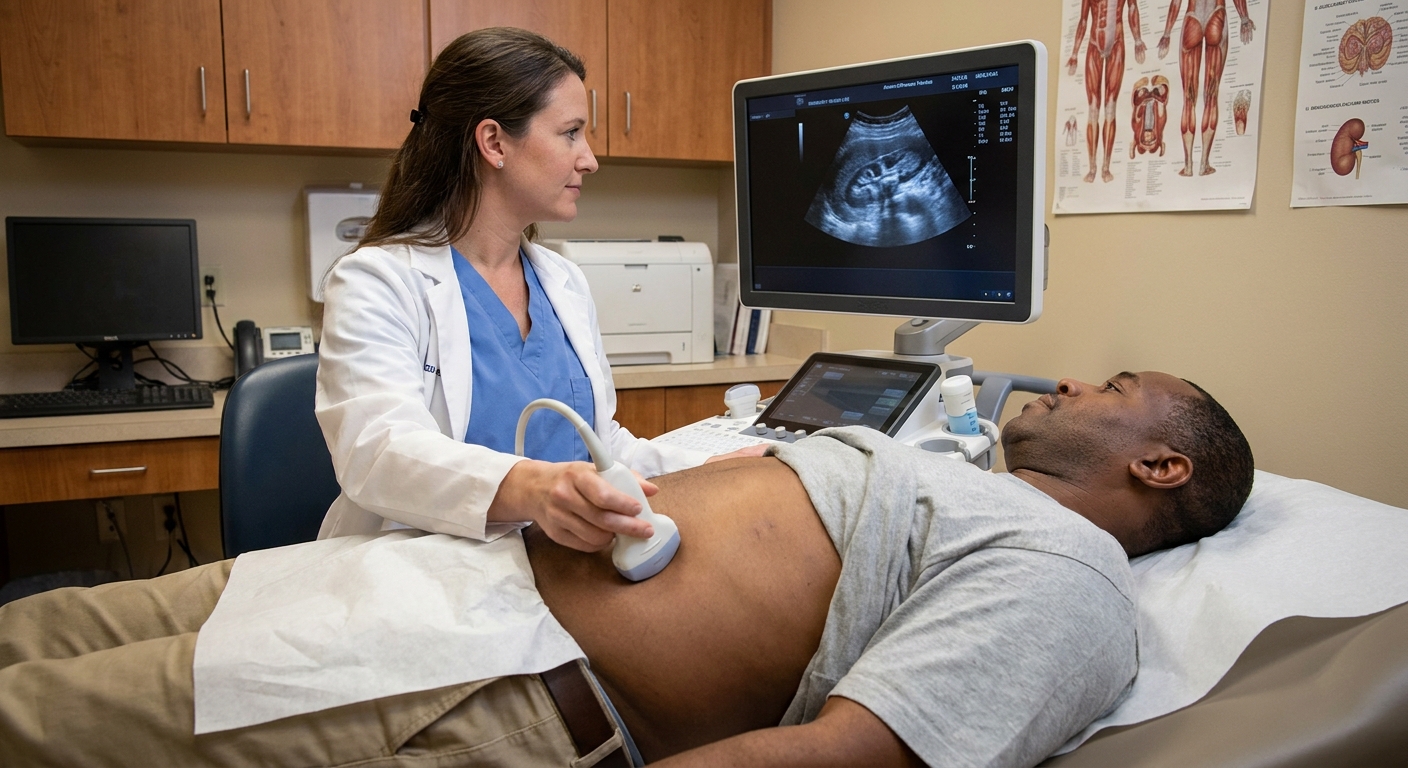
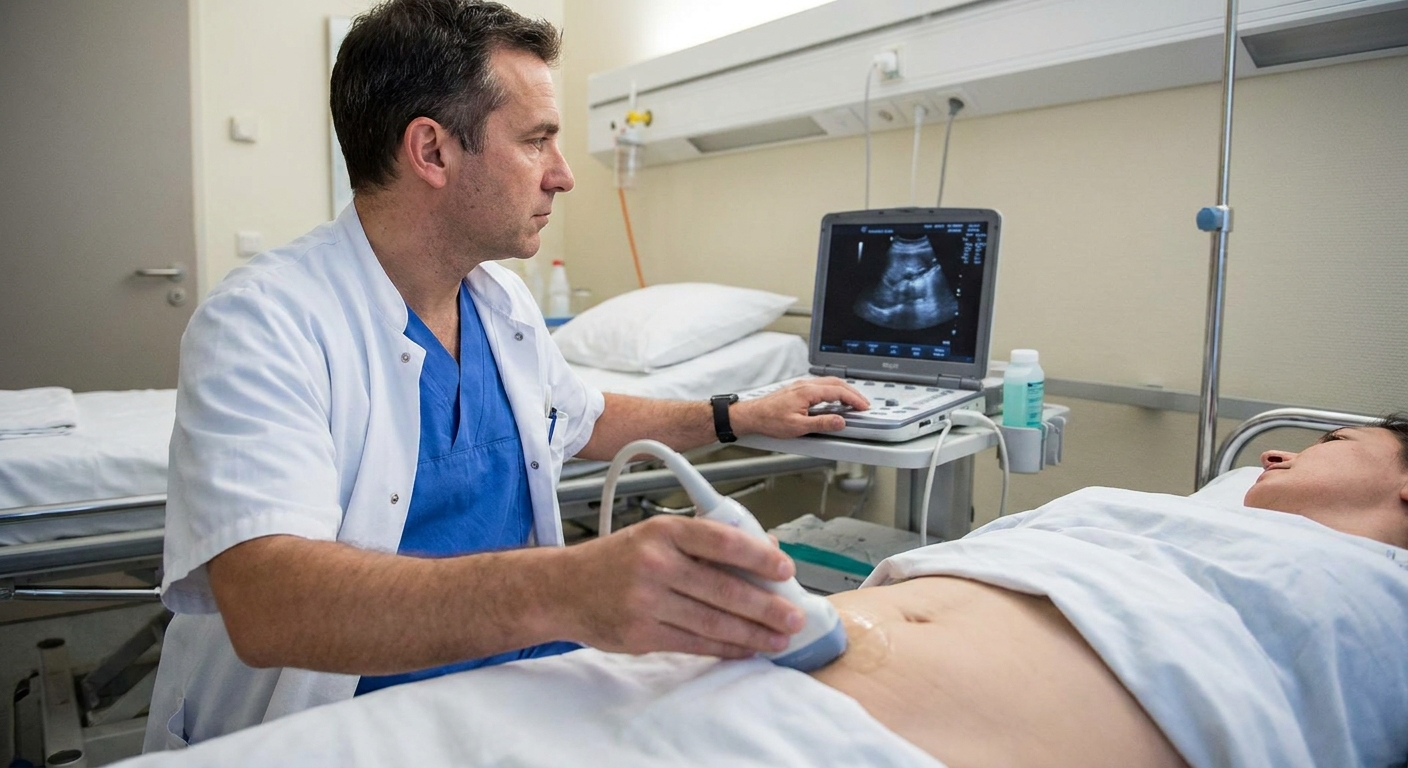
Clinically, we often confirm this by checking how much urine is sitting in the bladder after you try to urinate. This can be done with a bladder scan, which is a quick, noninvasive ultrasound over the lower belly. In acute retention, it commonly shows a very full bladder.
Acute urinary retention is different from chronic urinary retention, which develops gradually over time and may cause milder symptoms like frequent urination, weak stream, or feeling like you never fully empty.
Common symptoms
People describe AUR in a few classic ways. The exact pattern depends on the cause, but these are the symptoms I listen for:
- Sudden inability to urinate, despite feeling the urge
- Lower abdominal pain or pressure, often centered just above the pubic bone
- Visible or noticeable lower belly swelling from a distended bladder
- Severe urgency and discomfort that keeps getting worse
- Restlessness, sweating, nausea, or feeling generally unwell from pain
- Dribbling or only passing a small amount of urine
If you have acute urinary retention with fever, back or flank pain, vomiting, confusion, severe weakness, or blood clots in the urine, seek urgent care right away.
Why it is urgent
Your urinary tract is designed as a one-way flow system: kidneys make urine, urine travels down the ureters, the bladder stores it, and the urethra releases it. When the “exit” is blocked or the bladder cannot contract properly, pressure can build upstream.
How it can affect the kidneys
If urine cannot drain, bladder pressure can transmit backward toward the kidneys. This can lead to hydronephrosis, which is swelling of the kidney due to backed up urine. Over time, sustained pressure can reduce kidney function. In more severe cases, acute kidney injury can lead to problems such as high potassium, and infection risk can rise if bacteria are involved.
Not every short-lived episode causes kidney damage, but painful complete retention should be treated quickly to protect the bladder and kidneys and to find the cause.
What causes it?
Think of acute urinary retention as having a few main “buckets” of causes: blockage, inflammation, nerve or muscle problems, and medication effects. Sometimes more than one factor is present.
1) Blockage at or below the bladder
- Enlarged prostate (BPH): In people with a prostate, benign growth of prostate tissue is one of the most common triggers, especially as men age.
- Urethral stricture: A narrowing of the urethra from scarring, prior procedures, injury, or infection.
- Stones (especially bladder or urethral stones): Stones can obstruct urine flow. Kidney stones more often cause ureter blockage and severe flank pain, but stones that lodge at the bladder outlet or in the urethra can trigger true retention.
- Constipation or fecal impaction: A very full rectum can press on the bladder outlet and worsen urinary retention.
- Pelvic organ prolapse: In some women, a bladder or uterine prolapse can kink or obstruct urine flow.
- Tumors or pelvic masses: Less common, but important not to miss.
2) Blood clots
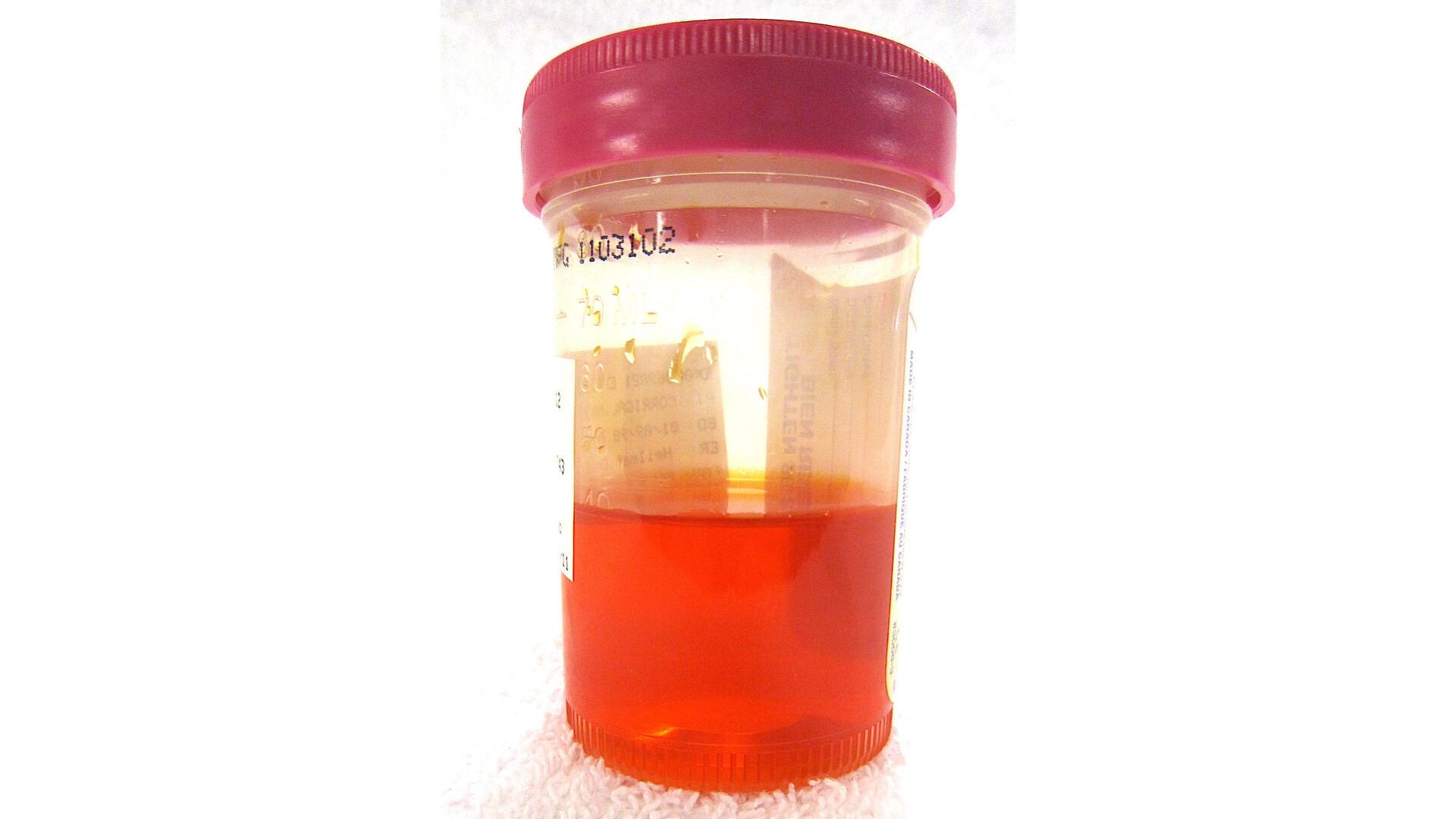
Clots in the bladder can physically block urine from draining, similar to a plug. This may happen with significant blood in the urine (hematuria) due to infection, stones, inflammation, enlarged prostate bleeding, trauma, or other causes. People often notice red or tea-colored urine, or they pass clots that look like dark, jelly-like pieces.
3) Inflammation and swelling
- Prostatitis: This is a classic cause in men. The prostate can swell and obstruct the outlet, and symptoms often include pelvic pain, fever, and painful urination.
- Severe urinary tract infection: Retention is less typical with uncomplicated bladder infections, but significant inflammation, severe pain, or complicated infection can contribute to difficulty emptying.
- After surgery: Postoperative urinary retention is common, often related to anesthesia effects, opioids, immobility, and increased sympathetic tone. Swelling and pain can add to the problem, depending on the procedure.
4) Nerve or muscle issues
The bladder is controlled by a coordinated conversation between muscles and nerves. If that conversation breaks down, the bladder may not squeeze effectively.
- Spinal cord conditions, nerve injuries, or diseases affecting nerves (including diabetic neuropathy)
- Multiple sclerosis and other neurologic disorders
- Stroke (in some cases)
5) Medications that can “shut down” bladder emptying
This is a big one, and it surprises many people. Several medication classes can reduce bladder contraction or tighten the bladder outlet. Examples include:
- Anticholinergics (used for overactive bladder, motion sickness, some GI issues)
- Antihistamines (some cold and allergy medicines)
- Decongestants containing sympathomimetics (often in cold remedies)
- Tricyclic antidepressants
- Opioid pain medicines
- Some antipsychotics
If urinary retention begins soon after starting, stopping, or increasing a medication, that timing matters. Do not discontinue prescription medicines on your own, but do tell a clinician immediately.
6) Pregnancy and postpartum factors
I also want to name this clearly: women can develop acute urinary retention during pregnancy or after delivery. Triggers can include epidural anesthesia, perineal trauma or swelling, pain that makes it hard to relax pelvic muscles, and a temporarily “sleepy” bladder after birth. If you cannot urinate postpartum, do not try to tough it out. Call your obstetric team or go in to be evaluated.
How it is treated
Treatment has two goals: relieve the immediate pressure and identify and address the cause so it does not happen again.
Immediate relief: draining the bladder
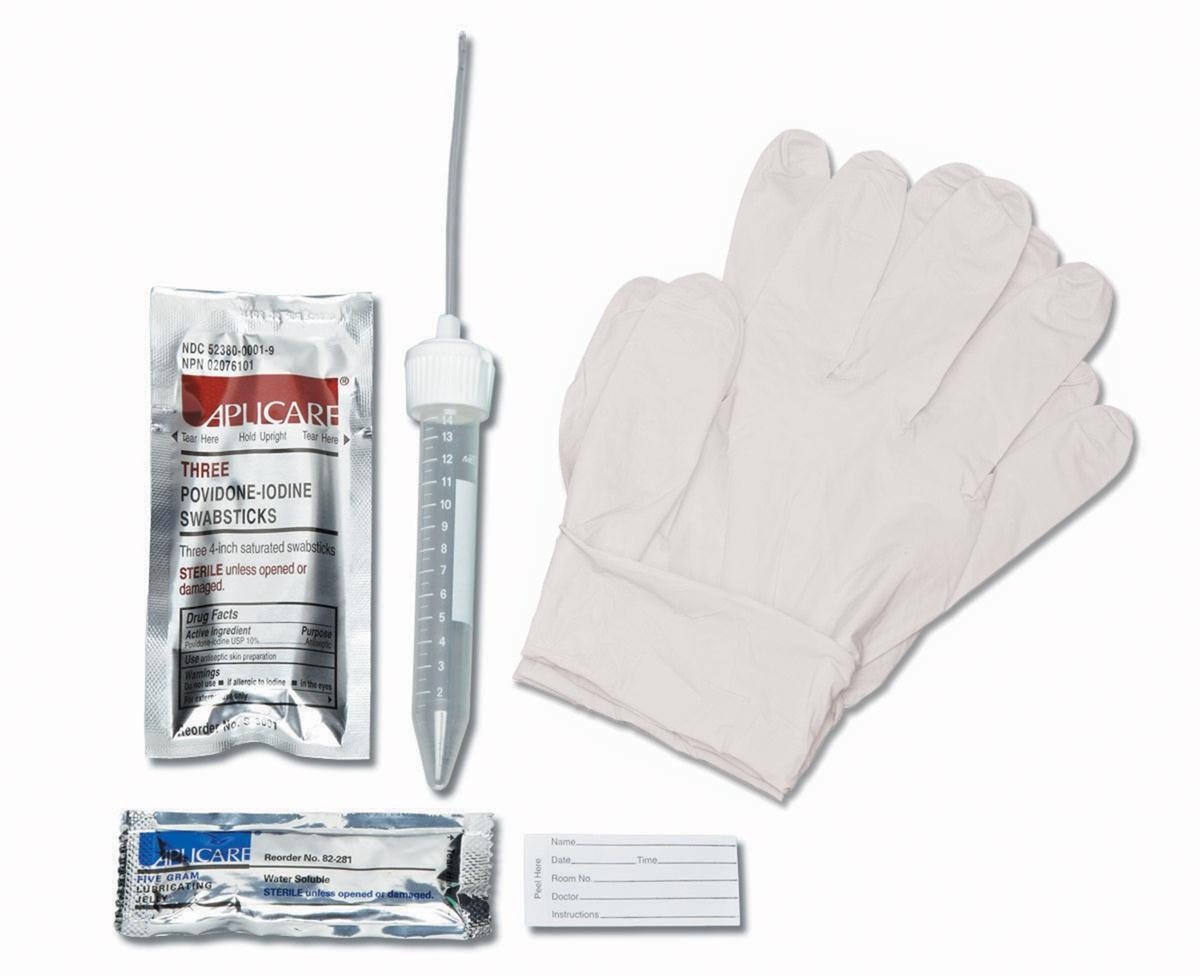
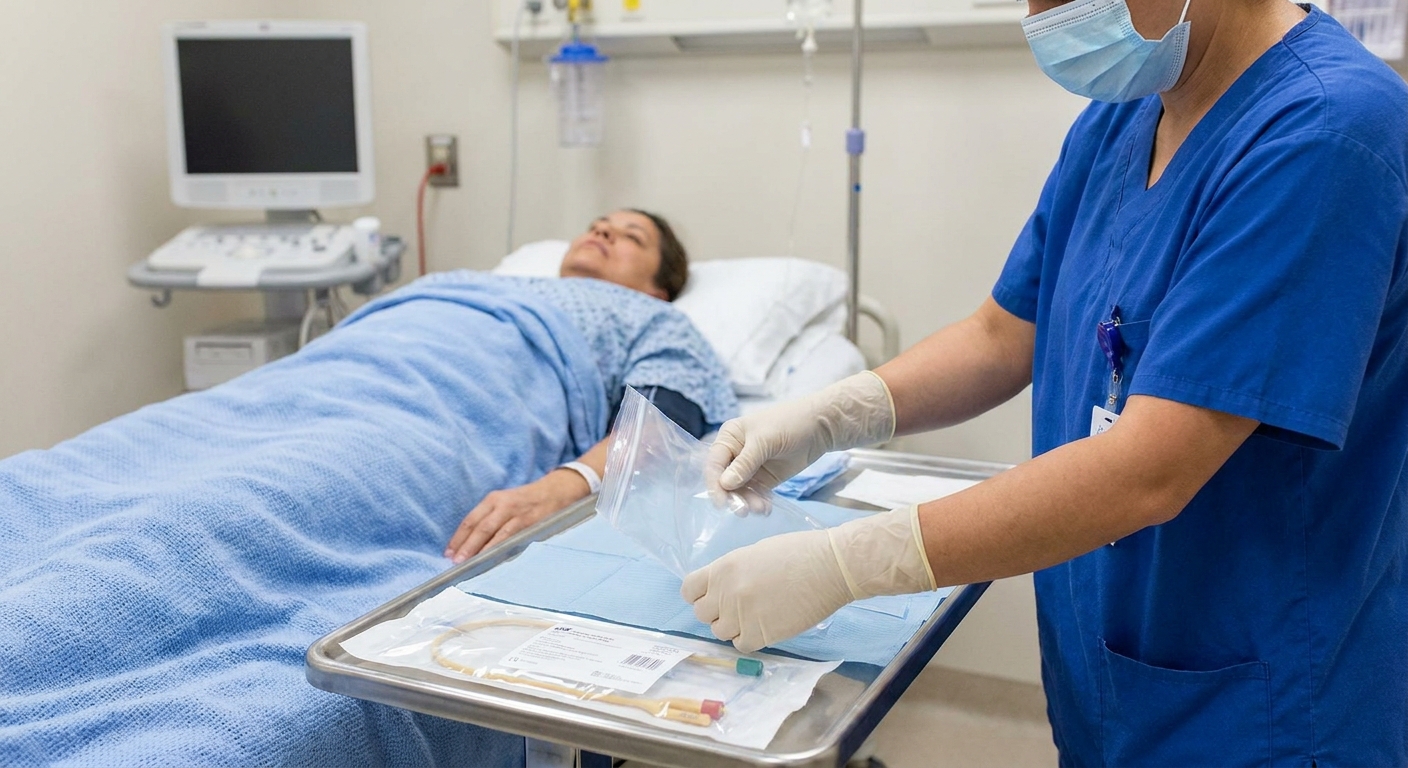
The fastest, most reliable way to relieve acute urinary retention is usually a urinary catheter. A thin, flexible tube is placed through the urethra into the bladder to allow urine to drain. For most patients, the pain and pressure improve dramatically once urine starts flowing.
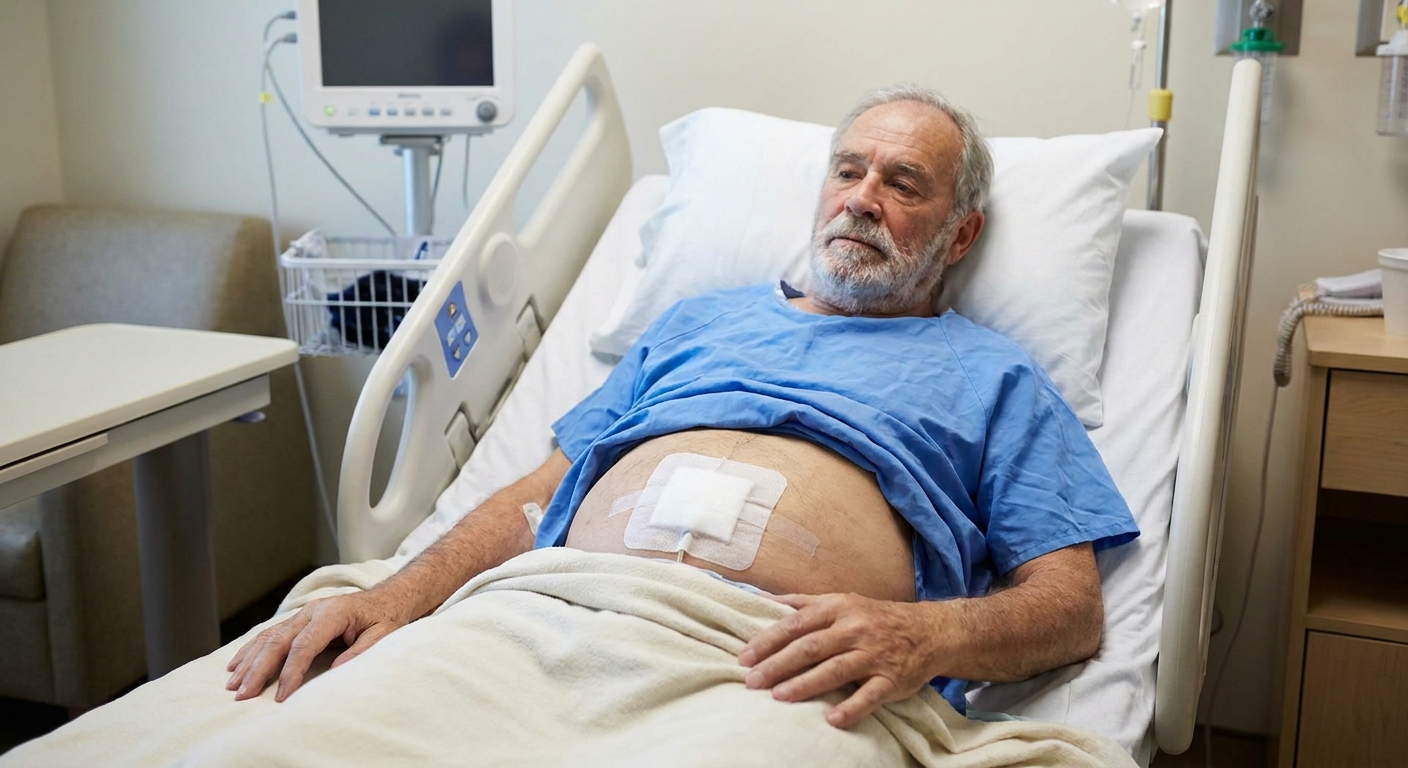
In some situations, if a urethral catheter cannot be placed safely or comfortably, a clinician may recommend a suprapubic catheter, which is inserted through the lower abdomen directly into the bladder under sterile technique.
What happens after drainage
Once the bladder is drained, the next steps depend on the suspected cause and your overall health. Common elements of evaluation and follow-up include:
- Focused exam, including checking for constipation and (in men) assessing the prostate when appropriate
- Urinalysis and sometimes urine culture to look for infection or blood
- Blood tests if there is concern for kidney strain or infection
- Medication review to identify possible triggers
- Imaging when needed, such as kidney and bladder ultrasound if hydronephrosis is a concern
Targeting the cause
- Enlarged prostate: Medications like alpha blockers are commonly used, and urology follow-up is often recommended. Some patients need procedures if obstruction is severe or recurrent.
- Clot retention: This may require bladder irrigation and treatment of the bleeding source, often with urology involvement.
- Infection: Antibiotics may be needed, especially with prostatitis or complicated infection.
- Constipation: Treating constipation can significantly improve bladder emptying.
- Neurologic causes: Management can include bladder training strategies, medication adjustments, intermittent self-catheterization for some patients, and specialty care.
When to get emergency care
If you cannot urinate and you are in pain, treat that as an emergency. Seek emergency care right away if:
- You cannot pass urine at all and you feel increasing pressure or pain
- You have fever, chills, or feel severely ill
- You have severe back or flank pain
- You see significant blood in urine or you suspect clots
- You have known kidney disease, a single kidney, or a transplant kidney
- You develop new leg weakness, numbness, saddle anesthesia, or loss of bowel control along with urinary symptoms (this can signal cauda equina syndrome or spinal cord compression)
Even if pain is mild, a true inability to urinate for hours, especially with a visibly distended lower abdomen, deserves immediate medical attention.
What not to do at home
When someone is retaining urine, the instinct is often to “try harder” or “flush it out.” A few practical cautions while you are getting help:
- Do not force fluids to try to push urine out. A rapidly filling bladder can worsen pain and pressure.
- Do not take leftover antibiotics. They can mask symptoms and may be the wrong choice for the actual cause.
- Avoid adding new cold, allergy, sleep, or nausea meds until you are evaluated, especially products with antihistamines or decongestants.
- Do not ignore new neurologic symptoms (leg weakness, numbness, saddle anesthesia). That combination needs emergency evaluation.
Can it be prevented?
Not every episode is preventable, but you can lower the odds of recurrence by addressing the “usual suspects.” In primary care, these are practical prevention steps that often help:
- Review cold and allergy medications before using them, especially if you have prostate enlargement or prior urinary retention.
- Manage constipation proactively with hydration, fiber, movement, and clinician-guided laxatives when needed.
- Follow up for prostate symptoms like weak stream, straining, starting and stopping, or waking often at night to urinate.
- Stay on top of diabetes care to reduce nerve-related bladder problems over time.
- Seek care early for blood in urine, burning, fever, or pelvic pain.
FAQ
How long is too long to go without peeing?
There is no perfect universal number because it depends on fluid intake, kidney function, and whether you are truly unable to urinate versus simply not needing to. That said, painful inability to urinate, worsening pressure, or a visibly distended lower abdomen should not be waited out. If you suspect acute urinary retention, get evaluated urgently.
Will a catheter hurt?
Most people describe catheter placement as uncomfortable and strange rather than sharply painful, though it can sting. When the bladder is very full, the relief after drainage is often immediate and significant.
Can anxiety cause urinary retention?
Severe anxiety can make it hard to start urinating, especially in certain settings. However, true acute urinary retention is confirmed by measurable retained urine, usually with a bladder scan or a post-void residual (PVR) measurement. If you are in pain and cannot urinate, it is important not to assume it is anxiety without being checked.
Can women get acute urinary retention?
Yes. While enlarged prostate is a common cause in men, women can develop acute urinary retention from medications, constipation, pelvic organ prolapse, neurologic conditions, post-surgical issues, pregnancy or postpartum factors, infection, stones, or masses.
A final word from clinic
If you are reading this because you or someone you love cannot urinate and is uncomfortable, I want you to hear this clearly: you are not being dramatic. Acute urinary retention is painful and it can lead to complications if ignored. Getting prompt care is the right call. Once the bladder is decompressed and you are more comfortable, your care team can focus on the “why” and help prevent it from happening again.