In clinic, I often hear people call any urinary infection a “UTI,” and it is understandable. The symptoms can blur together, and when you feel miserable, the label is not the main concern. But pyelonephritis is different from a simple bladder infection because it involves an infection higher up in the urinary tract, in the kidney itself. That difference matters, because kidney infections can become serious more quickly and sometimes require imaging or hospital treatment.
Let’s walk through what pyelonephritis is, how it feels, how clinicians tell it apart from a bladder infection and from hydronephrosis (kidney swelling from urine not draining well), and when imaging is used to look for a blockage that antibiotics alone will not fix.

Pyelonephritis, explained simply
Pyelonephritis is a bacterial infection of the kidney and the upper urinary tract. Most commonly, bacteria start in the bladder and travel upward through the ureters (the tubes connecting the bladder to the kidneys). Less commonly, bacteria spread to the kidney through the bloodstream.
The most frequent culprit is E. coli, the same bacteria responsible for many bladder infections. The key difference is location and intensity: when the kidney tissue is inflamed and infected, people tend to feel systemically ill, not just uncomfortable.
Why kidney infections are taken seriously
Your kidneys are highly vascular organs. That means bacteria can sometimes enter the bloodstream and lead to sepsis, a life-threatening whole-body response to infection. Prompt treatment helps prevent complications and protects kidney function.
Symptoms: what a kidney infection feels like
Symptoms vary, but classic pyelonephritis often includes a mix of whole-body symptoms and urinary symptoms.
- Fever, often over 100.4°F (38°C)
- Chills or shaking chills
- Flank pain (pain in your back or side under the ribs), sometimes on one side
- Nausea or vomiting
- Urinary symptoms such as burning with urination, urgency, or frequency
- Strong-smelling urine can happen, but it is nonspecific and does not reliably diagnose infection
- Blood in the urine can occur, though it is not required
Some people, especially older adults, people with diabetes, or those with weakened immune systems, may not mount a high fever. Instead, they may have weakness, confusion, or a general “something is very wrong” feeling.

Kidney infection vs bladder infection
Both bladder infections (cystitis) and kidney infections (pyelonephritis) are types of UTIs, but they tend to look different clinically.
Bladder infection (cystitis)
- Burning with urination
- Urgency and frequency
- Lower pelvic discomfort or pressure
- Sometimes blood in urine
- Typically no fever and no true flank pain, although mild temperature elevation or vague discomfort can happen
Kidney infection (pyelonephritis)
- Fever and chills are common
- Flank pain is common
- Nausea and vomiting may occur
- Urinary symptoms may or may not be prominent
If someone has urinary symptoms plus fever, flank pain, or vomiting, clinicians start thinking “kidney,” not just “bladder,” and that typically changes the urgency and the antibiotic choice.
It is also worth saying out loud: not every fever and backache is a kidney infection. Viral illnesses, stomach bugs, and even muscle strain can overlap with these symptoms. That is exactly why urine testing (and, when needed, additional tests) can be so clarifying.
Pyelonephritis vs hydronephrosis
Hydronephrosis means the kidney is swollen because urine is not draining properly. It is a drainage problem, not a diagnosis of infection. It can be caused by:
- A kidney stone blocking the ureter
- Scar tissue or narrowing (stricture)
- Enlarged prostate
- Pregnancy-related compression
- Tumors or masses pressing on the urinary tract
Hydronephrosis can occur with or without infection. You can have hydronephrosis without bacteria, and you can have pyelonephritis without hydronephrosis.
When hydronephrosis becomes dangerous
The combination clinicians worry about most is infection plus obstruction, meaning bacteria are present and urine cannot drain well. An obstructed, infected kidney can deteriorate quickly and may require urgent drainage, not just antibiotics.

How doctors diagnose pyelonephritis
Diagnosis is usually based on symptoms plus urine testing, and sometimes blood tests or imaging depending on the situation.
Common tests
- Urinalysis: looks for white blood cells, nitrites, bacteria, and sometimes blood.
- Urine culture: identifies the specific bacteria and which antibiotics are likely to work. This is especially important for suspected kidney infection.
- Pregnancy test (when relevant): pregnancy changes antibiotic options and risk considerations.
- Blood tests: may be used to check kidney function, signs of systemic infection, or dehydration.
- Blood cultures: sometimes obtained if the person appears very ill, has high fever, low blood pressure, or other sepsis concerns.
In many straightforward cases, treatment begins before culture results return, then antibiotics are adjusted if needed.
When imaging is used
Many uncomplicated kidney infections in otherwise healthy, non-pregnant adults do not need imaging right away. Imaging is used when the care team needs to rule out problems that antibiotics cannot solve, especially blockage or complications.
In my own practice, the imaging question usually comes down to this: do I think there is an obstruction, or is this not behaving like a routine infection?
Imaging may be considered when:
- Symptoms are severe, or the person appears toxic
- There is concern for kidney stone or urinary obstruction
- The person is pregnant and there is severe illness, concern for obstruction or a stone, or poor improvement with treatment
- There are recurrent infections or known urinary tract abnormalities
- The person is immunocompromised
- There is diabetes with concern for complicated infection
- Fever or pain is not improving after about 48 to 72 hours of appropriate antibiotics
- There is concern for a kidney abscess or other complication
Common imaging tests
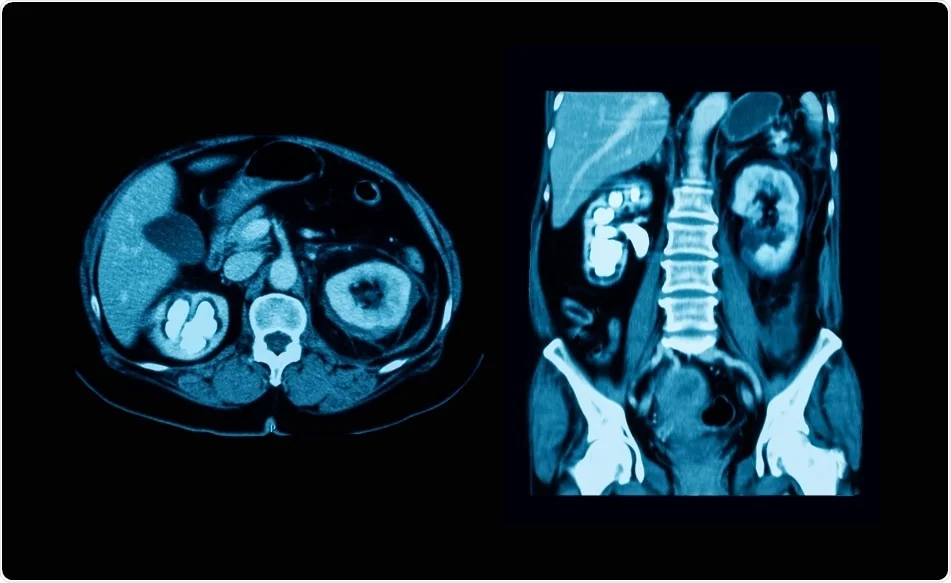
- CT scan of the abdomen and pelvis: often the most informative for stones, obstruction, and complications. Contrast may or may not be used depending on the question and kidney function.
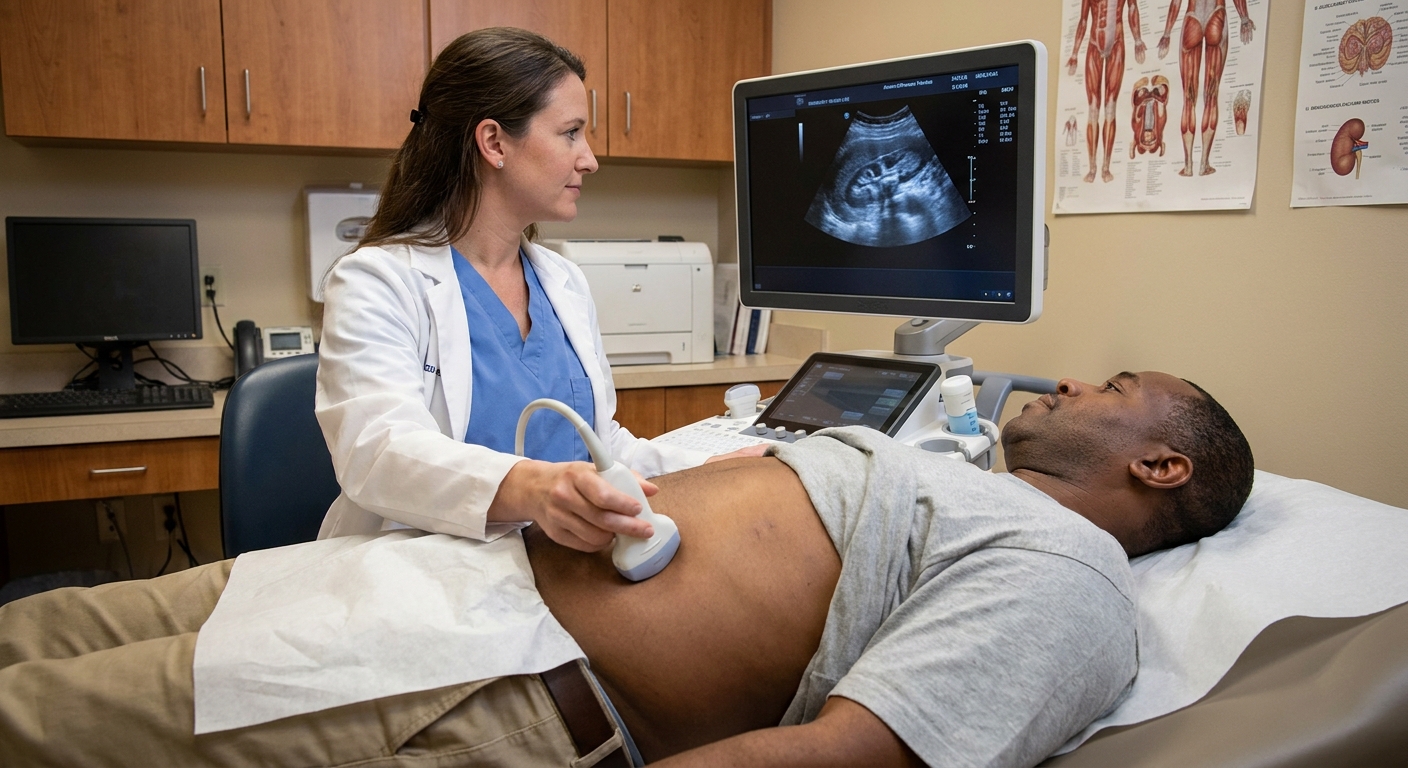
- Ultrasound: useful for detecting hydronephrosis and can be preferred in pregnancy or when avoiding radiation.
The key point I want you to remember is this: if the kidney is infected because urine cannot drain, antibiotics alone may not be enough. In those cases, the urgent fix is relieving the blockage, sometimes with a ureteral stent or a nephrostomy tube, alongside antibiotics.
Treatment: what usually helps
Pyelonephritis is treated with antibiotics. The type, dose, and route depend on how sick someone is, their pregnancy status, local antibiotic resistance patterns, and culture results.
Antibiotic duration varies by medication and by whether the case is uncomplicated or complicated. In general, courses often range from about 5 to 14 days, and longer treatment can be needed in complicated infections.
Outpatient treatment
If you can keep fluids down, your vital signs are stable, and you do not have high-risk features, you may be treated at home with oral antibiotics. Some patients receive an initial one-time antibiotic dose by injection or IV, then continue pills at home.
Hospital treatment
Hospital care is more likely when there is:
- Vomiting or inability to take oral medication
- Severe pain or dehydration
- Pregnancy
- Sepsis concerns (fast heart rate, low blood pressure, confusion)
- Kidney dysfunction
- Concern for obstruction or complications
Supportive care matters too: fluids, fever control, and nausea management can significantly improve how you feel while the antibiotics do their work.
When to seek urgent care
Trust your instincts. If you feel significantly worse than a typical bladder infection, it is worth being evaluated the same day.
Get urgent or emergency care if you have:
- Fever with flank pain
- Persistent vomiting
- Confusion, severe weakness, or fainting
- Rapid heartbeat, shortness of breath, or low blood pressure symptoms (dizziness when standing)
- Known kidney stone with fever or chills
- Pregnancy and UTI symptoms plus fever, back pain, or malaise
These can be signs of pyelonephritis, an obstructing stone with infection, or sepsis. All require prompt medical attention.
Who is at higher risk?
Anyone can develop pyelonephritis, but risk is higher if bacteria can more easily reach the kidneys or if urine drainage is impaired.
- History of frequent UTIs
- Pregnancy
- Kidney stones
- Enlarged prostate or urinary retention
- Diabetes
- Structural urinary tract differences, including reflux (urine flowing backward toward the kidneys)
- Urinary catheters
- Weakened immune system
Men and children with suspected pyelonephritis, and people with known urinary tract abnormalities, are more likely to be treated as complicated cases. In those groups, clinicians are often more cautious about follow-up, cultures, and sometimes imaging, depending on the situation.
Can it cause long-term damage?
Most healthy people who are treated promptly recover fully without lasting kidney damage. Risk of complications rises when treatment is delayed, the infection is severe, or there is obstruction.
Possible complications include:
- Sepsis
- Kidney abscess
- Scarring (more common with recurrent infections or reflux)
- Worsening kidney function, especially in people with pre-existing kidney disease
Prevention: practical steps
Not every kidney infection is preventable, but lowering bladder infection risk and improving urine flow lowers the chances of bacteria reaching the kidneys.
- Hydrate consistently so you are urinating regularly.
- Do not ignore bladder infection symptoms. Early treatment can prevent ascent to the kidneys.
- Urinate after sex if you are prone to UTIs. This may help and is low-risk.
- Wipe front to back to reduce bacterial spread.
- Address constipation, which can contribute to urinary retention in some people.
- If you get recurrent UTIs, ask your clinician about a prevention plan tailored to you.
Common questions
Is pyelonephritis contagious?
No. The infection is inside your urinary tract. You cannot pass pyelonephritis to another person through casual contact.
Can you have pyelonephritis without urinary symptoms?
Yes. Some people mainly feel feverish with flank pain, body aches, nausea, or fatigue. That is one reason urine testing is so important when symptoms point toward a kidney infection.
Does hydronephrosis mean I have an infection?
Not necessarily. Hydronephrosis means urine is backing up because drainage is impaired. It can happen with or without infection. The red flag combination is hydronephrosis plus fever, chills, elevated white blood cells, or a urine test suggesting infection.
How fast should antibiotics work?
Many people begin to feel improvement in fever and overall illness within 48 to 72 hours. Pain and fatigue can take longer to settle. If you are not improving, are worsening, or cannot keep fluids down, contact your clinician urgently. This is one point where imaging may be considered to rule out obstruction or a complication such as an abscess.
The bottom line
Pyelonephritis is a bacterial infection of the kidney, often causing fever, flank pain, and sometimes urinary symptoms. It is more serious than a bladder infection and should be evaluated promptly. Hydronephrosis, on the other hand, is kidney swelling from urine not draining well and may signal a blockage. If there is a blockage, antibiotics alone may not fix the problem, which is why imaging is sometimes used to look for obstruction or complications.
If you are ever unsure whether your symptoms are “just a UTI” or something more, you are not overreacting by getting checked. Kidney infections are one place where acting early truly makes a difference.