Hearing that something looks “abnormal” on a prenatal ultrasound can flip your whole world upside down. I have sat with many families in clinic who walked in holding an ultrasound report, trying to translate a few scary words into an actual plan. If your baby has been diagnosed with multicystic dysplastic kidney, the core idea is this: one kidney did not develop normally, it is mostly replaced by cysts, and it typically does not work. The good news is that many children do very well because the other kidney can often take over the workload. Even so, most children benefit from some long-term follow-up, because living with one working kidney carries a small increased lifetime risk of issues like high blood pressure or protein in the urine.

Multicystic dysplastic kidney, simply explained
Multicystic dysplastic kidney (MCDK) is a congenital condition, meaning it forms during pregnancy. In MCDK, the affected kidney is made up of many fluid-filled cysts and abnormal tissue instead of normal working kidney structures. Because of that abnormal development, the affected kidney usually has little to no function. Rarely, there may be minimal residual function, or early imaging may leave some diagnostic uncertainty. That is one reason postnatal follow-up imaging matters.
MCDK is most often one-sided, meaning only one kidney is affected (unilateral MCDK). When it is one-sided and the other kidney is healthy, children commonly grow up with normal overall kidney function.
How it is usually found
MCDK is most commonly identified on a prenatal ultrasound. The sonographer may describe a “cluster of cysts” or a kidney that does not look like normal kidney tissue. Sometimes it is discovered after birth when an ultrasound is done for another reason.
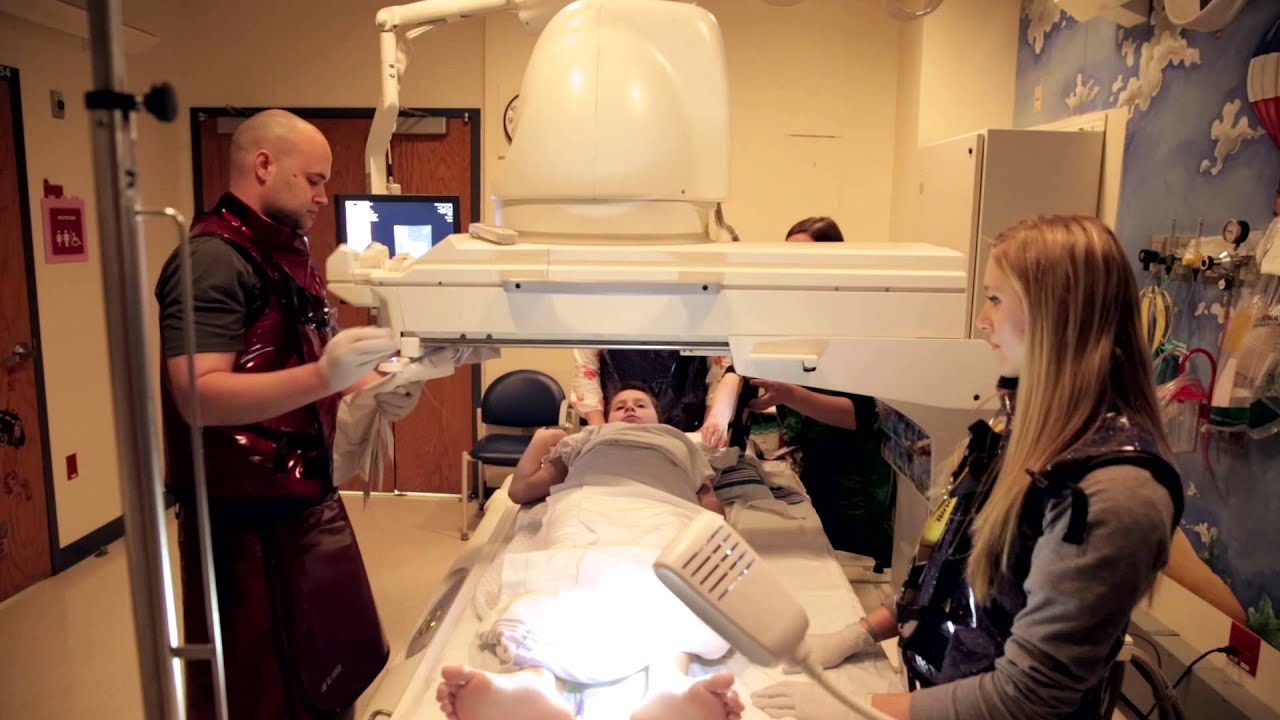
Once MCDK is suspected, your prenatal care team may recommend follow-up ultrasounds and, after delivery, imaging for the baby to confirm the diagnosis and to carefully evaluate the other kidney.
Unilateral vs bilateral MCDK
Most articles and most reassuring conversations you will hear in clinic are about unilateral MCDK, where there is one healthy working kidney. Bilateral MCDK (both kidneys affected) is rare, but it is much more serious because it can lead to very low amniotic fluid and severe newborn kidney failure. If your care team is worried about bilateral disease, you will typically be referred for high-risk pregnancy counseling and a coordinated plan with neonatology and pediatric kidney specialists.
MCDK vs hydronephrosis
This distinction matters because the next steps and long-term expectations can look different.
Hydronephrosis is urine backup
Hydronephrosis means the kidney is swollen because urine is not draining normally. Importantly, hydronephrosis involves a kidney that still has a collecting system (the internal drainage “plumbing” of the kidney). Depending on the cause, hydronephrosis can improve on its own, or it may need monitoring, antibiotics in some cases, or surgery to relieve obstruction.
MCDK is abnormal formation
With MCDK, the affected kidney usually does not have normal internal anatomy and does not function in the typical way. It is not simply a “blocked” kidney. It is a kidney that developed abnormally and is largely replaced by cysts.
What involution means
You may hear your child’s specialist say the multicystic kidney will likely involute. In plain language, involution means the abnormal kidney often shrinks (regresses) over time, and in some children it becomes very small or difficult to see on later imaging.
This gradual shrinking is one reason many children do not need the affected kidney removed. Instead, the care team focuses on:
- confirming the diagnosis
- protecting and monitoring the healthy kidney
- watching for uncommon complications
What doctors check after diagnosis
Think of follow-up as a safety checklist. The goal is to make sure the other kidney is healthy and to spot any urinary tract issues early. This matters because some children with MCDK can also have urinary tract differences on the other side, such as reflux or blockage.
1) Ultrasound after birth
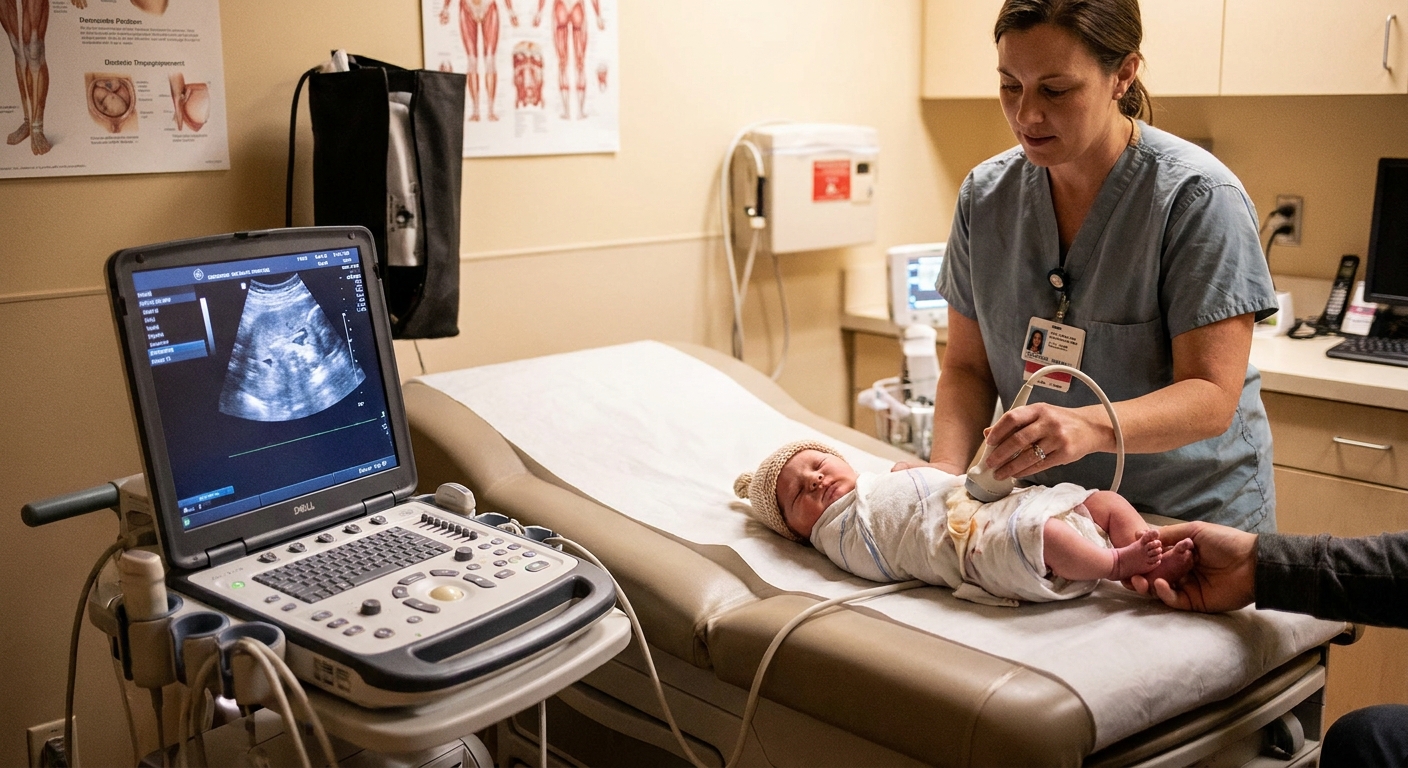
An ultrasound helps confirm the multicystic appearance and checks:
- the size and appearance of the affected kidney
- whether the other kidney looks normal
- whether there is swelling (hydronephrosis) in the working kidney
- bladder appearance and, sometimes, ureter dilation
2) Working kidney growth
When one kidney does not function, the other kidney often gets a bit larger and stronger to take over the workload. This is called compensatory hypertrophy, and it is typically a positive sign.
3) Reflux or blockage testing when needed
Not every baby with unilateral MCDK needs invasive testing for reflux. Many centers do not do routine VCUG (a test for vesicoureteral reflux) if the working kidney and bladder look normal on ultrasound and the baby is not having urinary tract infections.
Additional testing may be recommended if there are red flags, such as recurrent urinary tract infections, significant hydronephrosis in the working kidney, or concerning ultrasound findings. In those situations, your pediatric urology or nephrology team may discuss studies that evaluate urine flow or reflux (urine traveling backward toward the kidneys).
4) Blood pressure and urine checks over time
Many children with unilateral MCDK and a healthy other kidney do not have day-to-day symptoms. Still, clinicians often monitor periodically for:
- blood pressure (kidneys play a big role in blood pressure regulation)
- urinalysis for protein or blood
- kidney function labs when clinically appropriate
Why removal is uncommon
Years ago, surgery to remove the affected kidney was more common. Today, if the other kidney is healthy and the child is doing well, many specialists favor observation because:
- the multicystic kidney often shrinks on its own
- surgery has its own risks, especially in very young children
- most children remain healthy without removing it
That said, there are situations where removal might be discussed, such as if the multicystic kidney remains large and symptomatic, appears to be causing problems, or if the diagnosis is uncertain. Those decisions are individualized and made with pediatric urology and your family.
Life with one healthy kidney
When a child has one well-functioning kidney, the day-to-day outlook is often very good. In clinic, my guidance to families usually centers on protecting that working kidney long-term.
Healthy-kidney basics
- Keep well-child visits so blood pressure and growth are monitored.
- Ask about urine testing at recommended intervals.
- Promptly evaluate fevers, especially in infants and young babies, since fever can be the only sign of a urinary tract infection. Your clinician can tell you what “promptly” means for your child’s age and situation.
- Stay hydrated, especially with sports, heat, vomiting, or diarrhea.
- Use medicines wisely. Some medications can stress kidneys, especially when a child is dehydrated. Always ask your clinician before using nonsteroidal anti-inflammatory drugs (NSAIDs) frequently.
Sports and activities
This comes up in almost every family conversation. Many children with a solitary functioning kidney can play sports and live fully active lives. Decisions about higher-contact sports and protective gear are best made with your child’s clinician, based on your child’s anatomy, age, and activities.

When to call urgently
Most families will never face an emergency related to unilateral MCDK, but it helps to know what should trigger a call.
- Fever in a baby or young child, especially with no clear source
- Pain with urination, foul-smelling urine, or new daytime accidents
- Blood in the urine
- Persistent belly or flank pain
- Vomiting or diarrhea with signs of dehydration (dry mouth, significantly fewer wet diapers, very low urine output, unusual sleepiness)
- Swelling of the face, hands, or feet
Common parent questions
Did I do something to cause MCDK?
No. In the vast majority of cases, nothing a parent did or did not do caused MCDK. It is a developmental difference that happens early in formation of the kidney and urinary tract.
Will my baby need special delivery planning?
Often, no. Many pregnancies with unilateral MCDK proceed normally. Your obstetric team may recommend additional ultrasounds to monitor amniotic fluid and the healthy kidney, and they will coordinate with pediatrics for the newborn evaluation.
Can the multicystic kidney start working later?
Typically, no. Classic MCDK represents a nonfunctioning kidney. The reassuring part is that the other kidney can often compensate very well. If there is any uncertainty about the diagnosis early on, your team will explain what they are watching for and why.
Is this the same as polycystic kidney disease?
No. MCDK is a different condition than inherited polycystic kidney disease. Polycystic kidney disease is typically genetic and involves cysts in kidneys that may still have functioning tissue. If your clinician is concerned about inherited conditions based on family history or imaging, they will talk you through that separately.
The bottom line
A multicystic dysplastic kidney is a kidney that developed abnormally and usually does not function. It is often found on a prenatal ultrasound, and many children do very well when the other kidney is healthy. Follow-up is mainly about confirming the diagnosis, monitoring the working kidney, and watching for issues like urinary tract infections or high blood pressure. In many cases, the multicystic kidney shrinks over time and does not need to be removed.
If you are in the early, anxious days after diagnosis, I want you to know this: it is completely reasonable to feel scared, and it is also reasonable to feel hopeful. With the right monitoring and a clear plan, most families find their footing again.