When I explain a neobladder to patients, I start with one reassuring truth: the goal is to help you store urine and pass it through the urethra after your bladder has been removed. The learning curve can feel steep at first, but most people do best when they understand the why behind the routine and what changes are normal versus concerning.
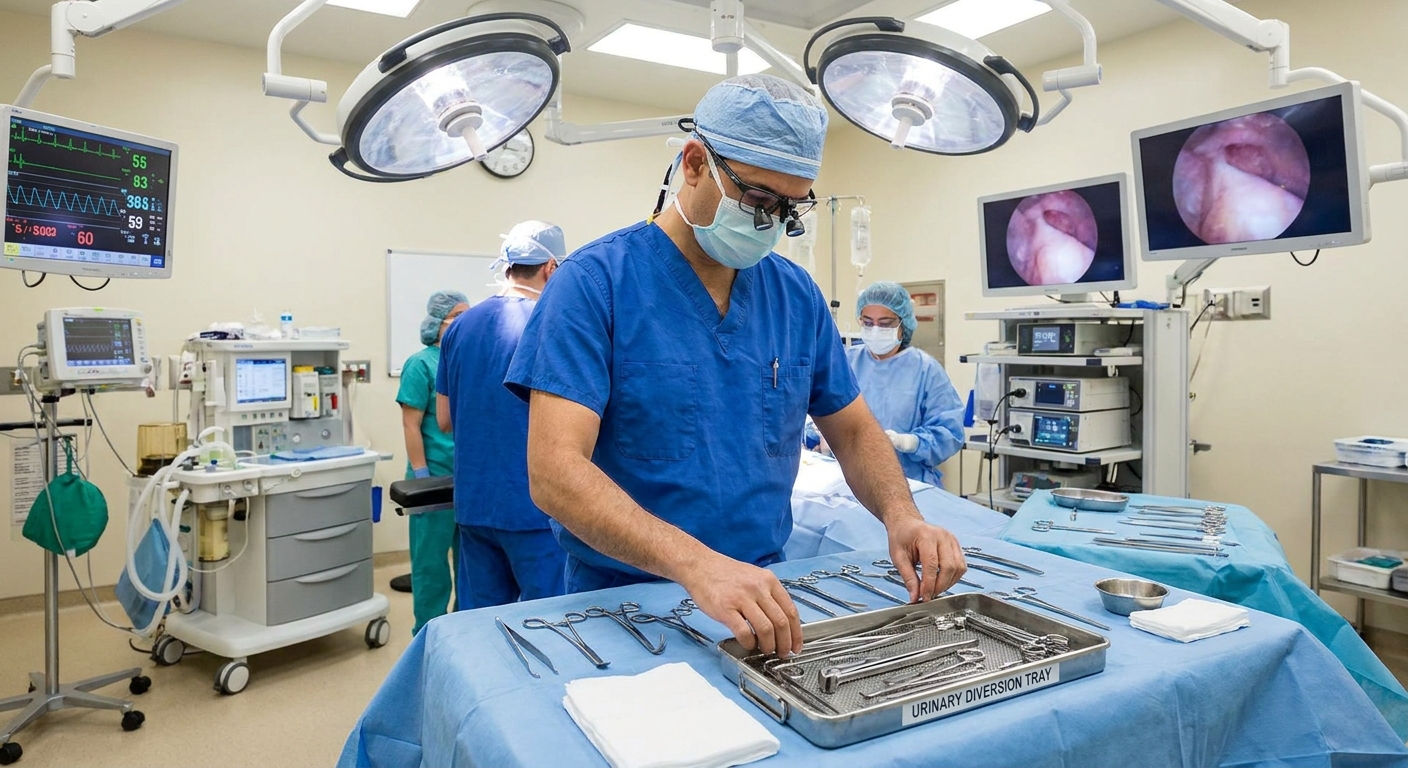
A neobladder is an internal urine pouch created from a segment of intestine. It is typically built after a radical cystectomy, which is surgery to remove the bladder, most often for bladder cancer. Less commonly, it may be used for select non-cancer conditions. The neobladder is shaped into a reservoir and connected to your ureters (tubes that bring urine from the kidneys) and to your urethra (the tube you urinate through). That connection is what allows many people to urinate in a more familiar way.
How a neobladder works
Your original bladder is a specialized muscle organ that stores urine and then squeezes to empty. Intestine is different tissue with different behavior. When surgeons use intestine to create a neobladder, it can hold urine, but it does not behave exactly like a natural bladder.
Key differences you may notice
- Less sensation early on: Many people do not feel the classic "I have to pee" signal at first. Instead, you may notice pressure, fullness, abdominal discomfort, or no warning at all.
- Emptying is learned: A neobladder usually empties best with relaxation of the pelvic floor plus gentle abdominal pressure, not a strong bladder squeeze.
- Timing matters: Because sensation can be unreliable, most patients start with a schedule to avoid overfilling.
Not everyone is a candidate for a neobladder. Your surgical team considers factors like kidney function, liver function, bowel health, cancer location, prior radiation, mobility and dexterity, and your ability to participate in follow-up.
Why mucus is part of the deal
Intestinal lining naturally makes mucus. When intestine becomes part of the urinary system, it keeps doing its job, which means mucus can show up in your urine.
What mucus can look like
- Stringy strands or cloudy wisps in the urine
- Thicker clumps, especially if you are dehydrated
- More noticeable mucus during infections or early after surgery
In many cases, mucus is expected. The main issue is that it can contribute to plugging or clogging, incomplete emptying (urinary retention), or catheter obstruction if you are catheterizing. Your care team may recommend specific hydration targets, periodic irrigation in certain situations, and monitoring for retention.
One nuance I tell patients up front: odor, cloudiness, and even bacteria in the urine can be misleading in people with urinary diversions. I worry more when those changes come with fever, flank or back pain, worsening pelvic pain, new nausea or vomiting, increasing fatigue, or a clear change in your ability to empty.
Emptying on a schedule
After surgery, a big day-to-day adjustment is learning to empty the neobladder regularly, even if you do not feel urgency. Early on, many people are instructed to void on a timed schedule, for example every 2 to 3 hours while awake, then gradually space it out as capacity increases. Protocols differ by center and surgeon, and your plan should be individualized.
Typical emptying techniques
- Relax your pelvic floor: Try not to push against a tight pelvic floor, which can block flow.
- Use gentle abdominal pressure: Some people use a light Valsalva maneuver or gentle pressure over the lower abdomen, as instructed.
- Double voiding: Empty, pause, then try again to reduce leftover urine.
When catheterization is needed
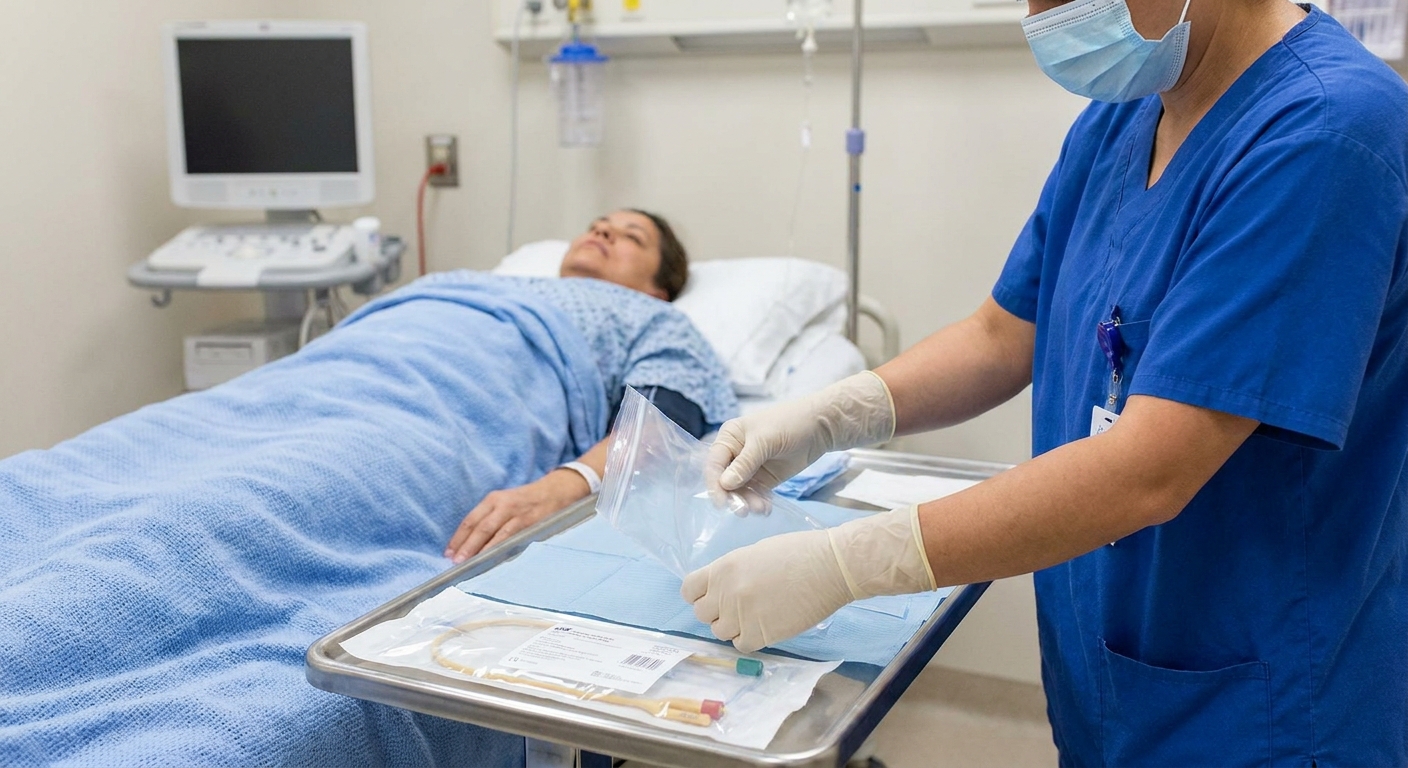
Some patients need to use a catheter intermittently to fully empty the neobladder, especially early on or if retention becomes a problem. This is not a failure. It is a tool to protect your kidneys and prevent complications from retention. At the same time, catheterization can increase infection risk if technique or supplies are not right, so your team will help you balance the benefits and risks.
Some people end up needing clean intermittent catheterization long term, and a smaller group cannot catheterize through the urethra reliably and need alternative strategies. If catheterization is part of your plan, ask for hands-on teaching, written steps, and troubleshooting guidance.
Continence changes
Once you have a routine for emptying, the next major milestone is continence. Nighttime leakage is common after neobladder surgery, particularly in the first months. There are a few reasons:
- During sleep, you are less likely to notice fullness cues.
- The neobladder may not yet have strong capacity.
- The pelvic floor and sphincter need time, healing, and often training to improve control.
Continence outcomes vary, and they can vary by anatomy and surgical details. I try to keep the focus on trends. Most people improve over time, but it is common for nighttime control to lag behind daytime control.
Practical steps that often help
- Set nighttime alarms for scheduled emptying, especially early in recovery.
- Limit fluids late in the evening if your clinician agrees, while still meeting hydration needs earlier in the day.
- Avoid bladder irritants that trigger frequency or urgency-type symptoms for you, such as alcohol and caffeine.
- Pelvic floor physical therapy can be very helpful. Ask if you are a candidate and when it is safe to start.
It is also common to use protective pads for a period of time. If leakage is worsening instead of improving, or you have new pain, recurrent infections, or difficulty emptying, check in with your urology team.

Metabolic follow-up
Because a neobladder is made from intestine, your body can absorb and exchange substances through that tissue in ways it would not with a natural bladder. Over time, some people develop metabolic changes that need monitoring and, sometimes, treatment.
What your clinician may monitor
- Electrolytes and acid-base balance: Some patients can develop hyperchloremic metabolic acidosis due to how bowel tissue exchanges chloride and bicarbonate.
- Kidney function: Creatinine and estimated GFR help track how well the kidneys are filtering.
- Vitamin B12: If the terminal ileum is involved, B12 deficiency can become a concern, often years after surgery in certain patients.
- Bone health: Chronic acidosis can affect bones, so follow-up may include additional evaluation when indicated.
This is one reason regular follow-up is not optional. Even if you feel well, lab trends can catch problems early, long before they cause major symptoms.
Ongoing surveillance
For many patients, follow-up includes more than labs. Depending on your situation, your team may also monitor:
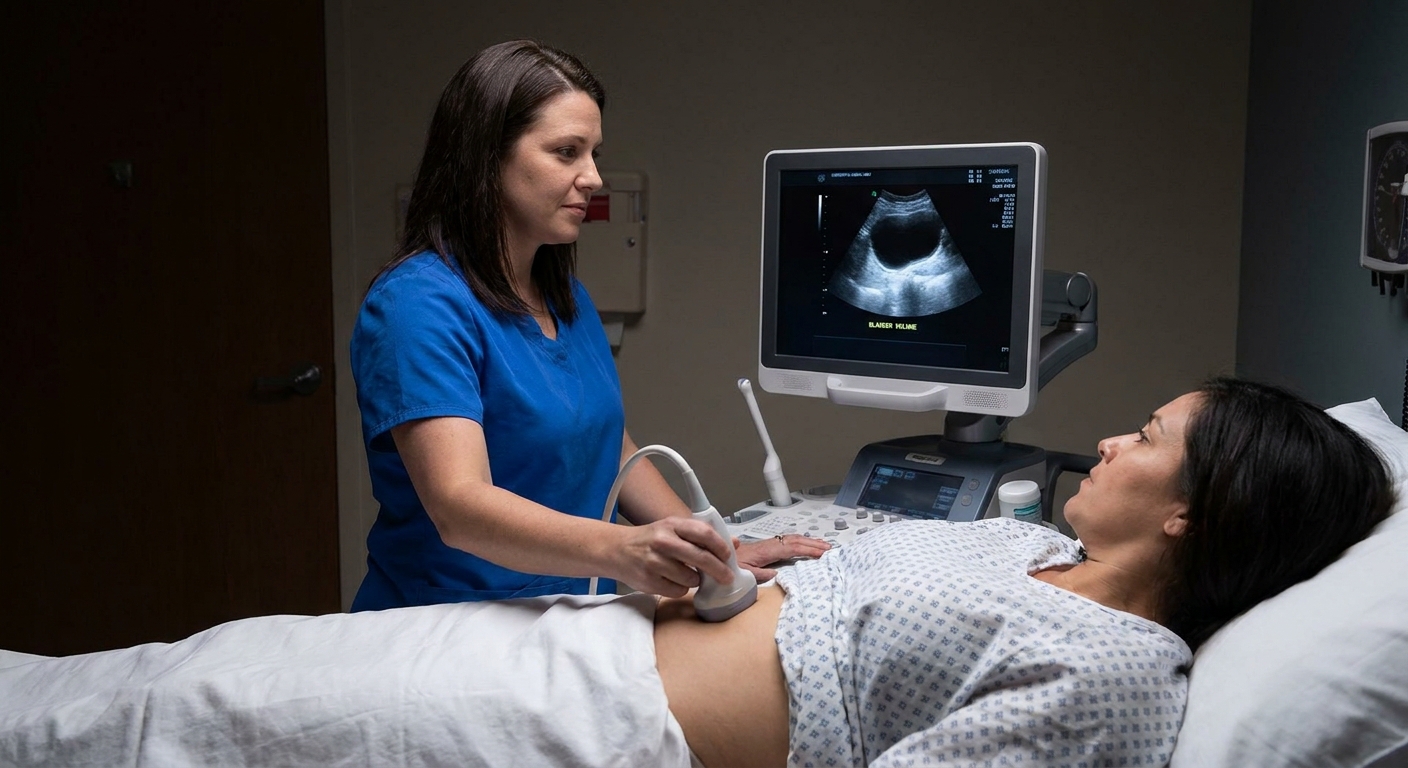
- Post-void residuals: Checking how much urine is left after you void, especially early on or if symptoms change.
- Imaging: Ultrasound or other imaging to ensure kidneys are draining well and to look for hydronephrosis when indicated.
- Stone risk: Mucus, retention, recurrent infections, and dehydration can all contribute to stone formation in some patients. Hydration and good emptying habits matter.
- Cancer surveillance: If you had bladder cancer, your surveillance schedule is individualized based on your cancer type and stage.
If you are ever unsure what surveillance applies to you, ask for the plan in plain language and in writing. It should be something you can follow.
Warning signs
With any urinary diversion, I encourage patients to trust their instincts. If something feels off, it is worth a call. Seek urgent evaluation, often the same day, for:
- Inability to urinate or very low output, especially with increasing abdominal pressure or pain
- Fever, chills, or feeling suddenly unwell
- Severe flank or back pain (possible kidney involvement)
- New or heavy bleeding in the urine, or passing large clots
- Confusion, severe weakness, rapid breathing, or persistent vomiting (possible metabolic issue or severe infection)
- Worsening pelvic pain or a clear change in emptying ability, especially with burning or new systemic symptoms
If you have a neobladder and you are told to go to the emergency department, bring your surgery details if you have them and tell staff clearly that you have an internal urinary diversion made from intestine. It helps the team think quickly about the right tests and the right specialists to involve.
Daily life tips
Hydration and routine
Most people do better when they build a predictable rhythm: drink regularly through the day, empty on schedule, and do not wait for a strong urge that may never come. Hydration helps keep mucus thinner and can reduce the chance of mucus plugging and retention.
Preventing retention and infection complications
- Empty fully, using double voiding if recommended.
- Ask whether you should measure residual urine early on.
- Pay attention to patterns like increasing leakage, increasing nighttime wetness, new fatigue, or a consistent change in output. Those can be subtle clues that emptying has changed.
Sexual health
Radical cystectomy and urinary diversion can affect sexual function and body confidence. These are medical issues, not personal failures. If intimacy has changed, ask about pelvic floor therapy, sexual medicine, vaginal moisturizers or estrogen options when appropriate, erectile dysfunction treatments, and counseling support.
Questions to ask
- What is my voiding schedule right now, and when should it change?
- How will I know if I am retaining urine?
- Do you expect me to need intermittent catheterization, and what supplies should I keep at home?
- How much mucus is normal for me at this stage?
- Which labs do you want monitored, and how often?
- Will you be checking post-void residuals or kidney imaging, and on what schedule?
- What symptoms should send me to urgent care or the ER?
Living with a neobladder is a skill set. In my experience, patients feel more in control when they have a clear plan, a short list of red flags, and permission to ask one more question at follow-ups. You deserve that clarity.
FAQ
Is a neobladder the same as an ileal conduit?
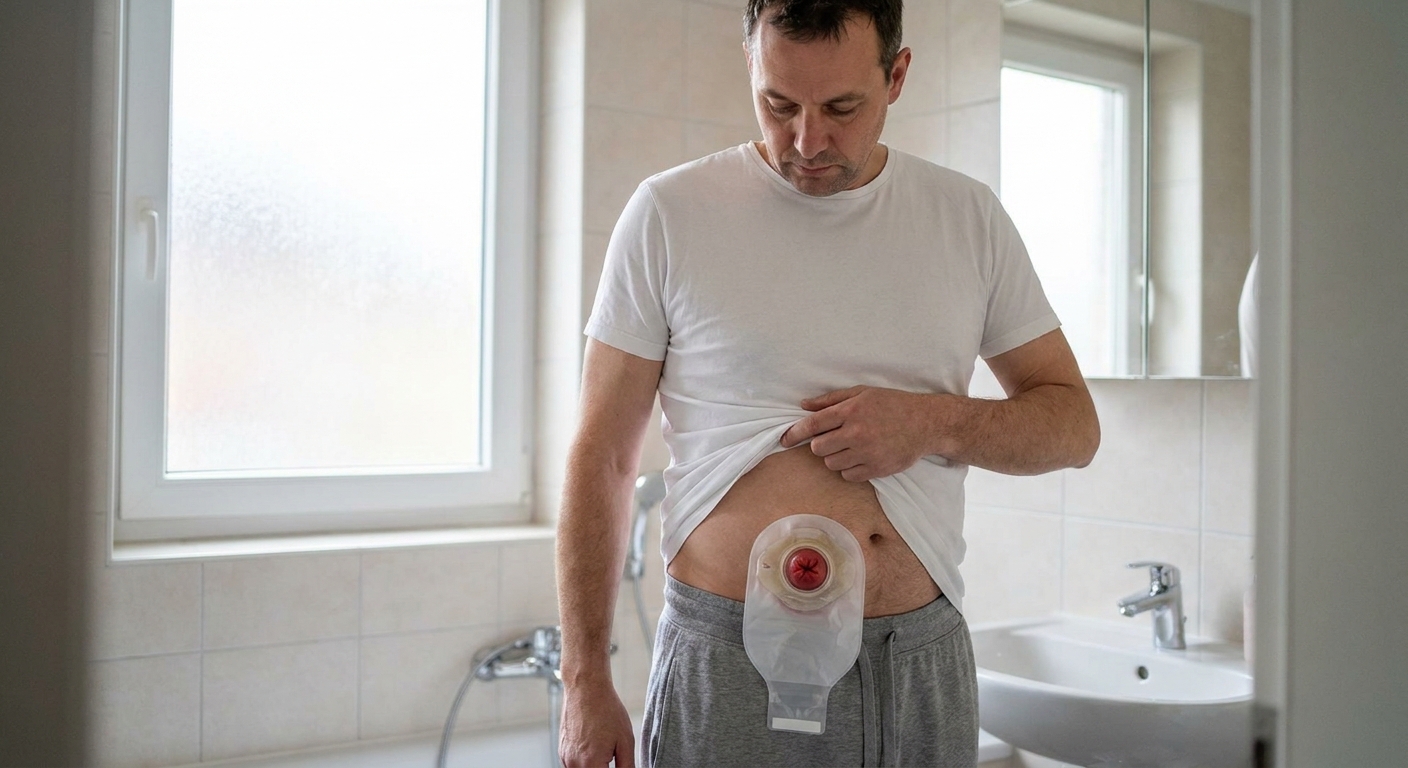
No. An ileal conduit diverts urine to an opening on the abdomen (a stoma) where it drains into an external bag. A neobladder is internal and is usually connected to the urethra so urine can pass through the usual pathway, although emptying mechanics are different.
Will I be able to urinate normally?
Many people can urinate through the urethra after healing, but it may not feel or function exactly like before. Scheduled emptying, pelvic floor training, and sometimes catheterization are part of the adjustment.
How long does it take to adjust?
Improvement often happens over months, not days. Capacity and continence frequently improve as swelling resolves and the body learns the new system. Your timeline depends on your surgery details, health history, and rehabilitation plan.