If you have been told you need a radical cystectomy, you are probably holding a lot at once: fear, urgency, and a thousand practical questions about what life looks like afterward. In clinic, I have found that people cope better when they can picture the steps ahead. This is a big operation, but it is also a well-established one with a clear plan for preparation, common in-hospital milestones, and a structured approach to recovery.
This guide walks you through what a radical cystectomy typically involves, how to get ready, what the hospital stay is like, and what early recovery usually looks like. I will also explain, briefly and clearly, where urine goes after surgery. The daily care details for each type of urinary diversion deserve their own space and are covered separately.
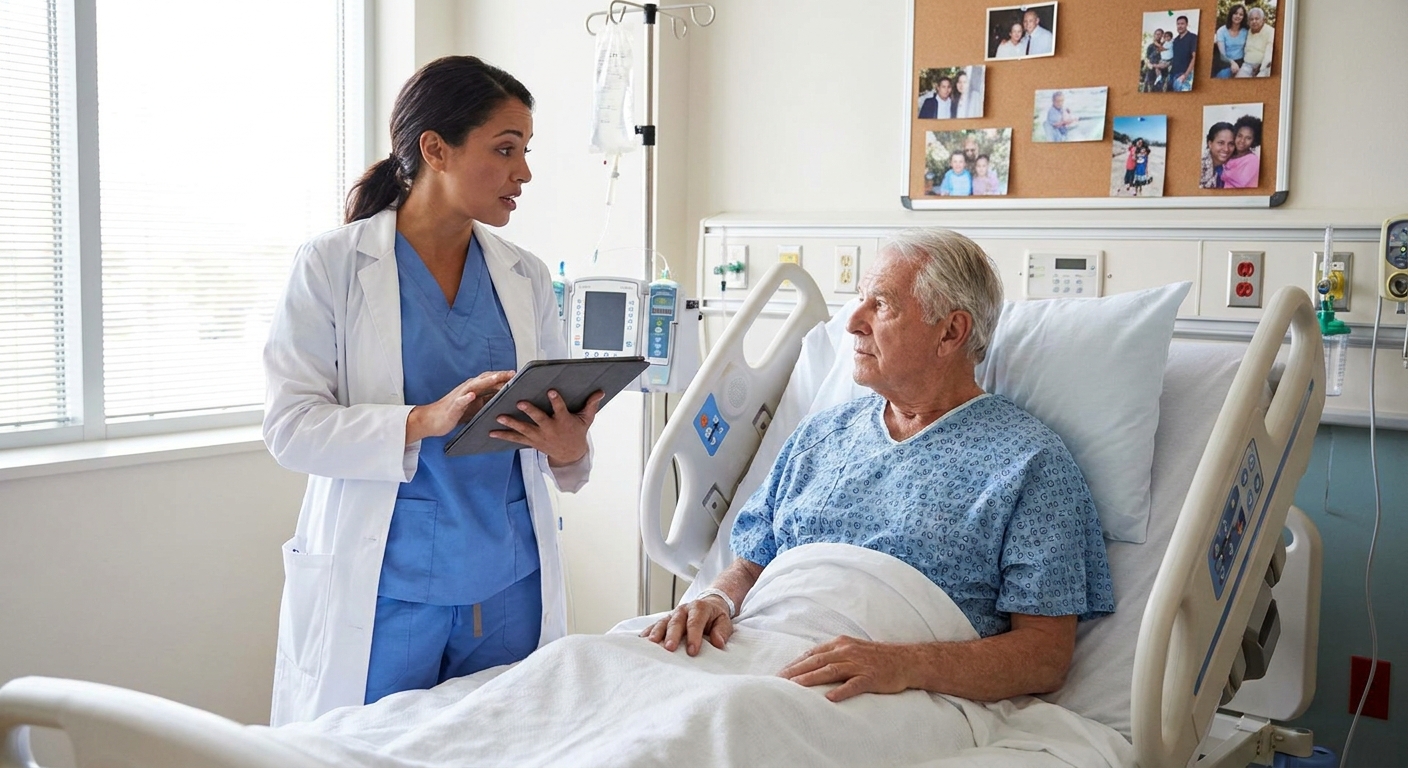
What a radical cystectomy is
A radical cystectomy is surgery to remove the bladder. It is most often done to treat muscle-invasive bladder cancer, or high-risk bladder cancer that has not responded to other treatments. Because bladder cancer can spread into nearby tissues, the operation usually includes removing nearby structures and lymph nodes as well.
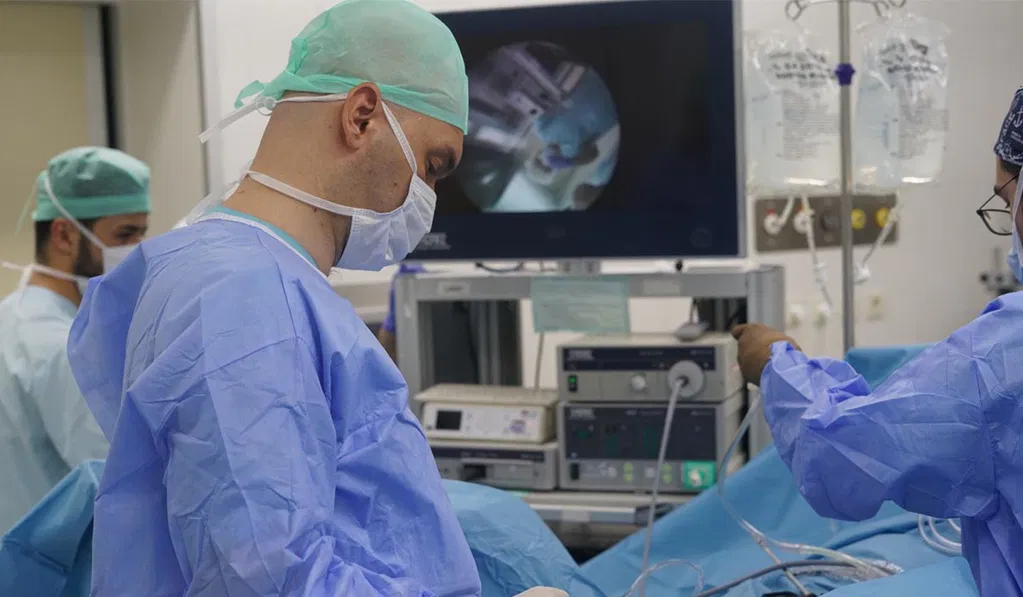
The procedure can be performed using an open approach (one larger incision) or a minimally invasive approach (laparoscopic or robot-assisted with several smaller incisions). Your surgeon will recommend an approach based on tumor factors, your anatomy, prior surgeries, and their clinical judgment.
What may be removed
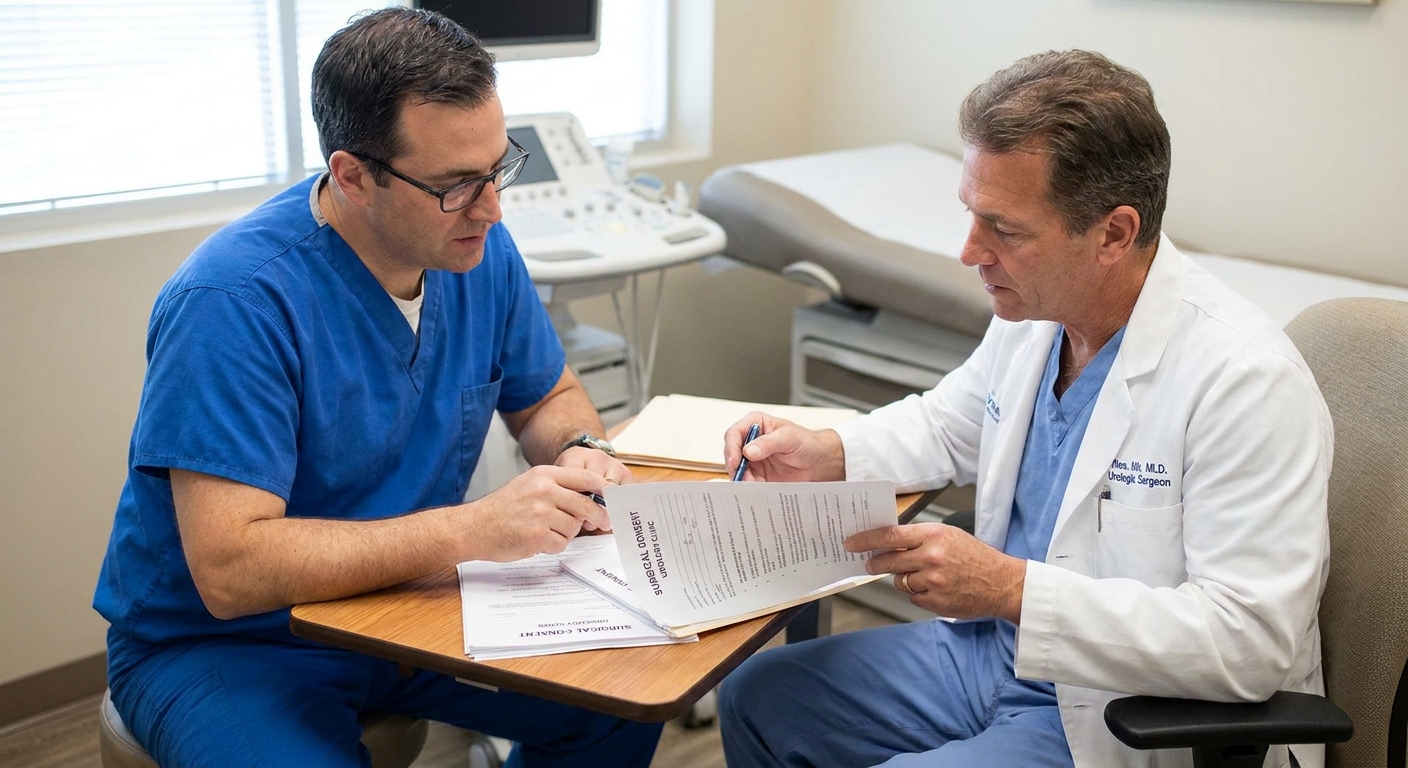
One of the most stressful parts of consent paperwork is seeing a list of organs that might be removed. The exact structures removed depend on your anatomy and your cancer location and stage. Your surgical team should tell you what they are planning for you.
Common parts of the operation
- Bladder removal
- Pelvic lymph node dissection (removal of lymph nodes in the pelvis to check for spread and improve staging)
- Creation of a urinary diversion (a new pathway for urine to leave the body)
If you have a prostate
In many cases, the operation also includes removal of the prostate and seminal vesicles. This is because these structures are close to the bladder and can be involved microscopically even when imaging looks reassuring.
If you have a uterus and ovaries
In many cases, the operation may include removal of the uterus, fallopian tubes, ovaries, and part of the anterior vaginal wall. Some patients may be candidates for more organ-sparing approaches in select situations, but that is a specialized conversation with your surgeon based on cancer features and goals of care.
Ask directly: “Which organs are you planning to remove in my case, and why?” You deserve a clear answer.
Before surgery
Most hospitals take a team approach before cystectomy. You might meet with urology, anesthesia, nursing, and sometimes ostomy care specialists, physical therapy, nutrition, and social work.
Pre-op testing you may have
- Blood work to check anemia, kidney function, electrolytes, and overall readiness
- Urine testing and sometimes a urine culture to reduce infection risk
- EKG and possibly additional heart or lung testing depending on age and medical history
- Imaging to stage cancer or confirm anatomy
Prehab matters more than most people think
When it is safe to do so, building strength before surgery can help recovery. Think of it as training for a hike: you do not need to be perfect, but a little preparation helps.
- Walk daily as tolerated and work up your endurance.
- Prioritize protein if your medical team agrees (protein supports healing).
- Stop smoking if you smoke. Even a few weeks can improve wound healing and lung function.
- Review medications early, including blood thinners, diabetes meds, and supplements.
Plan for home support
Most people need help with meals, errands, and rides for at least the first couple of weeks. If you live alone, tell your team early so discharge planning does not become a last-minute scramble.
Bowel prep and diet changes
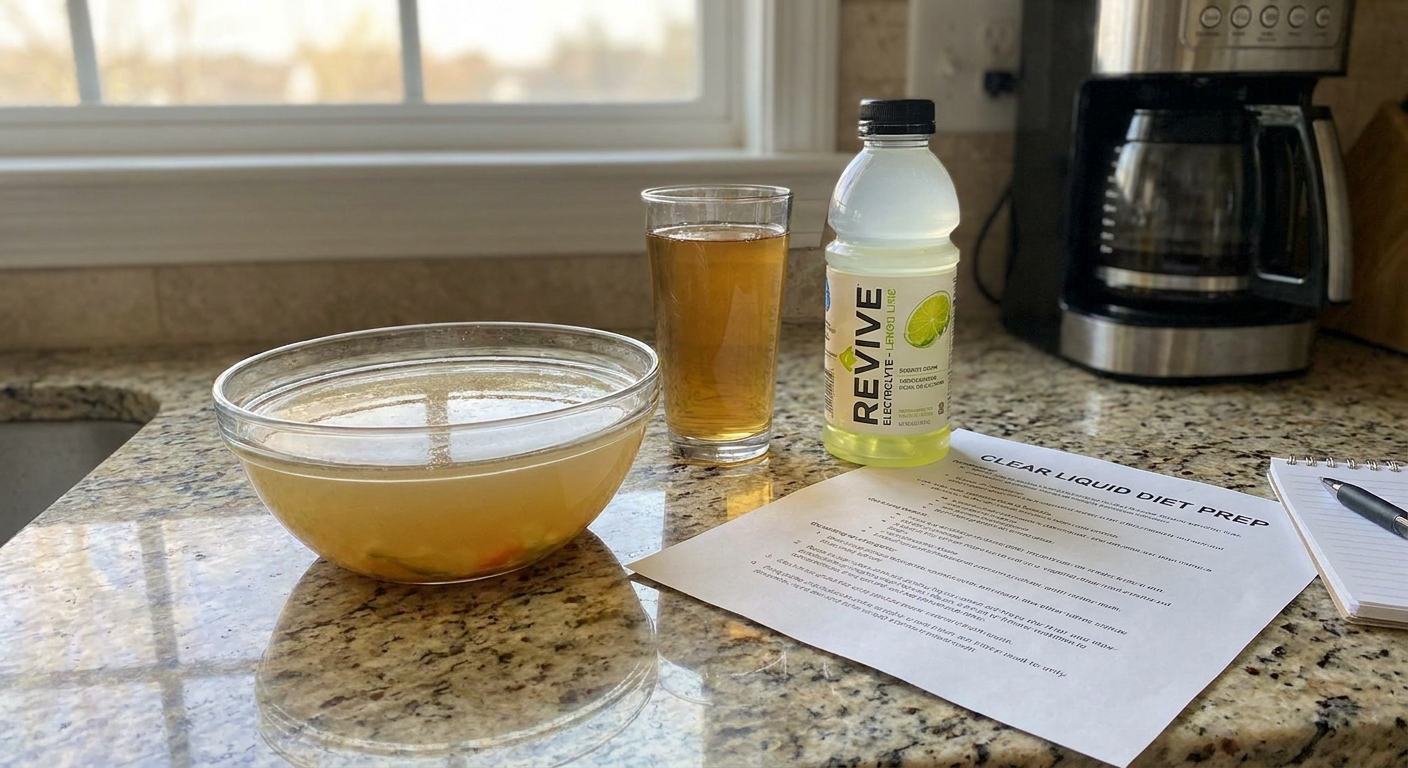
Because a segment of bowel is often used to create the new urine pathway, your surgeon may ask you to do a bowel prep or follow a specific diet the day before surgery. Practices vary by hospital and by surgeon, and your instructions should be tailored to you. Some centers use no full mechanical bowel prep at all as part of modern recovery pathways.
Common pre-op instructions include
- Clear liquids the day before surgery (for example, broth, clear juice, sports drinks, gelatin, tea or coffee without milk)
- Laxatives or an enema in some cases
- Antibiotics by mouth in some protocols
- No food or drink after a certain time (often midnight), except small sips for approved medications
Important: If you have diabetes, kidney disease, heart failure, or you are prone to dehydration, bowel prep can hit you harder. If you feel lightheaded, have severe vomiting, or cannot keep clear fluids down, contact your surgical team right away.
Day of surgery
On surgery day, you will check in, change into a gown, and meet your anesthesia team. You may receive:
- An IV for fluids and medications
- Medication to reduce infection risk
- Medication and mechanical support to reduce blood clot risk (for example, compression devices on the legs)
- Sometimes an epidural or other regional pain control depending on your care plan
The operation itself often takes several hours. Afterward, you will go to a recovery area and then to a surgical floor. Some patients may spend time in an intensive care unit based on complexity and overall health, but many do not.
Many hospitals use an enhanced recovery pathway (often called ERAS). Depending on your center, this can include earlier feeding, chewing gum to stimulate bowel activity, avoiding routine nasogastric tubes, and very specific daily walking goals. If you like details, ask your team what recovery pathway they use and what milestones they track.
Where urine goes afterward
Once the bladder is removed, urine still needs a reliable way to leave the body. That is the purpose of a urinary diversion. Your surgeon will recommend the option that best matches your cancer situation, anatomy, kidney function, and preferences.
Common diversion types
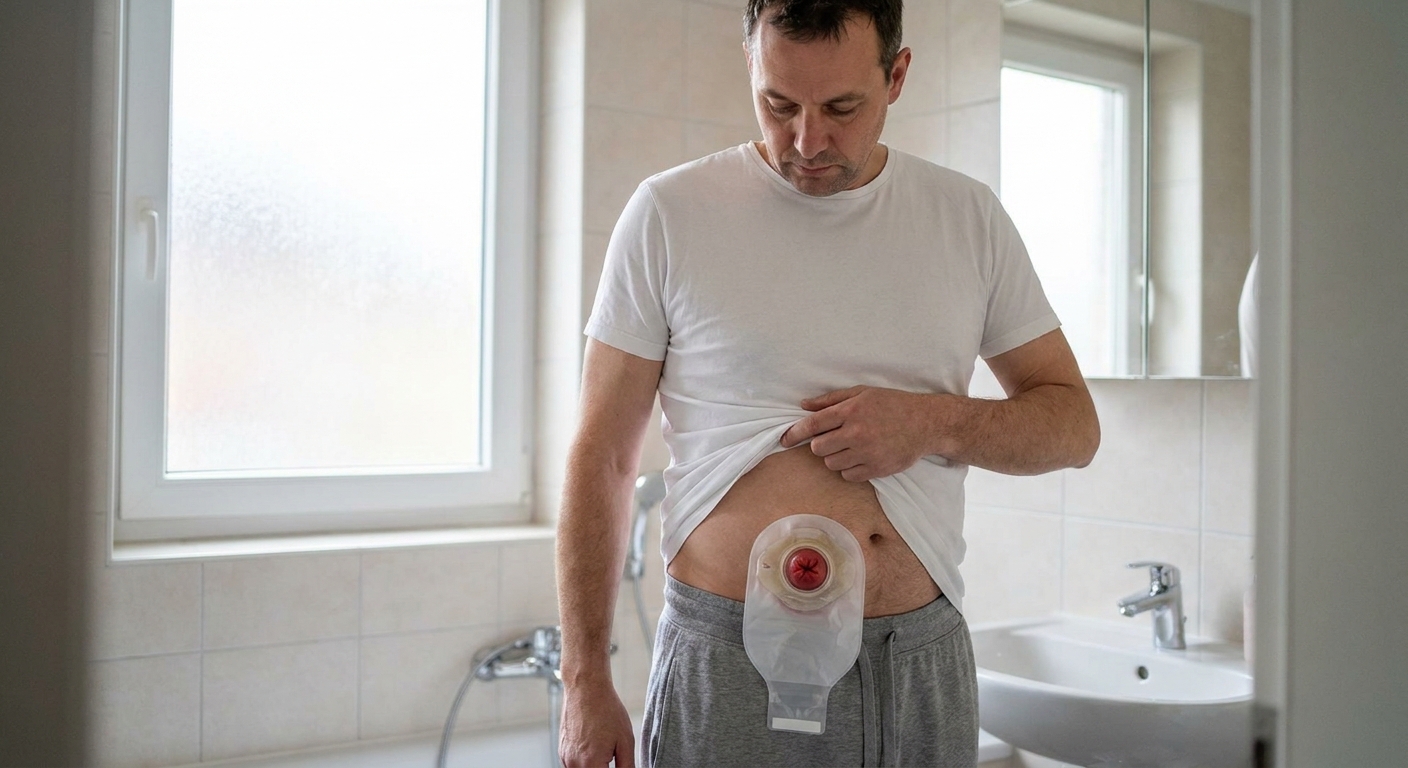
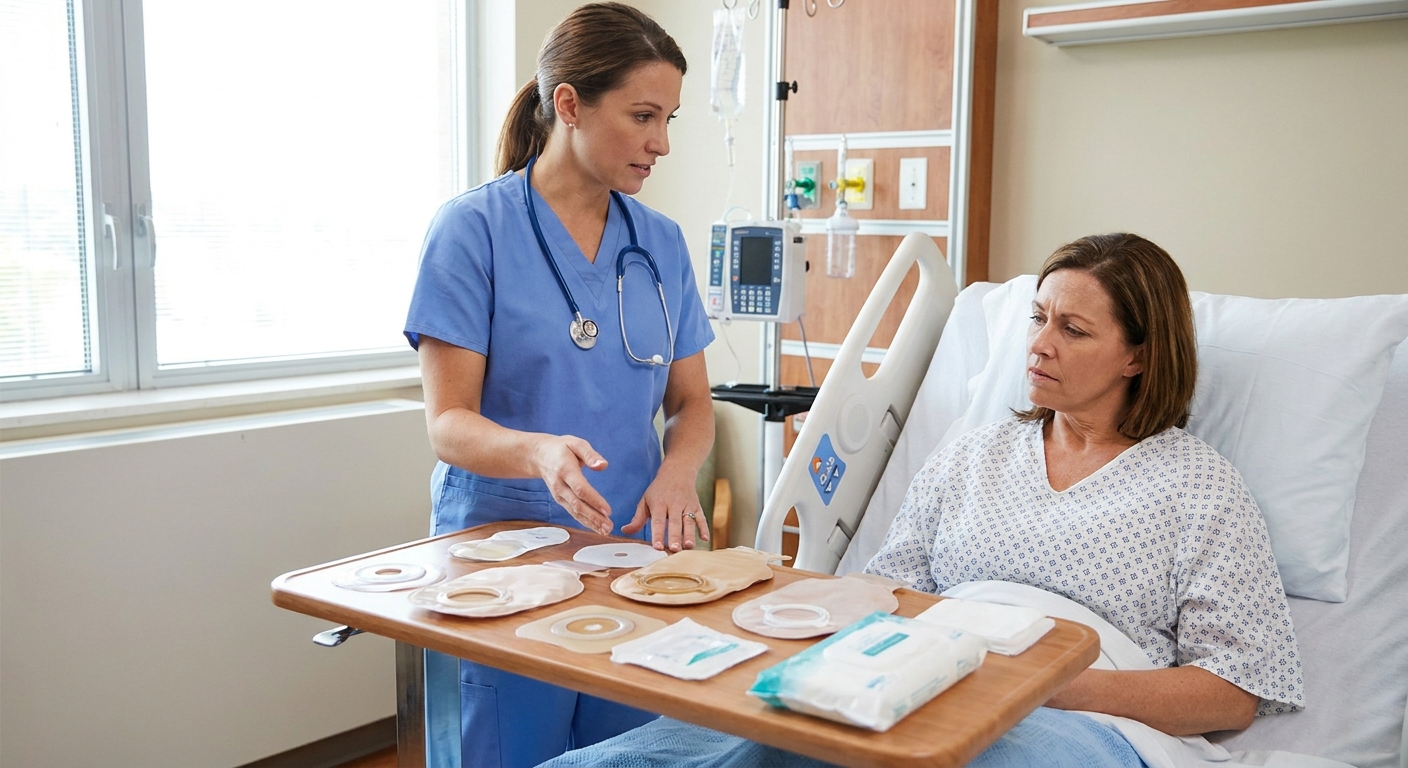
- Ileal conduit: A small piece of intestine is used to create a passageway from the ureters to an opening on the abdomen (a stoma). Urine drains continuously into an external pouch.
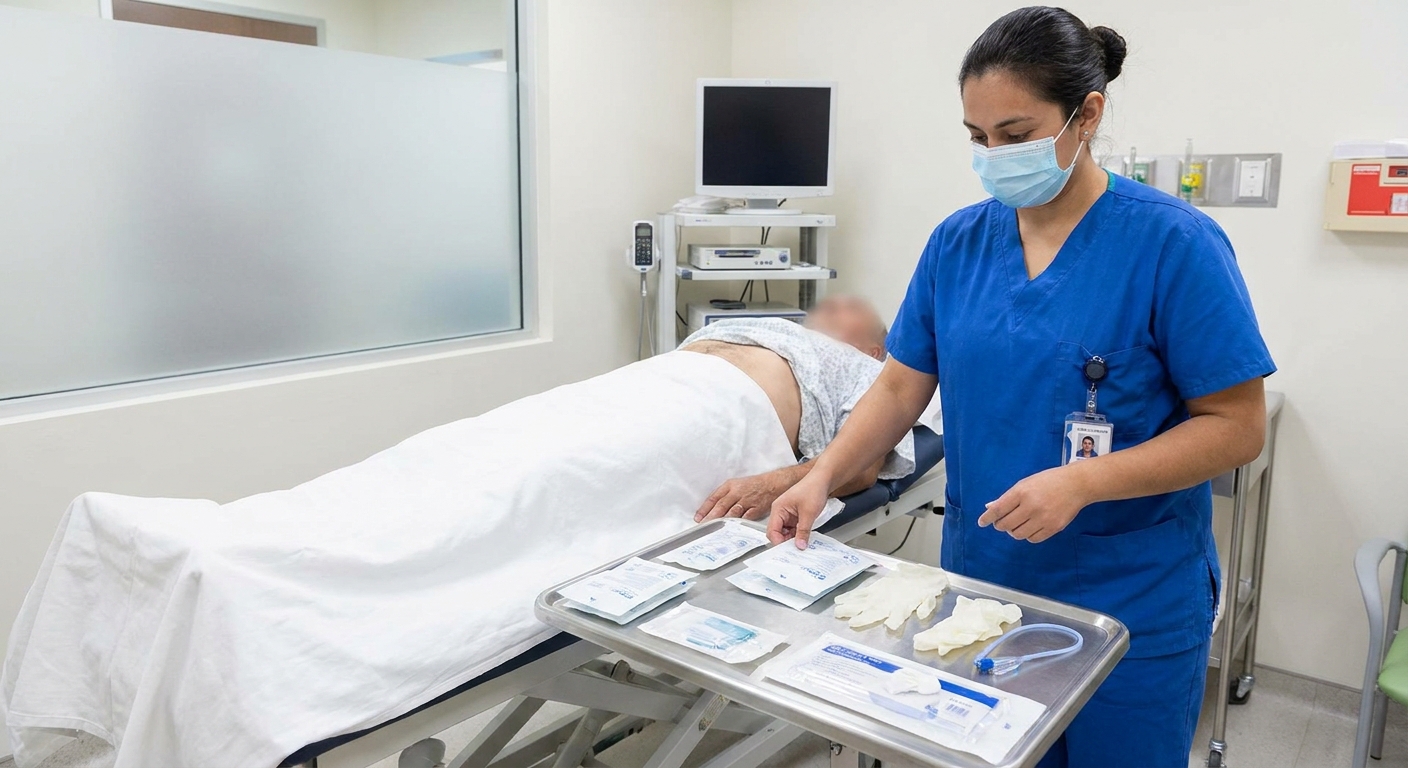
- Continent cutaneous diversion: An internal pouch is created and connected to a small stoma. You drain urine using a catheter several times per day.
- Neobladder: A new bladder-like reservoir is created from intestine and connected to the urethra, allowing some people to urinate in a more typical way. Leakage, nighttime incontinence, and training issues can occur. Some people also have trouble emptying and may need intermittent catheterization, sometimes temporarily and sometimes long term.
Your care team should explain which diversion you are getting and why, and connect you with teaching resources before and after surgery.
Your hospital stay
Hospital stays vary. Many people remain in the hospital for around 4 to 10 days after a radical cystectomy, depending on overall health, surgical approach, how quickly the bowel wakes up, pain control, and any complications. Some people go home sooner, and some need longer.
Tubes, drains, and lines are normal at first
It can be startling to wake up connected to several things. These supports are temporary and are there to keep you safe while your body heals.
- IV lines for fluids and medications
- Pain control (IV medications, oral medications, and sometimes an epidural)
- Drain(s) near the incision to remove extra fluid
- Ureteral stents (small tubes that help urine flow while healing) depending on diversion type
- Compression devices on the legs and blood thinners to prevent clots
Blood clot prevention may continue at home
After major pelvic cancer surgery, many protocols continue a blood thinner after discharge for a period of time, often several weeks. Not everyone needs the same regimen, but you should leave the hospital knowing exactly what you are taking, for how long, and what bleeding symptoms mean you should call right away.
Getting your bowels moving again is a major milestone
After abdominal surgery, it is common for the intestines to go quiet temporarily. This can cause bloating, nausea, and slow diet advancement. Your team will watch for signs that bowel function is returning, such as passing gas and tolerating oral intake.
Walking early is part of the treatment
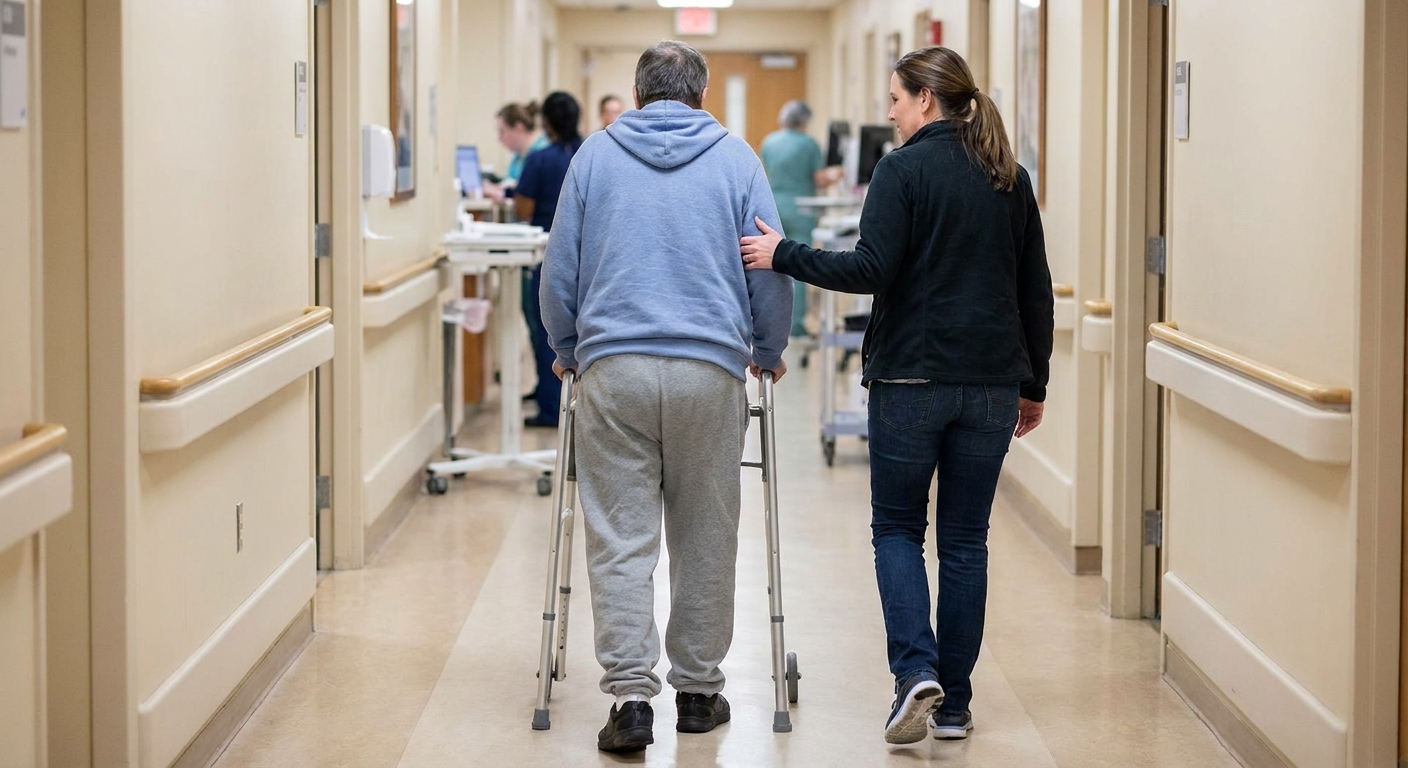
One of the most evidence-supported recovery tools is early mobilization. You will likely be encouraged to sit up and walk with help as soon as it is safe, often the day of surgery or the next day. Walking supports:
- lung expansion (lower pneumonia risk)
- bowel recovery
- circulation (lower blood clot risk)
- overall strength and confidence
Pain control should be proactive
Your goal is not to tough it out. Your goal is to breathe deeply, cough, and move. If pain is blocking those things, tell your nurse or provider. There are usually multiple options to adjust your plan.
What usually needs to happen before discharge
Every team has its own checklist, but common discharge goals include:
- pain controlled on oral medications
- walking safely (sometimes with a walker at first)
- tolerating enough food and fluids for hydration and healing
- stable vital signs and labs that look acceptable for your situation
- you and your support person feel comfortable with diversion care (pouching, catheterization, or irrigation as relevant)
- a clear plan for follow-up and who to call with problems
Many people also have stents or drains that stay in for a short time. Ureteral stents are often removed at a follow-up visit about 1 to 2 weeks after surgery, but timing varies by diversion type and surgeon preference.
Early recovery at home
Once you are home, recovery continues. It is normal to feel better in small steps rather than in a straight line. Fatigue is common, and many people need frequent rest breaks.
What you may feel
- Tiredness that feels disproportionate to activity
- Abdominal soreness and tightness around incisions
- Appetite changes and altered taste
- Swelling in the abdomen or legs (report significant or one-sided swelling)
- Emotional swings, including anxiety and sadness, especially after cancer surgery
General do’s and don’ts (follow your surgeon’s instructions)
- Do walk multiple times a day, gradually increasing distance.
- Do drink fluids as recommended by your team to protect kidney function and reduce mucus-related issues (amount varies by diversion and medical history).
- Do eat small, protein-forward meals and snacks if your appetite is low.
- Do not lift heavy objects until cleared (many surgeons recommend avoiding heavy lifting for several weeks).
- Do not drive while taking opioid pain medication, and wait until you can move comfortably and react quickly.
Follow-up appointments matter
Your post-op follow-ups are where your team checks incision healing, removes staples or sutures if needed, manages stents when applicable, reviews pathology results, and lays out the next phase of cancer care if additional treatment is recommended.
Possible complications
No one wants to imagine complications, but knowing what to watch for can get you help faster. Your surgical team will review risks specific to you.
Complications that can occur after cystectomy
- Infection (urinary, wound, or bloodstream)
- Bleeding or need for transfusion
- Blood clots in the legs or lungs
- Bowel problems, including ileus (bowel not waking up), blockage, or leak at bowel connections
- Urine leak at connection sites
- Kidney function changes
- Electrolyte imbalances (because bowel tissue handles salts and fluids differently than bladder tissue). In some patients this can include metabolic acidosis, especially with continent diversions or neobladders.
- Hernia at incision sites or around a stoma
- Sexual side effects and fertility loss depending on anatomy and what was removed
Sexual health is part of recovery
I try to say this plainly: changes in sexual function are common after cystectomy, and help exists. Depending on your anatomy and surgery, this can include erectile dysfunction, changes in orgasm, vaginal dryness or shortening, pain with sex, and changes in fertility. If this matters to you, bring it up early so your team can discuss nerve-sparing options when appropriate and connect you with sexual health rehabilitation or specialists.
Get urgent help if you have
- fever or chills
- chest pain, shortness of breath, coughing blood
- new confusion, fainting, or severe weakness
- uncontrolled pain or vomiting
- incision redness that is spreading, pus-like drainage, or opening of the wound
- sudden decrease in urine output, or no drainage into your pouch if you have a urostomy
- a stoma that turns dark, pale, or dusky, or suddenly becomes very swollen
- one leg that is swollen, red, warm, or painful
Questions to ask
If you are preparing for a radical cystectomy, these questions can help you feel oriented and included in decisions:
- What exactly are you removing in my case, and what are you hoping the surgery will accomplish?
- Which urinary diversion am I getting, and why is it the best match for me?
- What should I do about my medications, including blood thinners and supplements?
- Will I need chemotherapy before or after surgery?
- How long do you expect me to be in the hospital?
- What are the most common reasons people stay longer?
- Will I go home on a blood thinner, and for how long?
- When do you typically remove stents or drains, and what will that visit be like?
- Who do I call after hours if I have a concern?
- What restrictions do you want me to follow at home, and for how long?
A steady perspective
When you are facing a radical cystectomy, it is easy to feel like you have to absorb everything immediately. You do not. Take it in layers. First, understand the purpose of the surgery and your diversion plan. Next, focus on what you can do this week to prepare your body and your home. Then, let your hospital team guide you through the day-to-day milestones.
If you are someone who likes a simple anchor point, here it is: this surgery removes the bladder, then reroutes urine in a safe, planned way. The first weeks are about healing and learning your new normal, one step at a time.