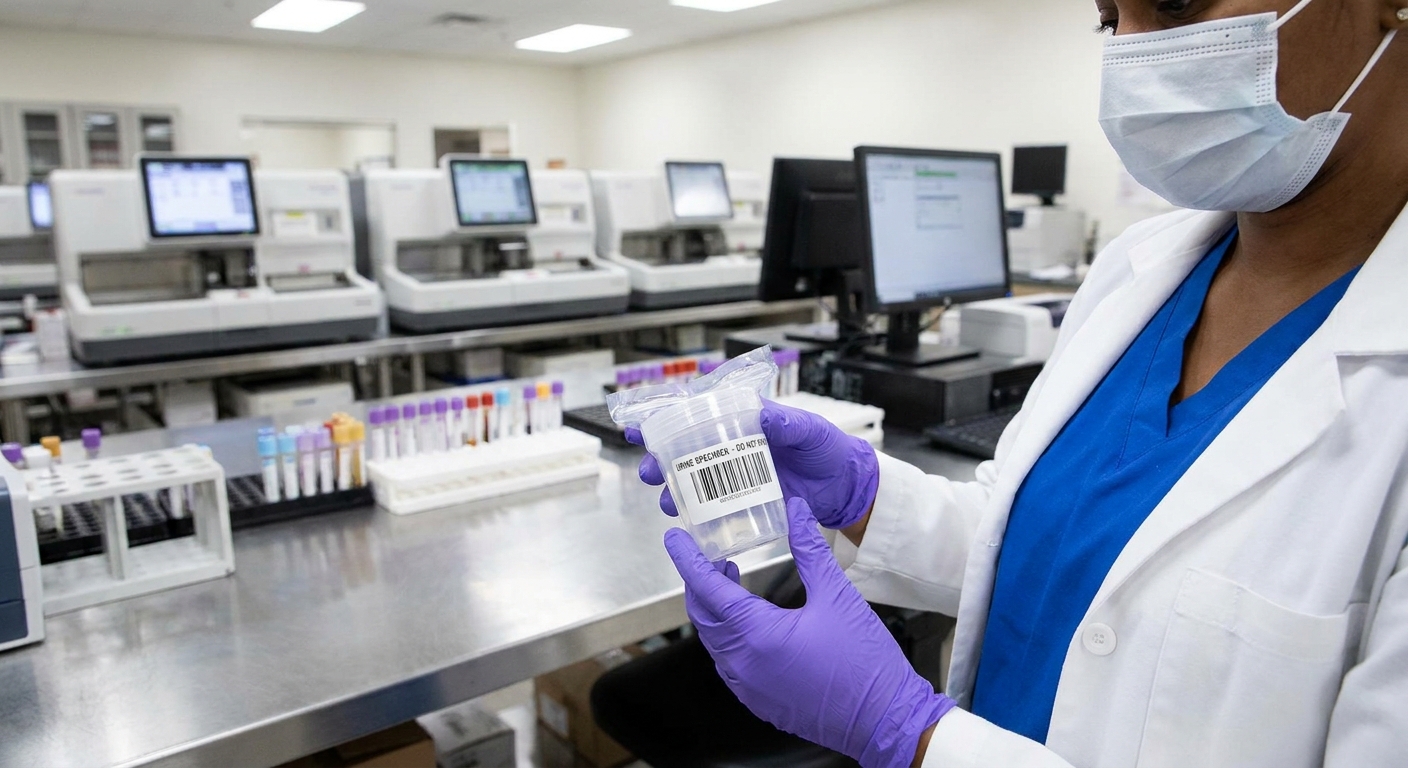
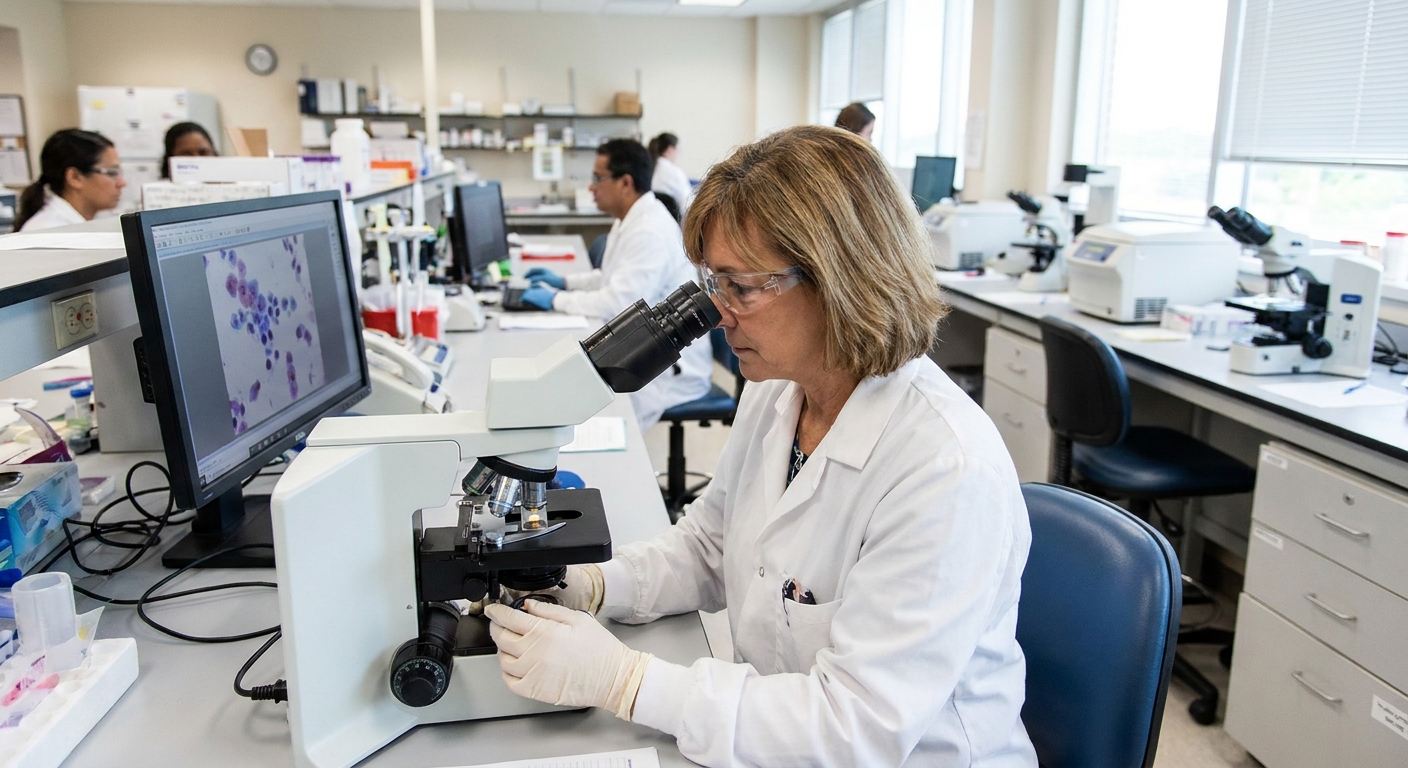
When I worked in a busy family clinic, one of the most common moments of confusion I saw was this: a patient would read “positive culture” or “mixed flora” in their portal and assume they either definitely had a UTI or definitely did not. In reality, a urine culture is a very specific test with its own language, and once you know what you are looking at, the report tends to make a lot more sense.
A urine culture is a lab test that tries to grow bacteria (and sometimes yeast) from your urine sample. If something grows, the lab can often identify the germ and test which antibiotics are most likely to work.
What it measures
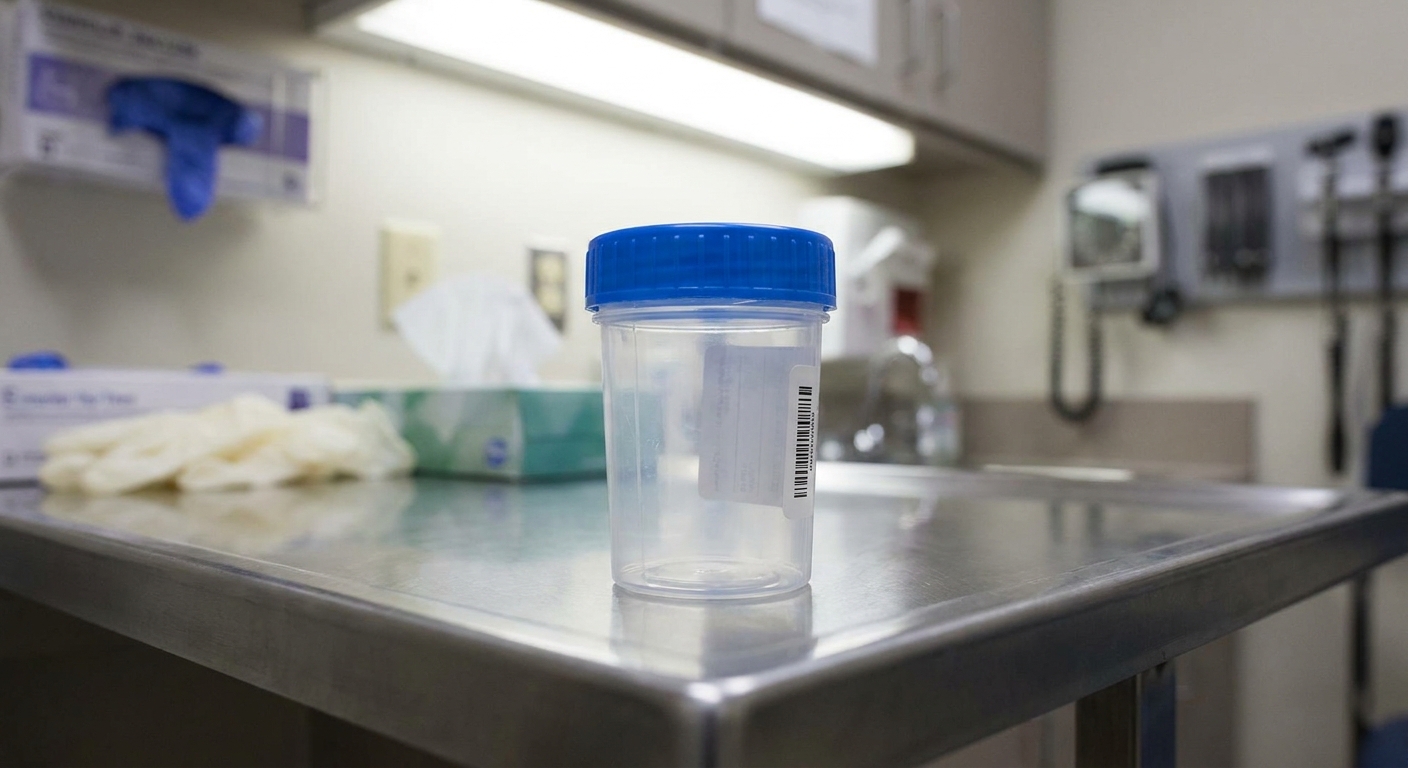
Urine in the bladder was traditionally taught to be sterile, and in most healthy people it has very low levels of organisms compared with contaminated samples. In a true urinary tract infection (UTI), bacteria (or less commonly yeast) are present and multiplying in the urinary tract. A culture tests for that by placing a small amount of urine onto special plates that encourage microbes to grow.
How the lab grows bacteria
In simple terms, the lab:
- Plates the urine onto growth media (materials that microbes like).
- Incubates it at body-like temperatures.
- Counts and identifies what grows.
- Often performs susceptibility testing (which antibiotics work best) if the growth looks significant and the organism is a likely pathogen.
This is why cultures take longer than a urine dipstick test. Microbes need time to multiply to a detectable level.
How long results take
Timelines vary by lab, but a typical pattern looks like this:
- Preliminary result: often about 18 to 24 hours (for example, “no growth so far” or “growth present, pending identification”).
- Final identification and colony count: commonly 24 to 48 hours.
- Antibiotic susceptibilities (sensitivity testing): often 48 to 72 hours, sometimes longer for slower-growing organisms.
If your symptoms are significant, clinicians often start treatment based on symptoms and a quick urinalysis, then adjust once the culture and susceptibilities return.
How to read the report
Most reports include a few standard elements. Not every lab formats them the same way, but the meanings are usually consistent.
1) Organism or isolate
This line names the germ the lab found. Common UTI-causing bacteria include Escherichia coli (E. coli), Klebsiella, Proteus, and others. Sometimes you may see yeast, such as Candida, especially in people with diabetes, recent antibiotics, urinary catheters, or immune suppression.
If you see wording like “normal urogenital flora” or “mixed urogenital flora”, the lab is often suggesting the sample likely picked up bacteria from the skin or genital area during collection rather than reflecting one clear infection in the bladder.
2) Colony count
Culture results are often reported as CFU/mL, which stands for colony-forming units per milliliter. Think of CFU/mL as an estimate of how many live microbes were in the urine.
Many labs use general interpretation buckets such as:
- No growth: nothing significant grew.
- Low counts (for example, less than 10,000 CFU/mL): may be contamination, early infection, or a partially treated infection.
- Intermediate counts (often 10,000 to 100,000 CFU/mL): can be meaningful in the right clinical context.
- Higher counts (often 100,000 CFU/mL or more): more suggestive of true infection, especially when one organism predominates.
Important: cutoffs are not one-size-fits-all. Depending on the situation (symptomatic women, men, children, pregnancy, catheterized specimens), a lab may consider growth significant anywhere from about 103 to 105 CFU/mL. Catheter specimens are also interpreted differently because colonization is common.
3) Mixed growth or mixed flora
One of the most important lines in a culture is whether the lab saw one predominant organism or several. Many uncomplicated UTIs are caused by a single main pathogen.
When a report mentions mixed flora or three or more organisms, the most common explanation is contamination during collection, especially with a midstream clean-catch sample if the urine contacts the skin.
There are exceptions. In people with chronic catheters, urinary fistulas, or other complicated situations, mixed growth can occasionally reflect a real problem rather than a bad sample. That is why clinicians match the culture to symptoms, urinalysis, and how the specimen was collected.
If you have symptoms and your report suggests contamination, your clinician may recommend repeating the test with careful collection, or using a catheterized sample in certain situations.
4) Susceptibility or sensitivity
If the culture is significant, the report may include a list of antibiotics with results such as:
- S (susceptible): the antibiotic is likely effective at standard doses.
- I (intermediate): often means susceptible with increased exposure, meaning it may work with a higher dose, different dosing schedule, or higher concentrations at the infection site.
- R (resistant): not expected to work well.
This section helps your clinician choose the most targeted antibiotic, ideally one that is effective and minimizes unnecessary broad-spectrum exposure.
5) Comments and qualifiers
Some labs add notes like:
- “Probable contaminant”
- “Repeat specimen recommended”
- “No predominant organism”
- “Growth suppressed” (can happen if you recently took antibiotics)
These notes matter. They are the lab’s way of telling you how confident they are that the growth represents a true urinary infection.
A quick example
Here is what a straightforward report might look like:
- Organism: E. coli
- Quantity: >100,000 CFU/mL
- Susceptibility: Nitrofurantoin (S), TMP-SMX (R)
In a person with classic UTI symptoms, that pattern generally supports a bacterial UTI and helps the clinician avoid an antibiotic that is unlikely to work.
Contamination and how to prevent it
Contamination simply means the sample picked up microbes that were not truly coming from the bladder. Skin bacteria and normal genital flora can hitch a ride into the cup if they are not rinsed away or if the cup touches the body.
Clean-catch tips
- Wash hands first.
- Use the cleansing wipe(s) exactly as instructed.
- Start urinating into the toilet first, then catch urine midstream.
- Do not let the cup touch your skin.
- Close the lid right away.
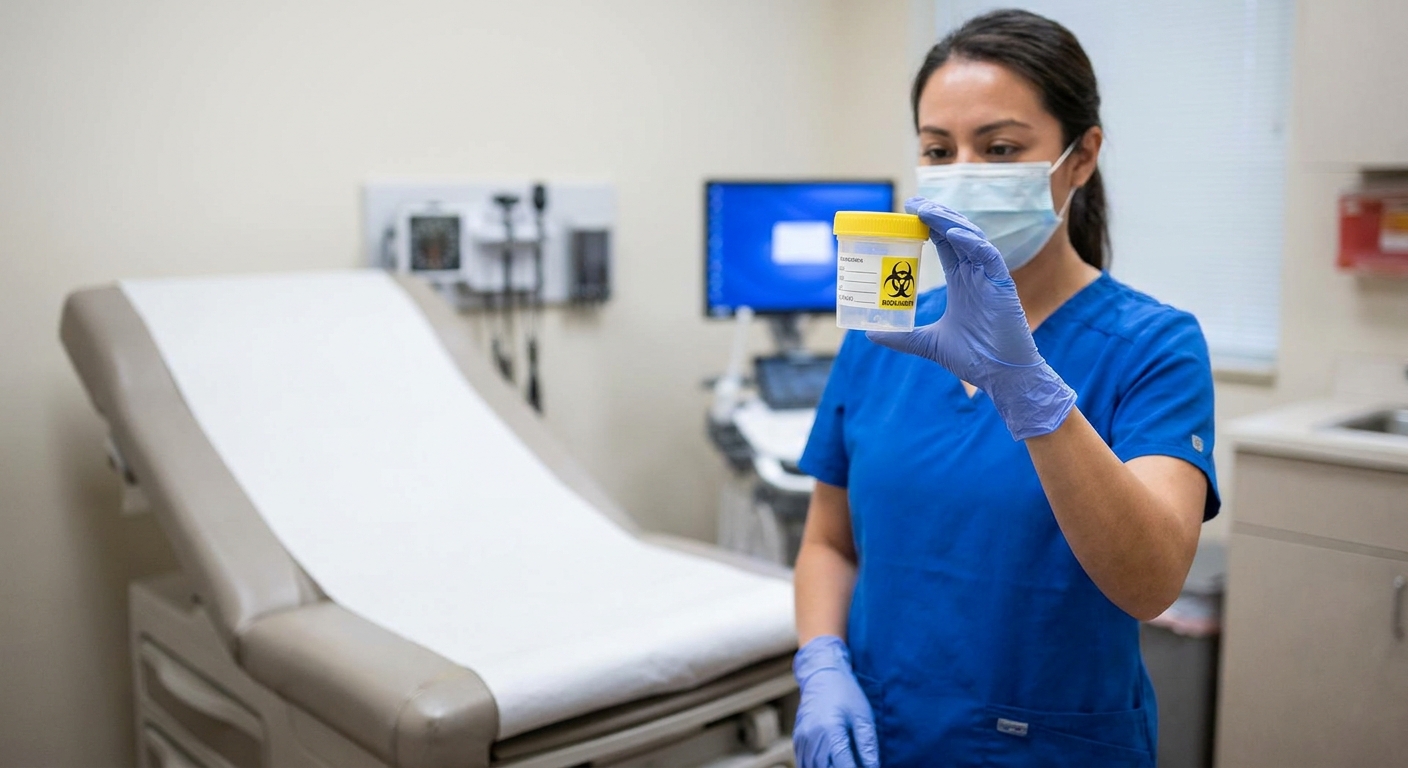
Timing matters too: get the sample to staff promptly. If you are collecting at home, follow the lab’s instructions about how quickly to drop it off and whether it should be refrigerated. Urine that sits too long at room temperature can allow bacteria to multiply or change the results.
If you are on your period, have heavy vaginal discharge, or have difficulty collecting a clean sample, tell your clinician. It does not mean you cannot be tested, but it may change how the sample is collected and interpreted.
Culture vs urinalysis
These tests are often ordered together, but they answer different questions.
Urinalysis (UA)
A urinalysis looks for signs of infection or other problems quickly. It may include:
- Dipstick results (like leukocyte esterase, nitrites, blood, protein).
- Microscopy (white blood cells, red blood cells, bacteria seen under the microscope, crystals).
A UA is fast, often same day. It can suggest infection, but it does not reliably identify which organism is causing it or which antibiotic will work.
Urine culture
A culture is slower because it grows organisms. It is used to:
- Confirm infection when the diagnosis is uncertain.
- Identify the organism.
- Guide antibiotic choice, especially if symptoms persist, infections recur, or resistant organisms are suspected.
In practice, a clinician might treat an uncomplicated UTI based on symptoms and UA, but order a culture when symptoms are severe, atypical, recurrent, occur in pregnancy, occur in men, occur with a catheter or urinary tract abnormalities, or do not improve as expected. In clinic, this is also where I saw cultures pay off most: they help you stop guessing.
Culture vs cytology
The words sound similar, but they are looking for very different things.
Urine culture
Looks for microbes (bacteria or yeast).
Urine cytology
Looks at human cells in the urine under a microscope, specifically to evaluate for abnormal or cancerous cells. Cytology may be considered when someone has certain patterns of blood in the urine or other risk factors, usually as part of a broader evaluation directed by a clinician.
If you are reading your report and see “cytology”, you are not looking at an infection culture report.
Common results
No growth
Often means no significant bacteria grew. If you still have UTI symptoms, possibilities include:
- Antibiotics taken before the sample that suppressed growth
- An organism that is harder to grow in standard culture conditions (sometimes called fastidious organisms)
- A non-UTI cause of symptoms (for example, irritation, vaginal infection, bladder pain syndrome, STI)
Upper-tract infections (kidney infections) often still have positive cultures, so when symptoms are severe but the culture is negative, clinicians think carefully about timing, prior antibiotics, and alternate diagnoses.
One organism with a meaningful count
“Positive for E. coli” (or another likely pathogen) with a significant colony count is a classic pattern for a bacterial UTI, especially when paired with symptoms and supportive urinalysis findings (like white blood cells).
Mixed flora
Often points to contamination, particularly in clean-catch specimens. In catheterized or complicated cases, mixed growth can occasionally be real, which is why collection method and symptoms matter so much.
Low colony count with symptoms
Can still be meaningful. This is where the full context matters: symptoms, urinalysis results, how the sample was collected, and whether antibiotics were taken recently.
Yeast
Yeast in urine can represent colonization, contamination, or a true infection depending on symptoms and risk factors. Your clinician may want a repeat sample and will consider whether treatment is necessary.
When culture matters most
In primary care, urine cultures are especially helpful when:
- You have recurrent UTIs
- Symptoms are severe or include fever, flank pain, or vomiting (possible kidney infection)
- You are pregnant
- You are a man with urinary symptoms
- You have a catheter or urinary tract abnormalities
- You are immunocompromised or have complex medical conditions
- Initial treatment did not help, or resistance is suspected
If you have a catheter, it is also worth knowing that bacteria in the urine can be common even without a true infection. Clinicians focus heavily on symptoms and the overall picture to avoid treating colonization unnecessarily.
When to get urgent care
Seek urgent care or prompt medical advice if you have urinary symptoms plus any of the following:
- Fever or chills
- Back or flank pain (pain near the ribs on either side)
- Nausea or vomiting
- Pregnancy with UTI symptoms
- Confusion or significant weakness, especially in older adults
- Inability to urinate or severe pelvic pain
- Visible blood in the urine that is new or heavy
These can be signs of a more serious infection or another condition that should not wait on routine culture timing.
FAQ
Can you have a UTI with a negative urine culture?
Yes. It can happen if the sample was taken after antibiotics, if the organism is difficult to grow, or if symptoms are coming from something other than a typical bladder infection. A clinician may repeat testing or look for other causes depending on your history and exam.
What does 100,000 CFU/mL mean?
It often means there is a higher amount of a microbe present, and when it is a single likely pathogen, it supports a diagnosis of UTI. Interpretation still depends on symptoms, the type of organism, and whether the sample appears contaminated.
What does mixed urogenital flora mean?
Usually that multiple types of bacteria grew, suggesting the specimen may have been contaminated during collection. If you have a catheter or a complicated urologic history, your clinician may interpret mixed growth differently.
Why is my urinalysis positive but my culture negative?
A UA can show inflammation (like white blood cells) or blood for reasons besides bacterial infection. Timing, recent antibiotics, dehydration, kidney stones, vaginal sources of blood, and other conditions can create UA changes without a positive culture.
Do I always need antibiotics if the culture is positive?
Not always. If you do not have symptoms, a positive culture can represent asymptomatic bacteriuria, which is not treated in most people, including many older adults, people with diabetes, and many people with long-term catheters. Important exceptions include pregnancy and certain urologic procedures. Your clinician should match the result to your symptoms and risk factors.