In clinic, one of the most confusing phone calls I get goes something like this: “My urine culture grew bacteria, but I feel fine. Do I have a UTI?”
Not necessarily. A urine test can show bacteria even when you have no urinary symptoms at all. That finding has a name: asymptomatic bacteriuria. And for most adults, the safest, most evidence-based plan is surprisingly simple: do not treat it.
Asymptomatic bacteriuria, explained
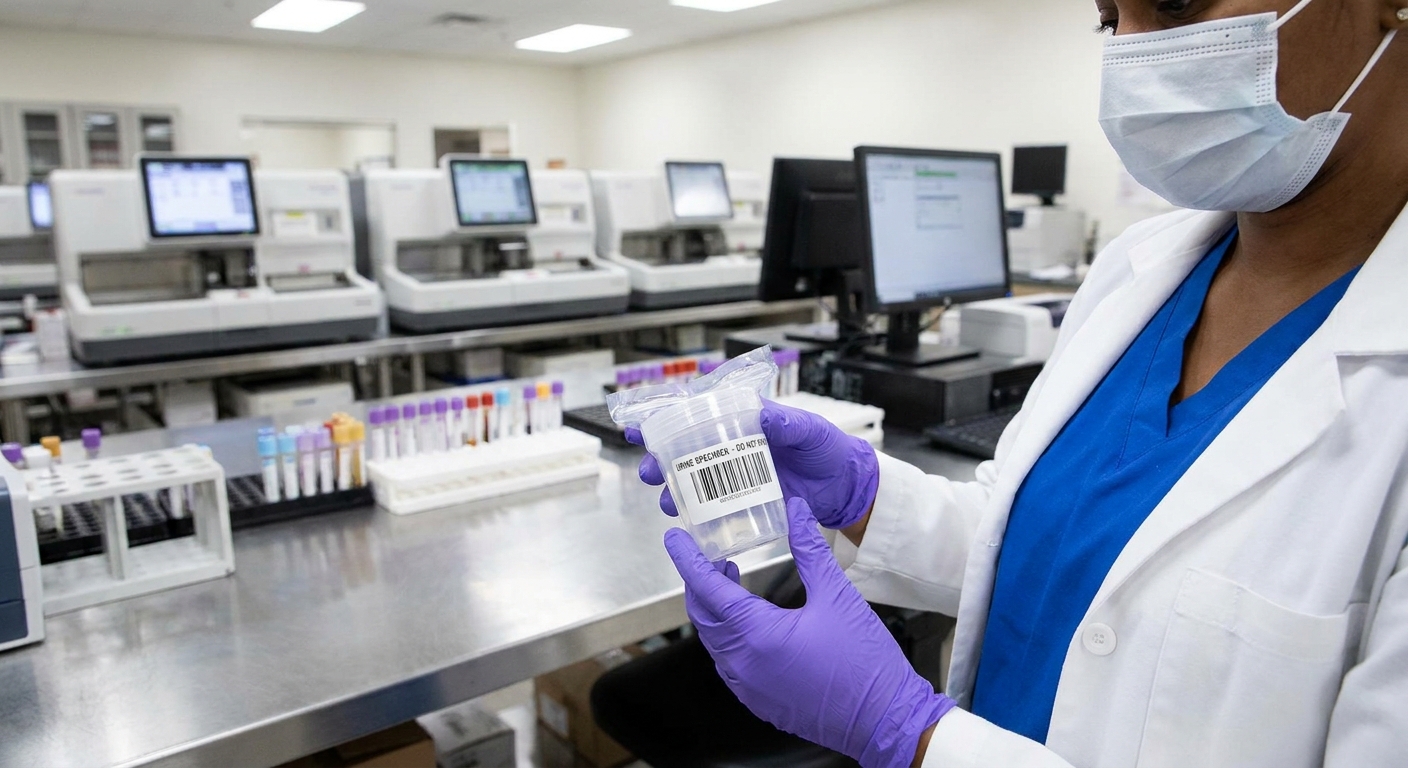
Asymptomatic bacteriuria (ASB) means bacteria are present in the urine (typically found on a urine culture) without symptoms of a urinary tract infection.
In other words, the test looks “positive,” but your body is not showing signs of infection.
What counts as “symptoms”?
When clinicians talk about UTI symptoms, we are usually referring to things like:
- Burning or pain with urination
- Urinary urgency (a sudden, intense need to pee)
- Urinary frequency (needing to pee much more often than usual)
- Lower belly or pelvic pain
- Blood in the urine
- Fever or chills
- Flank or back pain (which can suggest a kidney infection)
If you have none of those, but your culture shows bacteria, that is the classic ASB scenario.
Why bacteria can show up even when you feel fine
Urine is supposed to be sterile when it is in the bladder. But in real life, bacteria can appear on testing for a few common reasons:
- Colonization: Some bacteria live in or near the urinary tract without causing harm. This is more common as we get older and in people with certain medical conditions.
- Sample contamination: A “clean catch” sample can still pick up bacteria from the skin or genital area on the way into the cup.
- Normal variation: A single test result is one data point. Sometimes the right move is repeating the test only if symptoms appear, not chasing numbers.

Cloudy or smelly urine usually does not mean a UTI
This is a big one. Many people are told they have “infection” because their urine looks cloudy or has a strong odor. But cloudy urine and urine odor alone are not reliable signs of a UTI, especially in older adults.
Common non-infection causes include:
- Dehydration (more concentrated urine smells stronger)
- Foods and supplements (asparagus is famous for this)
- Vitamins (especially B vitamins)
- Vaginal discharge mixing with urine
If there is no burning, urgency, frequency, fever, pelvic pain, or flank pain, a positive culture often reflects ASB, not a true symptomatic UTI.
Why most adults should not be treated
It feels counterintuitive, but treating asymptomatic bacteriuria in most adults does not improve outcomes. It usually does not prevent future UTIs, and it does not “protect” the kidneys.
What it can do is cause harm:
- Antibiotic side effects such as nausea, diarrhea, rash, yeast infections, and medication interactions
- C. difficile infection, a serious antibiotic-associated intestinal infection
- Antibiotic resistance, making future infections harder to treat
- Disrupting normal bacteria in the gut and urinary tract
In plain terms: treating bacteria that are not causing symptoms can select for tougher germs, which is the opposite of what we want.
The main exception: pregnancy
Pregnancy is the major reason we treat asymptomatic bacteriuria.
During pregnancy, physiologic changes in the urinary tract can make it easier for bacteria in the bladder to move upward and cause a kidney infection (pyelonephritis). Kidney infections during pregnancy can be dangerous for both the pregnant person and the baby.
That is why many prenatal care plans include screening urine cultures and treating asymptomatic bacteriuria when found.
What to do if you are pregnant and a culture is positive
- Follow up promptly with your OB-GYN or midwife.
- Ask whether the bacteria amount and type meets criteria for treatment.
- Ask if a repeat culture is needed after treatment to confirm clearance.
Catheters change the rules
If you have a urinary catheter, the situation is different. Catheters make it much easier for bacteria to enter and hang around in the urinary tract. As a result, bacteria in the urine is extremely common with both short-term and long-term catheter use.
Two key points I share with patients and caregivers:
- A positive urine culture with a catheter often reflects colonization, not a symptomatic infection.
- Symptoms matter even more in catheterized patients because the urine test is often “positive” by default.
When to worry with a catheter
Call your clinician urgently if any of the following occur:
- Fever or chills
- New flank or back pain
- Pelvic discomfort or suprapubic pain
- New confusion or significant decline that is not otherwise explained (especially along with fever or low blood pressure)
- Catheter obstruction, very low urine output, or severe leakage around the catheter
If a catheter-associated UTI is suspected, clinicians may also consider whether the catheter should be replaced and whether antibiotics are appropriate based on symptoms and culture results.

When asymptomatic bacteriuria might be treated
Outside of pregnancy, treatment is uncommon, but there are a few scenarios where a clinician may recommend antibiotics because the risk of complications is higher.
Examples can include:
- Before certain urologic procedures that are expected to cause bleeding in the urinary tract (your surgeon will give specific instructions)
- Some early post kidney-transplant situations, depending on the transplant center’s protocol and your individual risk factors
If you are not sure whether you fall into a group that should be treated, it is a great question to ask directly: “Is this asymptomatic bacteriuria, and if so, do I have any exception that changes management?”
How to read a urine culture result without panicking
Urine culture reports can look scary. Here is a calmer way to interpret them:
- Culture grew bacteria: This tells us bacteria were present, not that you have an infection that needs treatment.
- High colony counts: Higher numbers can increase confidence that bacteria were truly in the urine, but treatment still depends on symptoms and situation (like pregnancy).
- Mixed flora: Often suggests contamination from skin or genital bacteria during collection.
- White blood cells (WBCs) in urine: Can occur with irritation, dehydration, kidney stones, or inflammation, not just infection.
If you feel well, the most important “lab” is your body. Symptoms are what turn a test result into a diagnosis.
What to do if you have no symptoms
If your urine culture is positive but you feel fine, consider these practical next steps:
- Do not start leftover antibiotics or someone else’s prescription.
- Ask why the test was ordered in the first place. Urine testing “just to check” often creates confusion.
- Hydrate unless you have a medical reason to restrict fluids.
- Watch for true UTI symptoms over the next several days, especially burning, urgency, frequency, pelvic pain, fever, or flank pain.
- Follow pregnancy and procedure guidance carefully if either applies to you.
When to seek urgent care
Whether or not you have ASB, seek urgent evaluation if you develop:
- Fever (especially with urinary symptoms)
- Flank pain or significant back pain
- Nausea and vomiting with urinary symptoms
- Signs of dehydration or inability to keep fluids down
- Pregnancy plus any UTI symptoms
These can be warning signs of a kidney infection or a more serious illness that should not wait.
Quick FAQ
Is asymptomatic bacteriuria contagious?
No. It is not something you “catch” from someone in casual contact.
Can asymptomatic bacteriuria turn into a kidney infection?
In most nonpregnant adults, treating ASB does not reliably prevent future infections. In pregnancy, the risk of progression is higher, which is why ASB is treated.
Why did my clinician order a urine test if I had no symptoms?
Sometimes urine tests are ordered during routine evaluations, pre-op workups, or because of nonspecific concerns like odor or cloudy urine. If the test is not tied to symptoms, it often discovers ASB that does not need treatment.
If I have diabetes or I am older, shouldn’t I treat it “just in case”?
For most older adults, including those with diabetes, antibiotics are not recommended for ASB unless there is a specific exception (pregnancy, certain urologic procedures, and a few specialized situations). “Just in case” antibiotics can cause real harm.
The bottom line
Asymptomatic bacteriuria means bacteria show up on a urine culture but you do not have UTI symptoms. For most adults, including older adults with cloudy or smelly urine, it should not be treated.
Pregnancy is the main exception, because treating ASB helps prevent kidney infections and complications. And if you have a catheter, bacteria in the urine is common and management depends heavily on symptoms and overall clinical picture.
If you are ever unsure, bring the question back to basics: “What symptoms are we treating?” A good plan should make sense in your body, not just on a lab report.