In clinic, one of the scariest phrases I have to explain is “acute kidney injury,” often shortened to AKI. Not because it always leads to permanent kidney failure, but because it can escalate quickly if we do not find the cause and support the kidneys right away.
AKI is not a single disease. It is a syndrome, meaning a pattern of sudden kidney dysfunction that can be triggered by many different problems. The good news is that many cases are reversible, especially when the underlying issue is identified early.

Acute kidney injury, explained simply
Your kidneys act like high-powered filters. They clear waste products from your blood, balance fluids and electrolytes (like sodium and potassium), help regulate blood pressure, and support red blood cell production through hormone signaling.
Acute kidney injury means that this filtering and balancing function drops suddenly, usually over hours to days. It is typically recognized in one of two ways:
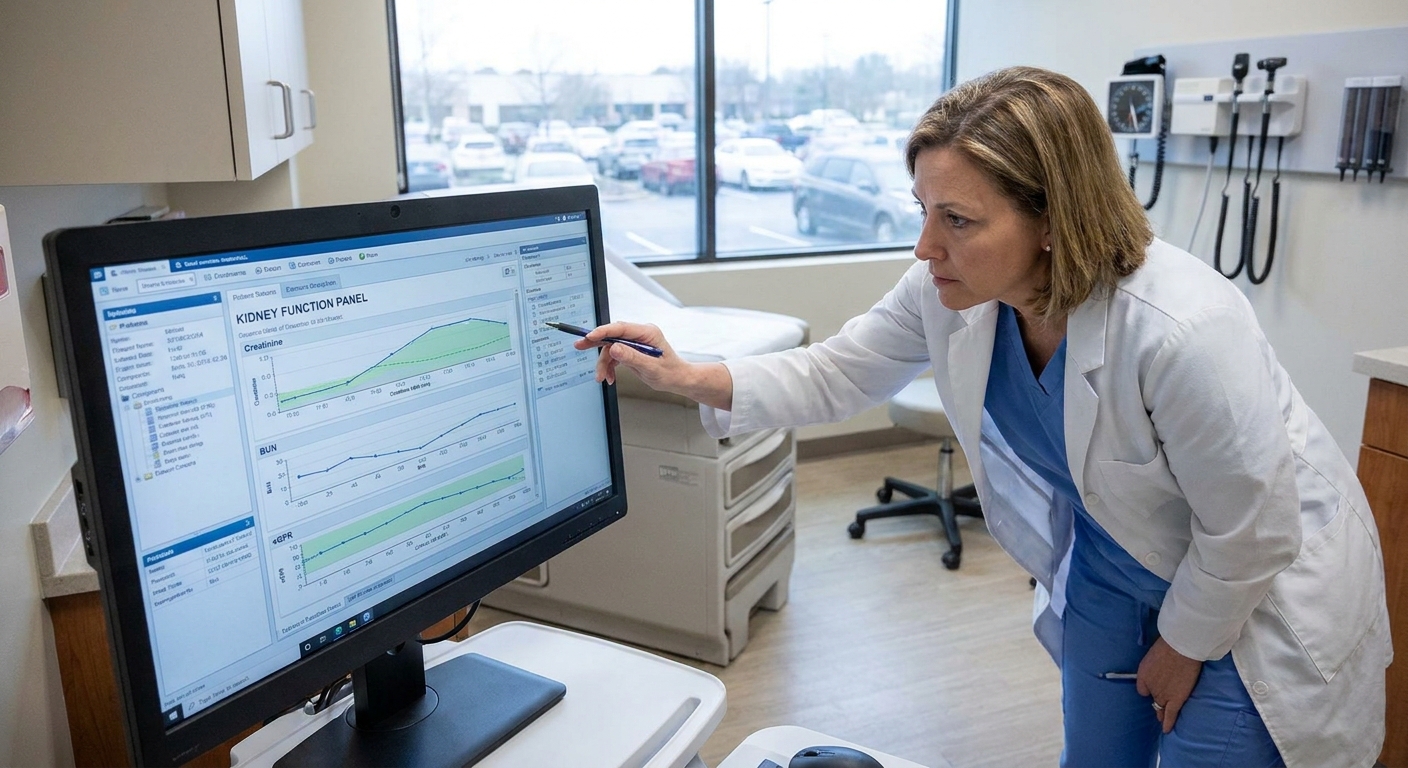
- A rise in creatinine (a waste product measured in blood tests) compared with your baseline
- A drop in urine output (making significantly less urine than expected)
Creatinine is not “kidney poison.” It is more like smoke from a fire. If creatinine is rising, it signals that the kidneys are not clearing waste as efficiently as they were before.
One important nuance: you can have AKI even if you are still peeing, and some people with severe AKI may still produce a normal-looking amount of urine. That is why labs and the overall clinical picture matter.
How doctors diagnose AKI
AKI is usually identified through a combination of symptoms, vital signs, and tests. In everyday practice, the starting point is often:
- Bloodwork showing rising creatinine and often rising BUN (blood urea nitrogen)
- Changes in urine output
- A triggering event such as dehydration, infection, new medication, surgery, urinary blockage, or heart problems
From there, clinicians try to answer two urgent questions: How severe is it? and What is causing it?
Common tests you may hear about
- Basic metabolic panel (BMP) or comprehensive metabolic panel (CMP): checks creatinine, BUN, potassium, sodium, bicarbonate, and more
- Urinalysis: looks for blood, protein, or signs of inflammation or infection
- Urine electrolytes or urine studies: can help suggest whether the kidneys are responding normally to dehydration versus having intrinsic damage
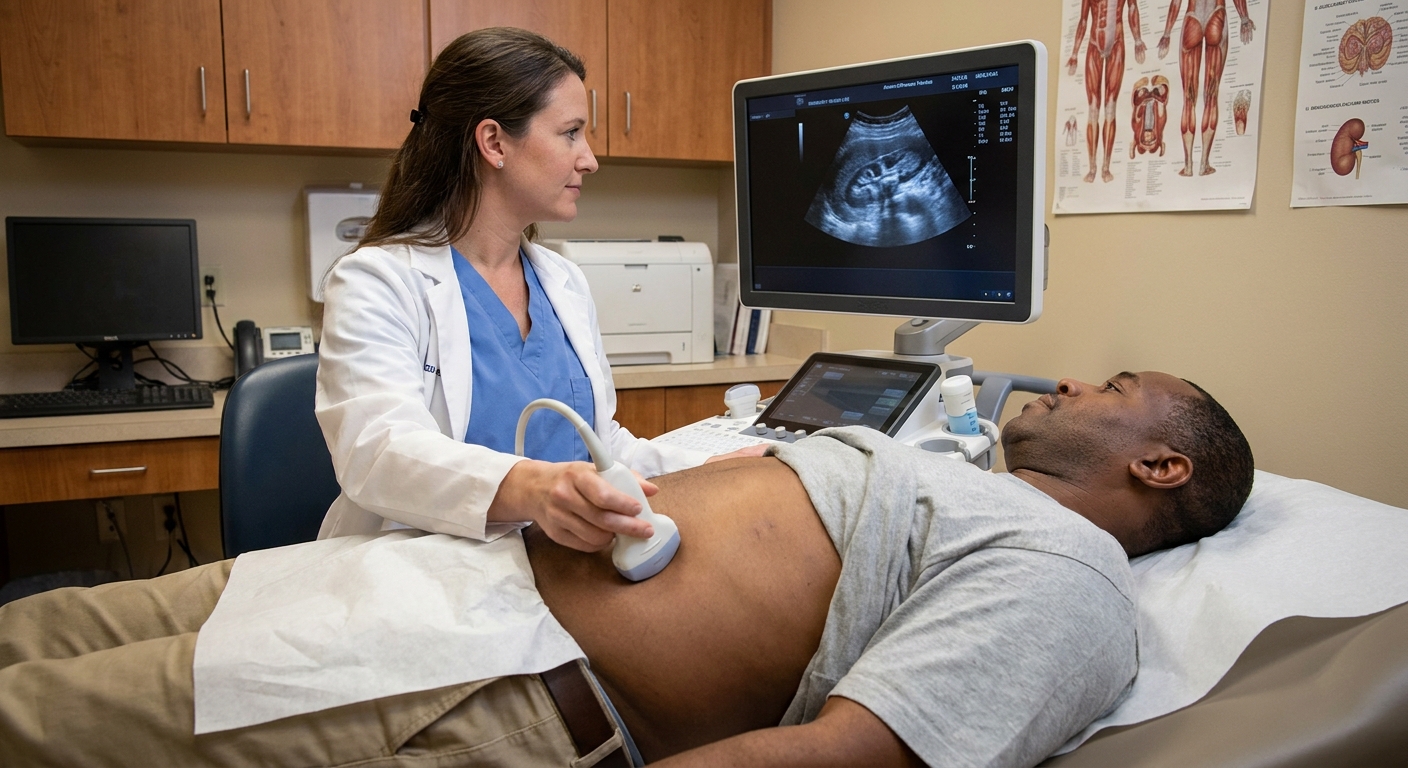
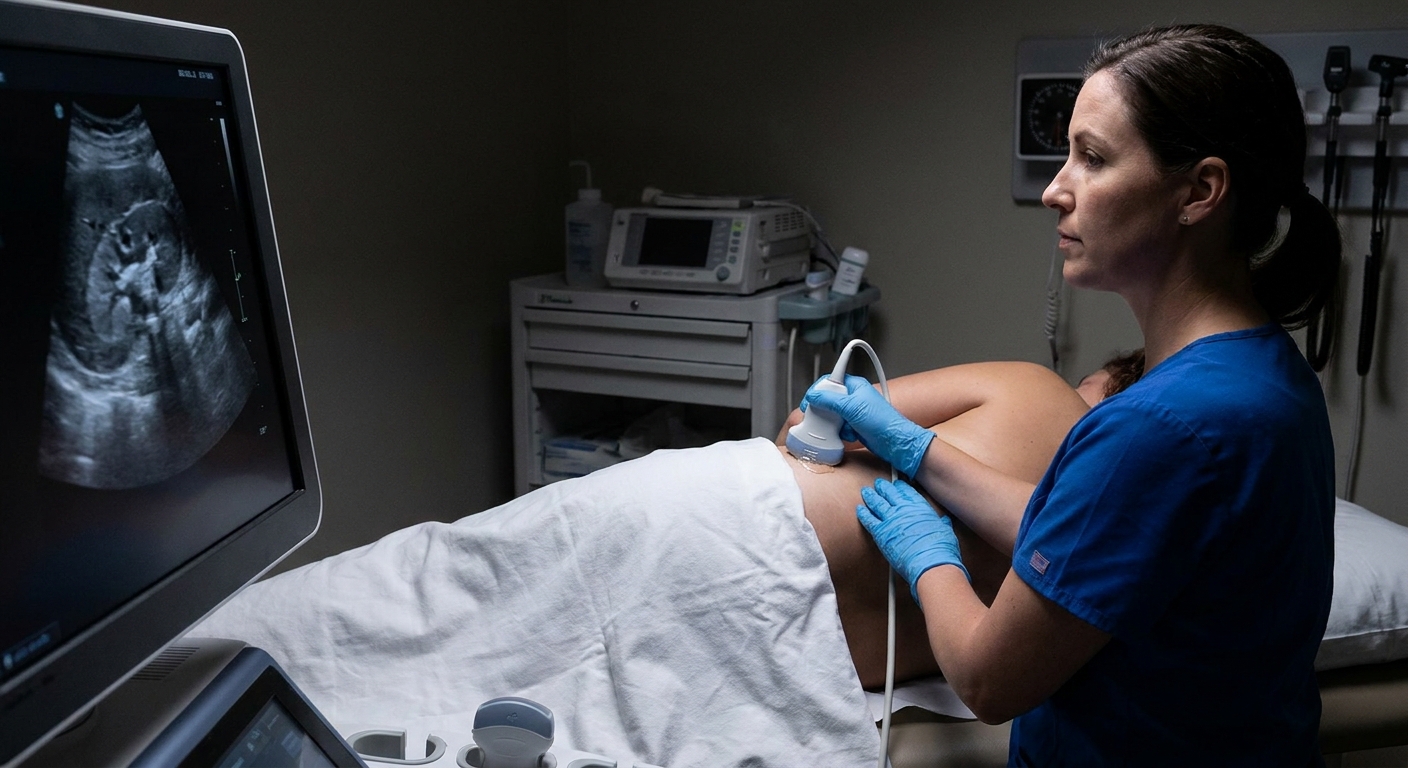
- Kidney ultrasound: checks for blockage and may show swelling of the kidney (hydronephrosis) if urine is backing up
- ECG (EKG): if potassium is high, to look for heart rhythm effects
The three big cause groups: prerenal, intrinsic, and postrenal
Clinicians often group AKI causes into three buckets based on where the problem starts. I like this framework because it turns a scary term into a solvable puzzle.
1) Poor blood flow to the kidneys (prerenal AKI)
This is the “not enough fuel reaching the filter” category. If the kidneys do not get adequate blood flow, they cannot filter properly.
Common examples include:
- Dehydration from vomiting, diarrhea, poor intake, heavy sweating, or overuse of diuretics (“water pills”)
- Blood loss
- Low blood pressure for any reason, including severe infection (sepsis)
- Heart failure or other conditions that reduce effective circulation
- Liver failure and certain advanced systemic illnesses
Prerenal AKI often improves when blood flow and fluid balance are corrected, but if it is prolonged, it can progress to direct kidney injury.
2) Direct kidney damage (intrinsic AKI)
This is the “filter is injured” category. The kidney tissue itself, the tiny tubules, the filters (glomeruli), or the interstitial tissue can be harmed.
Common examples include:
- Acute tubular injury from severe illness, low oxygen states, or prolonged low blood flow
- Kidney inflammation such as interstitial nephritis (sometimes medication-related)
- Glomerulonephritis (inflammation of kidney filters), often linked to immune conditions
- Toxins and drug effects, including some antibiotics, chemotherapy agents, lithium, and others
- Rhabdomyolysis (muscle breakdown releasing myoglobin that can damage kidneys), which can occur after crush injuries, prolonged immobilization, extreme exercise in rare settings, or certain drug and heat-related illnesses
If you are told you have intrinsic AKI, it does not automatically mean permanent damage, but it often requires closer monitoring and sometimes specialist care.
3) Blockage of urine flow (postrenal AKI)
This is the “drain is clogged” category. If urine cannot leave the kidney properly, pressure builds up and kidney function can drop quickly.
Common examples include:
- Kidney stones causing obstruction
- Enlarged prostate leading to urinary retention
- Tumors compressing the urinary tract
- Blood clots or scarring in the urinary tract
- Neurogenic bladder (bladder emptying problems related to nerve issues)
Blockage is a big reason ultrasound is ordered. When urine backs up, imaging may show swelling called hydronephrosis.

Symptoms of AKI: what you may notice (and what you might not)
AKI can be sneaky. Some people feel “off” but cannot put a finger on it, while others become very ill quickly depending on the cause.
Possible symptoms
- Less urine than usual
- Swelling in the legs, ankles, or around the eyes
- Shortness of breath from fluid buildup
- Nausea, vomiting, poor appetite
- Fatigue, confusion, trouble concentrating
- Muscle weakness or abnormal heart rhythms if electrolytes become imbalanced
- Flank pain in some obstruction-related cases
Also very common: no symptoms at all early on, with AKI discovered on routine lab work. This is especially true after surgery, during a hospitalization, or after starting certain medications.
When AKI is an emergency
I tell patients to trust their instincts here. If something feels seriously wrong, get seen urgently. Certain AKI-related situations are especially time-sensitive because they can affect breathing, heart rhythm, or brain function.
Seek emergency care now if you have
- No urine output or almost none over many hours, especially with illness, dehydration, or urinary retention
- Severe shortness of breath, new or worsening swelling, or inability to lie flat, which can signal fluid overload
- Chest pain, fainting, severe weakness, or palpitations
- Confusion, extreme sleepiness, or seizures
- Severe dehydration (dizziness, very dry mouth, inability to keep fluids down)
- Severe flank pain with fever or chills, which can suggest an infected obstruction
Why “dangerous potassium” matters
One of the most urgent complications of AKI is hyperkalemia, meaning potassium levels that rise high enough to affect the heart’s electrical system. It may not cause obvious symptoms until it becomes severe, which is why clinicians move quickly when potassium is elevated and order an ECG.
Treatment: what clinicians focus on first
AKI treatment depends on the cause, but the priorities are usually consistent: stabilize the patient, protect the kidneys from further stress, and correct the trigger.
Common early steps
- Reviewing medications and pausing or adjusting drugs that may worsen kidney function (only with clinician guidance)
- Optimizing fluid balance, which could mean IV fluids for dehydration or diuretics in fluid overload depending on the scenario
- Treating infection promptly if sepsis or severe infection is involved
- Relieving obstruction if urine flow is blocked (for example, catheter placement for urinary retention, or urology procedures for stones or other blockages)
- Correcting electrolyte imbalances, especially potassium and acid-base issues
- Monitoring closely with repeat labs and tracking urine output
Will I need dialysis?
Not everyone with AKI needs dialysis. Dialysis is considered when the kidneys cannot keep up and complications become dangerous, such as:
- Severe fluid overload affecting breathing
- Potassium levels that remain dangerously high despite treatment
- Severe metabolic acidosis (blood becoming too acidic)
- Uremic complications, such as certain heart or neurologic symptoms
Sometimes dialysis is temporary while kidneys recover. For other people, AKI can be the event that reveals advanced chronic kidney disease that was already present.
How recovery is tracked
One of the hardest parts of AKI is the waiting. Kidney tissue often heals more slowly than people expect, even after the initial trigger is corrected.
Markers clinicians follow
- Creatinine trend: Is it stabilizing, rising, or falling?
- Urine output: Are you making an appropriate amount of urine for your intake and body size?
- Electrolytes: Potassium, sodium, bicarbonate, phosphate
- Fluid status: daily weight, swelling, lung exam findings, blood pressure
- Symptoms and energy: appetite, nausea, breathing comfort, mental clarity
Recovery is often described as:
- Complete recovery: creatinine returns close to baseline and symptoms resolve
- Partial recovery: improvement occurs but creatinine does not return all the way to baseline
- Progression to chronic kidney disease (CKD): kidney function remains reduced long-term
What “back to normal” can look like
In real life, recovery is not always a straight line. Creatinine may plateau for a bit before dropping. Urine output may increase earlier than lab numbers improve, or vice versa. Your care team may schedule repeat labs after discharge because AKI can continue to evolve for days to weeks.
Who is at higher risk for AKI?
Anyone can develop AKI, but certain factors raise risk:
- Age over 65
- Existing chronic kidney disease
- Diabetes, high blood pressure, heart failure
- Serious infection, major surgery, or hospitalization
- Dehydration risk (ongoing vomiting/diarrhea, limited access to fluids, intense heat exposure)
- Use of multiple medications that affect kidney blood flow or fluid balance
If you have risk factors, the most protective step is often simple: get checked early when you are sick, especially if you cannot stay hydrated or you notice reduced urine.
Questions I want you to ask if you or a loved one is diagnosed with AKI
When people are scared, it is easy to nod along and miss key details. These questions can help you advocate for yourself without needing to speak medical jargon.
- What do you think is causing the AKI: poor blood flow, direct kidney damage, or blockage?
- What is my baseline creatinine, and what is it now?
- Am I making enough urine? Should we be measuring it?
- Is my potassium normal? Are there ECG changes?
- Do any of my medications need to be stopped or adjusted right now?
- Do I need imaging to check for a blockage?
- What is the plan for follow-up labs after I go home?
AKI prevention: realistic steps that help
Not every case is preventable, but many are. In my experience, prevention is mostly about catching dehydration, medication issues, and urinary blockage early.
Everyday prevention tips
- Hydrate during illness and seek care if you cannot keep fluids down or you have ongoing diarrhea
- Be cautious with NSAIDs (like ibuprofen or naproxen), especially if you are dehydrated, older, or have kidney disease. Ask your clinician what is safe for you.
- Follow sick-day guidance from your healthcare team if you have diabetes, heart failure, or kidney disease and you are taking medications that affect fluid status
- Do not ignore urinary retention (the feeling you cannot empty your bladder), especially in older men or after surgery
- Get recommended lab monitoring if you start medications that can affect the kidneys

FAQ
Is acute kidney injury the same as kidney failure?
AKI means a sudden drop in kidney function. Some people use “kidney failure” to describe severe AKI, but AKI can be mild, moderate, or severe. Many cases improve with treatment, especially when addressed early.
How fast can AKI happen?
It can develop over hours to days. That is why it is treated as urgent, particularly when urine output drops or electrolytes become abnormal.
Can kidneys recover after AKI?
Yes, many people recover fully or mostly, depending on the cause, how quickly treatment started, and whether there was pre-existing kidney disease. Recovery is tracked by creatinine trends, urine output, and overall stability in electrolytes and fluid balance.
If my creatinine is high, does that always mean AKI?
Not always. Creatinine can be elevated from chronic kidney disease or from having a naturally higher baseline due to muscle mass. What matters is the change from your baseline, the time course, your symptoms, and other lab and urine findings.
What should I do if I was told I have AKI on labs?
Contact the clinician who ordered the labs the same day if possible. If you have red-flag symptoms like very low urine output, severe weakness, confusion, chest symptoms, or shortness of breath, go to urgent care or the emergency department.
A final word from me
If you are reading this because you or someone you love was just diagnosed with acute kidney injury, please know this: AKI is common, and it is something clinicians take very seriously because action often makes a real difference. Ask what category your AKI likely falls into, make sure obstruction has been considered, and get clarity on your follow-up plan. You deserve to understand what is happening in your body.