In the family clinic, I have seen the same moment play out again and again: someone opens their lab portal, spots a low eGFR or the words “kidney disease,” and their mind jumps straight to dialysis. Take a breath. Chronic kidney disease, or CKD, is common. It often progresses slowly, and there is a lot we can do to protect kidney function once we catch it.
Let’s walk through what CKD actually means, how it is diagnosed, what the stages tell us, and when a nephrology referral is usually discussed.
What chronic kidney disease means
Chronic kidney disease means there are abnormalities of kidney structure or function that are present for more than three months and have health implications. That time frame matters, because kidneys can temporarily look worse during dehydration, an infection, a medication side effect, or after a hospitalization. CKD is about changes that persist.
Clinicians typically diagnose CKD when one or both of these are present for three months or more (often confirmed by repeat testing and review of prior labs):
- Reduced filtration: an estimated glomerular filtration rate, or eGFR, that stays below 60 mL/min/1.73m².
- Markers of kidney damage even if eGFR is 60 or higher, such as albumin (protein) in the urine, persistent blood in the urine from a kidney source, structural changes on imaging, or certain biopsy findings.
Albumin in the urine is especially important. It is often one of the earliest signs that the kidney’s filters are under strain, particularly with diabetes or high blood pressure, and it also helps predict future risk.
What your kidneys do
Your kidneys are your body’s high-performance filters. They:
- remove waste products and extra fluid
- help control blood pressure through hormone signaling and salt balance
- keep minerals in range, including potassium, sodium, calcium, and phosphorus
- support healthy red blood cell production (through erythropoietin)
- activate vitamin D, which matters for bone health
CKD can affect any of these jobs, especially as kidney function declines.
Common causes
There are many causes of CKD, but in primary care the “big two” I watch for are diabetes and high blood pressure. They are common, they often travel together, and they can quietly injure the kidneys over years.
Diabetes
When blood sugar runs high over time, it can damage the tiny blood vessels and filters in the kidneys. Early on, the kidneys may start “leaking” albumin into the urine. That is why routine diabetes care includes checking:
- urine albumin-to-creatinine ratio (uACR)
- blood creatinine so we can calculate eGFR
Good glucose control, along with kidney-protective medications when appropriate, can significantly slow progression.
High blood pressure
Blood pressure is pressure inside delicate blood vessels. If the pressure is persistently high, it scars kidney tissue over time. On the flip side, CKD itself can raise blood pressure, creating a cycle that needs careful management.
If you have CKD, your clinician will usually focus on a blood pressure plan that is realistic for you, and on medications that can lower pressure while also protecting the kidneys.

How CKD is found
CKD is often discovered through routine labs, especially if you have risk factors like diabetes, high blood pressure, cardiovascular disease, a family history of kidney disease, or if your risk is rising with age.
Common tests used
- eGFR (blood test): calculated from creatinine (and sometimes cystatin C). It estimates filtering ability.
- Urine albumin-to-creatinine ratio (uACR): checks for albumin leakage in the urine.
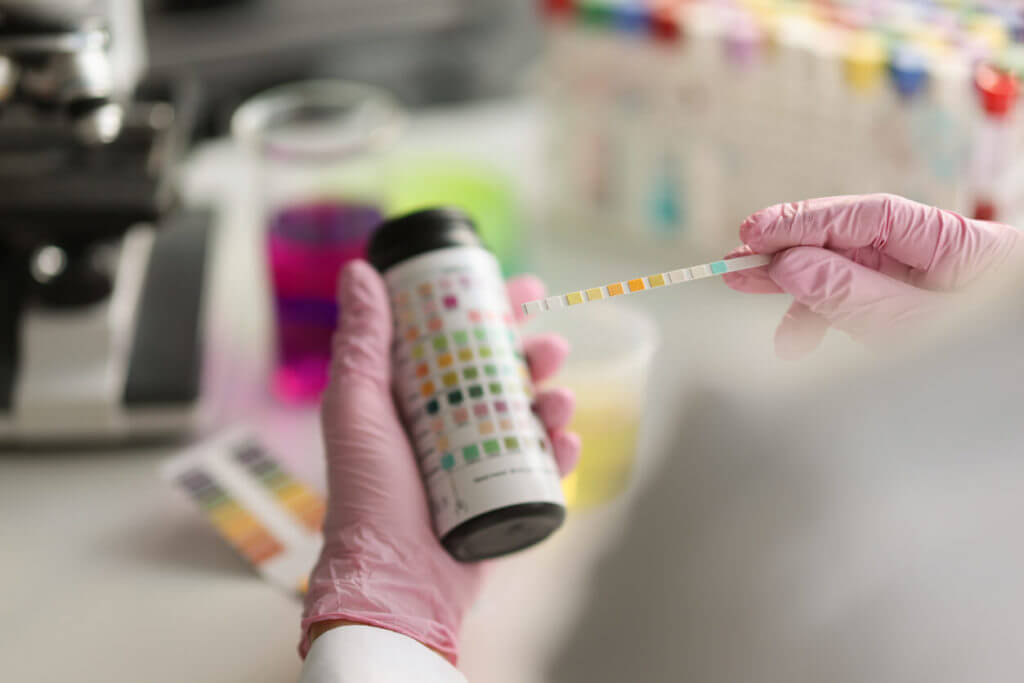
- Urinalysis: looks for blood, protein, and other clues.
- Kidney ultrasound or other imaging: may be used if there is concern for blockage, cysts, stones, or structural problems.
Because the diagnosis requires more than three months, your clinician will often repeat labs to confirm whether a change is persistent and to rule out a short-term issue like dehydration, a medication effect (for example, NSAIDs), or a recent illness.
In real life, that often looks like this: we recheck sooner (sometimes within a few weeks) if we are worried about an acute issue, and then we confirm chronicity by showing the abnormality is still there at or beyond the three-month mark.
eGFR trends matter
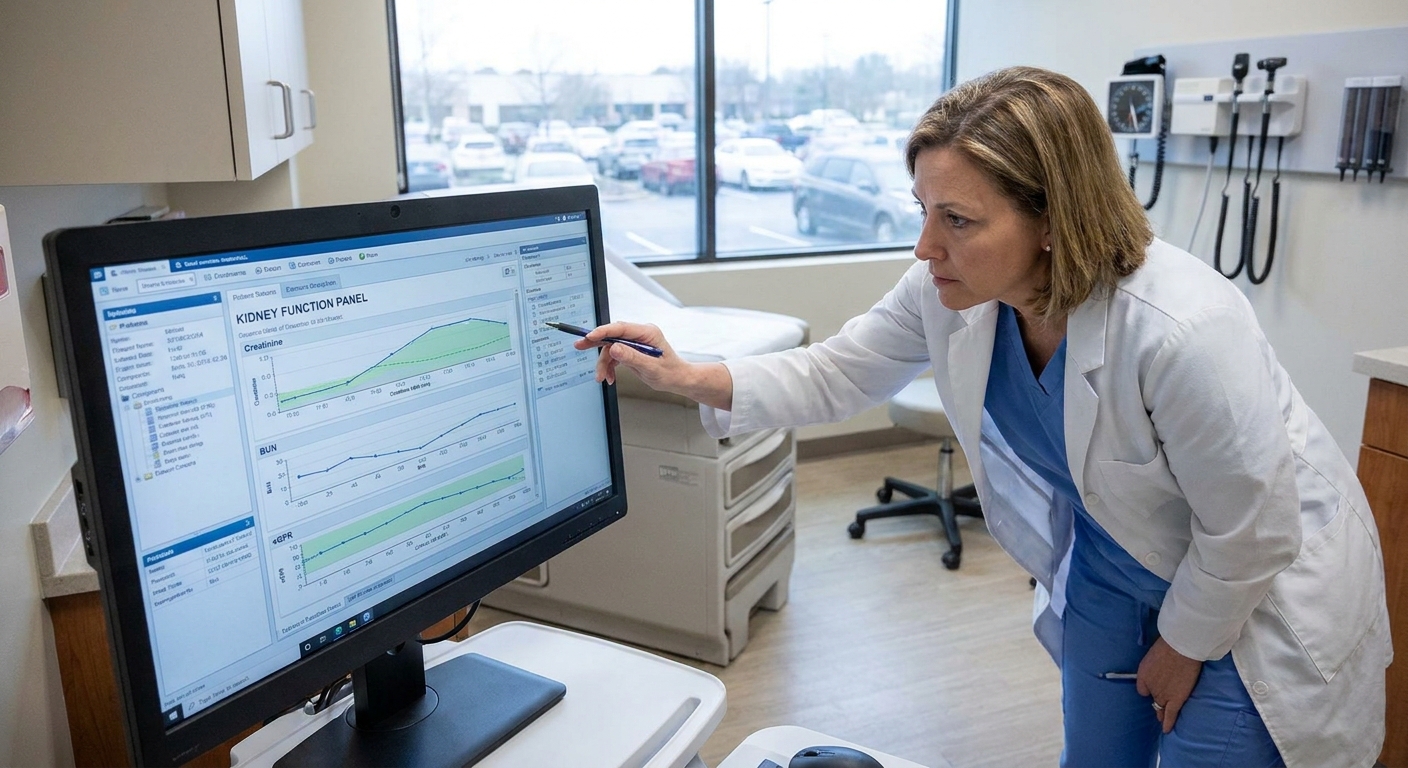
One eGFR result is a snapshot, not a verdict. eGFR can shift with hydration, recent illness, medication changes, lab-to-lab variation, and even changes in muscle mass.
That is why I focus on the trend and the context. If the picture is unclear, clinicians may use a confirmatory test like cystatin C to refine the estimate of kidney function.
CKD stages
CKD is staged mainly by eGFR (how well the kidneys filter). Many clinicians also pair this with albumin levels in the urine because eGFR and uACR together give a better picture of risk.
Stages based on eGFR
- Stage 1: eGFR 90 or higher with evidence of kidney damage (often albumin in urine). Follow-up focuses on the cause, risk-factor control, and periodic monitoring.
- Stage 2: eGFR 60 to 89 with evidence of kidney damage. Monitoring continues, and protecting kidneys becomes a clear priority.
- Stage 3a: eGFR 45 to 59. This is a meaningful drop in filtering. Clinicians typically begin more structured monitoring for complications like anemia, bone and mineral changes, and medication dosing adjustments.
- Stage 3b: eGFR 30 to 44. Risks increase, and follow-up is usually more frequent. Nephrology involvement is more commonly discussed here, depending on the full picture.
- Stage 4: eGFR 15 to 29. This is severe loss of function. Planning becomes important, including tighter complication monitoring and preparation for possible advanced therapies if progression continues.
- Stage 5: eGFR below 15. This is kidney failure. Dialysis is typically started based on symptoms or complications (not a single lab cutoff), and many people at this stage also discuss transplant evaluation or dialysis education as part of planning.
Albumin levels
uACR results are often grouped into broad categories. The key idea is simple: higher uACR usually means higher risk, even when eGFR is still fairly strong. If you know your number, ask your clinician what it means for your personal risk and monitoring plan.
What follow-up usually includes
Follow-up frequency is individualized, but in general, as CKD stage increases or albumin in urine rises, clinicians tend to monitor more closely. Visits and labs often focus on:
- trend in eGFR over time (not just one result)
- uACR or other urine protein testing
- blood pressure and home readings, if available
- electrolytes (especially potassium and bicarbonate)
- anemia screening (CBC, iron studies as needed)
- bone and mineral labs (calcium, phosphorus, parathyroid hormone, vitamin D, based on stage)
- medication review for kidney-safe dosing and avoiding harmful combinations
If you take multiple medications, CKD is a good reason to ask, “Is this dose still appropriate for my current eGFR?” It is a simple question that prevents a lot of problems.
When nephrology is involved
Nephrologists are kidney specialists. A referral does not automatically mean dialysis is around the corner. More often, it means you and your primary care clinician want a specialist’s help to slow progression, clarify the cause, or manage complications.
Referral timing can vary by local guidelines and the details of your case, but it is commonly discussed when any of the following apply:
- eGFR is persistently below 30 (Stage 4 or worse)
- rapid decline in kidney function, such as a sustained drop on repeat labs over months or a steep year-over-year fall
- significant albuminuria (higher uACR levels), especially if persistent despite treatment
- uncertain cause of kidney disease, or concern for inflammatory or hereditary kidney conditions
- blood or protein in urine that suggests a kidney source and needs deeper evaluation
- hard-to-control blood pressure despite an appropriate medication plan
- recurrent kidney stones or structural concerns on imaging
- complications such as difficult-to-manage high potassium, metabolic acidosis, or worsening anemia
- planning for advanced CKD, including transplant evaluation or dialysis education when appropriate
If you are on the fence about a referral, I often tell patients this: nephrology can be most helpful before things are urgent.
Symptoms
Early CKD often has no symptoms. That is one reason screening matters when you have risk factors.
As kidney function declines, symptoms may include:
- fatigue or low energy
- swelling in ankles or around the eyes
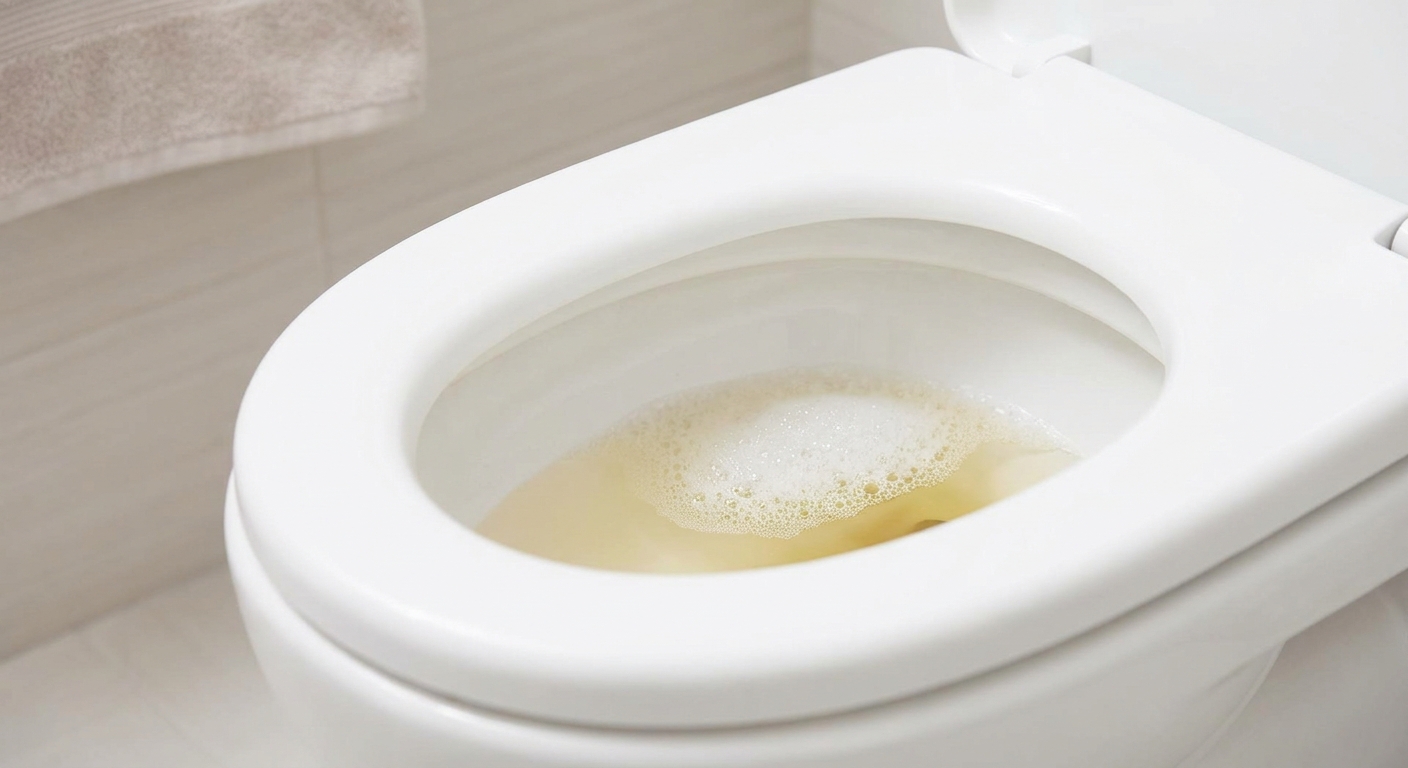
- foamy urine (a possible sign of protein in urine)
- changes in urination (more or less than usual)
- itching, nausea, reduced appetite
- shortness of breath (from fluid overload or anemia)
These symptoms are not specific to CKD, which is why lab trends are so important.
Protecting kidney function
Kidney protection is rarely one magic step. It is a set of steady habits and medical follow-through that add up.
- Control blood pressure: take medications as directed and bring home readings to visits when possible.
- Manage diabetes: aim for glucose targets you and your clinician agree on. Ask how often you should check uACR and eGFR.
- Ask about kidney-protective medications: many people with albumin in the urine benefit from medications such as ACE inhibitors or ARBs. For some patients, newer options like SGLT2 inhibitors (and in select situations other kidney-protective agents) can add additional protection. The right choice depends on your labs, blood pressure, and other conditions.
- Review medications and supplements: avoid unnecessary NSAIDs (like ibuprofen or naproxen) and ask about kidney-safe dosing for all prescriptions and over-the-counter products.
- Quit smoking: smoking accelerates kidney and blood vessel damage.
- Choose kidney-friendly nutrition: many people benefit from moderating sodium and getting individualized guidance on protein, potassium, and phosphorus based on stage and labs.
- Stay hydrated appropriately: not too little, not too much. If you have heart failure or fluid restrictions, follow your plan.
- Stay up to date on vaccines: flu and COVID vaccines matter for everyone, and people with more advanced CKD may be offered additional protection (for example, pneumococcal and hepatitis B) based on age, stage, and risk.
- Keep follow-up appointments: CKD management is about trends and prevention.

Questions to ask
If you have been told you have CKD or possible CKD, these questions can help you leave the visit with clarity:
- What is my current eGFR, and what was it three months ago?
- Do I have albumin in my urine (uACR)? If yes, how high is it?
- What do you think is the most likely cause of my CKD?
- How often should I repeat eGFR and uACR?
- Do any of my medications need dose adjustments for my kidney function?
- At what point would you recommend a nephrology referral for me?
When to seek urgent care
CKD is chronic, but certain symptoms deserve prompt evaluation, especially if they are new or worsening:
- chest pain, severe shortness of breath, or fainting
- confusion, severe weakness, or inability to stay awake
- very little urine output, or sudden major swelling
- persistent vomiting and inability to keep fluids down
- signs of very high potassium (such as severe weakness or palpitations), especially if you have known kidney disease
If you are unsure, it is always reasonable to call your clinician’s office or seek urgent care guidance. Your safety matters more than “waiting it out.”
Bottom line
Chronic kidney disease means the kidneys have ongoing changes in structure or function that last more than three months and affect health. Diabetes and high blood pressure are the most common drivers, and both are treatable targets. The stage of CKD and the amount of albumin in the urine help guide how closely you are followed and when a nephrology referral is worth discussing.
If you take away one thing, let it be this: CKD is often a “slow story,” and the earlier you understand your numbers and your plan, the more power you have to protect your kidneys for the long haul.