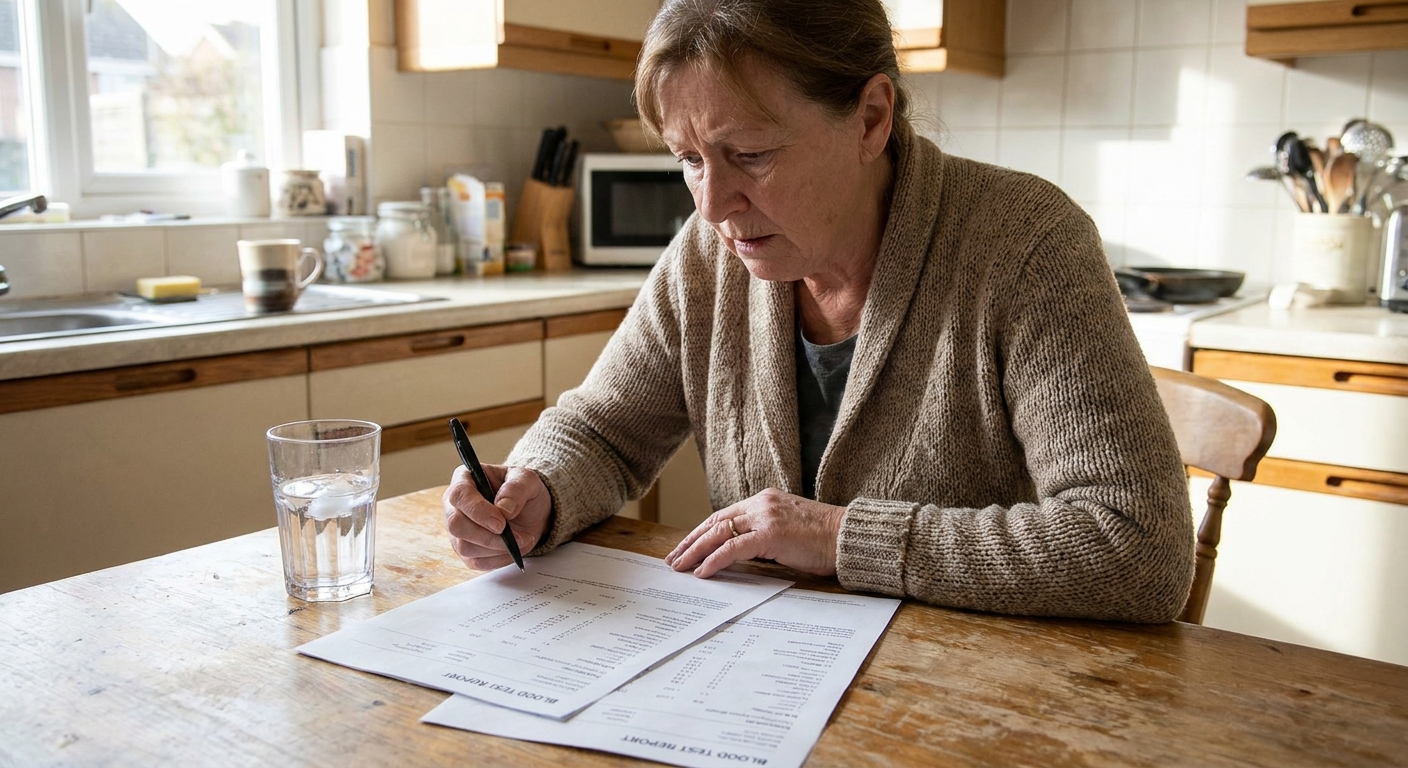
I still remember patients from the rural clinic where I started as a nurse, holding a lab printout like it was a verdict. One of the most stressful numbers for many people is eGFR. It shows up in routine bloodwork, after a CT scan with contrast, during pregnancy, or when you are sick and dehydrated. And it is easy to misread it as a simple pass or fail.
In real life, eGFR is best thought of as a useful estimate that needs context. It can point to kidney disease, but it can also dip temporarily from something fixable like dehydration, a medication effect, or a short-term illness. Let’s walk through what the number means and how to interpret it safely.
What eGFR measures
eGFR stands for estimated glomerular filtration rate. It is an estimate of how much blood your kidneys filter each minute, adjusted to a standard body surface area. Filtering is one of the kidneys’ main jobs. It is how your body clears waste products and extra fluid while keeping the things you need, like proteins and electrolytes, in balance.
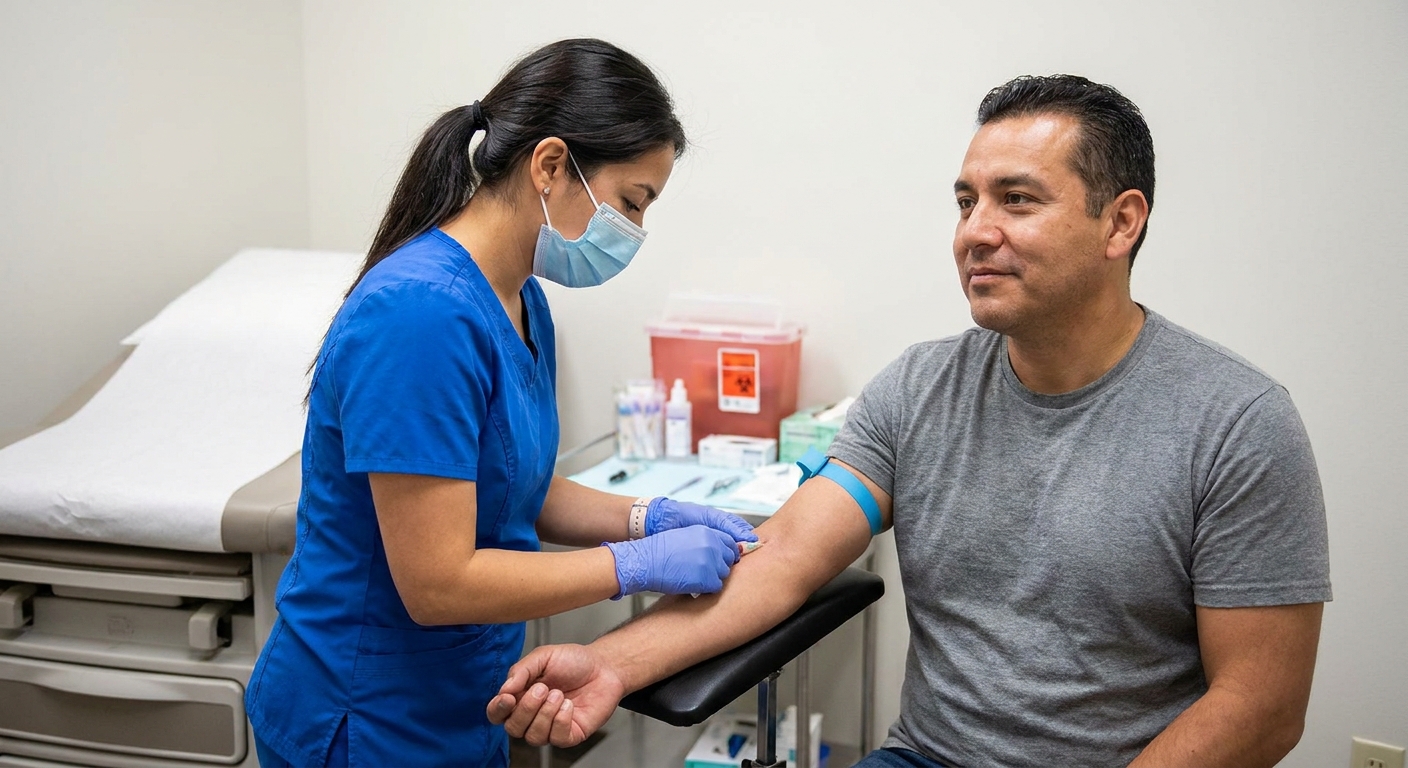
The word estimated matters. Your lab is not directly measuring filtration with a timed urine collection and injected markers in most cases. Instead, it uses a formula to estimate filtration based on a blood test.
How eGFR is calculated
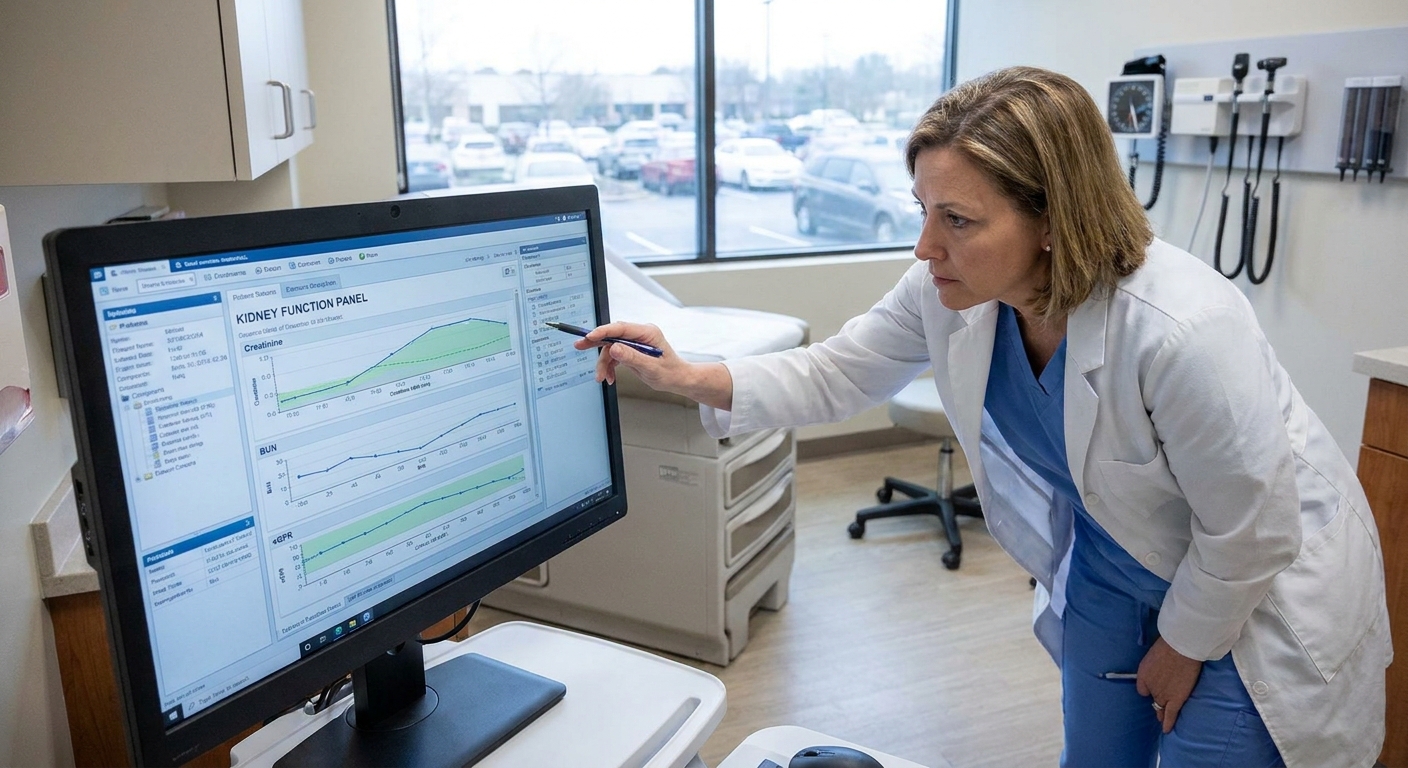
Most eGFR results are calculated from your serum creatinine, plus your age and sex. Creatinine is a waste product made by muscle. Healthy kidneys remove it from the blood, so when kidney filtration slows, creatinine tends to rise.
Many labs now use equations updated in recent years that do not include race. You may still see different equation names on your report. Regardless of the equation, the big idea is the same: the lab uses creatinine and demographic factors to estimate filtration.
Why creatinine can mislead
Creatinine is influenced by more than kidney function. For example:
- Muscle mass: Very muscular people often run higher creatinine with normal kidney function, while people with low muscle mass (older adults, people with frailty, some chronic illnesses) can have deceptively low creatinine.
- Diet and supplements: A very high meat intake or creatine supplements can bump creatinine up.
- Illness and hydration: Vomiting, diarrhea, fever, or poor fluid intake can change your lab values temporarily.
This is one reason eGFR should be interpreted with your full clinical picture, not in isolation.
Normal eGFR range
For many healthy adults, an eGFR above 90 is considered normal. But “normal” is not one number for every person at every age.
eGFR declines with age
Kidney filtration tends to gradually decrease as we get older. That does not automatically mean disease. It means a mildly lower eGFR in an older adult can be expected, especially if there are no other signs of kidney damage.
This is where people can get scared by a number like 65 or 72, especially if they are used to seeing values in the 90s years ago. In an otherwise healthy older adult, that can be a normal age-related change, but it still deserves a thoughtful review by a clinician who knows your history.
Common interpretation ranges
Clinicians often use eGFR categories to guide next steps:
- 90 or higher: usually normal kidney function if there are no other abnormal findings.
- 60 to 89: can be normal for many people, especially with aging, but may suggest early kidney disease if there are other markers (like protein in the urine).
- 45 to 59: may indicate moderate reduction, often followed more closely.
- 30 to 44: moderate to severe reduction, typically needs closer monitoring and medication review.
- 15 to 29: severe reduction, usually managed with nephrology involvement.
- Below 15: kidney failure range, needs urgent specialist-level planning and evaluation.
Important nuance: Chronic kidney disease (CKD) is not diagnosed from a single eGFR. CKD generally requires reduced eGFR and or markers of kidney damage for at least 3 months.
Why a low eGFR is repeated
If your eGFR comes back lower than expected, it is common for your clinician to repeat it. That is not procrastination. It is good medicine.
Temporary changes are common
Your kidneys are sensitive to changes in blood flow and hydration. A low eGFR on one test can happen with:
- Dehydration from poor intake, heat exposure, vomiting, diarrhea, or heavy sweating
- Acute illness, including infections
- Recent intense exercise
- Recent contrast dye in some imaging studies
- A new medication that affects kidney blood flow or creatinine handling
When the underlying trigger resolves, eGFR can return toward your baseline.
Trends matter most
In clinic, I often describe eGFR like a single frame from a movie. It tells us what was happening at one moment. What we really need is the plot: your prior labs, your symptoms, your blood pressure, your urine testing, and whether the number is stable, improving, or worsening.

What eGFR cannot tell you
People understandably want eGFR to answer one direct question: “What is wrong with my kidneys?” The challenge is that many different situations can produce a similar eGFR, especially if the change is mild to moderate.
Dehydration, meds, or chronic disease
A lower eGFR can occur from:
- Dehydration: less blood flow through the kidneys can temporarily reduce filtration.
- Medication effects: some drugs change kidney blood flow, and some change how creatinine is handled, which can shift the number without permanent damage.
- Obstruction: a blockage that prevents urine from draining (for example, a kidney stone or an enlarged prostate) can affect kidney function.
- Chronic conditions: diabetes, high blood pressure, autoimmune disease, and long-standing kidney damage can cause a persistent reduction.
All of these can show up as “low eGFR,” but the treatment and urgency are different. That is why clinicians look for clues in your symptoms, exam, repeat labs, and urine tests, and sometimes imaging.
eGFR is not urine output
Another common confusion is assuming eGFR is the same as how much you pee. You can make a normal amount of urine and still have reduced filtration quality. Or you can pee very little during dehydration but recover quickly with fluids. They are related, but not identical.
What else matters with eGFR
To understand what your kidneys are doing, eGFR is usually paired with other information:
- Creatinine trend: Is it rising quickly, stable, or improving?
- BUN (blood urea nitrogen): Can rise with dehydration and other conditions.
- Urine albumin or protein: Protein in urine can be an early sign of kidney damage, even when eGFR is still over 60.
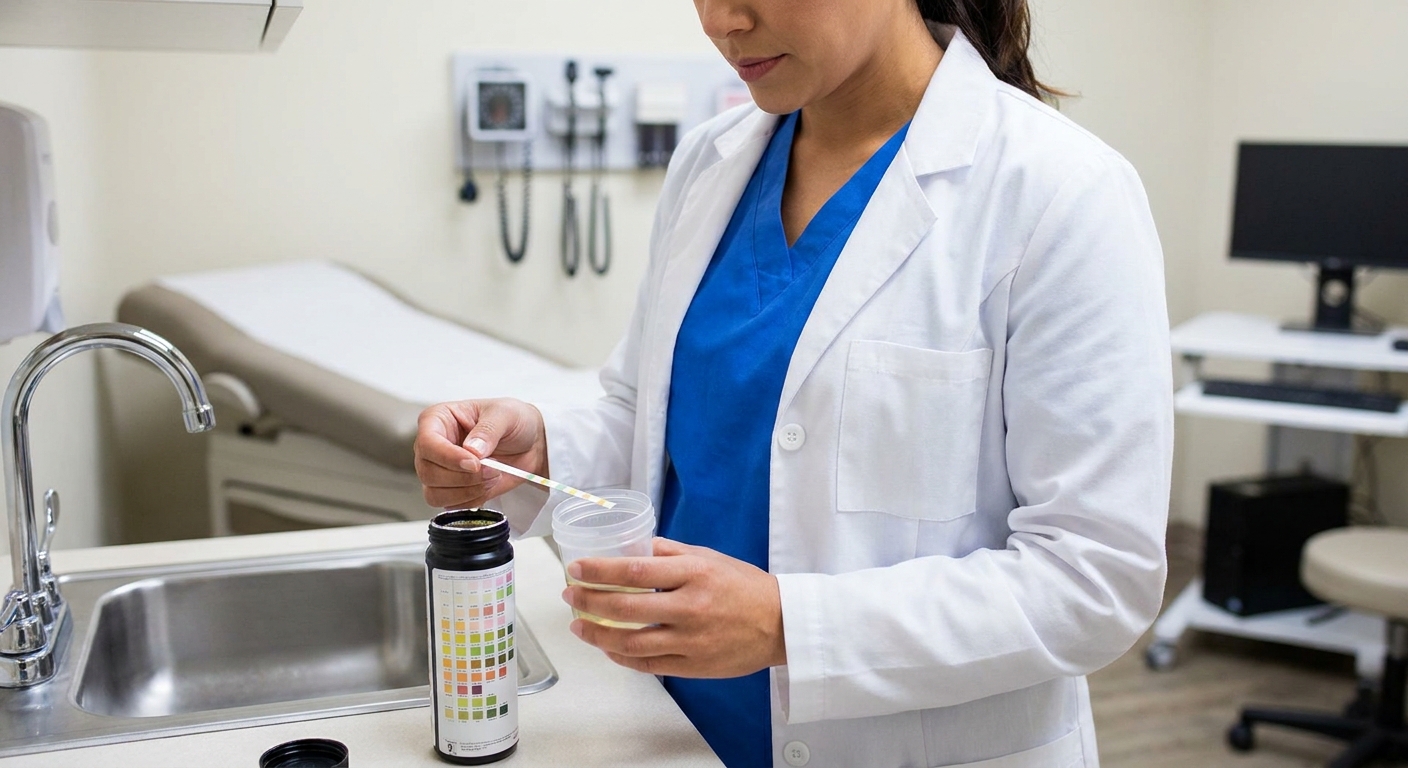
- Urinalysis: Checks for blood, protein, infection clues, and other abnormalities.
- Electrolytes like potassium and bicarbonate: Kidneys help keep these balanced.
- Blood pressure: High blood pressure can both cause and worsen kidney disease.
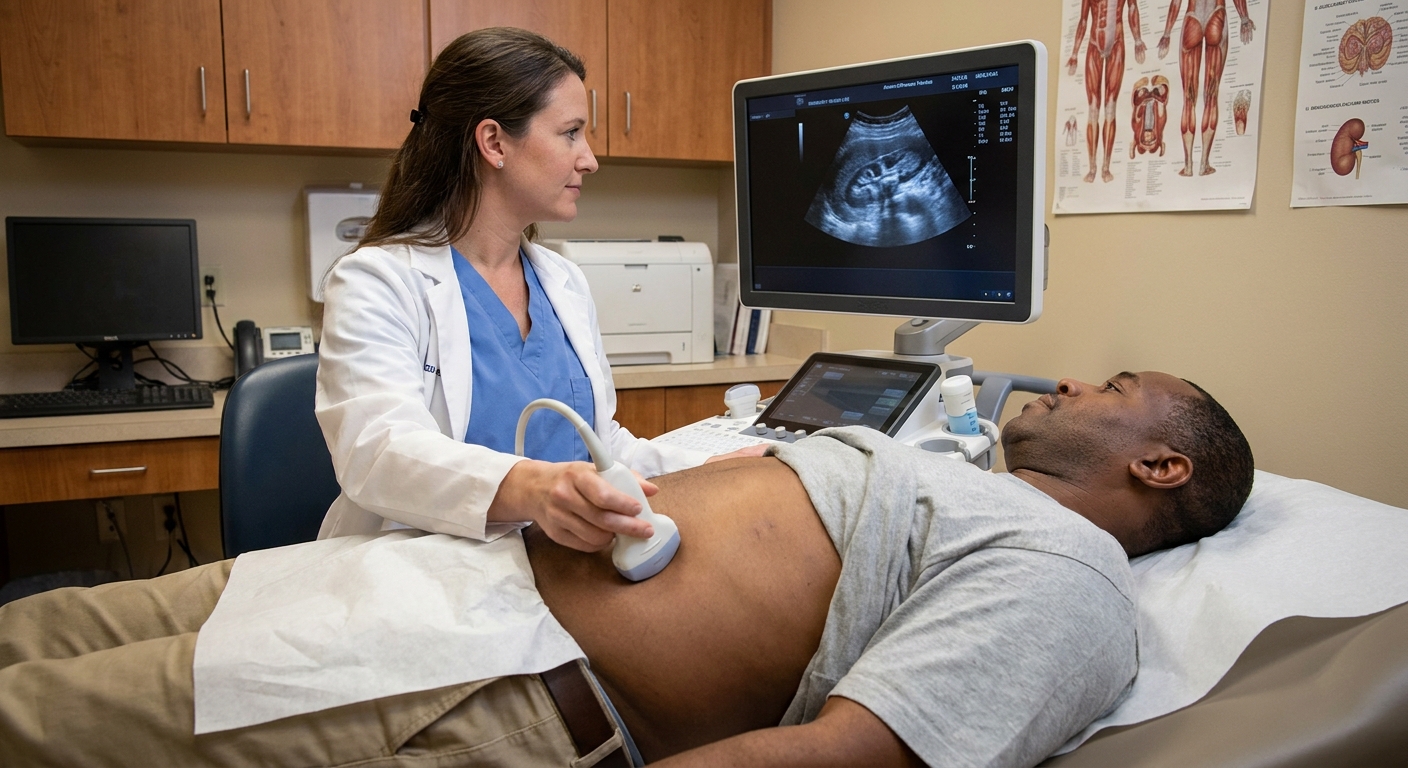
- Imaging when needed: Ultrasound or CT can evaluate kidney size, swelling, stones, or obstruction.
When people have hydronephrosis or another structural kidney issue, eGFR can help show whether kidney function is affected, but imaging and symptoms often tell an important part of the story too.
Meds and supplements that affect eGFR
Please do not stop a prescription medication on your own based on an eGFR result. But do tell your clinician what you take, including over-the-counter meds and supplements.
Examples that can matter include:
- NSAIDs (like ibuprofen or naproxen): can reduce kidney blood flow in some people, especially with dehydration, older age, or existing kidney disease.
- ACE inhibitors and ARBs (common blood pressure meds): can cause a small expected change in creatinine when started, and they can be kidney-protective long term in many patients, particularly with diabetes or protein in the urine.
- Diuretics (water pills): can contribute to dehydration if dosing and fluid intake are not well matched.
- Creatine supplements: can raise creatinine and confuse interpretation.
- Some antibiotics and antivirals: can affect kidneys, especially at higher doses or with dehydration.
If you have a new low eGFR, your clinician may review meds carefully, ask about recent illness and fluid intake, and repeat labs to confirm.
When a low eGFR is urgent
An eGFR result deserves prompt medical attention when it is very low, dropping quickly, or paired with warning symptoms.
Call your clinician soon if you notice
- New swelling in the legs, face, or around the eyes
- Foamy urine that is new or worsening
- Blood in the urine
- Persistent nausea, vomiting, or poor oral intake
- Uncontrolled high blood pressure
Seek urgent care or emergency care for
- Chest pain, severe shortness of breath, or confusion
- Severe weakness or palpitations, especially if you have known high potassium
- Not peeing at all or near not peeing at all for many hours with illness or dehydration
- Severe flank pain with fever, chills, or feeling very ill
If your lab report shows a sudden, significant drop in eGFR compared with your baseline, clinicians worry about acute kidney injury, which is often reversible when the cause is found early.
What to do after your result
If you are staring at a lab portal and feeling your stomach drop, take a breath. Here is a practical, patient-friendly next step list I use in clinic.
- Look for your previous eGFR and creatinine if you have them. A stable mild reduction is a very different situation than a rapid decline.
- Note what was happening around the test: stomach bug, heavy workout, fasting, poor fluid intake, new meds, recent imaging with contrast.
- Ask whether urine testing is needed, especially urine albumin or protein. eGFR plus urine protein gives a clearer picture of kidney risk.
- Review medications and supplements with your clinician, including NSAID use and creatine.
- Hydrate normally unless you have been told to restrict fluids for a specific reason (for example, certain heart failure cases).
- Follow through on repeat labs if recommended. Rechecking is often the fastest way to separate a temporary dip from a longer-term issue.
FAQ
Is eGFR the same as creatinine?
No. Creatinine is a blood value. eGFR is a calculated estimate that uses creatinine plus age and sex to estimate kidney filtration.
Can eGFR improve?
Yes, depending on the cause. If your low eGFR is related to dehydration, a short-term illness, an obstruction that is relieved, or a medication effect, it may improve toward your baseline. With chronic kidney disease, the goal is often slowing progression, but small improvements can still happen when contributing factors are corrected.
Why is my eGFR low when my creatinine is “normal”?
Because “normal” creatinine ranges are broad and do not account for age and sex as precisely as the eGFR equation does. A creatinine that looks “in range” can still correspond to a lower eGFR in an older adult or someone with smaller body size.
Should I drink a lot of water before my next eGFR test?
Hydrate normally. Overhydrating right before labs does not fix kidneys and can sometimes skew other results. If you were clearly dehydrated (vomiting, diarrhea, heat exposure), rehydration is appropriate, but follow your clinician’s guidance, especially if you have heart failure or fluid restrictions.
At what eGFR do I need to see a kidney specialist?
It depends on the whole picture, including urine protein, how fast eGFR is changing, and your other health conditions. Many referrals happen when eGFR is persistently below about 30, or earlier if there is significant protein in the urine, blood in the urine, difficult-to-control blood pressure, or a rapid decline.
Bottom line
eGFR is a helpful estimate of kidney filtration based largely on creatinine, age, and sex. A single low result often needs repeat testing because hydration, illness, medications, and other temporary factors can shift the number. And because many different conditions can lead to a similar eGFR, the result is most meaningful when interpreted alongside trends, urine testing, symptoms, and sometimes imaging.
If your eGFR result worries you, bring it to a clinician who can compare it to your baseline and review it alongside your urine testing, blood pressure, medications, and how you have been feeling. In my experience, that fuller picture is what turns a scary number into a clear next step.