In clinic, one of the most alarming conversations I have with patients starts like this: sudden burning when you pee, deep pelvic pain, and then a fever that seems to come out of nowhere. If you have a prostate, that combination raises a very specific concern: acute prostatitis, a sudden infection or inflammation of the prostate gland.
It is uncomfortable, often intense, and sometimes urgent. The good news is that with prompt medical care, most people improve. The key is recognizing when this is more than a simple urinary tract infection and when it is becoming an emergency.

What acute prostatitis is
Acute prostatitis is a rapid-onset infection (or severe inflammation) of the prostate gland. The prostate sits below the bladder and surrounds the urethra, the tube that carries urine out of the body. When the prostate suddenly swells from infection, it can irritate the urinary tract and, in some cases, partially or completely block urine flow.
Most cases are caused by bacteria that enter the prostate from the urethra or bladder. Less commonly, bacteria reach the prostate through the bloodstream.
When I say “if you have a prostate,” I mean anyone with a prostate, including many cisgender men and some transgender women and nonbinary people.
Common symptoms
Symptoms can develop quickly, sometimes over hours to a day. People often feel genuinely ill, not just uncomfortable.
Urinary symptoms
- Burning or pain with urination
- Urgency (feeling like you have to go right now)
- Frequency (needing to urinate often)
- Weak stream or trouble getting the flow started
- Feeling unable to empty the bladder
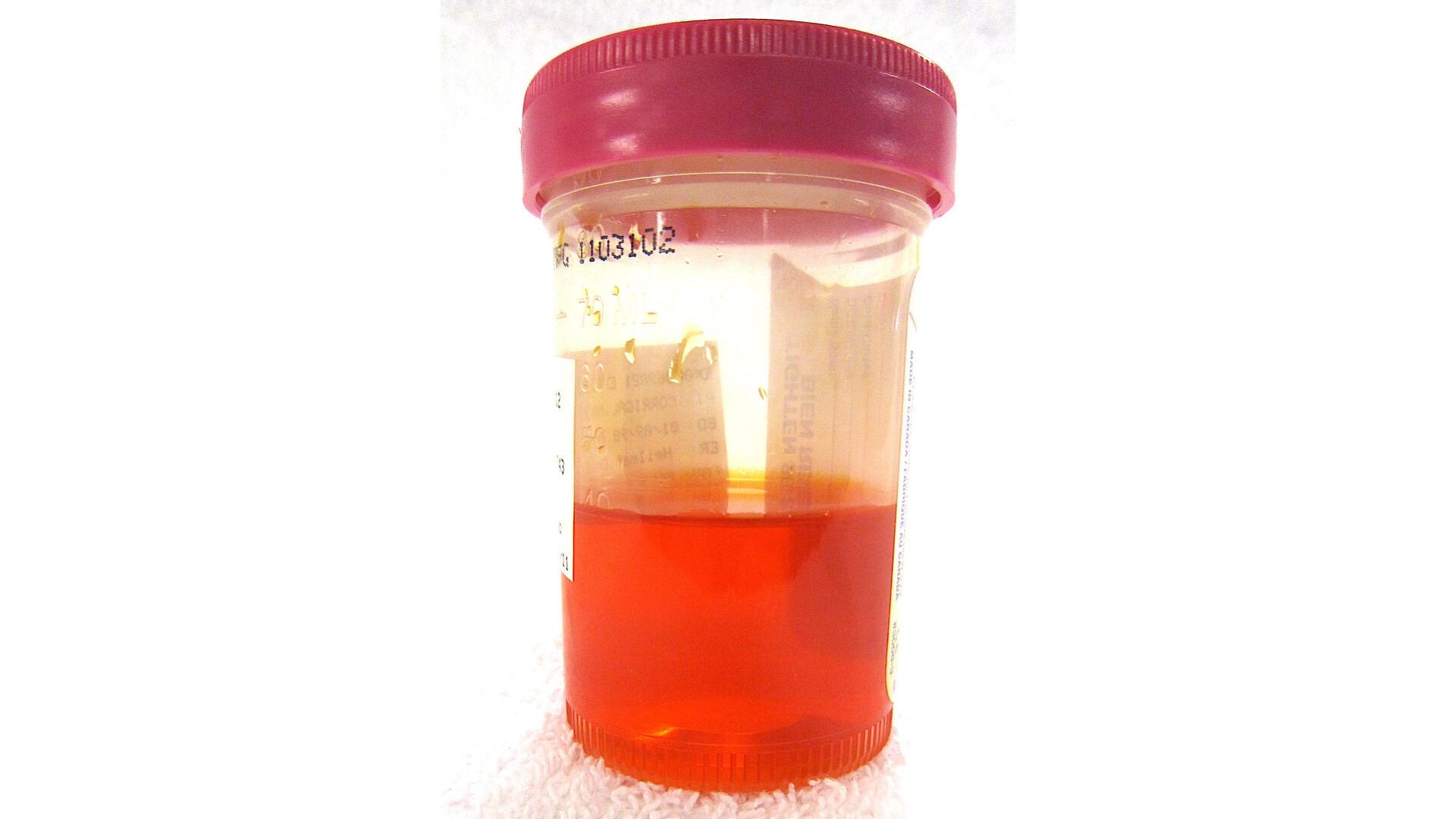
- Blood in the urine (hematuria) in some cases
Pain symptoms
- Perineal pain (pain between the scrotum and anus)
- Pelvic or lower abdominal pain
- Low back pain
- Pain with bowel movements for some people
Whole-body symptoms
- Fever and chills
- Body aches, fatigue, feeling “flu-like”
- Nausea sometimes
If you have urinary symptoms plus fever or chills, treat that as a red flag. That pattern needs prompt evaluation.

Why it can be urgent
The prostate wraps around the urethra like a donut. When it suddenly becomes inflamed, it can narrow that channel. That is why acute prostatitis can cause urinary retention, meaning you cannot pee even though your bladder is full.
Acute prostatitis can also make people quite sick, and in some cases the infection can spread into the bloodstream, leading to sepsis, which is a medical emergency.
Urinary retention is not just painful. If it is not relieved, it can lead to bladder overdistention and kidney injury from obstruction.
How it differs from other issues
Several conditions can cause burning with urination, pelvic discomfort, or blood in the urine. The details matter because the level of urgency can be very different.
Vs. bladder infection
Bladder infections commonly cause burning, urgency, frequency, and sometimes blood in the urine. Many people with cystitis do not have high fever, shaking chills, or significant perineal pain.
More suggestive of acute prostatitis:
- Fever or chills
- Deep pelvic or perineal pain
- Feeling very ill
- Weak stream, trouble starting, or retention
Vs. kidney infection
Kidney infections often cause fever and a more “upper back” pain pattern, typically on one side, near the flank (under the ribs toward the back). Nausea and vomiting can be prominent.
More suggestive of acute prostatitis:
- Pain centered in the perineum, pelvis, or behind the scrotum
- Urinary hesitancy, weak stream, or retention
Both kidney infections and acute prostatitis need prompt medical evaluation, especially with fever.
Vs. enlarged prostate (BPH)
BPH is noncancerous prostate enlargement that becomes more common with age. It can cause urinary symptoms like weak stream, dribbling, nighttime urination, and trouble starting. But BPH typically does not cause sudden fever, chills, or sharp perineal pain.
More suggestive of BPH:
- Gradual onset over months or years
- No fever
- Symptoms worse at night
That said, having BPH can increase the risk of urinary retention and may make an acute infection more complicated.
Causes and risk factors
Most often, acute prostatitis is caused by bacteria that also commonly cause urinary tract infections. Risk can increase when bacteria have an easier path into the urinary tract or when urine flow is blocked.
Common contributors
- Recent urinary tract infection
- Urinary retention or incomplete bladder emptying (including from BPH)
- Recent urinary catheter or urologic procedure
- Anatomic or functional urinary tract issues that impair urine flow
- Unprotected anal intercourse, which can increase exposure to certain bacteria
- Conditions that weaken the immune system, such as uncontrolled diabetes
Dehydration is not usually the root cause of acute bacterial prostatitis, but it can make urine more concentrated and can worsen burning and irritation once symptoms start.
Sometimes there is no obvious trigger. You did not necessarily do something “wrong.”
How it is diagnosed
Diagnosis usually starts with a careful history and exam. Clinicians look for the pattern of symptoms, fever, and pelvic or perineal pain.
Testing may include:
- Urinalysis to look for signs of infection or blood
- Urine culture to identify the bacteria
- Blood tests if you appear significantly ill
- Blood cultures if you are febrile or there is concern for bloodstream infection
- STI testing in selected cases, especially when urethritis is possible (for example, gonorrhea or chlamydia)
A prostate exam (digital rectal exam) may be part of the evaluation. In acute prostatitis, the prostate can be very tender. Clinicians generally avoid prostate massage, and if an exam is needed, it is typically gentle and brief.
People sometimes ask about PSA testing. PSA can rise temporarily with prostate infection and inflammation, so PSA is usually not helpful during the acute episode. If PSA needs to be checked for other reasons, it is typically done after recovery.
If symptoms are not improving as expected, or if there is concern for a complication (like a prostate abscess), imaging such as ultrasound or CT may be considered.

Treatment basics
Treatment usually involves antibiotics. Compared with a simple bladder infection, the course is often longer because antibiotics have to penetrate prostate tissue. Your clinician will choose an antibiotic based on your history, local resistance patterns, and culture results when available.
Supportive care often includes:
- Pain and fever control (for example, acetaminophen or an anti-inflammatory if it is safe for you)
- Hydration, as tolerated
- Rest
Some people need hospital care, especially if they are vomiting, dehydrated, unable to take oral medication, have severe pain, have urinary retention, or show signs of sepsis. In those settings, IV antibiotics and closer monitoring may be needed.
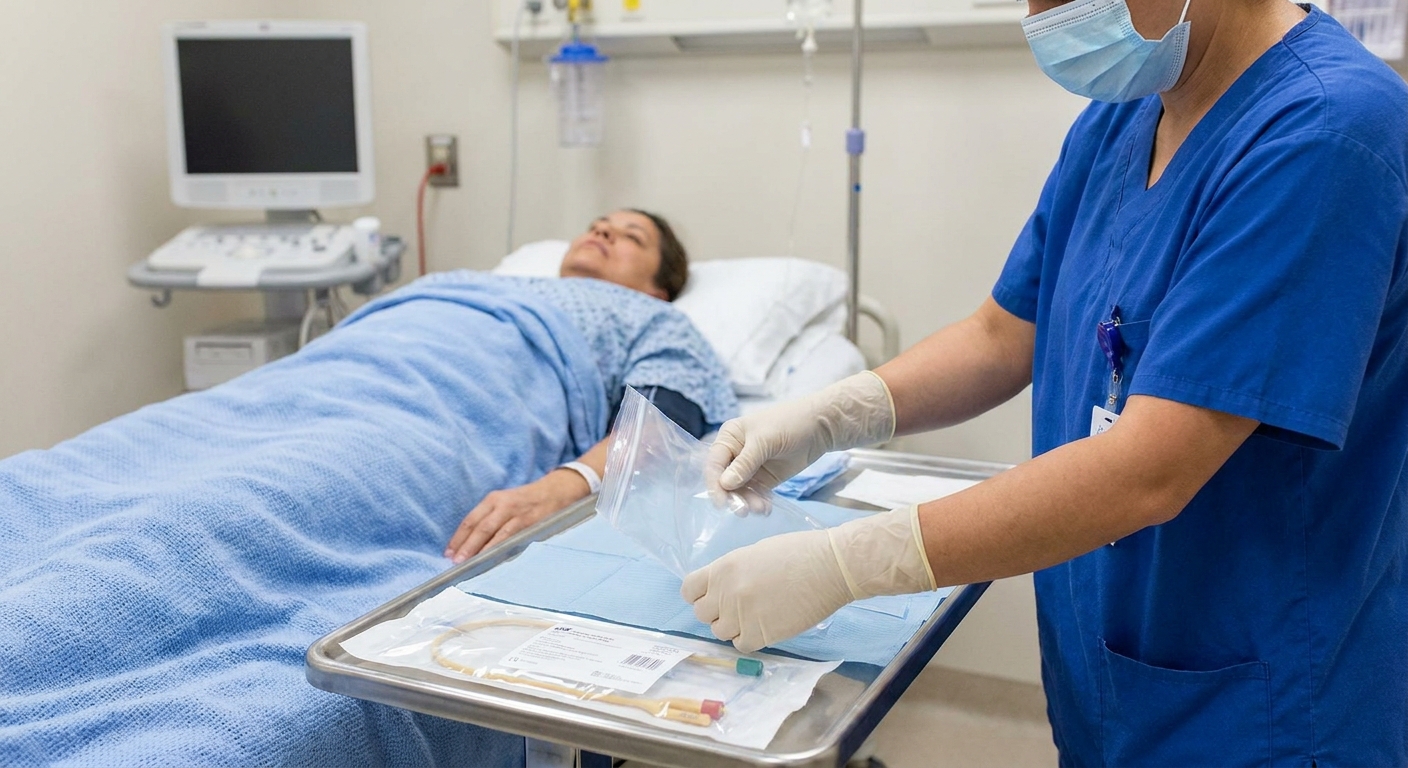
If you develop urinary retention, do not try to “push through it.” Bladder drainage may be needed. Sometimes placing a standard urethral catheter can be difficult or painful when the prostate is acutely inflamed, so emergency clinicians may involve urology and choose the safest approach.
When to seek urgent care
If you suspect acute prostatitis, do not wait it out at home. Same-day medical evaluation is appropriate in many cases. Go to urgent care or the emergency department right away if you have any of the following:
- Inability to urinate, only dribbling, or painful bladder fullness
- High fever, shaking chills, or confusion
- Severe pelvic, perineal, or back pain
- Rapid heartbeat, dizziness, fainting, or signs of dehydration
- Vomiting and inability to keep fluids down
- Weakened immunity (for example, chemotherapy, transplant medications) with fever
While you wait to be seen
These steps are not a substitute for medical care, but they can help you stay safer and more comfortable in the short window before you are evaluated:
- Hydrate if you can. Sip water regularly unless a clinician has told you to restrict fluids.
- Avoid alcohol and limit caffeine, which can irritate the bladder.
- Do not force urine out. Straining can worsen pain.
- Use fever and pain relief as directed on the label, unless your clinician has told you to avoid certain medications.
- Seek emergency care immediately if you stop being able to urinate or you feel faint, confused, or rapidly worsening.
Blood in the urine
Yes, acute prostatitis can cause blood in the urine. Inflammation and infection can irritate the urinary tract and prostate tissue enough to cause visible blood or blood that is only detected on testing.
Blood in the urine should always be taken seriously, especially if it is new, persistent, accompanied by fever, or associated with clots, trouble urinating, or significant pain.
Complications
Most people recover well with appropriate treatment, but complications can happen, particularly if care is delayed or if there is significant obstruction.
- Urinary retention
- Sepsis
- Prostate abscess (uncommon, more likely if symptoms do not improve)
- Recurrent infection or ongoing pelvic symptoms in some people
Recovery and follow-up
Many people start feeling better once treatment begins, but the prostate can stay inflamed for a while. If you are not improving within the timeframe your clinician expects, or if you worsen at any point, you should be re-evaluated.
Your clinician may recommend follow-up testing to confirm the infection has cleared and to make sure there is not an underlying issue such as obstruction or incomplete bladder emptying. If you have repeated episodes, a urology referral is often helpful to look for contributing factors.
Frequently asked questions
Is acute prostatitis the same as chronic prostatitis?
No. Acute prostatitis is sudden and typically involves a clear infection pattern with fever and significant symptoms. Chronic prostatitis or chronic pelvic pain syndrome can involve long-term pelvic discomfort with or without infection, and the evaluation and management are different.
Is acute prostatitis contagious?
The condition itself is not something you “catch” from someone like a cold. However, infections that irritate the urethra, including STIs such as gonorrhea and chlamydia, can be involved in some cases. That is why STI testing may be part of the evaluation depending on your history.
Can you have acute prostatitis without a fever?
Yes, it is possible, especially early on or if fever is masked by medications. But fever and chills are common. If you have significant pelvic or perineal pain plus urinary symptoms, it still deserves prompt evaluation.
When is it probably not acute prostatitis?
If symptoms are mild, you feel otherwise well, and there is no fever, chills, or pelvic or perineal pain, a simple bladder irritation or uncomplicated UTI may be more likely. Still, any new urinary symptoms warrant medical guidance, especially if you see blood in the urine.
The takeaway
Acute prostatitis is a sudden prostate infection that can cause fever or chills, pelvic or perineal pain, burning with urination, and sometimes blood in the urine or urinary retention. It can overlap with bladder and kidney infections, but the combination of systemic symptoms and prostate-area pain is a major warning sign.
If you cannot urinate, have high fever or chills, or feel severely ill, seek urgent care immediately. When it comes to acute prostatitis, getting evaluated quickly is not overreacting. It is good judgment.