As a nurse practitioner, I have cared for plenty of people who come in worried about blood in the urine, and many assume it must be a routine bladder infection. Sometimes it is. But hemorrhagic cystitis is different. It is a type of bladder inflammation where bleeding is the main feature, and it is often linked to certain chemotherapy medicines, pelvic radiation, or specific viral infections. It can range from mild blood-tinged urine to heavy bleeding with clots that block the bladder and become an emergency.
Hemorrhagic cystitis, explained simply
Cystitis means inflammation of the bladder. In everyday conversation, people often use “cystitis” to mean a bacterial urinary tract infection (UTI). Hemorrhagic cystitis is inflammation of the bladder lining where the lining becomes damaged and bleeds.
In other words, a typical bladder infection can sometimes cause a little blood. In hemorrhagic cystitis, bleeding is central to what is happening in the bladder.
What it can look like
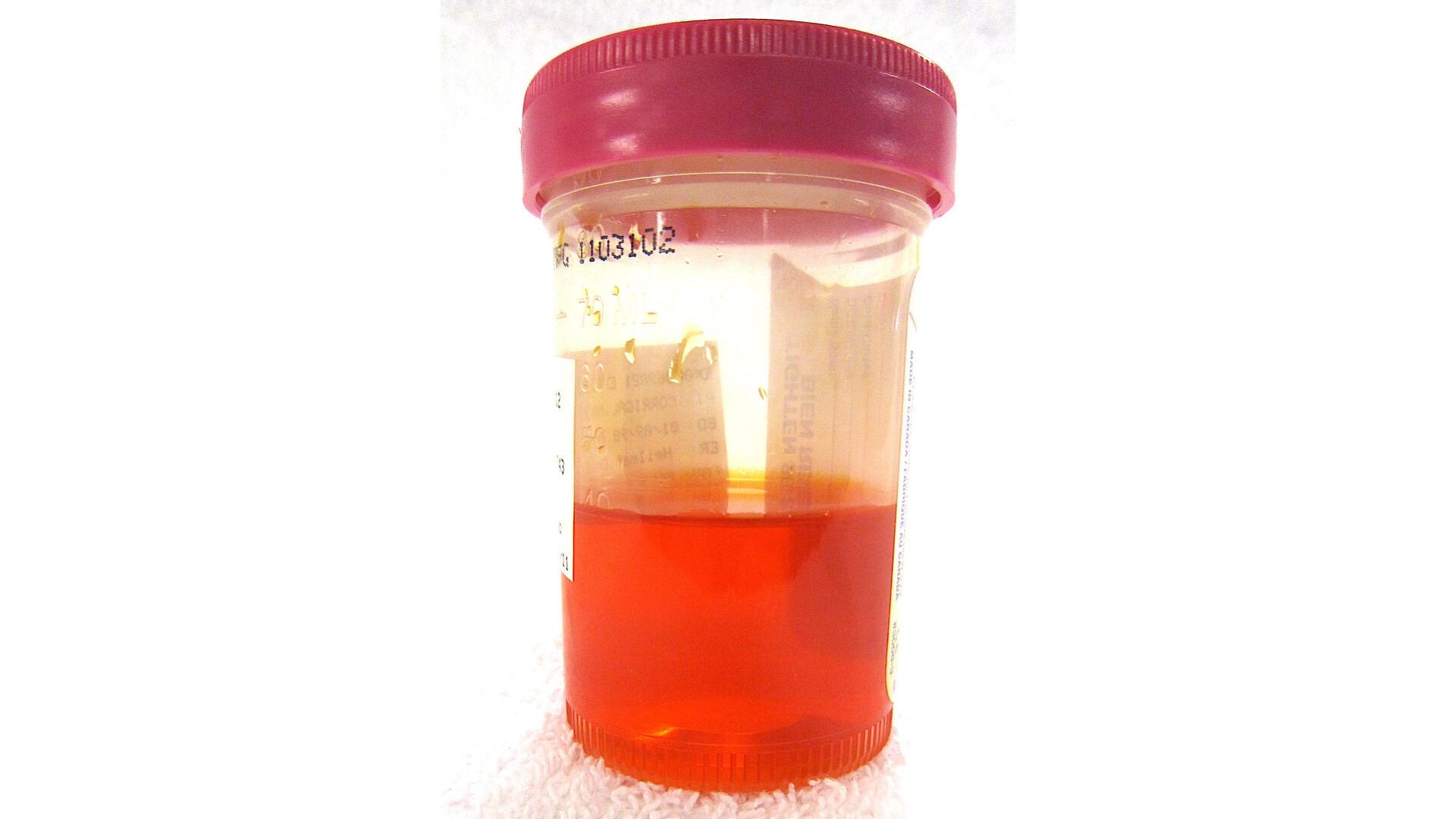
- Pink, red, or cola-colored urine (visible blood)
- Blood clots in the urine, sometimes stringy or gelatin-like
- Burning or pain with urination
- Urgency and frequency (feeling like you have to go constantly)
- Pelvic pain or pressure
- Difficulty urinating if clots obstruct urine flow
Some people have very little discomfort and are shocked by the amount of blood they see. Others feel intense bladder spasms and pain, especially if clots are present.
Common causes
Hemorrhagic cystitis has a short list of classic triggers. In people who develop hemorrhagic cystitis, the leading causes are certain chemotherapy drugs and pelvic radiation. Viral causes are especially important in people whose immune systems are weakened.
One quick note I share with patients: blood in the urine has many possible causes, including stones and (especially in older adults or people with a smoking history) bladder or kidney tumors. That is another reason not to guess at the cause at home.
Chemotherapy (cyclophosphamide and ifosfamide)
Cyclophosphamide and ifosfamide are chemotherapy medications used for several cancers and some autoimmune conditions. As the body breaks them down, they can produce a substance called acrolein, which is irritating and toxic to the bladder lining. That irritation can lead to inflammation, ulceration, and bleeding.
Important note: Many patients receiving these medications are given preventive steps like aggressive hydration and a protective medicine called mesna to reduce bladder injury risk. Even with prevention, hemorrhagic cystitis can still happen.
Pelvic radiation therapy
Radiation aimed at the pelvis (for example, to treat prostate, cervical, uterine, rectal, or bladder cancers) can injure bladder tissue. Radiation cystitis may show up during treatment or appear months to years later because radiation can cause fragile blood vessels to form in the bladder lining.
Viral infections (BK virus and adenovirus)
In people with suppressed immune systems, certain viruses can inflame the bladder and trigger bleeding. Two key viruses are:
- BK virus, most often discussed in people after bone marrow (stem cell) transplant or kidney transplant
- Adenovirus, which can also cause significant bladder bleeding in immunocompromised patients
These viruses can sometimes persist in the body and become active again when immunity is low. This is especially well-described with BK virus. With adenovirus, some cases reflect reactivation and others may be a new infection.
Other possible contributors
Less commonly, hemorrhagic cystitis can be associated with other medications, severe bacterial infections, or underlying bladder conditions. That is one reason visible blood in the urine should never be brushed off or self-diagnosed.
How it differs from a routine bladder infection
A routine bacterial bladder infection (uncomplicated cystitis) usually causes burning, frequent urination, urgency, and sometimes lower belly discomfort. You might see a small amount of blood, but large-volume bleeding or clots is not typical for a straightforward UTI.
Clues that point toward hemorrhagic cystitis
- You recently received cyclophosphamide or ifosfamide
- You have had pelvic radiation, even if it was in the past
- You are immunocompromised (transplant, active chemotherapy, certain immune-suppressing medications)
- There are clots in the urine
- The bleeding seems out of proportion to typical UTI symptoms
- You have trouble passing urine due to clots
It is also possible to have more than one issue at once, like hemorrhagic cystitis plus a bacterial infection. The safest way to sort that out is medical evaluation and testing.
Why blood clots matter
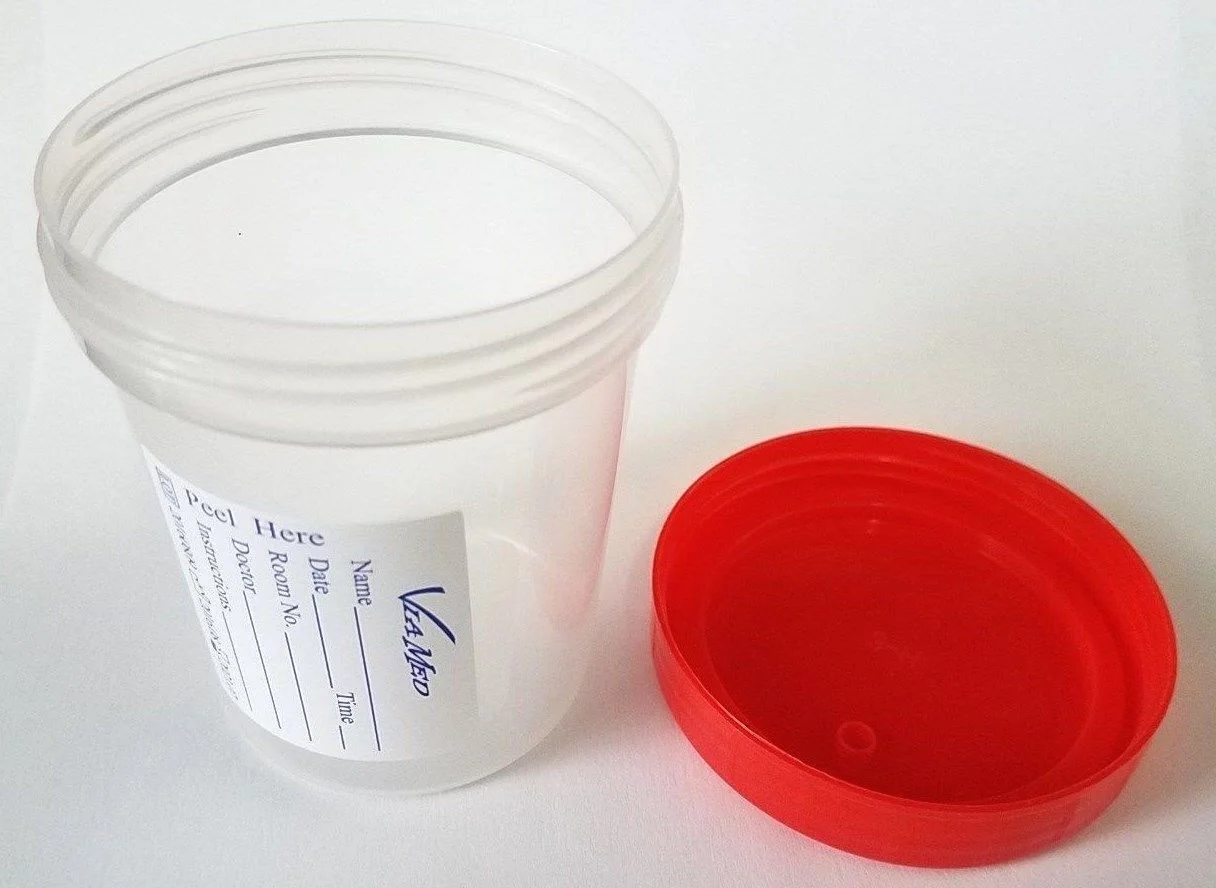
Bleeding in the bladder does not always stay “liquid.” When blood sits in the bladder, it can form clots. Clots can lead to two major problems:
- Urinary retention: A clot can block the bladder outlet, making it difficult or impossible to urinate.
- Worsening pain and spasms: A distended bladder and clots can cause severe cramping and bladder spasms.
If someone cannot urinate, this is urgent. A completely blocked bladder can become dangerously overfilled and requires prompt medical care.
When bleeding is an emergency
Any new, visible blood in the urine deserves timely medical assessment. Hemorrhagic cystitis can also escalate quickly, especially when clots form or bleeding becomes heavy.
Go to the ER now if you have
- Inability to urinate, or only a few drops, especially with lower abdominal fullness
- Large clots or rapidly increasing clot burden
- Heavy bleeding (urine looks like straight blood, or you are passing frequent clots)
- Severe pain that is not controlled with your current plan
- Dizziness, fainting, shortness of breath, chest pain, or feeling like you may pass out
- Signs of infection or sepsis: fever, chills, confusion, very fast heart rate, significant weakness
If you are actively receiving chemotherapy, have had a recent transplant, or are neutropenic (low white blood cells), it is especially important not to wait. Call your oncology or transplant team right away, and if you cannot reach them quickly, head to emergency care.
How hemorrhagic cystitis is diagnosed
Diagnosis usually starts with the basics, then expands depending on severity and your medical history. Common steps include:
- Urinalysis to confirm blood and look for signs of infection
- Urine culture to see if bacteria are present and which antibiotics would work
- Blood tests to check anemia (low hemoglobin), kidney function, and clotting status
- Viral testing in higher-risk patients (often urine and sometimes blood testing for BK virus or adenovirus)
- Imaging such as ultrasound or CT in some cases, especially if there is concern for obstruction or other causes of bleeding
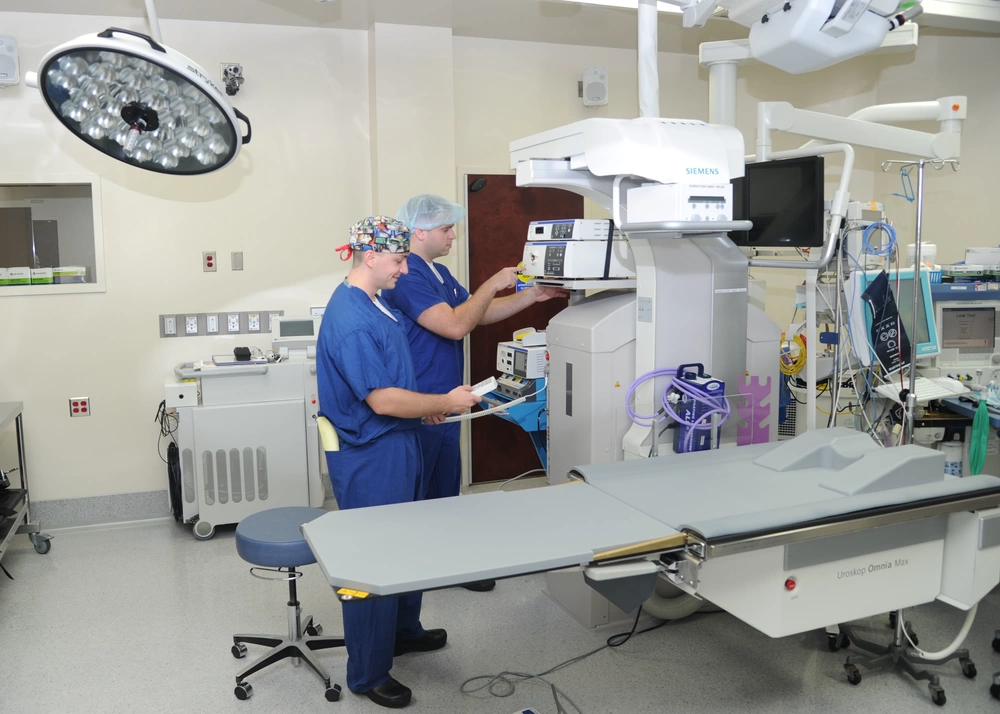
- Cystoscopy (a camera examination of the bladder) when needed to assess bleeding sites, remove clots, or rule out other problems
Because “blood in the urine” has many potential causes, your clinician is thinking broadly, including stones, kidney disease, and bladder tumors, especially if you are older or have risk factors like smoking history.
Treatment options
Treatment depends on the cause and how heavy the bleeding is. Mild cases may be managed with close monitoring and supportive care. More severe cases require hospital-level interventions.
Supportive care
- Hydration to help flush the bladder and reduce clot formation
- Pain control and medications for bladder spasms when appropriate
- Managing blood thinners: if you are taking anticoagulants or antiplatelet medications, your clinician may adjust them depending on your risk profile. Do not stop these on your own.
Treating the underlying cause
- Bacterial infection present: antibiotics based on culture when possible
- BK virus or adenovirus suspected: management is individualized and usually involves specialist guidance; it may include adjusting immunosuppression in transplant patients and using targeted therapies in select cases
- Chemo-related hemorrhagic cystitis: prevention and treatment strategies may include hydration, mesna, and sometimes modifications to the chemo plan depending on the clinical situation
Bladder irrigation and clot management
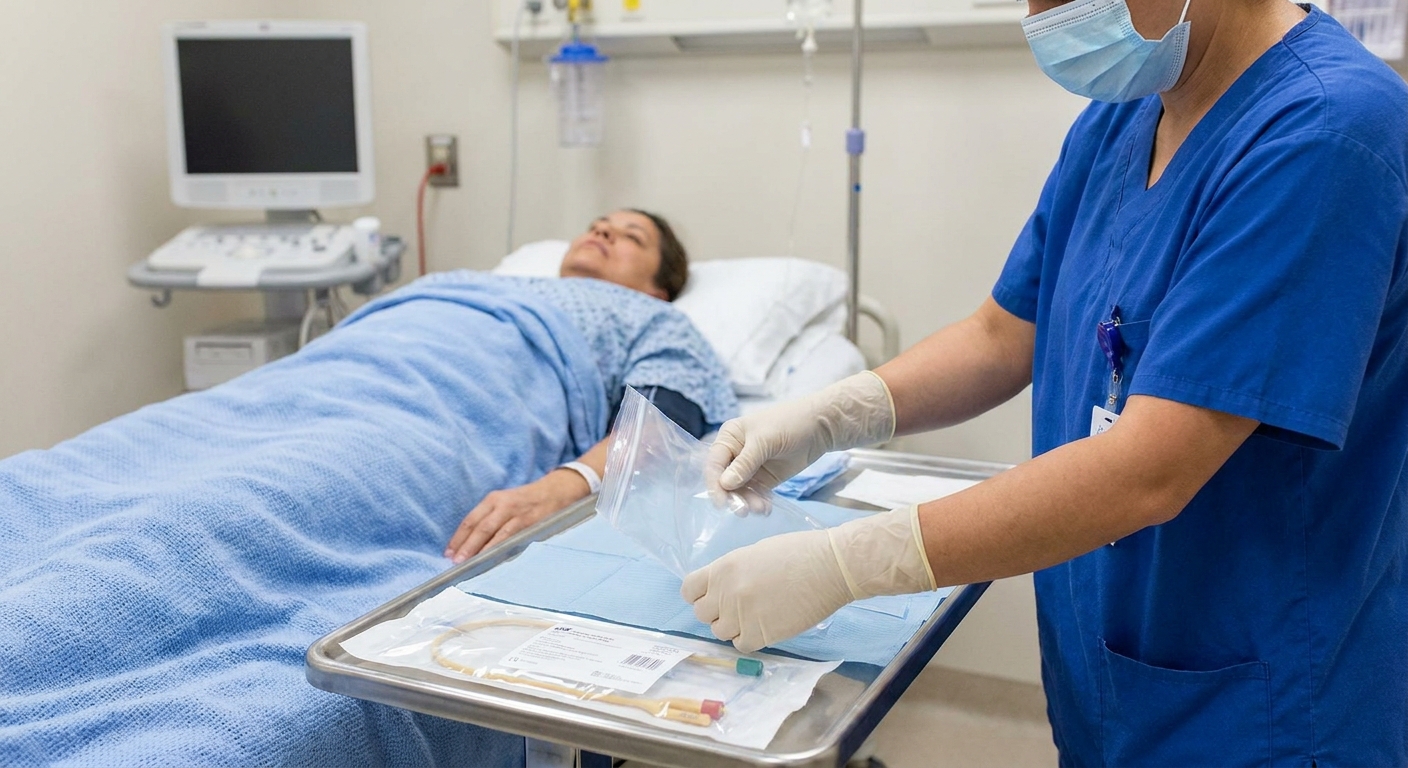
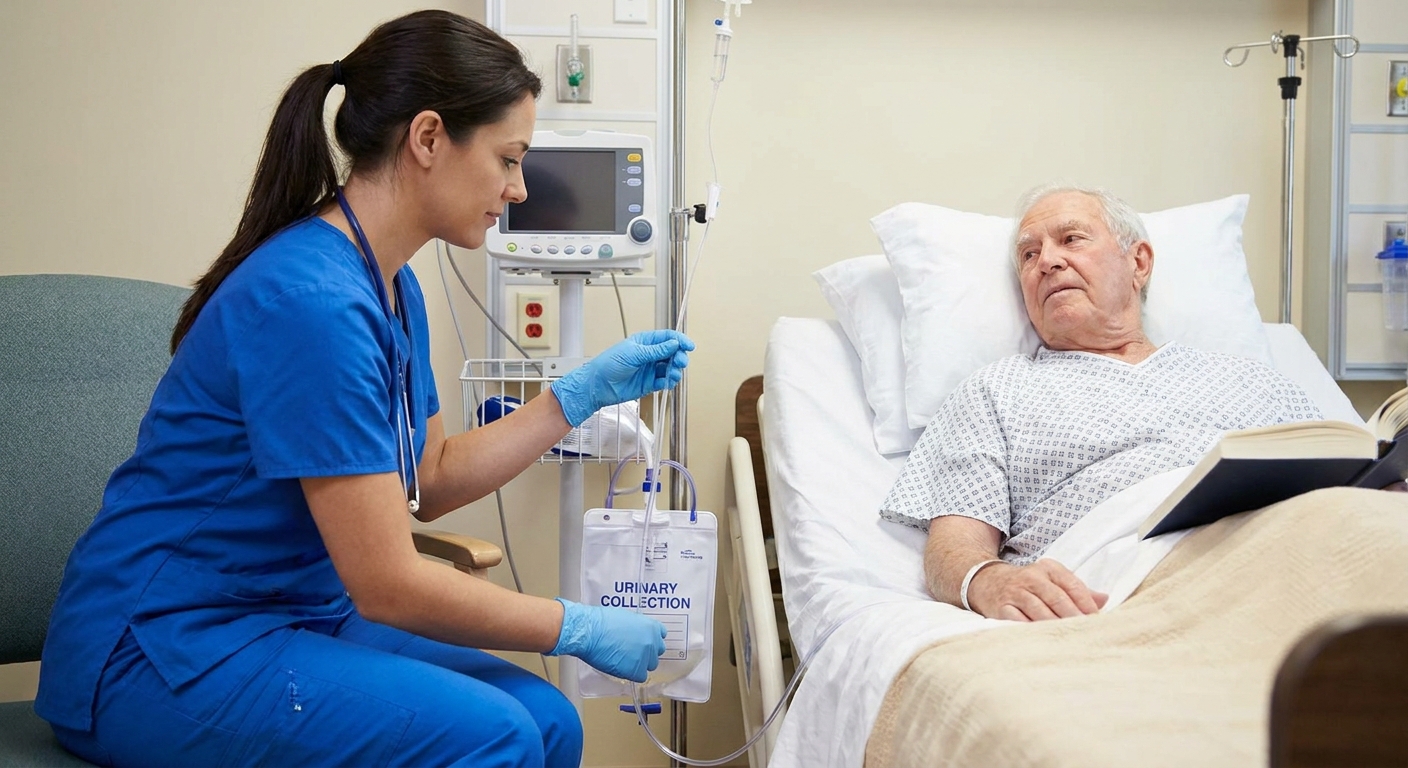
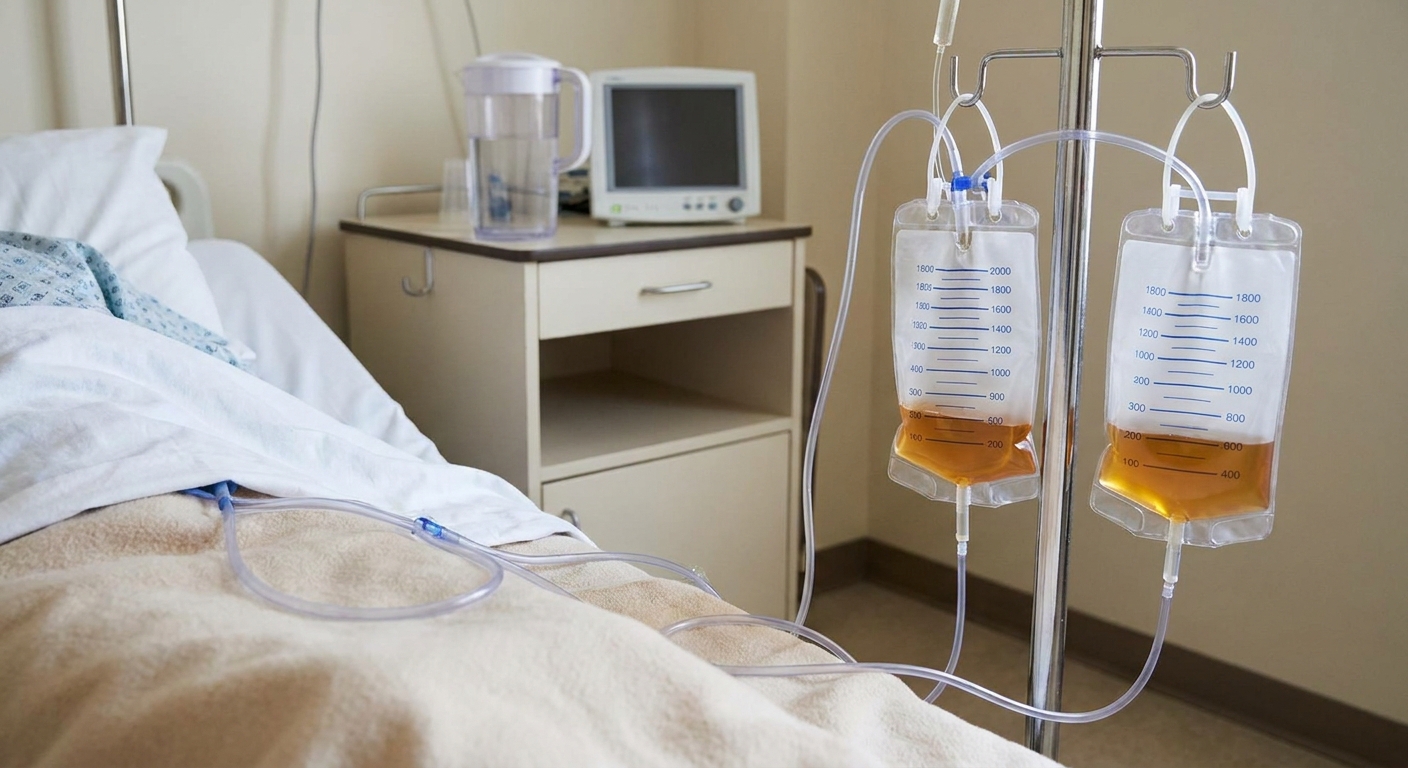
When clots or heavy bleeding are present, one of the most common hospital treatments is continuous bladder irrigation (CBI). This involves placing a catheter into the bladder and continuously running sterile fluid through it to:
- help prevent clot formation
- wash out existing blood and small clots
- keep the catheter from blocking
CBI can feel uncomfortable, and bladder spasms are common. But it is often a key step in preventing obstruction and stabilizing bleeding.
If bleeding does not settle
If bleeding continues despite initial measures, urology may need to step in. Depending on the situation, next steps can include:
- Cystoscopy to remove clots and treat bleeding areas
- Intravesical treatments (medications placed directly into the bladder) in select cases
- Hyperbaric oxygen therapy for some cases of radiation cystitis
- Interventional radiology procedures (such as embolization) in rare, severe cases
The exact approach depends on the cause of bleeding, your overall health, and how stable you are.
Possible complications
Most people recover with appropriate care, but hemorrhagic cystitis can be serious. Potential complications include:
- Urinary retention from clots
- Anemia from blood loss, sometimes requiring transfusion
- Kidney injury if urine backs up due to obstruction
- Recurrent bleeding, especially with radiation cystitis
- Hospitalization and procedures such as cystoscopy for clot evacuation
If you have had pelvic radiation or are immunocompromised, take recurrent urinary bleeding seriously and keep your care team in the loop early.
If you notice blood in your urine at home
If you are seeing blood in your urine, the safest next step is to get medical guidance promptly. While you are arranging care, these steps can help you stay safer:
- Do not ignore clots or difficulty urinating. These are red flags.
- Drink fluids unless a clinician has told you to restrict fluids (for example, due to heart failure or kidney disease).
- Be cautious with NSAIDs like ibuprofen or naproxen. They may increase bleeding risk for some people (especially if you are on blood thinners, have kidney disease, have low platelets, or are undergoing cancer treatment), so check with your clinician first.
- Tell your team about your treatments: recent chemo agents, radiation history, transplant status, and any blood thinners.
- Do not assume it is “just a UTI”, especially if you have risk factors for hemorrhagic cystitis.
Frequently asked questions
Can hemorrhagic cystitis go away on its own?
Mild cases can improve with hydration and time, but visible blood in the urine always deserves evaluation. When hemorrhagic cystitis is related to chemo, radiation, or viral activity, it often needs targeted management and close monitoring.
Is hemorrhagic cystitis the same as a UTI?
No. A bacterial UTI can cause cystitis, but hemorrhagic cystitis refers to bladder inflammation where bleeding is prominent, often due to chemotherapy, radiation, or viruses like BK virus or adenovirus. You can have both at the same time, which is why testing matters.
Is it always dangerous?
Not always, but it can become dangerous quickly if clots obstruct urine flow or if bleeding is heavy enough to cause anemia or low blood pressure. Inability to urinate, large clots, severe pain, or feeling faint are reasons to seek emergency care.
What does clot-related obstruction feel like?
People often describe intense urgency with very little urine coming out, lower belly pressure or fullness, and worsening pain. If that is happening, it is an emergency.
The bottom line
Hemorrhagic cystitis is bladder inflammation with bleeding that is often linked to cyclophosphamide or ifosfamide, pelvic radiation, or viruses like BK virus and adenovirus in immunocompromised patients. It is not the same as routine bacterial cystitis, and clots can make it urgent or even life-threatening if they block urine flow. If you have visible blood in your urine, especially with clots, trouble urinating, severe pain, or dizziness, seek prompt medical care.