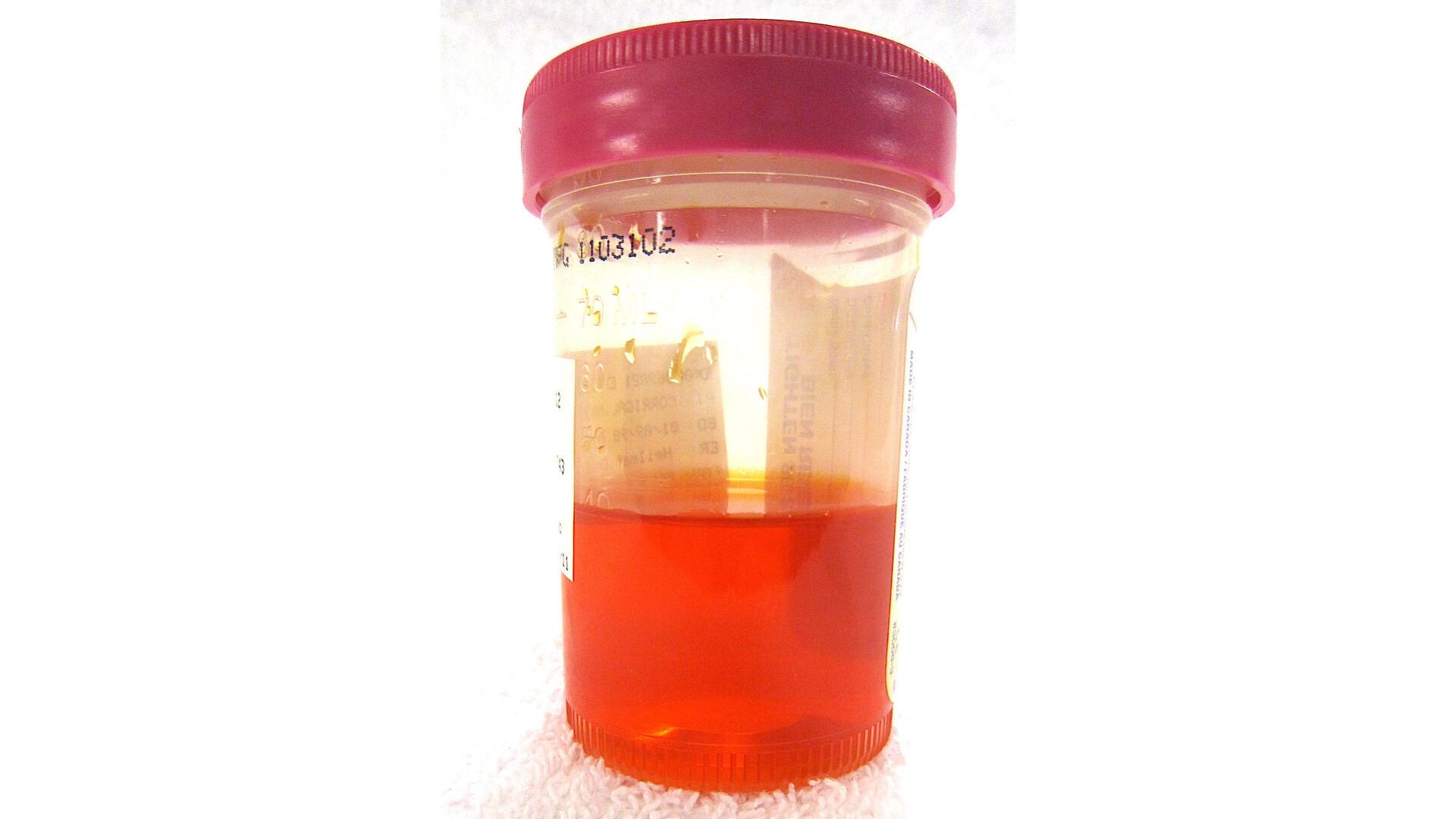
One of the more specific stories I hear in clinic goes something like this: “I had a bad cold, and then my urine turned the color of cola.” People often assume it is a bladder infection or a kidney stone. Sometimes it is neither.
IgA nephropathy, also called Berger disease, is a condition where a protein involved in immune defense, immunoglobulin A (IgA), builds up in the kidney’s filters. Those filters are called glomeruli. When they get irritated and inflamed, blood and sometimes protein can leak into the urine, often around the time of a respiratory or stomach illness.

This page focuses on IgA nephropathy itself, how it is recognized, confirmed, and followed over time. It is not a general guide to every cause of blood in the urine.
What IgA nephropathy is
Your kidneys are full of tiny filtering units (glomeruli) that work like very fine strainers. In IgA nephropathy, IgA-containing immune deposits collect in those filters. Over time, the immune activity can cause scarring, and scarring makes the filters less effective.
Some people have mild disease that barely changes over decades. Others slowly lose kidney function. The tricky part is that IgA nephropathy can be quiet between flare-ups, and many people have microscopic hematuria (blood only seen on testing) even when their urine looks normal. Long-term monitoring matters even when you feel fine.
Why cola-colored urine during a cold is a clue
When IgA nephropathy causes visible blood in the urine, it often happens during an infection or within a day or two of one, like a cold, sore throat, sinus infection, or stomach bug. Clinicians sometimes call this “synpharyngitic hematuria,” meaning blood in the urine that shows up with a throat infection.
What it can look like
- Tea-, cola-, or smoky-colored urine (rather than bright red)
- Urine color change that starts suddenly and may improve over a day or several days
- Sometimes flank discomfort or a general “sick” feeling, but often no burning with urination
This pattern can raise suspicion for bleeding from the kidneys’ filters (a glomerular source), especially if it is accompanied by protein in the urine and glomerular findings on microscopy.
Important: Not every episode of dark urine is IgA nephropathy. Dehydration, certain foods or supplements, muscle breakdown, liver issues, and other kidney diseases can look similar. A urine test is often the first and fastest screening step, but additional testing is sometimes needed to clarify the cause.
What dipstick and microscopy can show
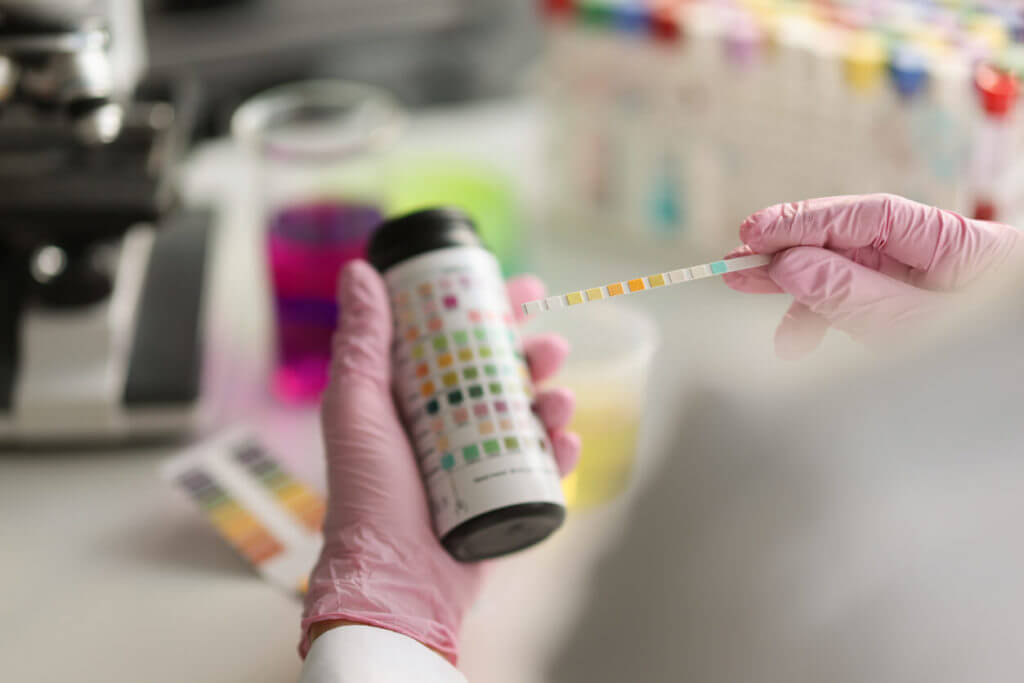
A quick urine dipstick in urgent care or primary care is often the first objective sign.
Dipstick findings that raise suspicion
- Blood positive (sometimes strongly positive)
- Protein present (this matters a lot for risk and treatment decisions)
Dipsticks are screening tools. They cannot tell where the blood is coming from. They can also read “blood” positive when there is hemoglobin or myoglobin in the urine, which is one reason clinicians often follow up with a microscope exam.
Microscopy adds crucial detail
If the urine is examined under a microscope, glomerular diseases like IgA nephropathy may show:
- Red blood cells that look misshapen (dysmorphic), suggesting they squeezed through an inflamed filter
- Red blood cell casts (a more specific sign that the bleeding is coming from inside the kidney)
If you were told, “There is blood, but no infection,” ask whether protein was present and whether microscopy was done. Those details help your clinician decide whether this needs a kidney-focused evaluation.
The checks that matter most
With IgA nephropathy, the big-picture goal is to protect kidney function for the long haul. A few routine measurements do a lot of heavy lifting.
1) Blood pressure
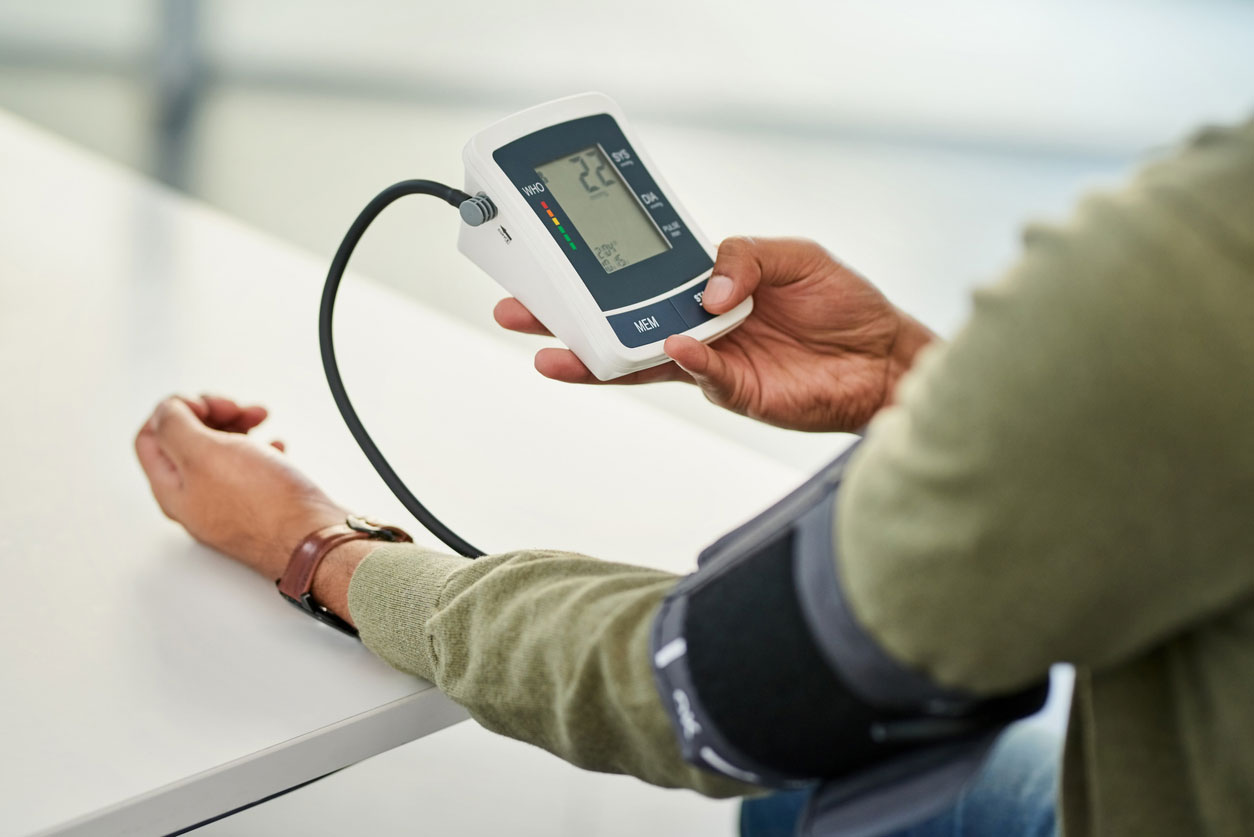
High blood pressure can both worsen kidney damage and be a sign the kidneys are under stress. Many people feel completely normal with elevated blood pressure, so it is worth checking even when the urine episode has passed.
2) Kidney function labs
A basic blood test measures creatinine, which is used to estimate the eGFR (estimated glomerular filtration rate). eGFR is a practical way to track whether kidney filtering is stable over time.
3) Quantifying protein in the urine
Protein on a dipstick is a starting point, but management is usually guided by a measurement such as a urine albumin-to-creatinine ratio (ACR) or protein-to-creatinine ratio (PCR). In general, more persistent proteinuria is linked to higher risk of progression.
How it is confirmed
IgA nephropathy is ultimately a diagnosis made by looking at kidney tissue under a microscope with special staining. That is why a kidney biopsy is considered the confirmatory test.
Why a biopsy is needed
Many conditions can cause blood and protein in the urine. Treatment choices and prognosis can differ a lot between them. A biopsy can:
- Confirm that IgA is depositing in the glomeruli
- Show the amount of inflammation and scarring
- Help a nephrologist estimate risk and tailor treatment intensity
When clinicians consider biopsy
Not everyone with suspected IgA nephropathy needs an immediate biopsy. A nephrologist weighs factors such as:
- Persistent proteinuria (especially if it is rising)
- Reduced or declining eGFR
- High or difficult-to-control blood pressure
- Recurrent episodes of visible blood in the urine
- Other concerning signs like swelling or abnormal blood tests
If you do have a biopsy, your nephrologist may also reference standardized biopsy scoring (often called Oxford MEST-C) to describe the balance of inflammation and scarring. You do not need to memorize the letters, but it helps to know there is a structured way clinicians use biopsy information to guide risk discussions.
The point of a biopsy is not to “label” you. It is to guide decisions about monitoring and kidney-protective therapy.
Kidney vs urology follow-up
This is one of the most confusing parts for patients. Blood in the urine can come from two broad areas:
- Glomerular (kidney filter) sources, like IgA nephropathy
- Urologic sources, like stones, tumors, prostate issues, or structural problems in the bladder or ureters
IgA nephropathy follow-up is kidney-focused
When the pattern and urine findings suggest a glomerular cause, follow-up usually centers on:
- Regular blood pressure checks
- Repeat urine testing to track protein levels
- Periodic blood work for eGFR/creatinine
- Medication adjustments aimed at kidney protection
- Long-term monitoring, even when urine looks normal
Urologic workups look for a bleeding source
When bleeding seems more likely to be coming from the bladder or urinary tract, clinicians often prioritize different tools, for example imaging of the urinary tract and sometimes a camera-based look inside the bladder (cystoscopy), especially in higher-risk situations.
Why this distinction matters
In IgA nephropathy, the key risk is not just the episode of dark urine. It is the possibility of ongoing microscopic bleeding and protein leakage that can quietly contribute to kidney scarring. A normal scan does not rule out a glomerular disease. In the same way, a kidney-focused plan does not replace urologic evaluation when red flags for urinary tract cancer or stones are present.
What treatment focuses on
Treatment is individualized. Two people with the same diagnosis can have very different plans based on protein levels, kidney function, blood pressure, and biopsy findings.
Common pillars of care
- Blood pressure control, often with medications that also reduce protein loss in the urine (many people hear about ACE inhibitors or ARBs in this context)
- Reducing proteinuria through medication and lifestyle steps recommended by your clinician
- Cardiovascular risk reduction (kidney health and heart health are tightly linked)
- Kidney-protective medications that may be appropriate for some patients with proteinuric chronic kidney disease, such as SGLT2 inhibitors, even outside of diabetes in select situations
- Selected immune-targeting therapy in higher-risk cases, guided by a nephrologist and biopsy results (for example, certain steroid-based approaches or other immunosuppression in carefully chosen patients)
Lifestyle advice is not one-size-fits-all, but common kidney-protective themes include limiting excess salt, avoiding NSAIDs when possible, and not smoking. If you have been told “there’s a little protein” or “your pressure is borderline,” take it seriously. Those are modifiable factors that can make a real difference over years.
Long-term outlook
Many people with IgA nephropathy live full lives without kidney failure. Still, it is considered a chronic kidney disease risk because some patients develop progressive scarring.
Features that often signal a need for closer follow-up include:
- Persistent proteinuria
- High blood pressure
- Declining eGFR
- Biopsy findings showing more inflammation or scarring
The most empowering thing you can do is stay engaged with monitoring. Kidney disease is one area where quiet changes on lab work often show up before symptoms.
When to seek urgent care
Even if IgA nephropathy is on the list, visible blood in the urine should be taken seriously. Seek urgent evaluation if you have:
- Blood in the urine with clots or inability to urinate
- Severe flank pain, especially with nausea or vomiting
- Fever or feeling very ill
- New swelling of the face, hands, or legs
- Shortness of breath
- Very high blood pressure readings or symptoms such as chest pain, severe headache, weakness, or confusion
If you have cola-colored urine during a cold and you are stable, you still deserve prompt follow-up. Ask specifically whether your urine showed protein and what your kidney function and blood pressure readings were.
Questions to ask
- Did my urine test show protein as well as blood?
- Was a urine microscopy done? Were there casts or dysmorphic red cells?
- What are my creatinine and eGFR numbers right now?
- Do I need a urine ACR or PCR to quantify protein loss?
- Should I see a nephrologist, and if so, how soon?
- What symptoms would mean I should go to urgent care or the ER?

Bottom line
IgA nephropathy is a disease of the kidney’s filters that can flare with infections and cause tea- or cola-colored urine. The urine dipstick often shows blood and protein, but microscopy and follow-up testing help clarify what is really going on. The most important ongoing checks are blood pressure, kidney function, and measured protein in the urine. A kidney biopsy confirms the diagnosis and helps guide treatment decisions. Follow-up is typically kidney-focused and long-term, which is different from urologic testing aimed at finding a bleeding source in the bladder or urinary tract.
If your urine changes color during a cold, do not ignore it and do not let it be dismissed as “probably nothing” without a proper urine test and follow-up plan.