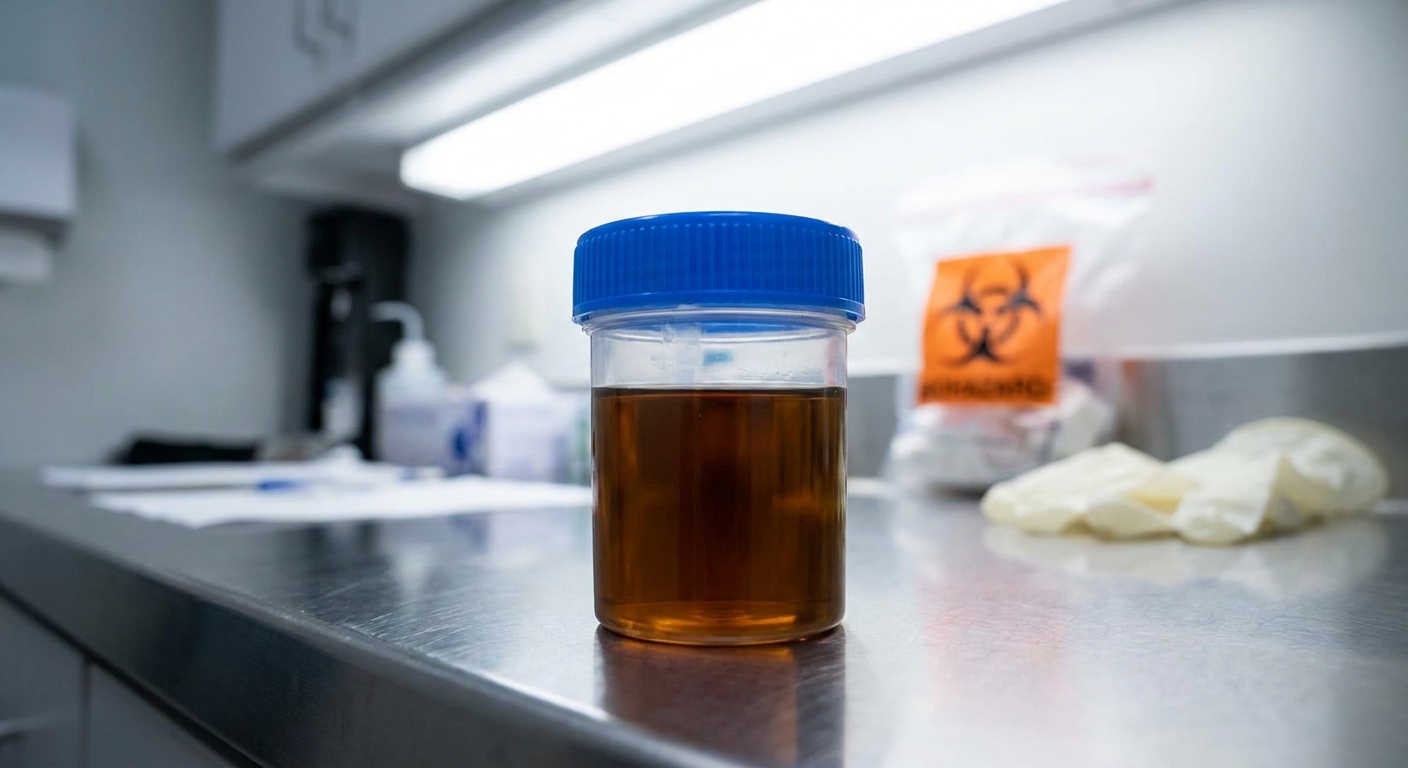
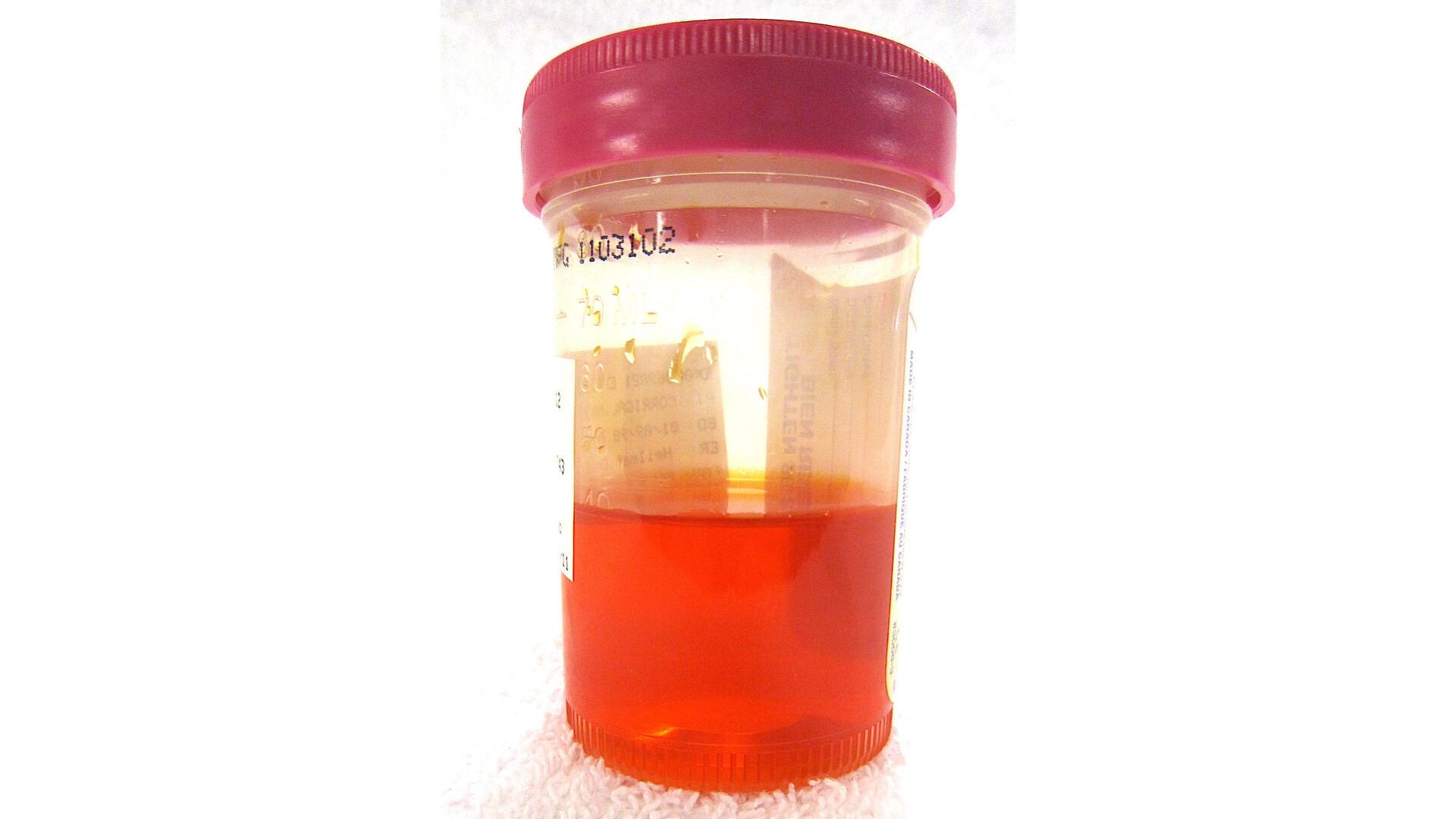
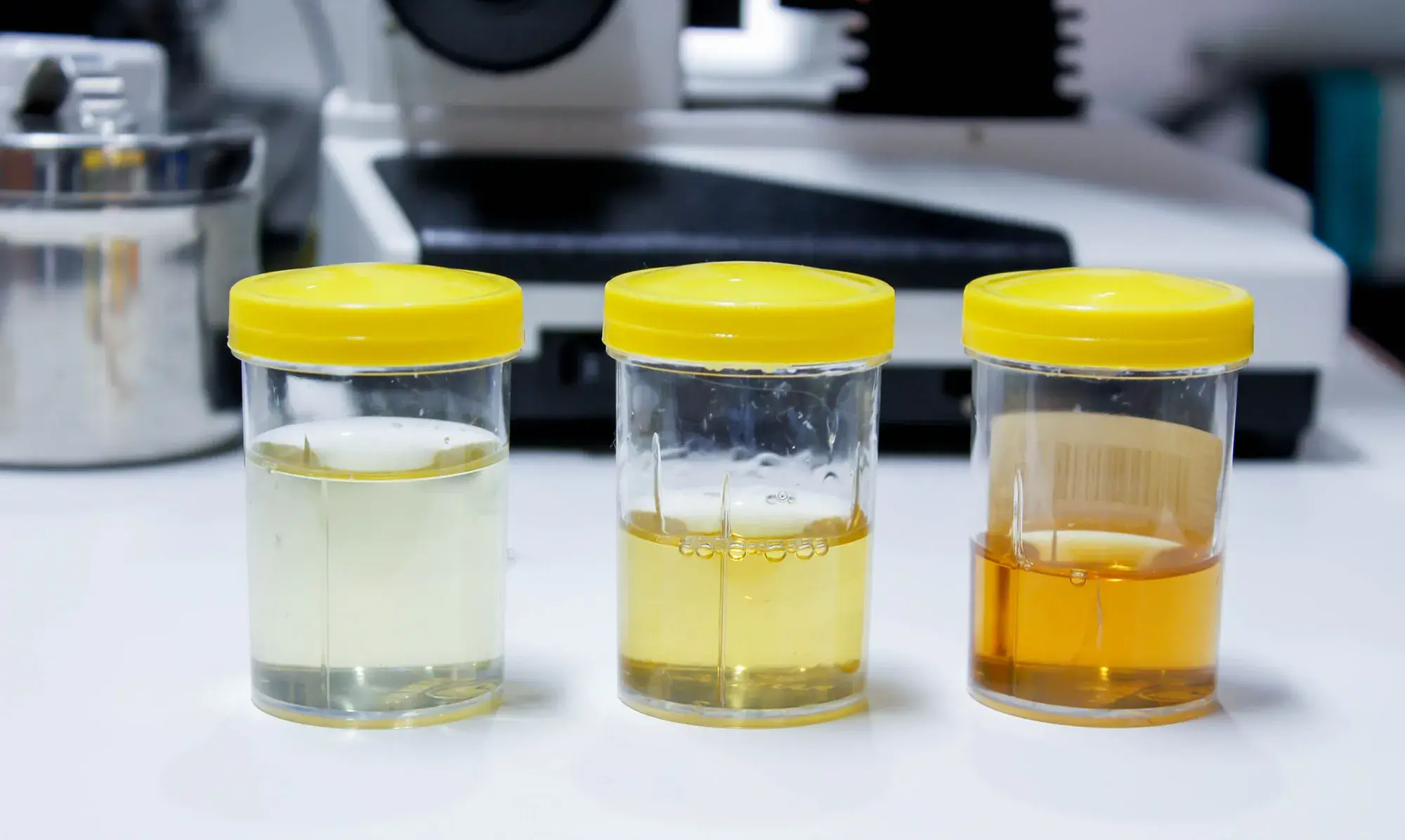
In clinic, one of the most unsettling symptoms I hear about is urine that looks tea-colored or cola-colored, especially first thing in the morning. Many people assume it must be blood from the kidneys or bladder. Sometimes it is. But there is another, rarer explanation that is easy to miss if you have never heard the name: paroxysmal nocturnal hemoglobinuria, or PNH.
PNH is a disorder where your immune system's complement pathway mistakenly damages your own blood cells. The result can be free hemoglobin spilling into the urine, plus a higher risk of dangerous blood clots.
PNH, in plain language
PNH is a rare, acquired blood disorder. It is not something you are typically born with and it is not contagious.
In PNH, a change occurs in a blood-forming stem cell in the bone marrow (a mutation in a gene called PIGA). That one changed stem cell can start producing blood cells that are missing protective surface proteins. The key idea is this:
- Most people's blood cells have natural "shields" that prevent the complement system from attacking them.
- In PNH, some red blood cells lack those shields, so complement can punch holes in them and destroy them.
The medical word for red blood cell breakdown is hemolysis. When hemolysis happens inside the bloodstream, hemoglobin can be released as free hemoglobin and filtered by the kidneys.
Why PNH can cause dark first-morning urine
The term "nocturnal" is part of the historic name because many people noticed darker urine in the morning. We now know hemolysis can happen at different times of day, but the morning pattern still shows up for a few practical reasons:
- Urine is more concentrated after hours of sleep, so pigments look darker.
- If hemolysis occurred overnight, free hemoglobin may be more noticeable in that first void.
Importantly, the urine may look red-brown even when a urine dipstick suggests "blood" but microscopy shows few or no intact red blood cells. That mismatch is a clue that the pigment could be free hemoglobin rather than bleeding somewhere in the urinary tract.
If you ever have red, brown, or cola-colored urine, do not self-diagnose. It always deserves a medical evaluation, especially if you also have weakness, chest pain, shortness of breath, or severe abdominal pain.
Common symptoms of PNH
Some people have subtle symptoms for a long time. Others get very sick quickly. What you feel depends on how much hemolysis is happening, whether your bone marrow is also struggling, and whether clots are forming.
Fatigue and anemia symptoms
As red blood cells are destroyed faster than your body can replace them, you can develop anemia. That may cause:
- Persistent fatigue
- Shortness of breath with exertion
- Lightheadedness
- Headaches
- Heart pounding or rapid heart rate
- Pale skin
Pain and "smooth muscle" symptoms
Free hemoglobin in the bloodstream can lower nitric oxide availability, which affects blood vessel tone and smooth muscle. Some people experience:
- Abdominal pain
- Difficulty swallowing or esophageal spasms
- Chest discomfort
- Erectile dysfunction
Dark urine and jaundice
You may notice:
- Tea-colored or cola-colored urine, often more noticeable in the morning
- Yellowing of the eyes or skin (jaundice) in some cases
The complication that makes PNH urgent: blood clots in unusual places
PNH is well known for increasing the risk of thrombosis, meaning blood clots. These clots are not just a routine DVT in the leg (though that can happen). What makes PNH particularly concerning is that clots can develop in unusual veins, including:
- Hepatic veins (can lead to Budd-Chiari syndrome, a serious liver blood flow problem)
- Portal or mesenteric veins (veins that drain the intestines, can cause severe abdominal pain)
- Cerebral venous sinuses (veins in the brain, can cause severe headache or neurologic symptoms)
Clot risk is one reason PNH needs specialty care. If you have known PNH and develop sudden severe headache, chest pain, shortness of breath, new one-sided swelling, or intense abdominal pain, that is an emergency.
PNH and aplastic anemia: the overlap matters
PNH often overlaps with bone marrow failure disorders, especially aplastic anemia. In aplastic anemia, the bone marrow does not make enough blood cells, which can cause:
- Low red blood cells (anemia)
- Low white blood cells (higher infection risk)
- Low platelets (easy bruising or bleeding)
Some people are diagnosed with aplastic anemia first and later found to have a PNH clone on testing. Others have classic hemolysis symptoms and then develop marrow failure features. This overlap is not a detail. It can change treatment decisions and follow-up plans.
How PNH is diagnosed
Because PNH is rare and symptoms can look like many other conditions, diagnosis often starts with a pattern of lab results that suggest hemolysis, followed by a confirmatory test.
Initial labs that raise suspicion
Your clinician may order blood and urine tests such as:
- Complete blood count (CBC) to check anemia and other cell lines
- Reticulocyte count (young red cells), often elevated if the marrow is trying to compensate
- LDH (lactate dehydrogenase), often high with hemolysis
- Haptoglobin, often low because it binds free hemoglobin
- Bilirubin, may be elevated
- Urinalysis and microscopy to see whether there are intact red blood cells or mostly pigment
The test that confirms it: flow cytometry
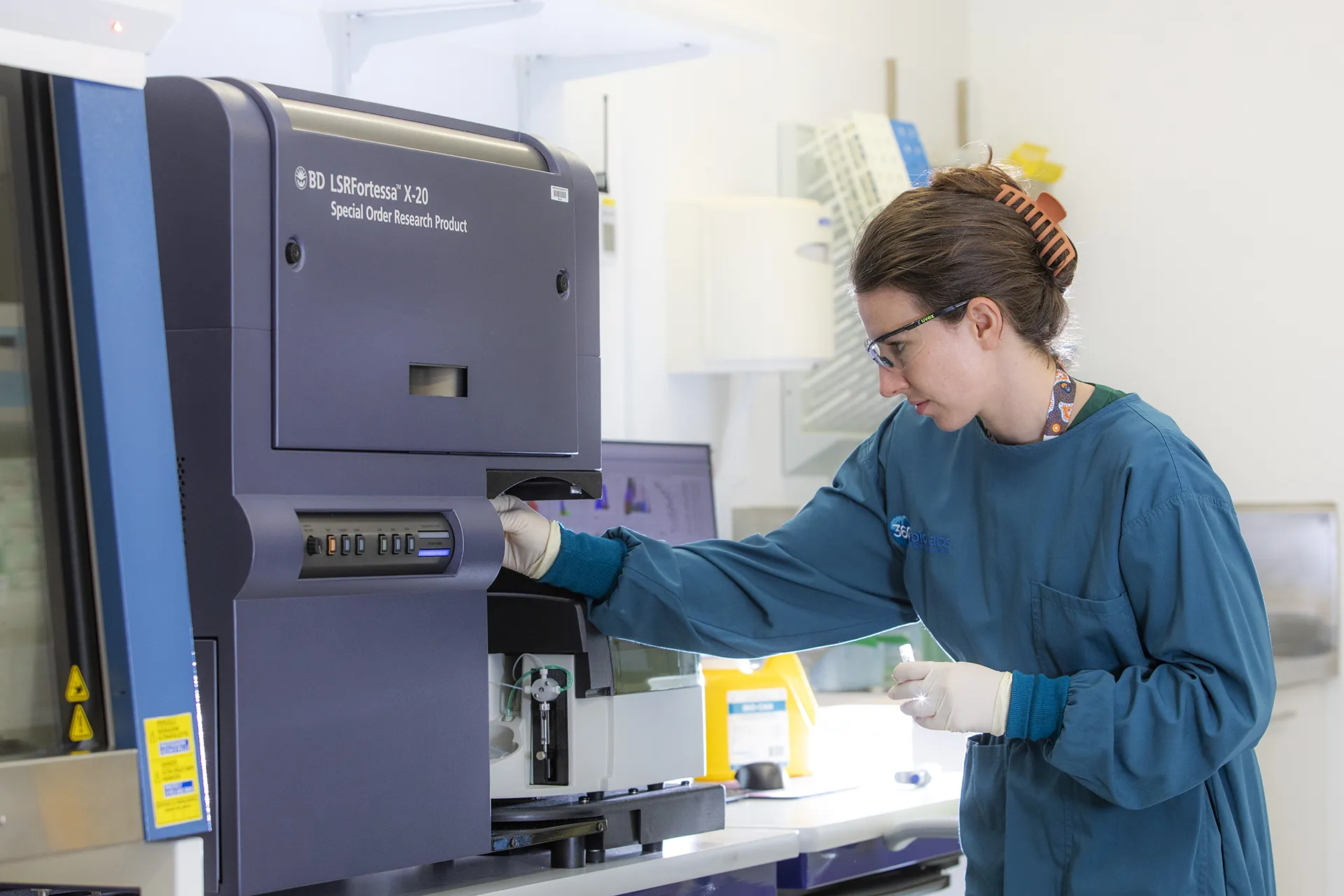
The gold-standard diagnostic test for PNH is flow cytometry on blood cells. This test looks for the absence of protective proteins on the surface of blood cells, commonly:
- CD55 and CD59 on red blood cells and white blood cells
Many labs also use a reagent called FLAER to help detect the PNH clone on white blood cells. Results typically describe the size of the PNH clone across cell types. That information helps specialists estimate risk and plan treatment.
Treatment options for PNH
PNH care is usually coordinated by a hematologist. Treatment is individualized, based on symptoms, lab evidence of ongoing hemolysis, history of clots, and whether aplastic anemia is also present.
Complement inhibitors
The major advance in PNH treatment has been medications that block complement so it cannot destroy vulnerable red blood cells. Your hematology team may discuss drugs that target complement proteins such as C5 or C3. These therapies can reduce hemolysis, improve anemia and fatigue in many people, and lower clot risk.
Because complement plays a role in fighting certain infections, complement-blocking therapy can require specific vaccinations and an action plan for fever or infection symptoms. Your care team will guide this closely.
Supportive care
Depending on your situation, supportive measures may include:
- Iron and folate assessment and replacement if needed
- Blood transfusions for significant anemia
- Management of kidney function if hemolysis has affected it
Blood thinners
If you have a clot, anticoagulation is often necessary. In some high-risk cases, hematology may consider preventive anticoagulation, but this decision has to balance clot risk against bleeding risk, especially if platelets are low due to marrow failure.
Bone marrow transplant
A hematopoietic stem cell transplant may be considered in select cases, particularly when severe aplastic anemia is present or disease is not controlled with other therapies. It is a significant treatment with real risks, so it is approached carefully.
When to seek urgent care
If you have known or suspected PNH, seek emergency evaluation for symptoms that could signal a blood clot or severe anemia, including:
- Sudden shortness of breath, chest pain, coughing up blood
- New one-sided leg swelling or pain
- Severe or unusual headache, fainting, confusion, weakness, trouble speaking
- Severe abdominal pain, especially with vomiting or swelling
- Dark urine plus dizziness, rapid heartbeat, or feeling like you may pass out
Questions I hear often
Is PNH cancer?
PNH is not typically described as a cancer, but it is a clonal disorder of blood-forming stem cells, meaning one changed cell line expands. It can be associated with other bone marrow conditions, which is why hematology follow-up is important.
Is PNH inherited?
In most cases, no. PNH is usually acquired, caused by a mutation that happens during a person's life in a bone marrow stem cell. It is generally not passed from parent to child.
Can PNH cause red urine without red blood cells?
Yes. PNH can cause hemoglobinuria, meaning free hemoglobin in urine. A dipstick can read positive for "blood" because it detects heme pigment, even if microscopy shows few or no intact red blood cells.
Does PNH always cause dark urine?
No. Some people have minimal or intermittent hemoglobinuria, and others have mainly fatigue, anemia, or clotting issues. That is why the diagnosis often depends on the full clinical picture plus flow cytometry.
The bottom line
Paroxysmal nocturnal hemoglobinuria is a rare but serious complement-driven blood disorder that can destroy red blood cells, release free hemoglobin that darkens urine, and increase the risk of dangerous blood clots sometimes in unusual veins. The diagnosis is confirmed with flow cytometry, and modern complement-targeting therapies have dramatically changed outcomes for many patients.
If you are noticing dark morning urine, unexplained fatigue, or symptoms that could suggest a clot, you deserve a careful evaluation. Bring a photo of the urine color if you can, and ask whether your urine microscopy and hemolysis labs match what the dipstick is showing. Clear information is often the first step toward the right diagnosis.