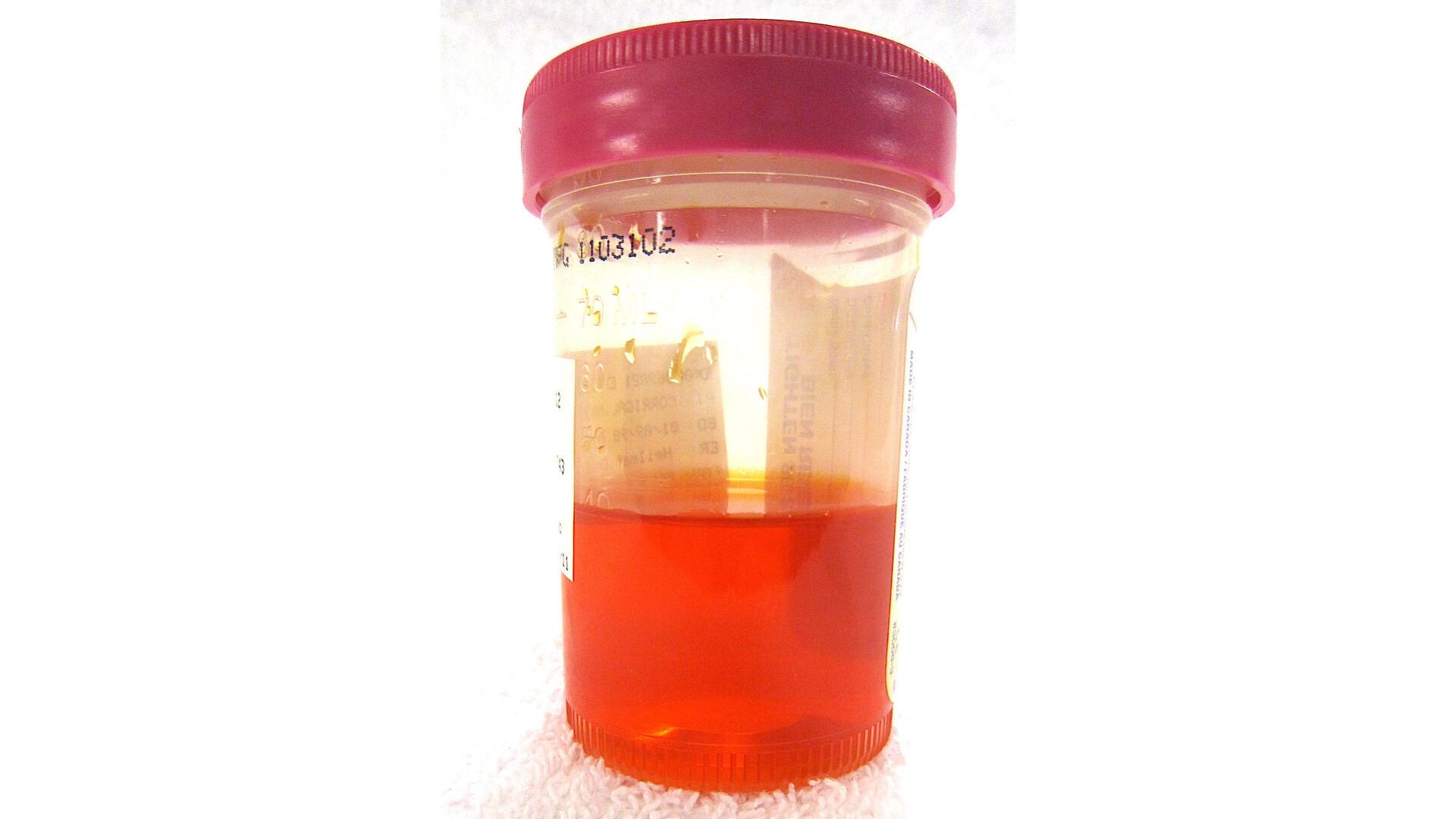
I grew up in a rural area where getting lab work done could take time, so families learned to watch clues closely. One of the most alarming clues is red urine. What surprises many people is that urine can look red, pink, or even cola-brown even when a microscope shows no red blood cells. In clinic, that mismatch can mean we are dealing with pigments or dyes, but it can also be a sign that heme-containing proteins (like myoglobin or hemoglobin) are showing up in the urine without intact red cells.
This page focuses on red urine with no red cells on microscopy. If your question is about confirmed blood in the urine, that is a different topic with a different workup.
What your tests are saying
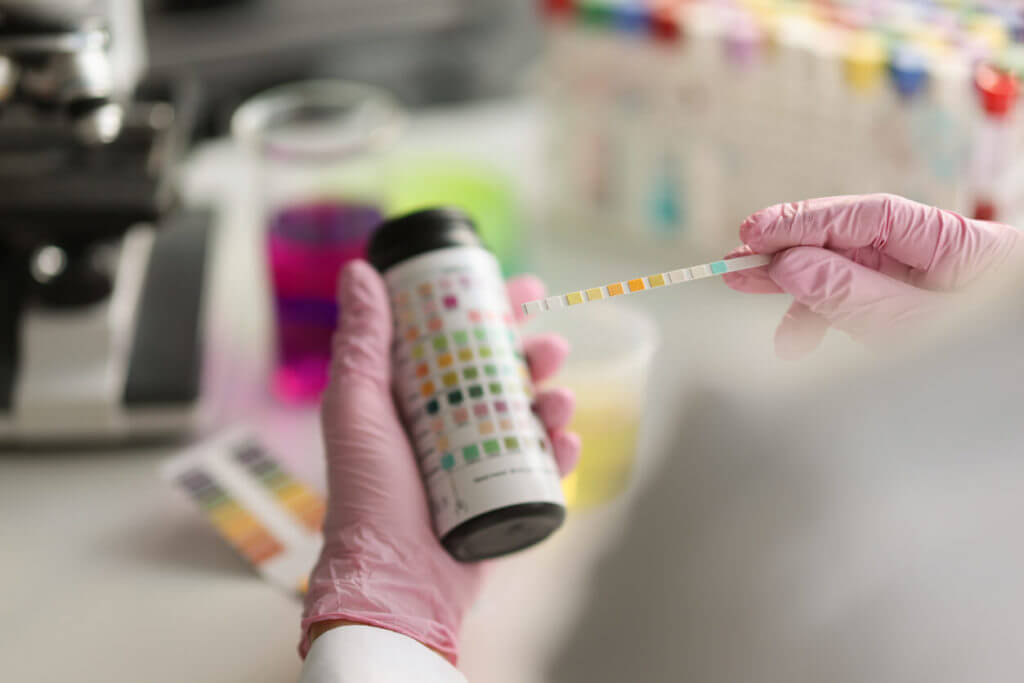
When clinicians evaluate discolored urine, we usually lean on two common tools:
- Urine dipstick: a rapid test strip that can turn positive for “blood” when it detects the heme portion found in hemoglobin or myoglobin.
- Urine microscopy: the lab looks under a microscope to count actual red blood cells.
These patterns are common:
- Red urine + dipstick negative for blood usually points toward food, supplements, or medication dyes.
- Red or cola urine + dipstick positive for blood + no red cells on microscopy raises concern for myoglobin (muscle breakdown) or free hemoglobin (red blood cell breakdown), because both can trigger the dipstick without intact red blood cells showing up.
One important nuance: “no red cells on microscopy” can occasionally be a false-negative. Red cells can lyse in very dilute or alkaline urine, samples can sit too long before analysis, and collection issues can muddy the picture. That is why clinicians often repeat urinalysis when the story and the lab results do not line up.
Dipstick negative: foods, drinks, and dyes
If the urine looks red but the dipstick does not detect blood, the most common explanation is pigment from something you consumed. The color can look dramatic, but it is often harmless and temporary.
Foods that can turn urine red or pink
- Beets (beeturia): can cause pink to red urine in some people. It may be more noticeable depending on urine chemistry and how your body processes beet pigments.
- Blackberries and rhubarb: can darken urine and occasionally pull it toward reddish tones.
- Foods with strong red dyes (some candies, frostings, drinks, gelatin desserts): can tint urine, particularly if you are dehydrated.
Supplements and vitamins
Some supplements include coloring agents. Also, high-dose B vitamins often make urine bright yellow, and that can mix with other pigments to look orange or red-tinged.
A simple self-check
If you feel well and recently had beets or heavily dyed foods, a practical step is to hydrate normally and see whether urine returns to its usual color within 24 to 48 hours. If the color persists, comes with symptoms, or you are not sure, it is reasonable to call your clinician.

Dipstick negative: medication color changes
Several medications can discolor urine. Some do it by pigment, some by metabolites, and some by dye. Depending on lighting and hydration, the color can look orange-red, red-brown, or tea-colored.
Common examples
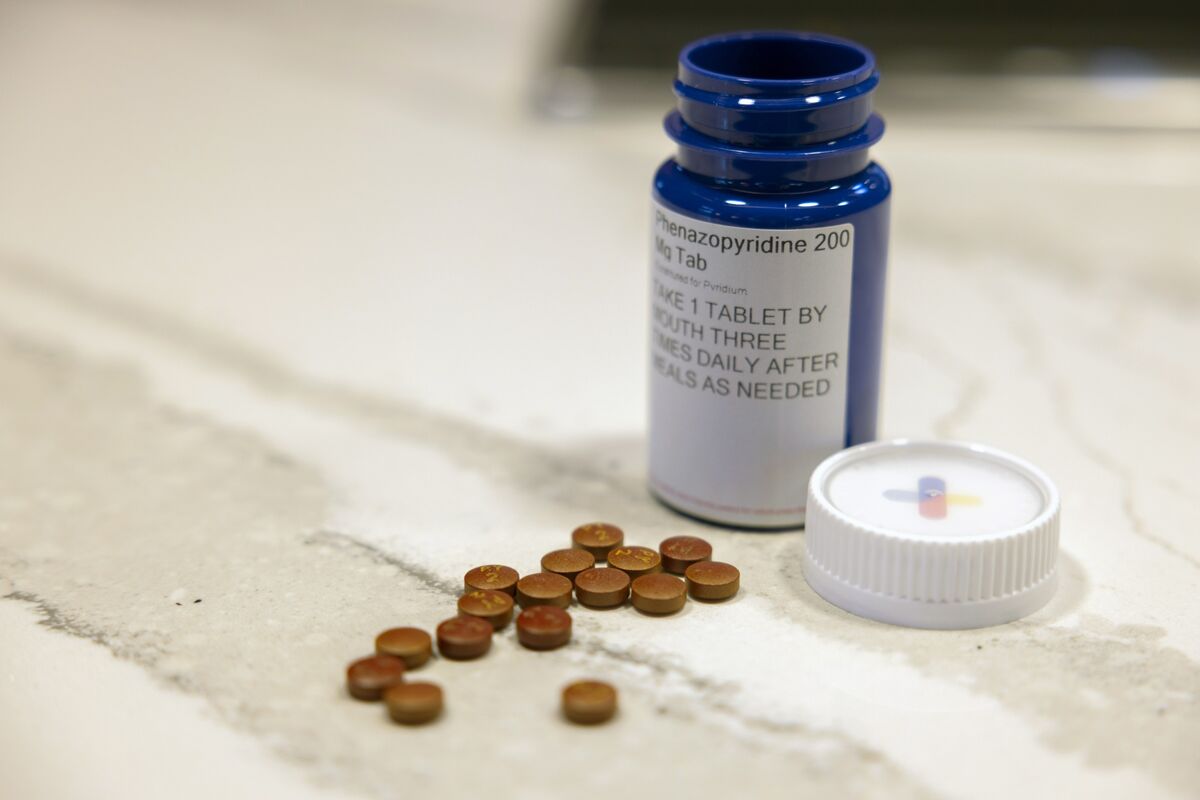
- Phenazopyridine (a urinary pain reliever): classically turns urine bright orange, but it can look reddish in the toilet bowl. It can also stain underwear.
- Rifampin (an antibiotic used for certain infections): can turn urine, sweat, and tears orange to red.
- Metronidazole: can make urine look darker or brown in some people.
- Nitrofurantoin: can cause brown-tinged urine in some people.
- Senna (a laxative): can cause brown to red-brown discoloration in some people.
Medication-related color changes should still be discussed if you also have pain, fever, new weakness, dizziness, yellowing of the eyes, or if the urine becomes persistently dark. But on their own, these changes can be expected side effects for some drugs.
Dipstick positive, no red cells: key causes
This is the “lab mismatch” that deserves extra respect: the urine dipstick says blood is present, but microscopy shows no red blood cells. In my practice, that pattern makes me think about two things right away:
- Myoglobinuria: myoglobin from muscle injury enters the urine.
- Hemoglobinuria: free hemoglobin from red blood cell breakdown enters the urine.
Why this happens
The dipstick reacts to heme, which is found in both hemoglobin (from red blood cells) and myoglobin (from muscle). If those proteins are floating freely in urine, the strip can turn positive even though intact red blood cells are not there to be counted under the microscope.
Myoglobinuria and muscle injury
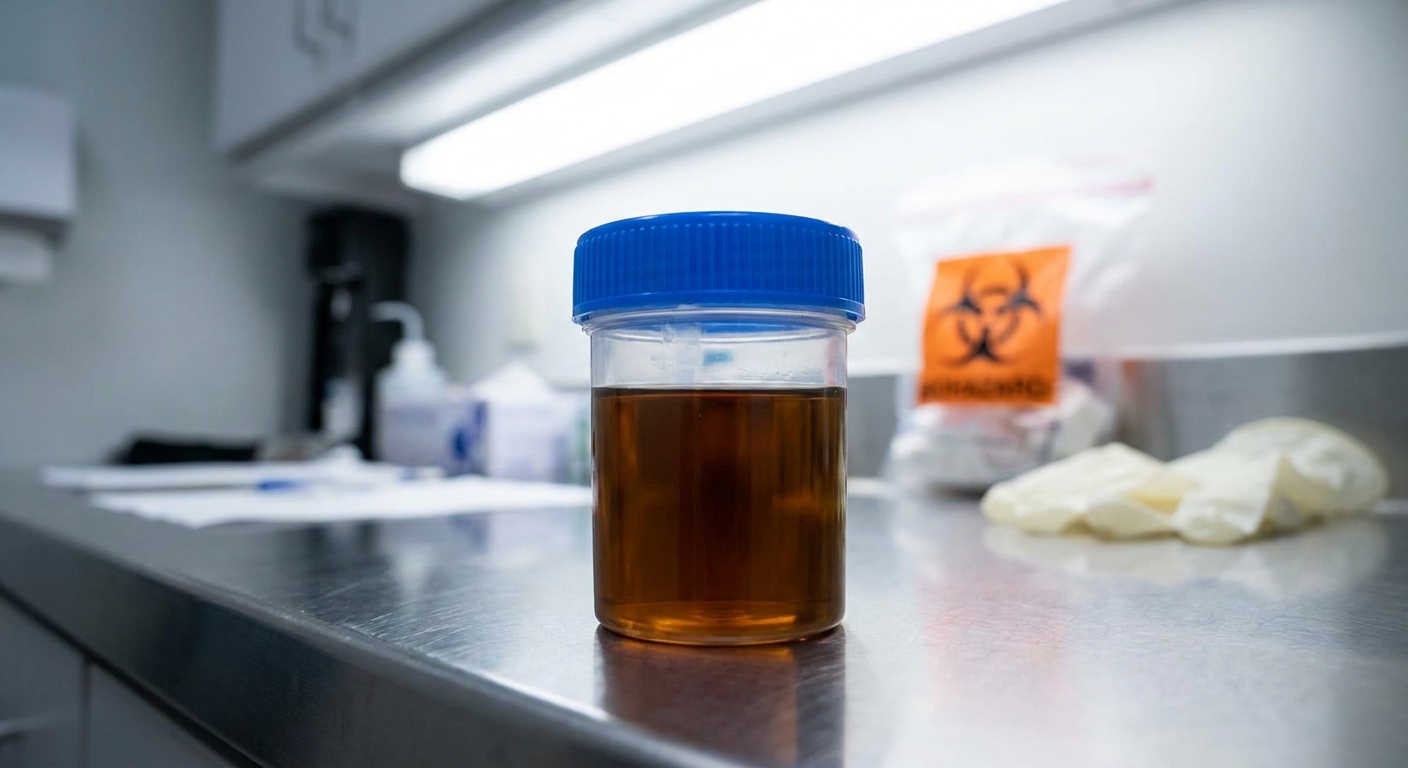
Myoglobinuria can happen when muscle cells are damaged and release myoglobin into the bloodstream, which the kidneys try to filter out. This can turn urine tea-colored or cola-colored. Severe cases are associated with rhabdomyolysis, which can injure the kidneys.
Same-day care clue
If you have dark red-brown or cola urine and also have significant muscle pain, tenderness, swelling, or unusual weakness, treat that combination as a same-day medical issue. In particular, seek urgent evaluation if any of the following are true:
- Symptoms started after intense or unaccustomed exercise (especially in heat)
- There was a crush injury, prolonged immobilization, or severe fall
- You have fever, dehydration, vomiting, or cannot keep fluids down
- You are taking medications associated with muscle injury risk, such as statins, especially with new muscle symptoms
Clinicians typically check creatine kinase (CK), kidney function, electrolytes, and assess hydration. Treatment is clinician-directed and often includes IV fluids and close monitoring to protect the kidneys.

Hemoglobinuria and hemolysis
Hemoglobinuria can occur when red blood cells break apart in the bloodstream (hemolysis), releasing hemoglobin that can pass into urine. Urine may look red, reddish-brown, or tea-colored. The dipstick can be positive for blood, while microscopy shows few or no red cells.
Symptoms that can accompany hemolysis
- Fatigue, lightheadedness
- Shortness of breath or fast heartbeat
- Jaundice (yellowing of skin or eyes)
- Dark urine that is not explained by food or medication
- Back or abdominal pain in some cases
Causes range from medication reactions to immune conditions and inherited disorders. This is not something to self-diagnose. If you have red or dark urine with systemic symptoms like weakness, yellowing of the eyes, chest pain, fainting, or shortness of breath, you should be evaluated promptly.
Other causes of red-brown urine
Not every “red” urine story fits neatly into dye versus myoglobin versus hemoglobin. A few other possibilities can change urine color, and some can confuse collection or interpretation:
- Menstrual or vaginal blood contamination: can make urine appear red. Depending on timing and sampling, results can be inconsistent. If this is possible, a clean-catch sample or repeat test after bleeding stops can help.
- Severe dehydration: can concentrate urine so it looks very dark amber and sometimes brownish. It is usually accompanied by thirst, dizziness, or dry mouth.
- Liver or bile pigment issues: can make urine look dark brown, like strong tea. Often there are other signs such as pale stools, itching, or yellowing of eyes and skin.
- Porphyria (rare): urine may appear reddish or brown and can darken after standing. This is a specialist diagnosis, but it is worth keeping in mind when the history strongly points that way.
If discoloration is persistent or paired with new symptoms, you deserve a real evaluation, not guesswork.
What to do right now
1) Check three key details
- Timing: When did it start, and is it every void or intermittent?
- Exposures: Beets, heavily dyed foods, new vitamins, new medications (including over-the-counter).
- Symptoms: Muscle pain or weakness, fever, burning with urination, flank pain, yellowing of eyes, dizziness.
2) Hydrate normally
If you are not on a fluid restriction, drink water as you normally would, and avoid heavy exertion until you know what is going on. Over-hydrating is not helpful and can be risky for some people, so aim for steady, normal intake.
3) Save a sample or take a photo
It may feel strange, but a photo in good lighting can help a clinician understand whether the color is bright red, pink, orange, or cola-brown.
When to get urgent help
Color changes alone can be benign, but certain combinations should prompt fast evaluation.
Seek same-day urgent care if:
- Your urine is cola-colored or red-brown and you have muscle pain, swelling, or unusual weakness
- The dipstick is positive for blood but microscopy shows no red cells, especially with symptoms after exercise, heat illness, illness with dehydration, or injury
- You have fever, significant nausea or vomiting, or cannot stay hydrated
- You notice yellowing of the eyes/skin or feel markedly weak or short of breath
- You are pregnant, have known kidney disease, or take blood thinners and you develop new unexplained red or dark urine
Go to the emergency department now if:
- You have chest pain, fainting, severe shortness of breath, confusion, or severe weakness
- You have severe muscle pain with very dark urine and decreased urination
- You cannot keep fluids down and urine is getting darker
What your clinician may check
Depending on your symptoms and the initial urine results, a clinician may order:
- Repeat urinalysis with microscopy (timing, dilution, and sample handling can matter)
- Creatine kinase (CK) for suspected muscle injury
- Kidney function and electrolytes
- Complete blood count and tests for hemolysis if hemoglobinuria is suspected
- Liver tests if urine appears tea-brown with other jaundice symptoms
If you are comfortable doing so, bring an updated medication list, including supplements and any recent dose changes.
FAQ
Can a urine test miss blood?
It can happen. Very dilute or alkaline urine can cause red cells to lyse, delayed analysis can degrade cells, and collection issues can affect microscopy. That said, the specific pattern of dipstick positive with no red cells is a well-known clue for myoglobin or free hemoglobin rather than missed bleeding, especially when the clinical story fits.
Why is my urine red but I feel fine?
If you feel completely well and the dipstick is negative, foods (like beets) and certain medications are common reasons. If the color persists beyond a day or two, keeps returning, or you are unsure what is causing it, check in with a clinician.
Does phenazopyridine mean I have a UTI?
No. Phenazopyridine can ease urinary burning, but it does not treat infection and it can change urine color. If you have UTI symptoms, you still need appropriate evaluation and treatment.
Is cola-colored urine always dangerous?
Not always, but it is a color that makes me think about myoglobin and kidney stress, especially after intense exercise, heat exposure, or injury. If cola-colored urine shows up with muscle pain or weakness, get same-day care.
A final reassurance
Red urine is one of those symptoms that can be either simple or serious. The good news is that the dipstick and microscopy pattern often gives a strong clue about which lane you are in. If your urine is red and testing shows no red blood cells, focus on two questions: Is the dipstick positive for blood? and Do you have muscle symptoms? If the answer is yes to either, I would rather you get checked the same day than wait it out.