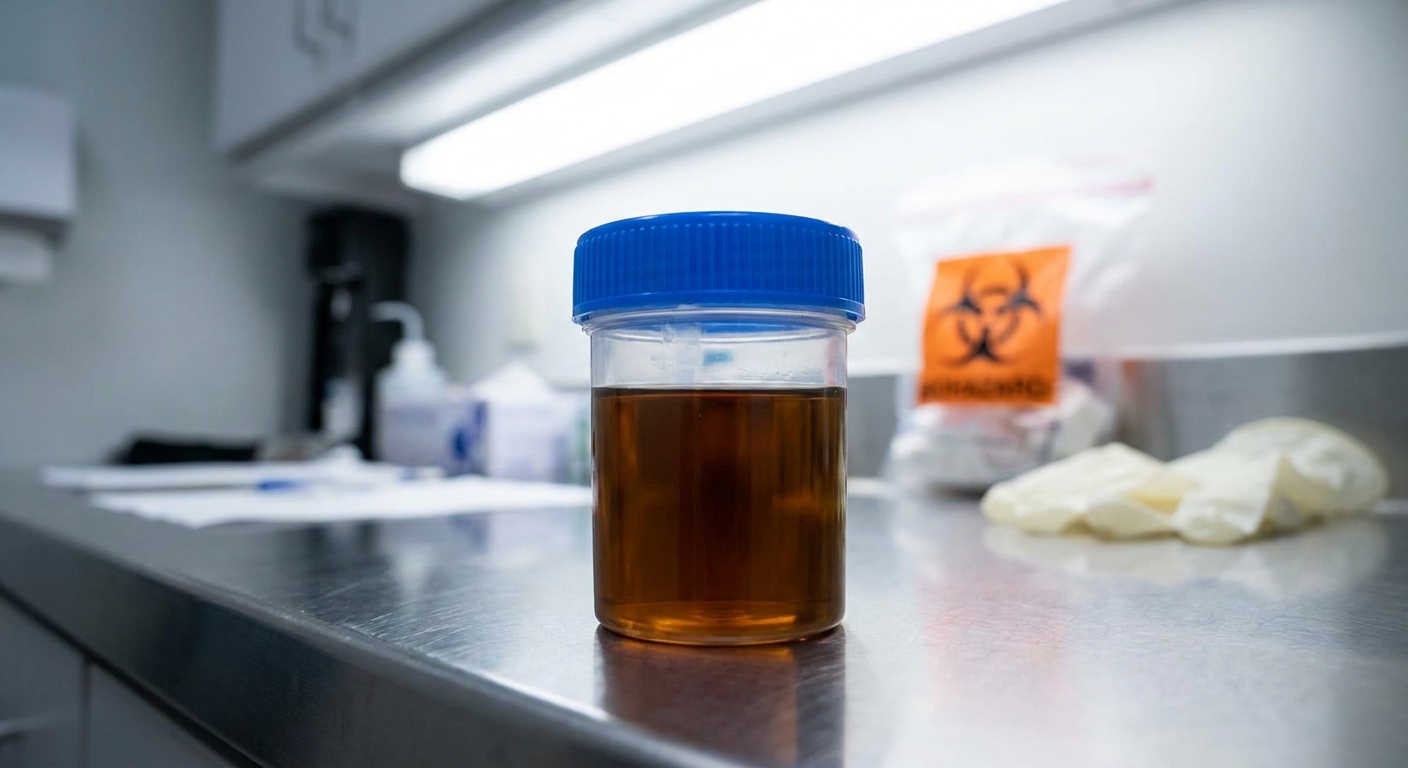
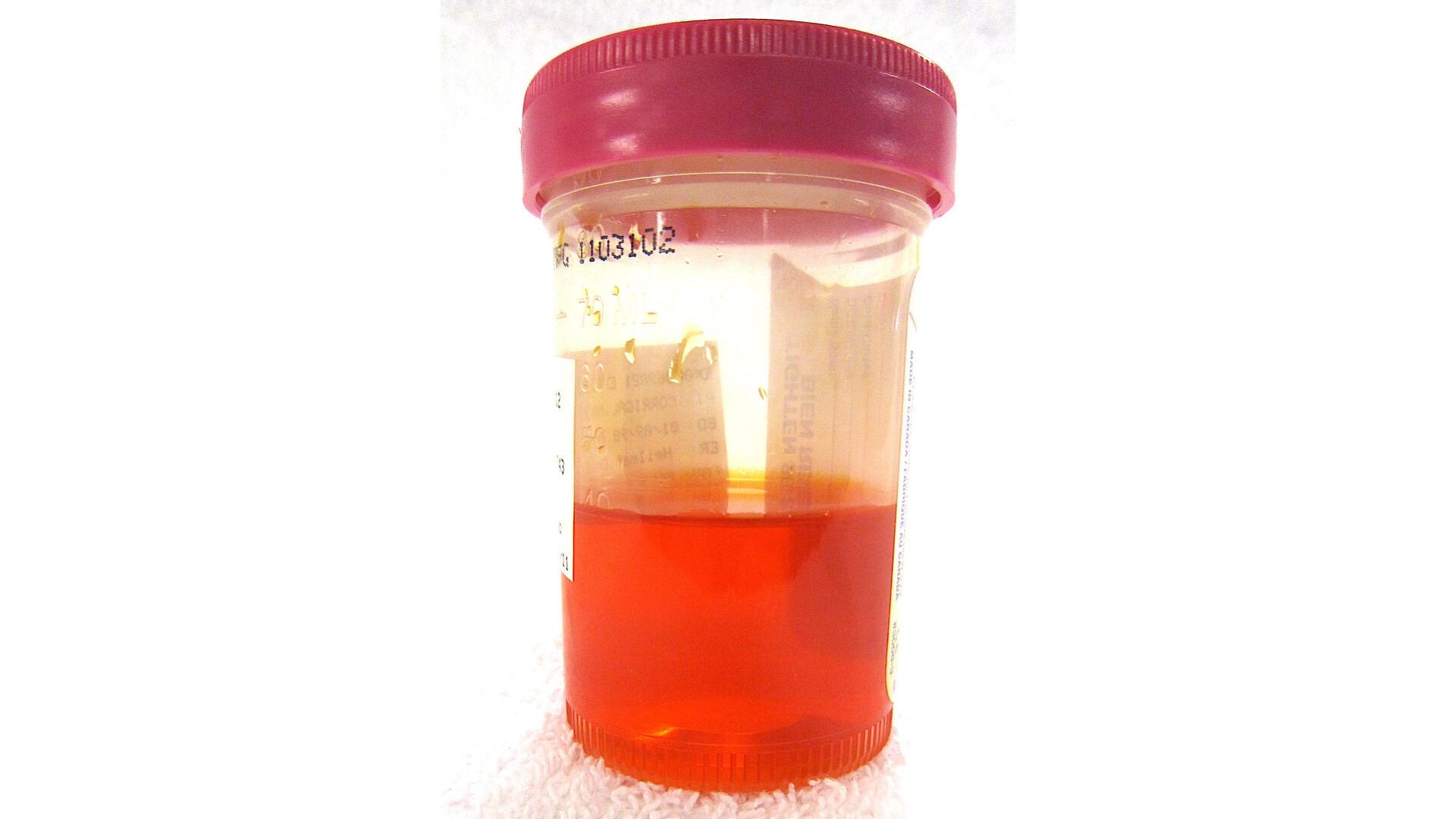
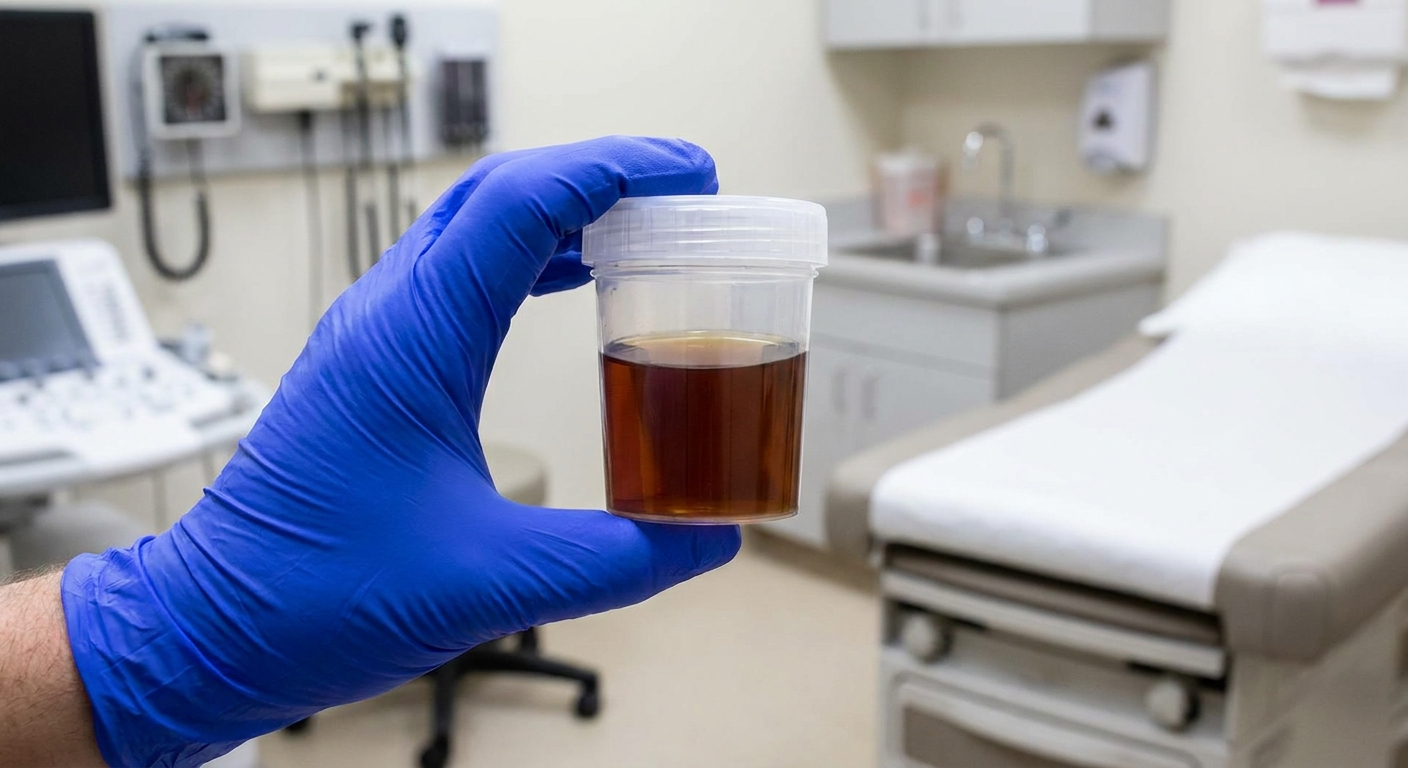
In clinic, I have met people who came in worried about a urinary tract infection because their urine suddenly looked brown or tea-colored. Sometimes it is not blood at all. Sometimes it is a muscle emergency.
Rhabdomyolysis (often shortened to “rhabdo”) is a condition where skeletal muscle breaks down rapidly and releases its contents into the bloodstream. One of those contents is myoglobin, a muscle protein that can overwhelm and injure the kidneys. Rhabdomyolysis is treatable, but it is not something to wait out at home. If you suspect it, it deserves urgent medical evaluation.
What happens in rhabdomyolysis?
Your skeletal muscles are built to contract, relax, and recover. In rhabdomyolysis, muscle cells become damaged enough that their membranes leak or rupture. When that happens, several substances spill into the blood, including:
- Myoglobin, which can damage kidney tubules and contribute to acute kidney injury
- Creatine kinase (CK), an enzyme that becomes very elevated and is one of the main tests used to confirm the diagnosis
- Electrolytes like potassium and phosphate, which can shift quickly and become dangerous
Think of it like a factory spill. The muscle is the factory, and myoglobin is a product that is safe inside the factory. Once it floods the “river” (your bloodstream), your kidneys have to filter it, and they can get injured in the process.
Common causes
Rhabdomyolysis can happen for multiple reasons. The unifying theme is muscle injury plus strain on the body (heat, dehydration, illness, medications, or prolonged pressure).
Crush injuries and trauma
Car accidents, building collapses, severe falls, or heavy objects compressing a limb can injure muscle directly. In disasters, “crush syndrome” is a well-known trigger for rhabdomyolysis and kidney failure.
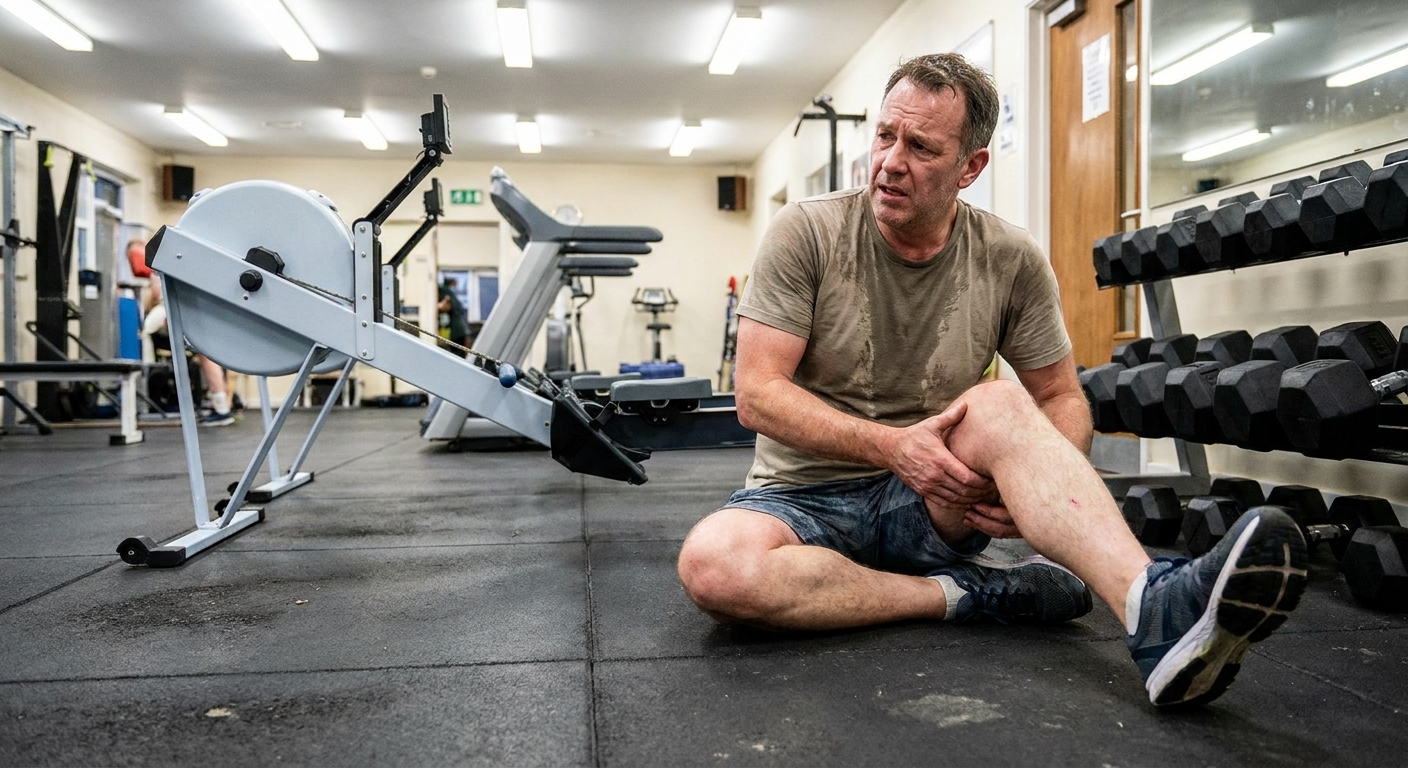
Extreme exercise or overexertion
High-intensity workouts beyond your conditioning can cause rhabdo, especially when paired with heat, humidity, dehydration, or a recent illness. It is most often reported after:
- Sudden increases in training intensity or volume
- Competitive events pushing through severe pain
- “Do it until you drop” group workouts
Medications and substances (including statins)
Statins (cholesterol-lowering medications) can cause muscle side effects. Most people who get muscle symptoms from statins have mild aches, but in rare cases, statin-related muscle injury can become severe and lead to rhabdomyolysis.
Risk is higher when statins are combined with other medications that raise statin levels in the body. Common examples include certain macrolide antibiotics (like clarithromycin), some antifungals, and some HIV medications. The risk can also rise when statins are combined with gemfibrozil (a lipid medication). Alcohol, cocaine, amphetamines, and other substances can also contribute to muscle breakdown.
If you take a statin and develop new severe muscle pain, profound weakness, or dark urine, do not ignore it. Call your prescriber urgently or seek same-day care.
Prolonged immobility or being “down” for a long time
Lying in one position for hours can compress muscle and cut off circulation, especially after:
- Fainting episodes
- Seizures
- Heavy alcohol use or sedating drugs
- Serious illness where a person cannot get up
This is also why older adults who fall and cannot reach help are at higher risk. The injury is not always the fall itself. It is the time spent immobile afterward.
Symptoms
Rhabdomyolysis can be sneaky. Some people have dramatic symptoms, others have more subtle ones. Classic findings include:
- Muscle pain, which can be severe, commonly in thighs, calves, shoulders, or lower back
- Muscle weakness or difficulty moving the affected area
- Swelling and tightness of the muscle
- Dark urine that looks tea-colored or cola-colored
- Decreased urination (a warning sign for kidney involvement)
- Fatigue, nausea, or feeling generally unwell
Notably, the “triad” of pain, weakness, and dark urine is taught in textbooks, but many real-life cases do not have all three. If your story fits the risk pattern, trust your gut and get checked.
Why urine can look like blood
People often say “blood in my urine,” but the lab may show something different.
In rhabdomyolysis, urine may look red-brown because of myoglobin released from damaged muscle. Here is the key point:
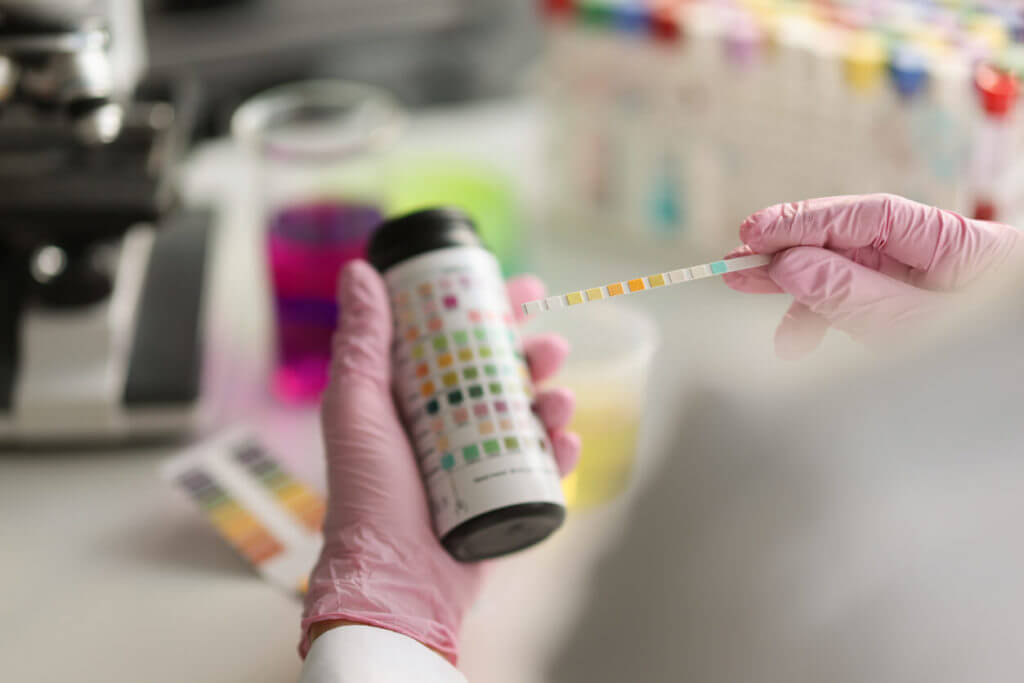
- A urine dipstick may read positive for blood because it detects the heme pigment found in both hemoglobin and myoglobin.
- Under the microscope, there may be few or no red blood cells.
That combination, dark urine with a “blood” dipstick but no red cells, is a major clue for pigment in the urine and possible rhabdomyolysis. However, hemoglobin from red blood cell breakdown (hemolysis) can sometimes produce a similar pattern. This is why clinicians do not rely on the dipstick alone. The full picture matters, including your story, exam, and blood tests like CK.
How it is diagnosed
Clinicians diagnose rhabdomyolysis based on your symptoms, risk factors, and labs. The most important tests usually include:
Creatine kinase (CK)
Very high CK is a hallmark of rhabdomyolysis. Many clinicians use a working definition like CK more than 5 times the upper limit of normal (often over about 1,000 U/L) in the right clinical context. In significant cases, CK can be several thousand or much higher. There is not one magic number that predicts outcomes for every person, but in general, the higher the CK, the greater the concern for complications.
Kidney function tests
Blood tests like creatinine (and related markers) help show whether the kidneys are being affected. Your care team may also monitor urine output.
Electrolytes
Potassium, calcium, phosphate, and other electrolytes can shift. These changes can cause symptoms like heart rhythm problems, tingling, cramps, or weakness, and they need prompt medical attention.
Urinalysis
As described above, urine may show signs consistent with myoglobin. The color change often gets people in the door, which is a good thing.
Why rhabdomyolysis is dangerous
The biggest immediate concern is acute kidney injury from myoglobin and dehydration. But there are other serious complications as well, including:
- Electrolyte disturbances (especially high potassium), which can affect the heart
- Compartment syndrome, where swelling in a muscle compartment cuts off blood flow and threatens the limb
- Abnormal heart rhythms related to electrolyte shifts
- Disseminated intravascular coagulation (DIC) in severe cases
This is why rhabdomyolysis is not a “drink some water and see” situation. Fluids are often part of treatment, but the exact approach depends on your labs, kidneys, heart health, and overall condition.
When to get urgent help
Rhabdomyolysis sits on a spectrum. Some people can be evaluated at an urgent care with on-site labs. Others need an emergency department right away. Here is a practical way to think about it.
Go to the emergency department or call 911
Choose the emergency department (or call 911) if you have possible rhabdo plus any of the following:
- A crush injury, major trauma, or you were trapped under weight
- Chest pain, palpitations, fainting, or severe weakness
- Decreased urination, inability to keep fluids down, confusion, or severe dehydration
- Severe swelling of an arm or leg, especially with tightness, numbness, weakness, or pain that is rapidly worsening (possible compartment syndrome)
Get same-day evaluation
Seek same-day evaluation (urgent care with labs, or the emergency department if that is the fastest option) if:
- Dark tea-colored or cola-colored urine after a heavy workout, heat exposure, a viral illness, or a long period of immobility
- New significant muscle pain, swelling, or weakness that is not improving
- A urine dipstick reported as “blood” but you were told there are few or no red blood cells
- New severe muscle symptoms while taking a statin, especially after a medication change or addition
If your urine output is dropping, your symptoms are escalating, or you feel too weak to get yourself safely to care, treat it like an emergency. Rhabdomyolysis needs prompt assessment.
What to do while you are getting help
These steps are safe and practical while you arrange urgent evaluation. They are not a substitute for care.
- Stop the triggering activity immediately (exercise, heat exposure, continued pressure on an injured limb).
- Avoid alcohol and recreational substances.
- Avoid NSAIDs unless a clinician tells you to take them (medicines like ibuprofen or naproxen). In the setting of possible kidney stress, they can sometimes make kidney injury more likely.
- Gather medication details (especially statins and any recent antibiotic, antifungal, or other new prescriptions) so you can share them quickly.
- Go in. If symptoms are significant, do not drive yourself.

Treatment
What happens next depends on severity, but the basic plan is usually straightforward. Treatment often includes:
- IV fluids to protect the kidneys and support urine output
- Frequent lab monitoring of CK, kidney function, and electrolytes
- Treating the trigger, such as cooling for heat illness, stopping an offending medication, or addressing an infection or injury
- Monitoring for complications like compartment syndrome and heart rhythm problems
In severe cases, some people need ICU-level care, and a small subset may require dialysis if kidney failure develops.
Recovery and prevention
Recovery depends on the cause, how quickly treatment begins, and whether the kidneys were affected. Many people recover fully, especially when care happens early.
Prevention tips
- Build intensity gradually when returning to exercise, especially after time off.
- Respect heat. Take breaks, cool down, and hydrate, particularly during summer workouts or outdoor labor.
- Do not push through extreme muscle pain, especially if it feels different than typical soreness.
- Review medication interactions with your pharmacist or prescriber if you take a statin.
- Check on vulnerable family members who live alone and could be immobile after a fall or illness.
FAQ
Is rhabdomyolysis the same as normal muscle soreness?
No. Typical delayed-onset muscle soreness after exercise is common and improves day by day. Rhabdomyolysis is muscle injury severe enough to release large amounts of muscle proteins into the bloodstream, with risks like kidney injury and dangerous electrolyte changes.
Can rhabdomyolysis happen without dark urine?
Yes. Dark urine is a helpful clue, but not everyone has it. Severe muscle pain, swelling, weakness, and very high CK can still be present.
If my urine dipstick says “blood,” does that mean I am bleeding?
Not always. Dipsticks detect heme pigment, which can come from red blood cells, hemoglobin, or myoglobin. If the urine looks dark and microscopy shows few or no red blood cells, myoglobin from muscle breakdown becomes a concern, but hemoglobin from hemolysis is also possible. This is why CK testing and clinical context matter.
Should I stop my statin if I am worried?
If you have severe muscle pain, significant weakness, or dark urine, seek same-day medical care. Do not ignore symptoms. Whether to hold a statin is an individual decision best made urgently with a clinician who can assess your risks and check labs.