When I worked in busy family clinics, one symptom always made my ears perk up right away: blood in the urine. Sometimes it turned out to be something fixable like a urinary tract infection or a kidney stone. But sometimes it was the first clue of a cancer hidden higher up in the urinary system, not in the bladder, but in the tubes that carry urine down to it.
That cancer is called upper tract urothelial carcinoma, often shortened to UTUC. If you or someone you love has been told they might have UTUC, or imaging showed a “filling defect,” this page will walk you through what those terms mean and what usually happens next.
What UTUC is
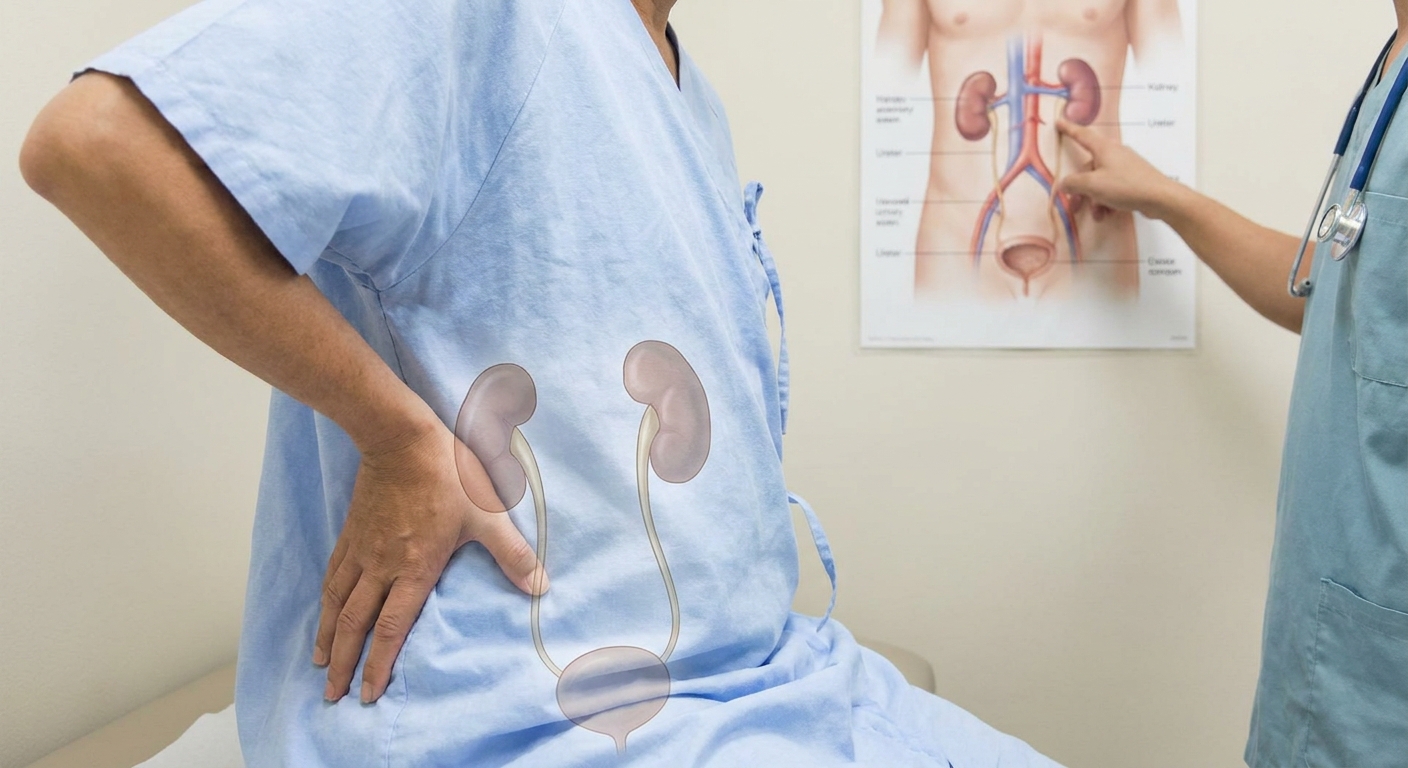
Upper tract urothelial carcinoma is a cancer that starts in the urothelium, the thin lining inside parts of the urinary system. The same type of lining is found in:
- Renal pelvis, the funnel-like area inside the kidney where urine collects before draining
- Ureter, the tube that carries urine from the kidney to the bladder
- Bladder
- Urethra, the tube that carries urine out of the body
Most urothelial cancers happen in the bladder. UTUC is less common, but it matters because it sits in a narrow drainage system where tumors can block urine flow and where treatment choices can impact kidney function.
How UTUC differs from kidney cancer
This is a point that confuses many people, and it is completely understandable.
UTUC is not the same as renal cell carcinoma, the most common “kidney cancer.” Renal cell carcinoma starts in the kidney’s filtering tissue. UTUC starts in the lining of the renal pelvis or ureter, which is more similar to bladder cancer in cell type.
If you hear phrases like “urothelial,” “transitional cell,” or “like bladder cancer but higher up,” your clinicians are pointing toward UTUC.
Common signs and symptoms
Some people have no symptoms at first, and the tumor is found during testing for something else. When symptoms happen, they often include:
Visible blood in the urine (gross hematuria)
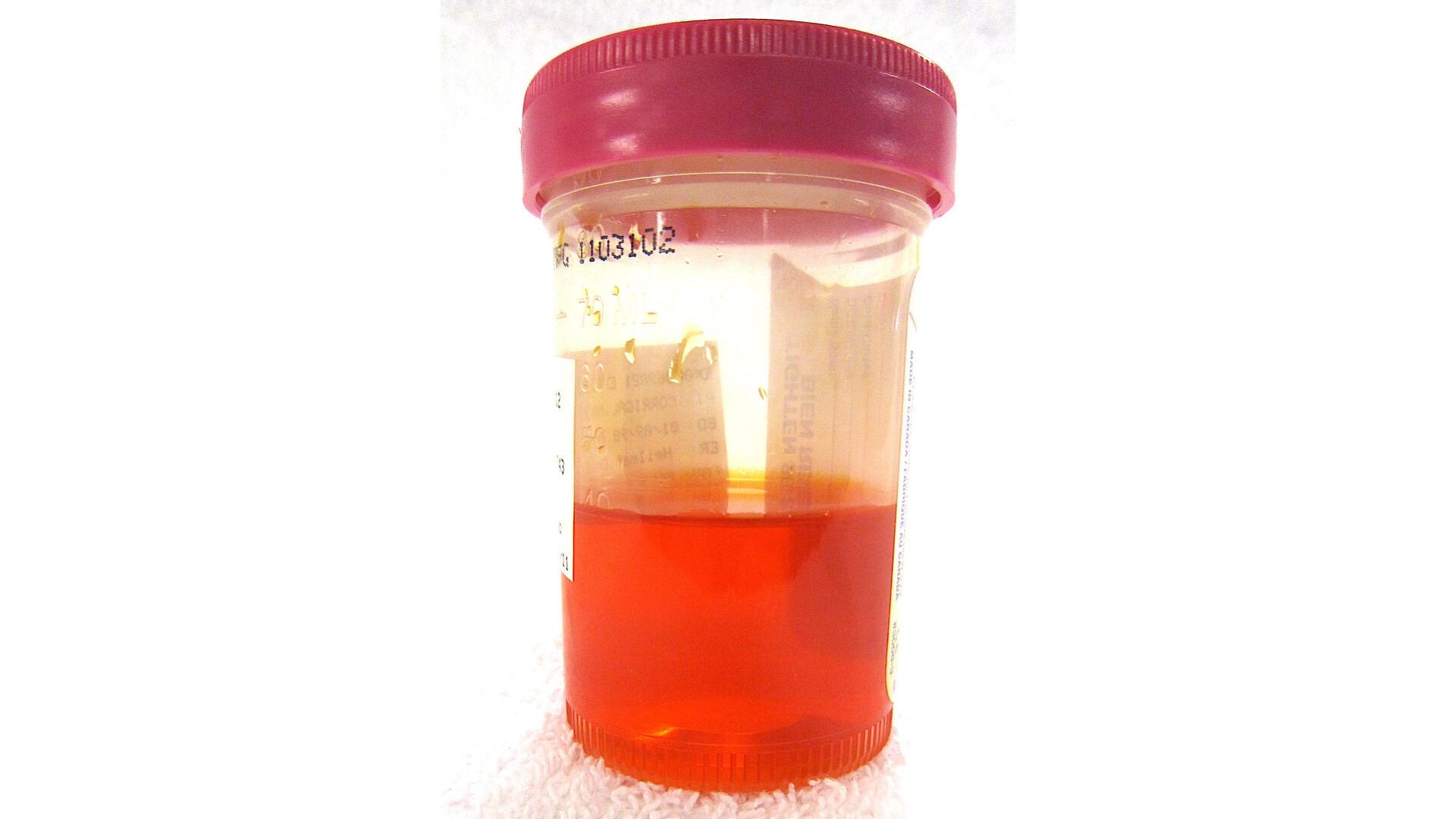
This is the symptom I most want people to take seriously. Gross hematuria means you can actually see blood, often turning urine pink, red, or tea-colored. It may come and go, which can tempt you to wait. Please do not.
Blood in the urine does not automatically mean cancer, but it always deserves a timely medical evaluation.
Microscopic blood in the urine
Sometimes blood is only found on a urine test. If it persists, especially in higher-risk individuals, it typically prompts further workup.
Flank pain or symptoms from blockage
A tumor in the ureter can partially or fully block urine flow, leading to back-pressure on the kidney. This can cause:
- Dull flank or side pain
- Nausea
- Recurrent urinary infections in some cases
Less common symptoms
- Unexplained fatigue
- Unintended weight loss
- Declining kidney function on lab work

How UTUC is found
Diagnosing UTUC usually involves combining symptoms, urine testing, and imaging. Your clinician may also involve a urologist early, especially if there is visible blood in the urine.
Urinalysis and urine culture
These help look for blood, infection, and other clues. Even if an infection is found, persistent hematuria after treatment may still need a full evaluation.
Urine cytology
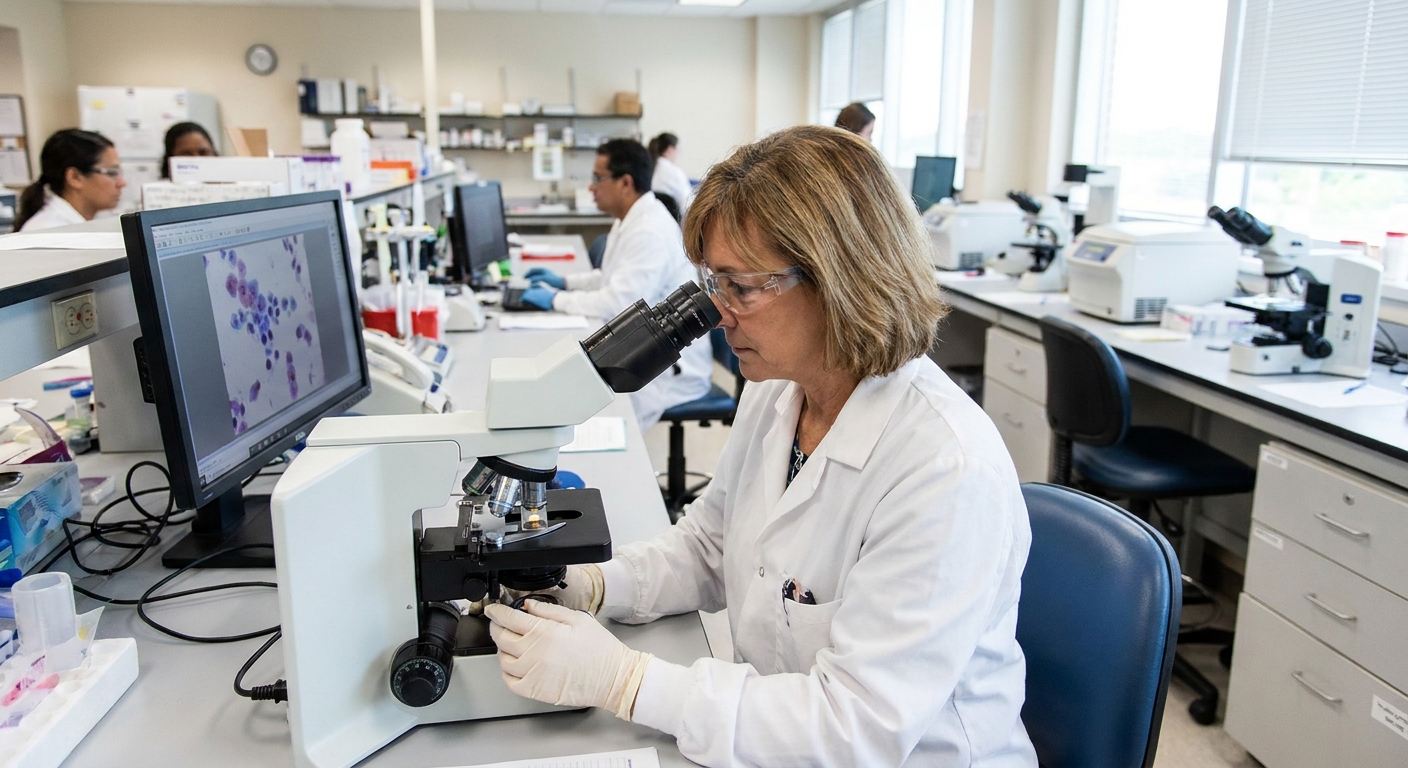
This test looks for abnormal cells shed into urine. A positive result can support concern for urothelial cancer, but a negative result does not always rule it out, especially for certain tumor types.
Imaging and the “filling defect” finding
One classic imaging clue for UTUC is a filling defect seen on a urogram-type study. Here is what that means in plain language:
- During certain imaging tests, contrast dye outlines the inside of the renal pelvis and ureter.
- If there is a tumor projecting into that space, the contrast cannot fill that area normally.
- On the images, it can look like a missing spot in the contrast column, which radiology reports may call a filling defect.
A filling defect is not automatically cancer. Blood clots, stones, or inflammation can sometimes look similar. But it is an important red flag that usually triggers more targeted evaluation.
Looking directly: ureteroscopy and biopsy
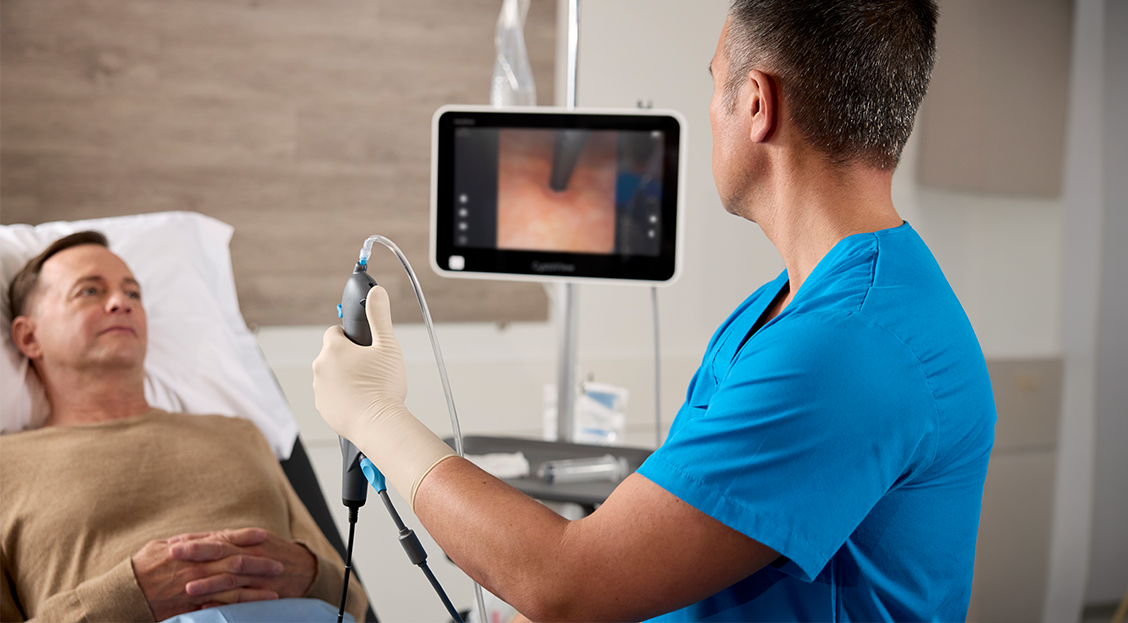
A urologist may recommend ureteroscopy, where a small scope is passed into the urinary tract to look at the ureter and renal pelvis. If something suspicious is seen, they may take a biopsy or collect washings for lab analysis.
Why treatment often removes the kidney and ureter
Many people are shocked when they hear that treatment can mean removing the kidney and ureter on the affected side. It can feel extreme, especially if you are not in pain or feel otherwise well.
The reason comes down to how UTUC behaves and where it grows.
The anatomy makes complete removal challenging
The renal pelvis and ureter are narrow passageways lined by urothelial cells. A tumor can spread along this lining or seed other areas of the tract. Because of that, the most common curative surgery for higher-risk UTUC is a:
- Radical nephroureterectomy: removal of the kidney, the entire ureter, and a small cuff of bladder where the ureter connects
This approach aims to remove the full “tube” of urothelium most at risk of containing tumor.
High-risk features are common in UTUC
Compared with bladder tumors, UTUC is more likely to be invasive at diagnosis. When the tumor appears aggressive or extensive, surgery that removes the kidney and ureter is often the best chance for cure.
Kidney-sparing treatment is sometimes possible
Not everyone needs the kidney removed. Depending on tumor size, location, grade, whether it is single or multifocal, and your baseline kidney function, some patients may be candidates for kidney-sparing approaches, such as endoscopic tumor removal or segmental ureterectomy. This is a nuanced decision that is usually made with a urologic cancer specialist.

Risk factors for UTUC
Sometimes UTUC occurs with no clear risk factors, but several are known to increase risk:
- Smoking: the strongest modifiable risk factor for urothelial cancers
- Older age: risk rises with age
- Certain chemical exposures: especially some industrial aromatic amines
- Chronic irritation or inflammation in the urinary tract in select situations
- Family or genetic syndromes: for example, Lynch syndrome can increase risk of UTUC
- Prior urothelial cancer: a history of bladder urothelial cancer can increase the chance of urothelial tumors elsewhere in the tract
If you have a strong family history of colon cancer, endometrial cancer, or urothelial cancers, ask your clinician whether genetic counseling is appropriate.
What to ask your care team
When you are processing a new possible cancer diagnosis, it helps to walk into appointments with a short list of grounded questions. Consider asking:
- Where exactly is the abnormality located: renal pelvis, upper ureter, mid ureter, or lower ureter?
- Do you consider this low-risk or high-risk, and why?
- Do I need a biopsy or ureteroscopy to confirm the diagnosis?
- If surgery is recommended, will it be kidney-sparing or kidney-removing, and what factors drove that choice?
- What is my kidney function now, and how might treatment affect it?
- Will I need chemotherapy or other medicines before or after surgery?
- What follow-up surveillance will I need afterward, and for how long?
When blood in the urine is an emergency
Most cases of blood in the urine can be evaluated urgently but not necessarily in an emergency department. That said, seek same-day care or emergency care if you have:
- Blood in the urine with clots and trouble urinating
- Severe flank pain with fever, chills, or vomiting
- Fainting, chest pain, shortness of breath, or signs of severe anemia (extreme weakness, dizziness)
- Signs of dehydration or you cannot keep fluids down
If you see blood in your urine and you feel okay otherwise, treat it as a prompt medical priority. Call your primary care clinician or a urology office and ask how quickly you should be seen.
Living with UTUC: the part we do not talk about enough
In my exam rooms, I have watched people cycle through fear, anger, and disbelief in a matter of minutes. If that is you right now, you are not overreacting. Urinary cancers carry a particular kind of stress because the symptom can be so visible and alarming.
Two gentle, practical steps that often help in the early days:
- Write down a timeline of symptoms, urine color changes, pain episodes, infections, and test dates. It helps your clinicians and gives you a sense of control.
- Bring a second person to key appointments if you can. Another set of ears matters when you are stressed.
FAQ
Is upper tract urothelial carcinoma the same as bladder cancer?
It is the same cell type (urothelial cells), but it is located in the renal pelvis or ureter rather than inside the bladder. The location changes how it is evaluated and often how it is treated.
Does a “filling defect” mean I have cancer?
Not always. It means imaging showed an area where contrast did not fill the urinary tract normally, which can be caused by a tumor but also by other issues like a clot or stone. It is a finding that usually needs further evaluation.
Can UTUC be cured?
Many cases can be treated effectively, especially when found earlier and managed promptly by a urology team experienced in urothelial cancers. Your prognosis depends on factors like tumor grade, depth of invasion, and whether it has spread.
Why would doctors remove a whole kidney for a tumor in the ureter?
Because the ureter and renal pelvis are part of one connected lining system, and higher-risk UTUC can involve more of that lining than imaging can reliably show. Removing the kidney and ureter can reduce the chance of leaving cancer behind.
If I already have one kidney problem, can I still have surgery?
Yes, but planning is especially individualized. Your team will weigh kidney function, tumor risk level, and kidney-sparing options when possible. This is an important conversation to have early.
The bottom line
Upper tract urothelial carcinoma is cancer of the urothelial lining in the renal pelvis or ureter. A common warning sign is visible blood in the urine, and imaging may show a filling defect. Because of how these tumors can spread along the lining and because they are often higher-risk when discovered, treatment frequently involves removing the kidney and ureter on the affected side.
If you are in the workup phase, my best advice is simple: do not minimize blood in the urine, and do not be afraid to ask for clear explanations. You deserve to understand what is happening in your body and what your options are.