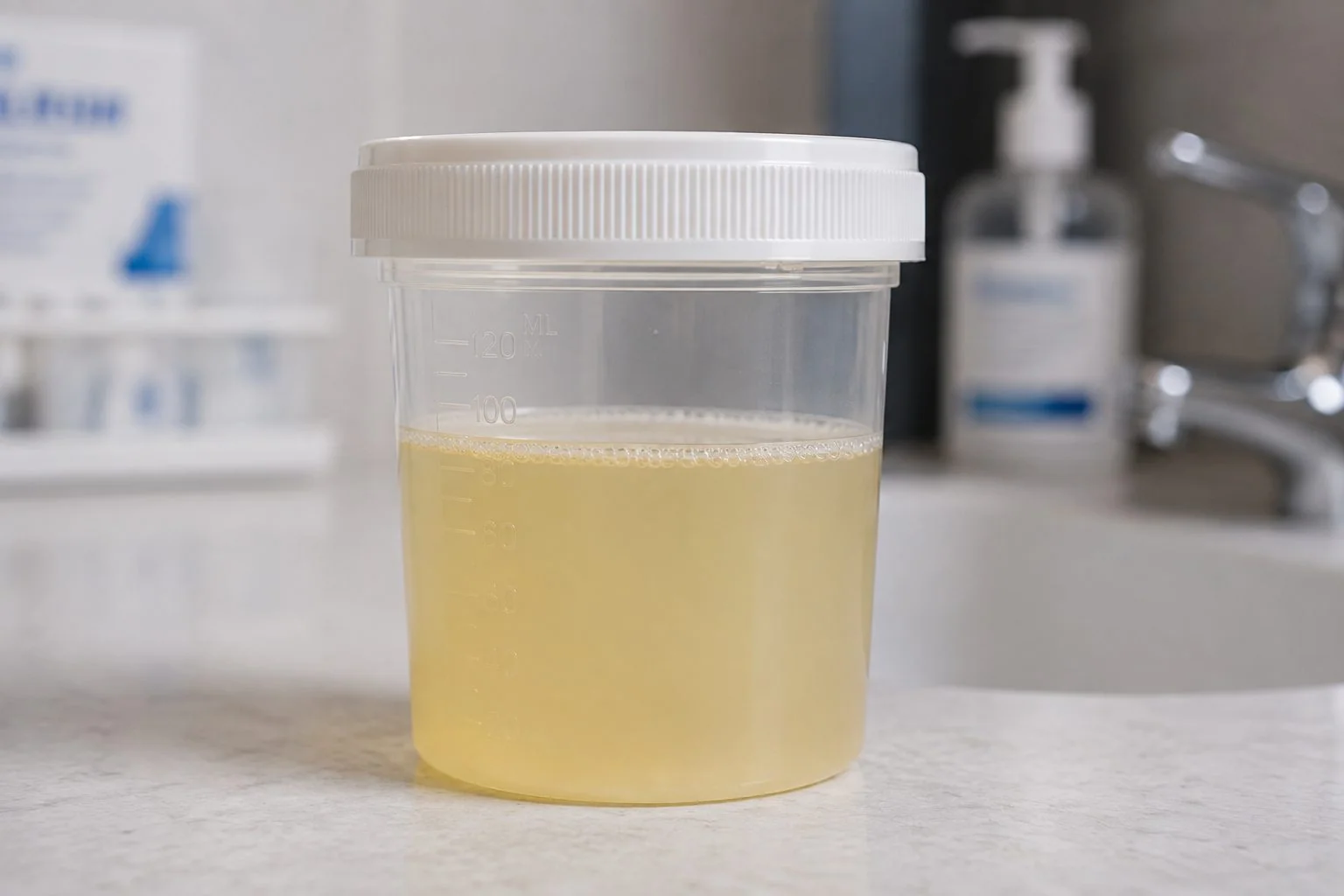
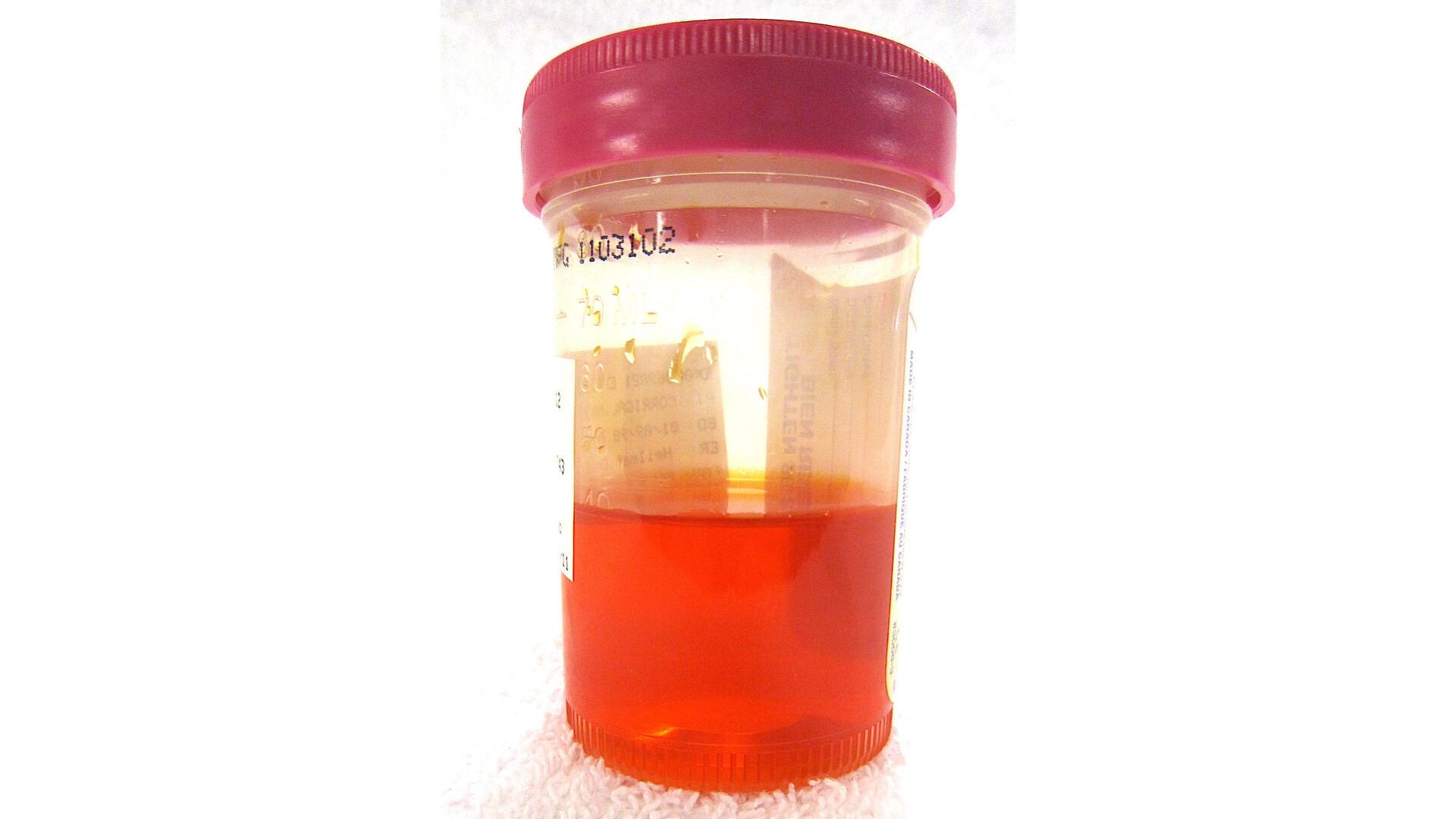
In clinic, I often meet people who are convinced they have a bladder infection because it burns to pee. That is a reasonable assumption. But when the irritation is coming from the urethra itself, the diagnosis can be urethritis. It is fairly common, treatable, and also easy to miss if we run the wrong test.
Urethritis, explained simply
Urethritis means inflammation of the urethra, the tube that carries urine out of the body. When that tube is irritated or infected, it can sting or burn, and it may produce discharge.
Because the urethra sits at the very end of the urinary tract, symptoms can feel similar to other problems like a bladder infection (cystitis), vaginal infections, or prostate issues. One clinical clue is that urethritis discomfort is often most noticeable right at the start of urination, when urine first passes through the inflamed urethra. But there is plenty of overlap, so symptoms alone cannot reliably sort this out.
Common symptoms
Symptoms can range from mild to very uncomfortable. Urethritis can occur in people of any sex.
- Burning or stinging with urination, often worst at the beginning
- Discharge from the urethral opening (may be clear, white, yellow, or green)
- Itching, irritation, or tenderness at the urethral opening
- Urinary urgency or frequency (sometimes overlaps with bladder symptoms)
- Blood at the start of urination or a small smear of blood at the tip of the penis after peeing
- Pelvic discomfort or discomfort with sex (varies)
About that blood: When people say, “I only see blood right at the beginning,” that pattern can point to the urethra as the source. Blood that appears throughout the stream or mainly at the end can suggest other locations, like the bladder, prostate, or kidneys. This is not a perfect rule, and any visible blood in urine, especially if recurrent or persistent, deserves medical evaluation.
Causes
Urethritis is often grouped into two big categories:
1) Sexually transmitted urethritis (infectious)
These cases are caused by germs passed through sexual contact, including oral, vaginal, or anal sex.
- Chlamydia (a very common cause)
- Gonorrhea (often more discharge and more intense symptoms, but not always)
- Mycoplasma genitalium (an increasingly recognized cause, sometimes persistent)
- Trichomonas (more common in some regions and populations)
- Herpes simplex virus (can cause urethral burning, sometimes with sores)
Important nuance: you can have an STI and have minimal symptoms. That is one reason screening and timely testing matters.
2) Non-STI and noninfectious urethritis
Not all urethritis is an STI. The urethra can become inflamed from irritation, injury, or nearby infections.
- Chemical irritation from soaps, scented products, bubble baths, spermicides, or lubricants that do not agree with your skin
- Mechanical irritation from vigorous sex or masturbation, cycling, or recent catheter use
- Urinary stones (a small stone passing can scrape and inflame tissue)
- Reactive arthritis (a post-infectious inflammatory condition that can include urethritis)
- Nearby infections or inflammation (for example, some vaginal infections can irritate the urethral opening)
Even when the cause is not sexually transmitted, the symptoms can look very similar. That is why matching the test to the suspected cause is so important.

Urethritis vs bladder infection
A bladder infection (cystitis) is an infection inside the bladder. Classic symptoms include urinary frequency, urgency, burning, and sometimes lower abdominal pressure. Some people also notice blood in urine.
Urethritis is focused in the urethra, so discomfort may feel more “right at the exit.” Discharge is more suggestive of urethritis than a simple bladder infection.
That said, overlap is common. Some people can have both, and some symptoms (like burning and urgency) do not neatly label themselves. Testing helps sort it out.
Testing
This is one of the most common points of confusion, and it matters because it changes treatment.
Urine NAAT (or swab NAAT)
For suspected STI-related urethritis, clinicians often use a NAAT, which stands for nucleic acid amplification test. This test looks for the genetic material (DNA or RNA) of specific organisms, most commonly chlamydia and gonorrhea, and sometimes others depending on the lab.
- Sample types: a first-catch urine sample (the first part of the stream) and/or a swab from the urethra or other sites depending on exposure
- What it detects: specific STI organisms
- Why it is used: it is very sensitive for chlamydia and gonorrhea
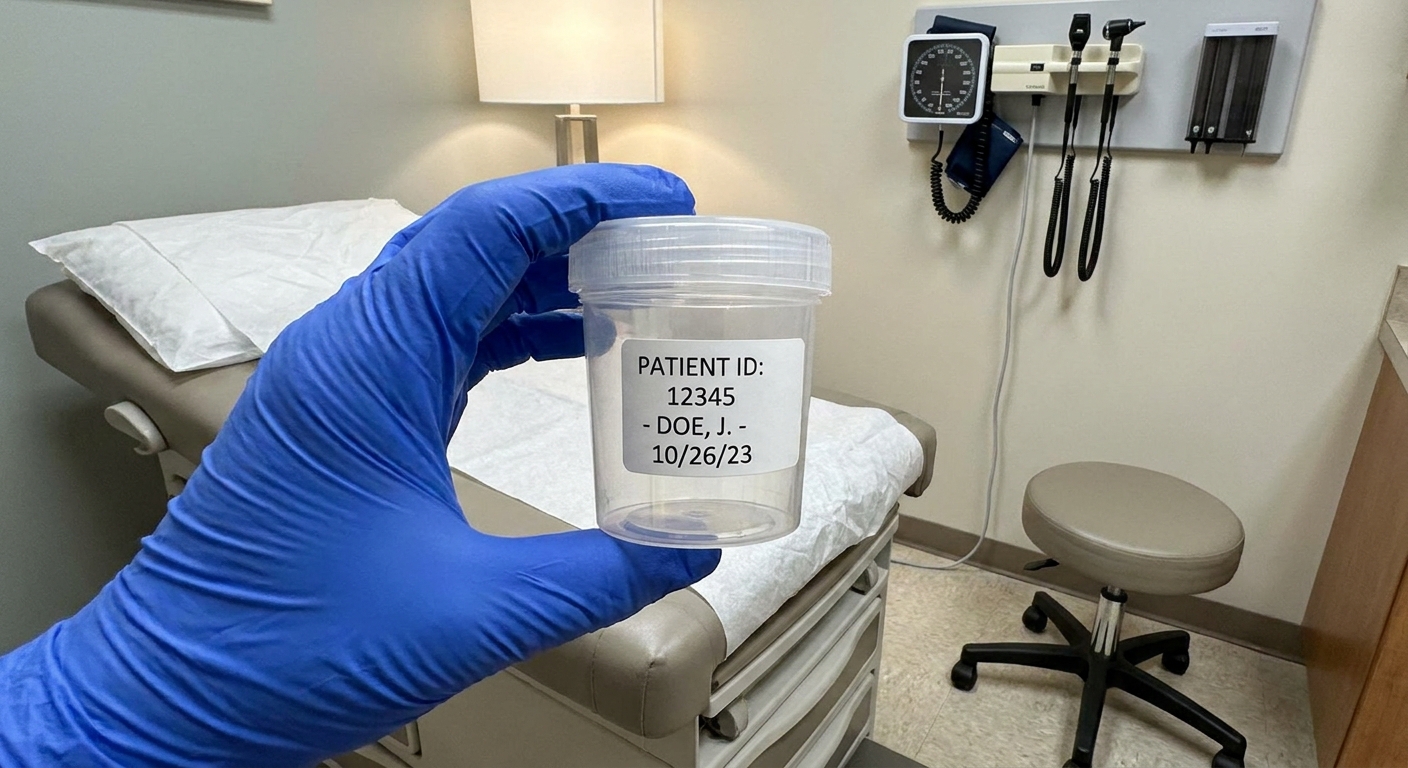
Plain-language tip: “First-catch” means you collect the first urine that comes out. For many STI NAATs, you do not want to “flush out” the urethra first by peeing a bunch into the toilet. (Follow your lab’s instructions, because they vary.)
Urine culture (typical “UTI culture”)
A urine culture is designed to grow and identify bacteria that commonly cause bladder infections, like E. coli and related bacteria.
- Sample type: usually a midstream clean-catch urine sample (you start peeing, then catch urine partway through)
- What it detects: bacteria that grow in culture and their antibiotic sensitivities
- What it may miss: chlamydia and gonorrhea, because these infections are not reliably detected by standard urine culture methods
Why this difference matters: You can have urethritis from chlamydia or gonorrhea and still have a negative urine culture. That negative culture does not rule out an STI. It often just means we ran a test designed for a different problem.
If your symptoms suggest urethritis and your “UTI test” is negative, ask whether an STI NAAT was done. They are different tests with different targets.
What to expect at a visit
Your clinician will usually ask about symptom timing and pattern, sexual history (including oral and anal exposures), pregnancy possibility, and any new products or irritants.
Testing may include:
- Urinalysis (checks for blood, white cells, and other clues)
- Urine NAAT for chlamydia and gonorrhea (often first-catch urine)
- Swabs from the urethra, cervix, vagina, throat, or rectum based on symptoms and exposure
- Urine culture if a bladder infection is still on the table
- Pregnancy test when relevant, because it affects medication choices
If you have vulvar or vaginal itching, odor, unusual discharge, pain with sex, or pelvic pain, the visit may also include a pelvic exam because yeast and bacterial vaginosis can cause external burning that feels like “UTI” symptoms.
Many clinics will treat presumptively in higher-risk situations while results are pending, especially if discharge is present or follow-up is uncertain.
Treatment
Treatment depends on the cause, and sometimes treatment starts before all results are back. In general, treatment is guideline-based, and the best medication depends on which organism is found, local resistance patterns, allergies, pregnancy status, and your specific symptoms.
If an STI is suspected or confirmed
- Antibiotics are used based on the organism and local resistance patterns.
- Partner treatment is important. If you are treated but partners are not, reinfection is common.
- Avoid sex until you and partner(s) have completed treatment and your clinician says it is safe to resume.
If irritation is the likely cause
- Stop the suspected irritant (scented soaps, spermicides, certain lubricants).
- Hydration can help dilute urine and reduce sting.
- Discuss pain control options with your clinician. Do not self-treat with leftover antibiotics.
If symptoms persist after treatment, it is worth reassessing for Mycoplasma genitalium, trichomonas, herpes, or noninfectious causes, depending on your situation.
If untreated
One reason clinicians take urethritis seriously is that some causes can lead to complications if they are not treated.
- In people with a uterus: chlamydia or gonorrhea can ascend and contribute to pelvic inflammatory disease (PID), chronic pelvic pain, ectopic pregnancy, and infertility.
- In people with testes: infection can contribute to epididymitis and significant testicular pain and swelling.
- For partners: untreated infection increases the risk of transmission and reinfection.
- HIV risk: untreated STIs can increase the risk of acquiring or transmitting HIV.
When to seek urgent care
Burning with urination is uncomfortable, but some symptoms should move you into urgent evaluation.
- Fever, chills, or feeling very ill
- Flank or back pain (could suggest kidney involvement)
- Inability to urinate or severe difficulty starting the stream
- Severe testicular pain or scrotal swelling
- Significant blood in urine, clots, or persistent bleeding
- Pregnancy with urinary symptoms
- New genital ulcers, rapidly worsening pain, or concern for sexual assault
Lower your risk
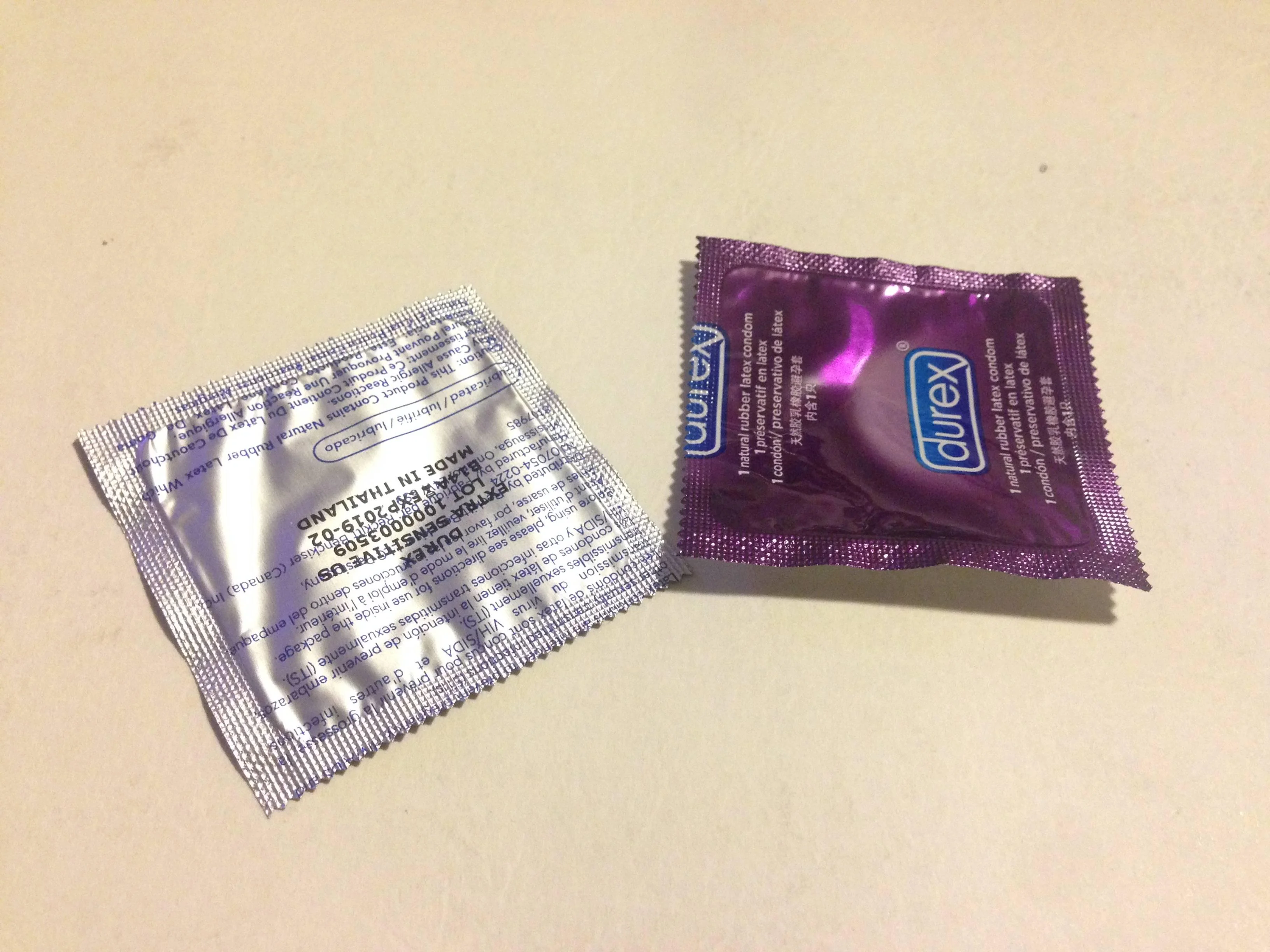
- Use barrier protection (condoms and dental dams) during oral, vaginal, and anal sex.
- Consider routine STI screening if you have new or multiple partners.
- Urinate after sex if it helps you feel more comfortable. It is not a guarantee, but it may reduce irritation for some people.
- Avoid scented genital products and harsh cleansers. Warm water is often enough for external cleansing.
- Get evaluated early rather than waiting it out, especially if discharge is present.
FAQ
Can urethritis go away on its own?
Sometimes irritation-based urethritis improves when the trigger stops. But infectious urethritis often requires treatment to prevent ongoing symptoms and complications, and to reduce transmission to partners.
Is urethritis always an STI?
No. Many cases are sexually transmitted, but noninfectious irritation and other non-STI causes do occur. Because symptoms overlap, testing is the safest way to tell.
Why did my “UTI test” come back negative if it burns to pee?
Two common reasons: (1) your symptoms are from urethritis caused by organisms like chlamydia or gonorrhea that are not reliably found on standard urine culture, or (2) irritation and inflammation are present without a typical bladder infection. Ask which test you had: urinalysis, culture, NAAT, or some combination.
Can urethritis cause blood in urine?
Yes. Inflammation can make tissue fragile, leading to a small amount of blood, sometimes most noticeable at the start of urination. Any persistent, recurrent, or heavy bleeding deserves prompt medical evaluation.
A final word from clinic
If you are dealing with burning, discharge, or blood that seems to show up right at the start of urination, you are not overreacting by asking, “Could this be urethritis?” The right test makes the right diagnosis, and the right diagnosis leads to faster relief and safer care for you and your partners.