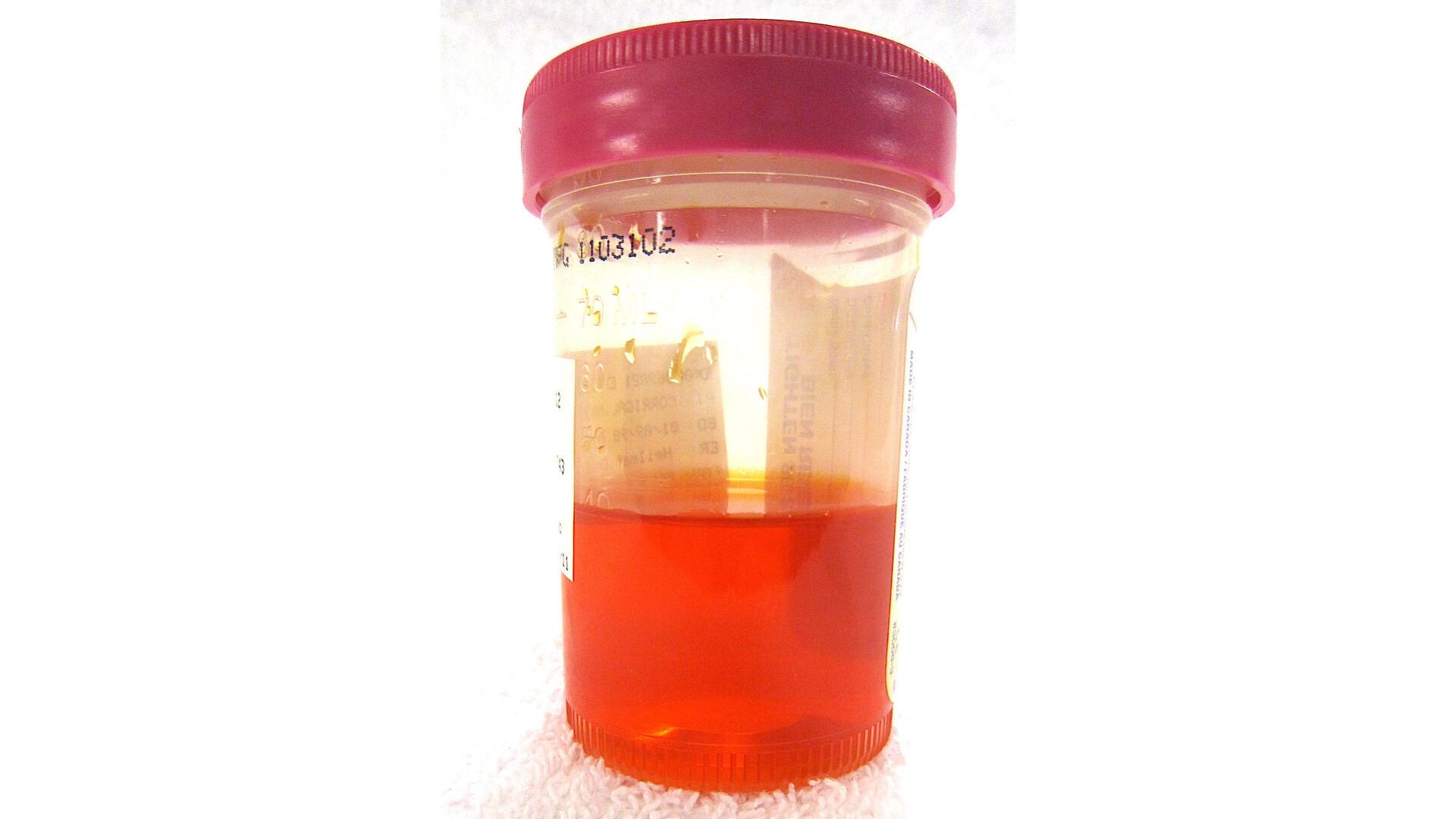
Cloudy urine can be unsettling, especially if you are used to seeing urine that looks pale yellow and clear. In clinic, I hear the same question all the time: “Is this an infection, or could it be something harmless?” The honest answer is that cloudy urine has a wide range of causes, from normal body chemistry and dehydration to urinary tract infections, kidney stones, and rarer conditions.
One quick clarification that helps: people often mix up cloudy (hazy, like there is sediment in it) with foamy (a layer of small bubbles that lingers, sometimes seen with protein) or just bubbly (often from a fast stream or toilet cleaners).
The most important clue is not just how your urine looks, but how you feel. Cloudy urine with burning, urgency, fever, back pain, or pelvic pain deserves a urine test. Cloudy urine with no symptoms often improves with hydration and a little time, but it is still worth paying attention to patterns.

What cloudy urine means
Urine looks cloudy when tiny particles are suspended in it instead of dissolving evenly. Those particles can be completely benign, or they can be a sign of inflammation or infection. Common contributors include:
- Crystals (for example, phosphates or urates) that can precipitate as urine concentration and pH shift, or as urine cools and sits
- Cells such as white blood cells, red blood cells, or shed bladder cells
- Protein or fat droplets (less common)
- Mucus, which can increase with irritation or infection
- Semen in the urine after sex or ejaculation
Lighting and concentration matter. Urine may look cloudier in the morning, after heavy sweating, or when a sample sits for a while and crystals settle out.
Harmless causes (if you feel fine)
Dehydration
When you are even mildly dehydrated, your urine becomes more concentrated. Concentrated urine can look darker and sometimes hazy or cloudy.
Helpful clue: If your urine is also darker yellow and you have been sweating, traveling, sick with vomiting or diarrhea, or simply not drinking much, dehydration is high on the list.
Harmless crystals
Crystals are a classic “no big deal” cause. Amorphous phosphates commonly make urine look cloudy when urine is more alkaline. Amorphous urates more often precipitate in acidic urine and can sometimes leave a pinkish or “brick dust” look. Crystal cloudiness may become more noticeable after urine cools or sits in the toilet or collection cup.
Helpful clue: Cloudiness that comes and goes, especially when it varies with hydration, timing, or meals, can be crystal-related.
Semen in urine
Semen can mix with urine and cause temporary cloudiness. This can happen after ejaculation, after sex, or with retrograde ejaculation (when semen flows backward into the bladder).
Helpful clue: Cloudiness soon after sex or ejaculation, then back to normal later, is often explained by semen.
Discharge mixing with urine
If you have a vagina, normal cervical mucus or discharge can mix into the urine stream and make the toilet water look cloudy. This is especially common around ovulation and during pregnancy.
It is also worth noting that vaginal conditions like bacterial vaginosis or a yeast infection can change discharge and irritation, which can make urine seem cloudy or make urination sting even when the bladder is not infected.
Helpful clue: Try collecting a clean-catch midstream sample in a cup. If the sample looks clearer than what you saw in the bowl, mixing or contamination is more likely.
Menstrual blood or spotting
Menstruation or spotting can make urine look murky, stringy, or darker, and it can also affect urine dipstick results.
Helpful clue: If cloudiness shows up during a period or around spotting, repeat a clean-catch sample when bleeding has stopped if you still have concerns.

When to suspect infection or irritation
Urinary tract infection
A UTI is one of the most common reasons for cloudy urine, because infection can increase white blood cells, bacteria, and inflammatory debris in the urine.
Cloudy urine plus these symptoms should prompt a urine test:
- Burning or pain with urination
- Feeling an urgent need to pee, or peeing more often
- Lower belly or pelvic discomfort
- Blood-tinged urine (pink, red, or tea-colored)
Many people also report strong-smelling urine, but smell alone is not a reliable UTI signal. Dehydration, foods, and vitamins can change odor too.
When it may be more urgent: fever, chills, nausea or vomiting, or pain in your side or back could mean the infection is involving the kidneys.
STIs
STIs that cause urethritis, such as chlamydia or gonorrhea, can cause urinary burning and sometimes cloudy-looking urine. Many people have minimal symptoms. Urethral or vaginal discharge is often a bigger clue than urine appearance alone.
Another important point: with urethritis, a standard urinalysis may show white blood cells, but a routine urine culture can be negative because typical bladder bacteria are not the cause. If you have urinary symptoms and there is any chance of STI exposure, it is worth asking your clinician for STI testing along with a urine test.
Bladder irritation
Non-infectious inflammation can also cloud urine. Potential triggers include recent catheter use, certain medications, pelvic radiation, or chronic bladder pain conditions. If cultures are negative but symptoms persist, this is a situation where follow-up matters.
Crystals and stones
Kidney stones
Kidney stones can cause cloudy urine because of blood, inflammation, or crystals. The hallmark symptom is often sudden, severe flank pain that may radiate to the groin. Nausea and restlessness are common too.
Get same-day medical care if you have severe pain, fever, or cannot keep fluids down.
Uric acid crystals
Some people form more uric acid crystals, which can make urine look hazy. This is more likely with dehydration, high-protein diets, and certain metabolic conditions. A urinalysis can identify crystals and guide next steps.
Less common causes
Chyluria
Chyle is a milky lymphatic fluid rich in fats. Rarely, it can leak into the urinary tract and make urine look distinctly milky or cloudy. This is uncommon in the U.S. and other non-endemic regions, but it can occur, especially with certain lymphatic conditions or, in some parts of the world, lymphatic filariasis.
Helpful clue: urine that looks persistently milky, sometimes with clumps, especially if you also have swelling, unexplained weight loss, or recurrent infections, should be evaluated. Travel or residence in endemic areas is an important detail to mention.
Protein in urine
Protein in urine more often causes urine to look foamy rather than cloudy, but appearance varies. Protein in urine can be temporary (after intense exercise or dehydration) or a sign of kidney disease. A urine dipstick and urine protein tests help sort this out.
Blood in urine
Even small amounts of blood can change urine’s appearance. Blood may look pink, red, brown, or tea-colored, and sometimes it simply makes urine look murky.
If you can see blood in your urine and it is not clearly from menstruation, it deserves prompt evaluation even if you have no pain.
Cloudy urine in pregnancy
During pregnancy, mild cloudiness can happen from increased vaginal discharge and hydration changes. Vitamins more commonly change urine color (for example, bright yellow from riboflavin) and sometimes odor, but any new urine appearance change is still worth paying attention to.
The bigger concern is that UTIs can be more common in pregnancy and sometimes show up with subtle symptoms. If you are pregnant and notice cloudy urine along with burning, urgency, fever, belly pain, back pain, or you simply feel “off,” contact your prenatal care team. A urine test is quick, and treating a true infection matters for both parent and baby.

When to get a urine test
I tell patients to think in two buckets: cloudy urine with symptoms versus cloudy urine without symptoms.
Get checked soon (same day or within 24 to 48 hours) if cloudy urine comes with:
- Burning with urination
- New urgency or frequency
- Fever or chills
- Pelvic pain, lower belly pain, or new back or flank pain
- Nausea or vomiting
- Visible blood in urine
- Pregnancy
- Diabetes, kidney disease, immunosuppression, or history of kidney infections
If you are wondering why diabetes is on this list, it is because high blood sugar can increase dehydration risk and raises the risk of some urinary infections.
Consider a urine test even without symptoms if:
- Cloudiness is persistent for more than a few days
- You have recurrent cloudy urine episodes
- You have a history of kidney stones
- You notice a strong foul odor that does not improve with hydration
A basic evaluation may include a urinalysis (dipstick plus microscopy) and sometimes a urine culture. If STI is a possibility, nucleic acid amplification testing (NAAT) may be added.
What to do at home
Practical steps
- Hydrate steadily: Aim for pale yellow urine in most people. If your urine clears with hydration, that is reassuring. If you have heart failure or advanced kidney disease, follow your clinician’s guidance on fluid intake.
- Use a clean-catch sample: If you suspect discharge, semen, or menstrual contamination, a midstream sample in a sterile cup gives a cleaner read than judging toilet water.
- Pay attention to timing: Morning-only cloudiness, post-sex cloudiness, or cloudiness after certain foods can be helpful patterns to share.
- Do not over-interpret an old sample: Urine that sits on the counter or in a toilet can turn cloudy as crystals precipitate. If you are checking appearance, look at fresh urine.
What to avoid
- Do not self-treat with leftover antibiotics: This can mask infection, worsen resistance, and delay the correct diagnosis.
- Do not ignore fever or back pain: Those symptoms raise concern for kidney involvement.
- Be cautious with “UTI cure” supplements: Some people find symptom relief with certain products, but they do not replace testing and antibiotics when a bacterial UTI is present.
FAQ
Is cloudy urine always a UTI?
No. UTIs are common, but dehydration, harmless crystals, semen, discharge, and menstrual contamination can also cause cloudiness. Symptoms like burning, urgency, pelvic pain, fever, or flank pain are what push infection higher on the list.
Can food or vitamins make urine cloudy?
Diet and supplements can change urine concentration, pH, odor, and color, and those shifts can encourage crystals that look cloudy. If you recently started a new supplement or diet and feel well otherwise, focus on hydration and see if it resolves.
Why is my urine cloudy in the morning?
Overnight, you often become mildly dehydrated, and urine becomes more concentrated. Morning urine can also contain more crystals or sediment. If it clears after you drink fluids and you have no symptoms, it is often benign.
What does milky urine mean?
Milky urine can come from heavy phosphate crystals, semen, infection, or rarely chyle (chyluria). Persistent milky urine, especially with other symptoms, is a good reason for a medical evaluation.
When is cloudy urine an emergency?
Seek urgent care or emergency evaluation if you have cloudy urine plus high fever, shaking chills, severe back or side pain, confusion, fainting, inability to urinate, or persistent vomiting. Those can be signs of a serious infection or an obstructing stone.
Bottom line
Cloudy urine is common, and many cases are harmless, especially when you feel well and it improves with hydration. But cloudiness paired with burning, urgency, pelvic pain, fever, back pain, or visible blood is your body’s way of asking for a urine test.
If you are unsure, trust that instinct. In my experience, a quick urinalysis often brings a lot of clarity, and peace of mind counts too.