In clinic, one of the most frustrating things I hear from patients is, “My tests keep coming back normal, but I still hurt.” Chronic prostatitis is a common example of that experience. Despite the name, it often is not an ongoing bacterial infection. Instead, it is usually a long-lasting pain condition centered around the pelvis, prostate region, and pelvic-floor muscles.
If you are dealing with pelvic or perineal pain that lingers for months, burning with urination, discomfort after sitting, or pain with ejaculation and your urine cultures are negative, this article is for you.
Chronic prostatitis, defined
Chronic prostatitis is an umbrella term that people often use for ongoing prostate-region symptoms. In modern practice, many cases fit best under a related diagnosis called chronic pelvic pain syndrome (CPPS).
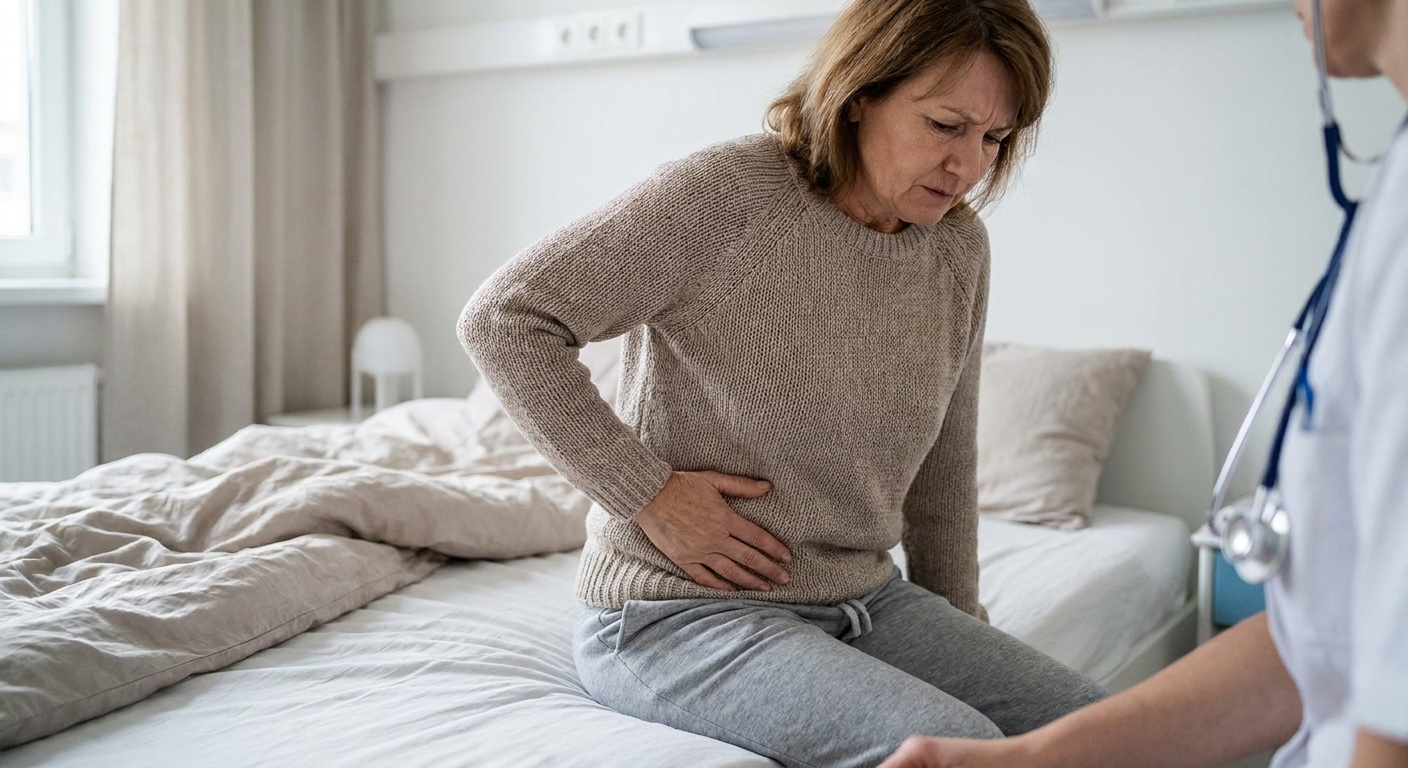
The key feature is pelvic or genital pain lasting at least 3 months, often along with urinary symptoms and sexual symptoms. Many people have:
- Negative urine cultures (no bacteria found)
- No fever
- Symptoms that fluctuate with stress, activity, sitting, bowel habits, and muscle tension
Some people truly have chronic bacterial prostatitis, but that is less common and usually involves repeated, documented infections. This article focuses on the more common “cultures negative” pattern.
Common symptoms
Symptoms vary a lot person to person. Pain can be constant, intermittent, sharp, burning, or aching. Many patients feel relief for a while, then flare again.
Pain symptoms
- Perineal pain (the area between the scrotum and anus)
- Pelvic pain or pressure, often worse with prolonged sitting
- Penile, scrotal, testicular, or groin discomfort
- Lower abdominal or suprapubic pain
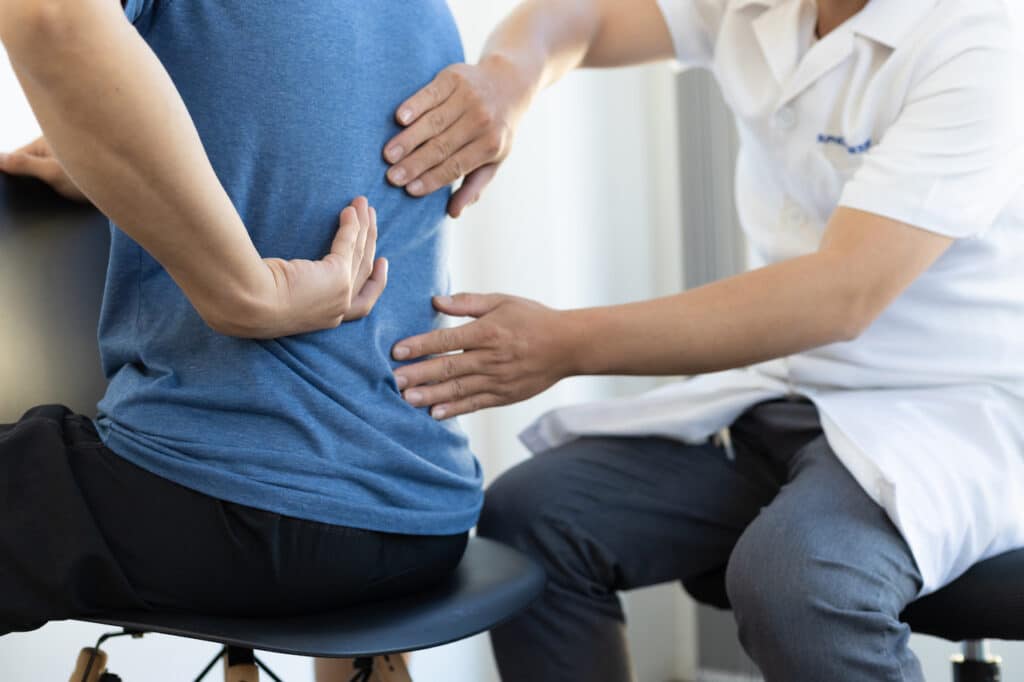
- Low back pain or deep ache near the hips
Urinary symptoms
- Burning or stinging with urination
- Urgency (feeling you have to go right away)
- Frequency (needing to go often)
- Difficulty starting the urine stream or weak stream
- Feeling of incomplete emptying
Sexual symptoms
- Pain with ejaculation or pain afterwards
- Pelvic ache after sex
- Erectile difficulties can happen, sometimes due to pain, anxiety, or muscle tension
Some patients also notice blood in semen occasionally. Blood in urine is less typical for chronic pelvic pain syndrome and deserves a proper evaluation rather than being assumed “just prostatitis.”
How it differs from acute prostatitis
This distinction matters because acute bacterial prostatitis is an urgent infection. It tends to come on quickly and can make someone very sick.
Acute prostatitis often includes
- Fever and chills
- Body aches and fatigue
- Sudden severe pelvic pain
- Significant urinary symptoms, sometimes urinary retention
- Positive urine tests suggesting infection
Chronic prostatitis or CPPS often includes
- Symptoms lasting months
- Waxing and waning discomfort
- No fever
- Negative cultures or no clear infection source
If you have pelvic pain plus fever, vomiting, confusion, or you cannot pee, seek urgent care or emergency evaluation the same day.
Why chronic prostatitis happens
For many people, there is not one single cause. Think of CPPS as a “traffic jam” problem rather than a single broken part, where pain signals, muscles, nerves, bladder irritation, and stress biology can all pile up.
Common contributing factors
- Pelvic-floor muscle tension or spasm. This is one of the biggest drivers I see clinically. Tight muscles can cause pain, urinary symptoms, and pain with ejaculation.
- Nerve sensitization. After an infection, injury, or even a period of high stress, pelvic nerves can become hypersensitive, similar to how a sprained ankle can stay “touchy” long after it looks healed.
- Inflammation without infection. Some people have inflammatory markers in semen or prostate fluid even when bacteria are not found.
- Bladder overlap. Symptoms can overlap with interstitial cystitis or bladder pain syndrome.
- Bowel factors. Constipation, hemorrhoids, and irritable bowel syndrome can increase pelvic pressure and trigger flares.
- Stress and anxiety. Stress does not “cause” the condition in a simplistic way, but it can amplify muscle tension and pain processing in the nervous system.
How it is evaluated
A good evaluation aims to (1) rule out urgent or dangerous causes of symptoms, (2) identify treatable contributors, and (3) avoid repeating the same tests endlessly when they are consistently normal.
What clinicians commonly do
- History: symptom pattern, duration, urinary symptoms, sexual symptoms, bowel habits, recent infections, sitting or cycling triggers, stress and sleep.
- Physical exam: abdominal and genital exam. A clinician may assess pelvic-floor muscle tenderness and, when appropriate, perform a prostate exam.
- Urinalysis and urine culture: to check for infection and blood.
- STI testing: depending on risk and symptoms.
- Further testing if red flags are present: imaging, cystoscopy, or urology referral, especially with persistent blood in urine, recurrent infections, weight loss, or concerning exam findings.
If you have been treated multiple times for “prostate infection” but cultures have stayed negative, it is reasonable to ask your clinician whether chronic pelvic pain syndrome and pelvic-floor dysfunction are on the table.
What helps: symptom-focused care
Chronic prostatitis or CPPS is very treatable, but it often requires a multi-pronged plan rather than one single fix. The best approach is individualized, based on your main symptoms and triggers.
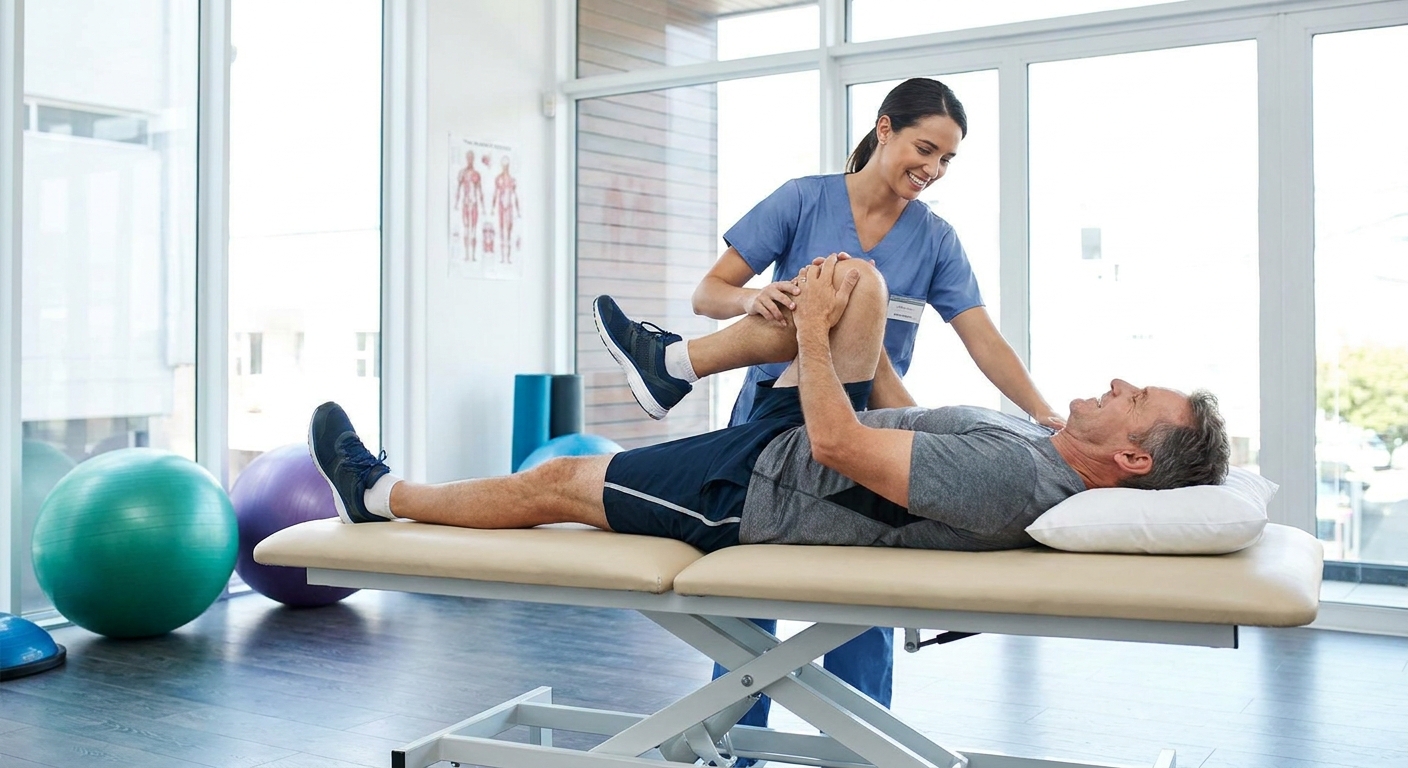
Pelvic-floor physical therapy
For many patients, this is a turning point. Pelvic-floor PT is not “Kegels for men.” In CPPS, the goal is usually the opposite: down-training tight muscles, improving coordination, and reducing trigger-point pain.
Therapy may include:
- Breathing and relaxation strategies to reduce pelvic guarding
- Manual techniques to release overactive pelvic muscles
- Hip and core mobility work
- Posture and sitting modifications
- Home exercises focused on relaxation and control, not forceful strengthening
Practical self-care for day-to-day relief
These strategies are not a substitute for medical evaluation, but they can reduce flare intensity and give you a sense of control.
Reduce pelvic pressure
- Take sitting breaks every 30 to 60 minutes.
- Consider a cushion that reduces perineal pressure if sitting is a major trigger.
- Adjust cycling or rowing routines if they reliably flare symptoms.
Support the bladder
- Stay well-hydrated. Very concentrated urine can burn.
- Notice personal food triggers. Common ones include alcohol, caffeine, very spicy foods, acidic drinks, and carbonated beverages.
- Avoid “just in case” bladder irritants during flares, then reintroduce gradually if tolerated.
Keep bowels moving
- Address constipation with fiber, fluids, regular movement, and clinician-guided options if needed.
- Aim for a stool consistency that does not require straining. Straining often worsens pelvic-floor tension.
Nervous system care
- Prioritize sleep. Pain sensitivity rises when sleep is poor.
- Consider stress-reduction practices you can actually stick with: walking, gentle yoga, therapy, breath work, or guided relaxation.
If you have ever noticed your symptoms spike during a stressful season, that is not “all in your head.” It is your nervous system turning the volume up on pain signals.
Can chronic prostatitis cause blood in urine or semen?
Blood in semen can occur with prostate or seminal vesicle irritation and is often benign, especially in younger men and when it is a one-time event. That said, any persistent or recurrent blood in semen deserves a clinician visit.
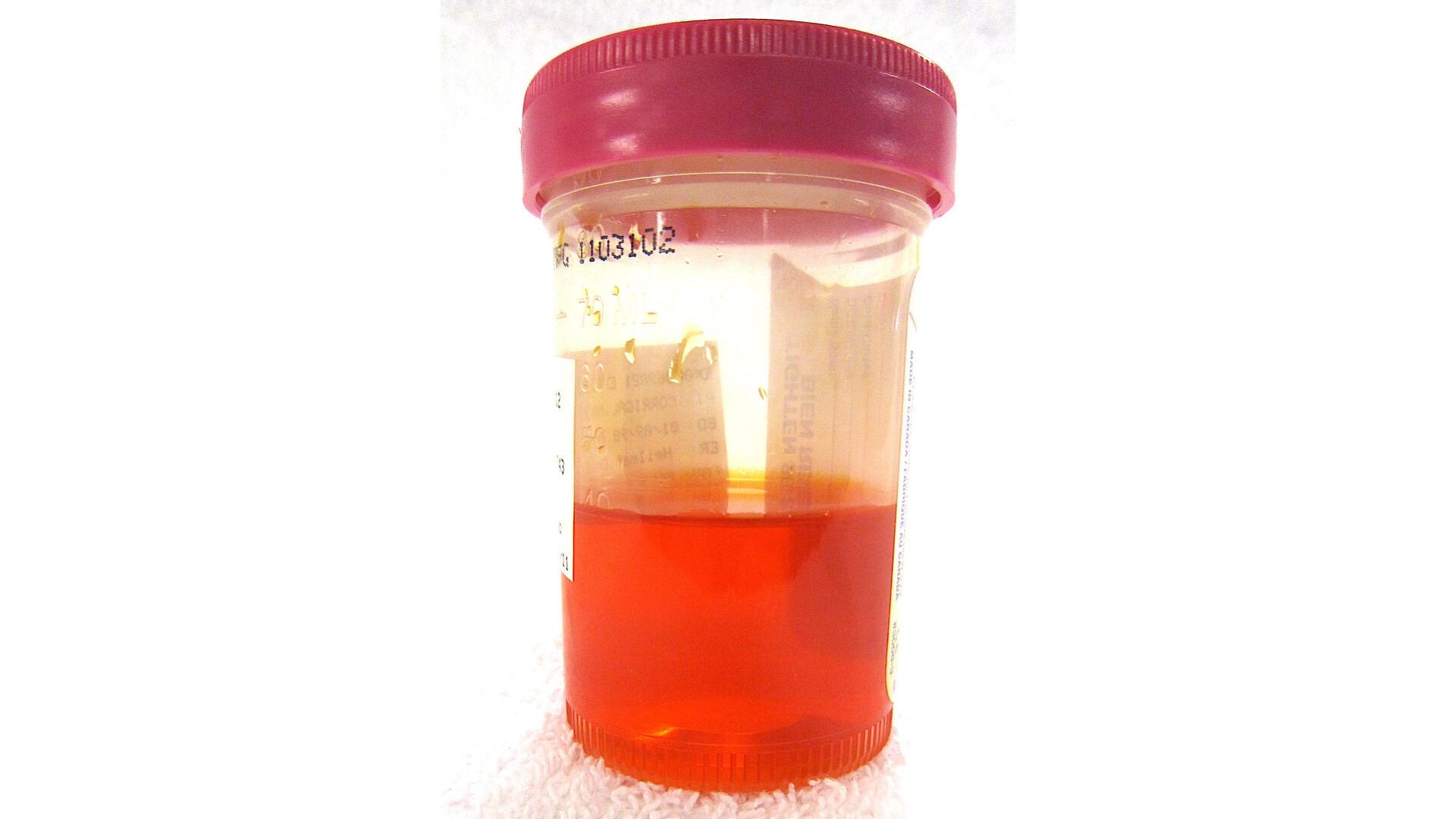
Blood in urine is not something I recommend chalking up to chronic prostatitis without evaluation. Blood in urine can have many causes, including stones, infection, prostate enlargement, and in some cases more serious conditions. If you see visible blood or your urinalysis repeatedly shows blood, schedule prompt medical care.
When to see a doctor urgently
Get same-day evaluation if you have any of the following:
- Fever, chills, or you feel acutely ill
- Inability to urinate or severe difficulty urinating
- Severe testicular pain or sudden scrotal swelling
- Visible blood in urine, especially with clots
- Back or flank pain with nausea or vomiting
For non-urgent symptoms lasting more than a few weeks, it is still worth booking a visit. The earlier you address pelvic-floor tension, bladder irritation, and pain sensitization, the easier it usually is to get traction.
Living with it: what I want you to know
Chronic prostatitis or chronic pelvic pain syndrome can feel isolating, especially when tests look “normal.” But your pain is real, and there are legitimate, evidence-informed ways to improve it.
In my experience, the best outcomes happen when patients have:
- A clear understanding that this is often not an ongoing infection
- A targeted plan for pelvic-floor dysfunction
- Attention to urinary and bowel triggers
- Support for stress, sleep, and pain processing
If you are stuck in a loop of recurring symptoms and negative cultures, ask your primary care clinician or a urologist about chronic pelvic pain syndrome and referral to pelvic-floor physical therapy. Getting the right label is often the first step toward real relief.
FAQ
Is chronic prostatitis contagious?
Chronic pelvic pain syndrome is not contagious. If symptoms are due to an STI or bacterial infection, that is a different situation, which is why testing matters.
Can it go away on its own?
Some cases improve over time, but many people benefit from active treatment, especially pelvic-floor therapy and trigger management.
Why do antibiotics sometimes help even when cultures are negative?
Sometimes there was a prior infection that has resolved, sometimes antibiotics have anti-inflammatory effects, and sometimes symptoms improve coincidentally during the natural ups and downs of flares. Repeated antibiotic courses without evidence of infection is a conversation worth having with your clinician.
Should I avoid sex?
Not necessarily. Some people flare after ejaculation and may choose to adjust frequency temporarily, use more lubrication, focus on relaxation, or coordinate timing with what their body tolerates. If sex is painful or anxiety-provoking, that is another reason pelvic-floor therapy can be helpful.