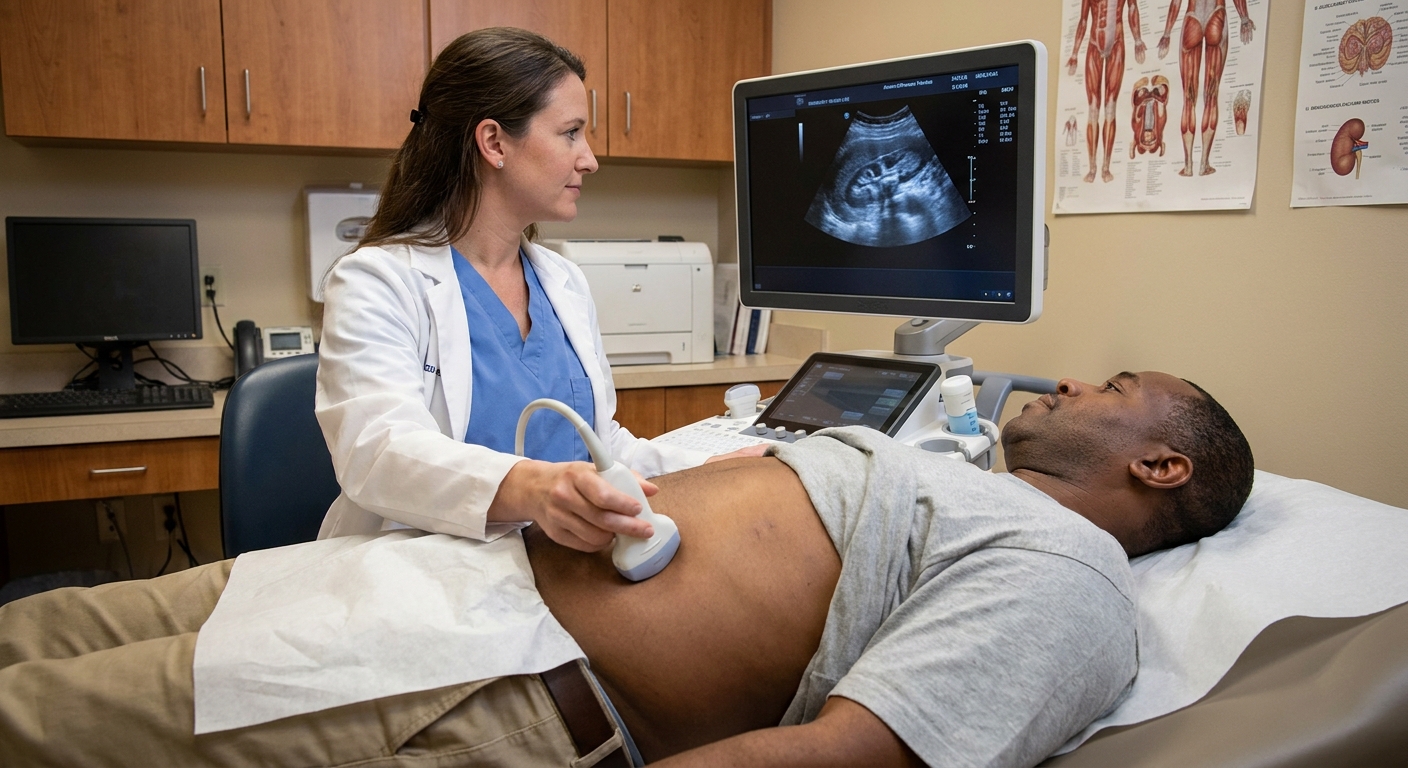
As a nurse practitioner, I have seen a “simple UTI” turn serious fast, especially in older adults or people with a blocked urinary system. Urosepsis is what we call sepsis that starts in the urinary tract, meaning an infection in the bladder, kidneys, or urinary drainage system (such as the ureters, catheter, or tubes) triggers a body-wide, life-threatening response. This is an emergency. If you suspect it, do not wait it out at home.

Urosepsis, explained simply
Urosepsis is sepsis that originates from a urinary source. Sepsis is not just “infection in the blood.” It is the body’s runaway inflammatory and immune response to an infection, which can lead to dangerously low blood pressure, poor blood flow to organs, and organ failure.
In urosepsis, the starting point is usually:
- a bladder infection (cystitis) that spreads upward,
- a kidney infection (pyelonephritis),
- an obstructed or poorly draining urinary tract that traps infection, or
- a catheter or urinary device that becomes infected.
When clinicians suspect the urinary system is the source, they move quickly because delays in sepsis care raise the risk of complications.
Signs and symptoms
Urosepsis can start with typical urinary symptoms or with symptoms that feel more whole-body. Some people, especially older adults, may not have burning or frequency at all.
Possible urinary infection symptoms
- Pain or burning with urination
- Frequent urination or urgency
- Lower abdominal discomfort
- Cloudy urine or urine that may smell unusual
- Flank pain (pain in the back or side, often from a kidney infection)
Sepsis warning signs
- Fever or chills, or sometimes an abnormally low temperature
- Fast heart rate
- Fast breathing or shortness of breath
- Low blood pressure, dizziness, fainting, or feeling suddenly weak
- Confusion, extreme sleepiness, new agitation, or “not acting like themselves”
- Decreased urination
- Skin that looks mottled, pale, or clammy
Important: Confusion or sudden functional decline can be the main clue in older adults. If a loved one becomes acutely confused with fever or weakness, treat it as urgent even if they deny urinary symptoms.

Common causes and sources of urosepsis
Urosepsis is most often linked to infections that involve the kidneys or involve blockage and poor drainage. The most common “sources” I worry about clinically include the following.
Kidney infection (pyelonephritis)
A kidney infection can cause flank pain, fever, chills, nausea, and vomiting. Compared with an uncomplicated bladder infection, pyelonephritis is more likely to cause a higher bacterial burden and systemic illness, which raises the risk of sepsis.
Obstructed urinary tract
When urine cannot drain well, bacteria can multiply behind the blockage and antibiotics may not fully clear the infection unless drainage is restored. Obstruction can happen from:
- Kidney stones
- Enlarged prostate causing urinary retention
- Ureteral stricture (narrowing)
- Tumor compressing the urinary tract
- Pregnancy-related compression (less common, but possible)
Catheter-associated urinary tract infection (CAUTI)
Urinary catheters can introduce bacteria and give germs a surface to cling to. A catheter infection can climb to the bladder and kidneys, then progress to sepsis, especially if the catheter has been in place for a while or care has been challenging.
One nuance I explain often: people with long-term indwelling catheters frequently have bacteria in the urine without symptoms. That is called bacteriuria, and it does not always require antibiotics. What matters is symptoms and systemic signs such as fever, chills, flank pain, new confusion, low blood pressure symptoms, or a clear acute decline.
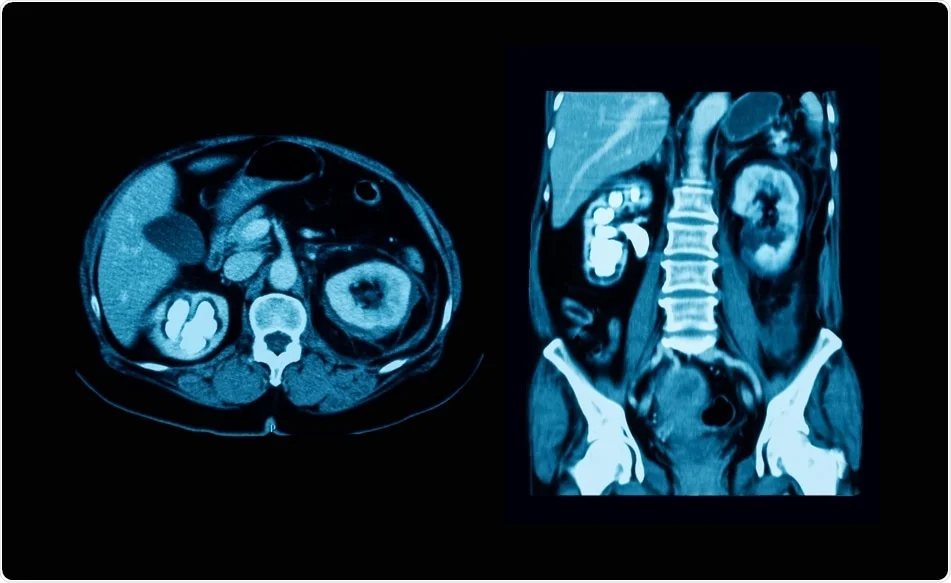
Infected kidney due to backed-up urine (hydronephrosis with infection)
Hydronephrosis means swelling of a kidney from urine backup. If infection is present at the same time, this combination can become dangerous quickly and often requires urgent drainage in addition to antibiotics.
Why drainage matters
Antibiotics are essential in urosepsis, but they are not always enough on their own. In sepsis care, we talk about source control, meaning removing, draining, or fixing the place the infection is coming from.
In urosepsis, source control may include:
- Relieving an obstruction (for example, a stent in the ureter)
- Draining an infected, obstructed kidney (for example, a nephrostomy tube)
- Replacing or removing an infected catheter when appropriate
- Addressing urinary retention so the bladder can empty
Here is the plain-language reason it matters: if infected urine is trapped behind a blockage, antibiotics may have trouble fully clearing the infection until the urine can flow again. That trapped area can keep re-seeding the infection and maintain the body’s inflammatory response.
Who is at higher risk?
Anyone can develop urosepsis, but I pay extra attention to people with risk factors that either increase infection risk or make it harder to fight infection.
- Adults over 65
- People with kidney stones or a history of obstruction
- Benign prostatic hyperplasia (BPH) or urinary retention
- Diabetes
- Chronic kidney disease
- Weakened immune system (including from chemotherapy, steroids, or certain autoimmune medications)
- Indwelling urinary catheter or intermittent catheter use
- Recent urinary procedures or surgery
- Recurrent UTIs
If you fall into a higher-risk group, it is worth having a lower threshold to seek care for fever, flank pain, or sudden confusion.
How it is diagnosed
If clinicians suspect urosepsis, they typically act quickly and in parallel, meaning multiple tests and treatments happen close together.
Common evaluation steps
- Vital signs and physical exam, including mental status
- Blood tests to look at infection markers, kidney function, electrolytes, and lactate (a clue to poor tissue perfusion)
- Blood cultures and a urine test (urinalysis) plus urine culture to identify the germ
- Imaging when obstruction is a concern, often ultrasound or CT
Not every urinary infection needs imaging. But in suspected urosepsis, flank pain, very high fever, repeated vomiting, known stones, or low urine output can raise concern for obstruction and push imaging higher on the list.
Treatment: what to expect
Urosepsis is treated in a hospital. Many patients need close monitoring, and some require ICU-level care depending on blood pressure, breathing, and organ function.
Typical treatments include
- IV fluids to support circulation and blood pressure
- IV antibiotics, chosen based on the likely bacteria and adjusted when culture results return
- Oxygen if needed
- Medications to raise blood pressure (vasopressors) if fluids are not enough
- Source control procedures when obstruction or device infection is suspected
Once a person stabilizes and lab results improve, they may transition from IV to oral antibiotics, but the exact plan depends on the severity and whether there was obstruction or kidney involvement.
When to seek emergency care
If you suspect urosepsis, treat it as an emergency. Call your local emergency number or go to the nearest emergency department right away if you or someone you care for has:
- Fever or chills plus confusion, extreme weakness, or fainting
- Fever with flank pain and vomiting
- Signs of low blood pressure like dizziness, collapse, or clammy skin
- Rapid breathing, chest discomfort, or severe shortness of breath
- Very little urine output over many hours, especially with illness
Also remember: not everyone with sepsis has a high fever. If someone looks severely ill, is confused, is hard to wake, is breathing fast, or seems to be crashing, seek emergency care even if the temperature is normal or low.
If someone has a catheter and develops fever, shaking chills, confusion, or sudden decline, it is safest to seek urgent care rather than assuming it is “just another UTI.”
Preventing urosepsis
Not every case is preventable, but these steps can reduce the odds of a urinary infection escalating.
- Get urinary symptoms evaluated early, especially in high-risk individuals.
- Do not ignore flank pain with fever. That combination deserves same-day medical evaluation.
- Manage urinary retention (for example, treating BPH, addressing neurologic bladder issues).
- Follow kidney stone prevention guidance if you are prone to stones, including hydration and any diet changes recommended by your clinician.
- Use catheters only when necessary and review catheter care carefully with your care team.
- Stay hydrated unless you have been told to restrict fluids for a medical reason.
One more thing I see too often: people trying leftover antibiotics at home. That can delay proper treatment, interfere with culture results, and sometimes miss a dangerous obstruction that needs urgent drainage. If you are worried about urosepsis, do not self-treat. Get evaluated.
If you have recurrent UTIs, ask your clinician whether you need an evaluation for an underlying cause, such as stones, incomplete bladder emptying, or structural issues.
FAQ
Is urosepsis the same as a UTI?
No. A UTI is an infection in the urinary tract. Urosepsis means that urinary infection has triggered sepsis, a dangerous, body-wide response that can lead to organ damage.
Can urosepsis happen without urinary symptoms?
Yes. This is especially common in older adults, people with catheters, and people with impaired sensation or communication challenges. Confusion, weakness, falls, or sudden decline can be the first noticeable signs.
How quickly can a UTI turn into urosepsis?
It can progress within hours to days in some cases, or more gradually in others. Risk rises when there is kidney involvement, vomiting with dehydration, delayed treatment, or an obstruction that prevents drainage.
What bacteria cause urosepsis?
Many cases are caused by bacteria that commonly cause UTIs, such as E. coli. Other organisms can include Klebsiella, Proteus, and Enterococcus. With catheters, recent antibiotic use, or healthcare exposure, more resistant bacteria (including Pseudomonas) can be involved. Cultures help tailor antibiotics.
A final word from the clinic
Urosepsis is frightening, but it is also treatable, especially when recognized early. If you take away one thing, let it be this: confusion, low blood pressure symptoms, rapid breathing, or extreme weakness in the setting of a possible urinary infection is an emergency. Getting evaluated quickly can be lifesaving, and treating the source, not just the infection, is often the turning point.