In clinic, one of the most reassuring conversations I get to have is with someone who has just learned they have only one working kidney. The fear is understandable. Kidneys feel like a matched set, and it is unsettling to think you have no backup.
Here is the good news: most people with a single healthy kidney live full, normal lives, including working, traveling, exercising, and having healthy pregnancies. The key is understanding what changes and what deserves faster medical attention.
How you end up with one kidney
People have one working kidney for a few common reasons:
- Kidney donation: living donors typically do very well long-term with appropriate follow-up.
- Nephrectomy (kidney removal): removal after cancer, severe injury, recurrent infections, or a nonfunctioning kidney.
- One kidney that does most of the work: for example, if the other kidney is small, scarred, blocked for a long time, or has very low function.
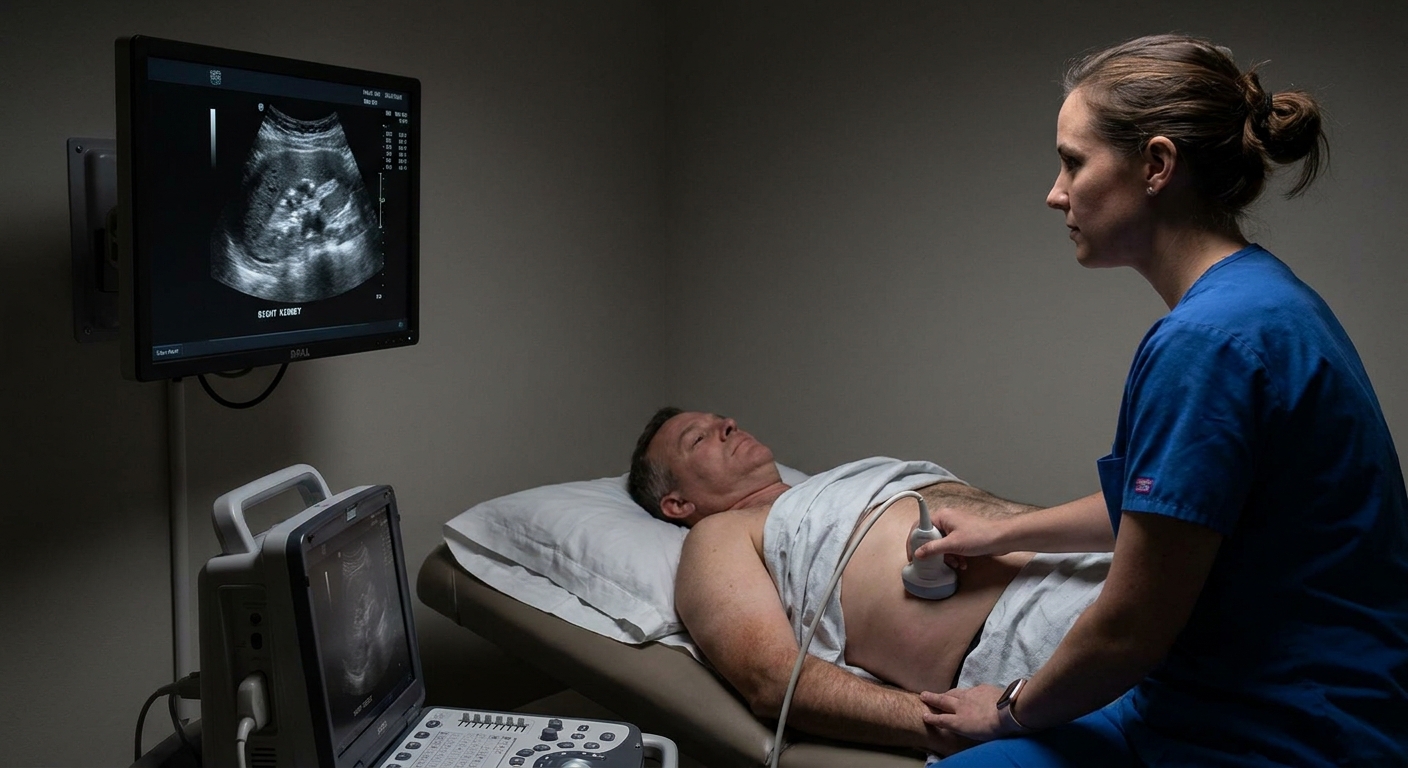
This page focuses on day-to-day living with a single working kidney. The diagnosis and evaluation of being born with one kidney deserves its own deep dive, because the workup and counseling can be different. If you were born with one kidney, make sure your primary care clinician knows, and ask whether you need periodic blood pressure, urine testing, and (in some cases) an ultrasound review based on your history.
What changes with one kidney
Your remaining kidney usually adapts
When you have one healthy kidney, it often grows slightly and increases its filtering capacity. Clinically, we call this “compensatory hypertrophy.” It is not a disease process. It is your body being efficient.
Many labs can still look normal
A common surprise is that creatinine and eGFR can stay in the normal range with one functioning kidney, especially if that kidney is healthy. In other people, the eGFR may run a bit lower than peers with two kidneys and still be stable and acceptable.
Also remember that eGFR is an estimate. It can be less accurate in people with very high muscle mass or very low muscle mass. If there are questions about accuracy, clinicians sometimes add a cystatin C-based estimate.
Even with normal labs, it still matters that you have no backup. If the only kidney gets infected, blocked, or injured, the situation can turn serious more quickly.

Routine checks that matter more
If you have one kidney, the most protective thing you can do is monitor routinely and consistently. You are trying to catch early strain before it becomes permanent damage.
Blood pressure: your kidney’s daily workload
High blood pressure can damage kidney filters over time. Kidney disease can also raise blood pressure, so it works both ways.
- Aim for the blood pressure target your clinician recommends. For people at higher kidney risk, targets are commonly below 130/80, but goals vary based on the full picture (albumin in the urine, diabetes, heart disease, and medication tolerance).
- If you are checking at home, use an upper-arm cuff and bring readings to appointments.
Urine testing: looking for protein and blood
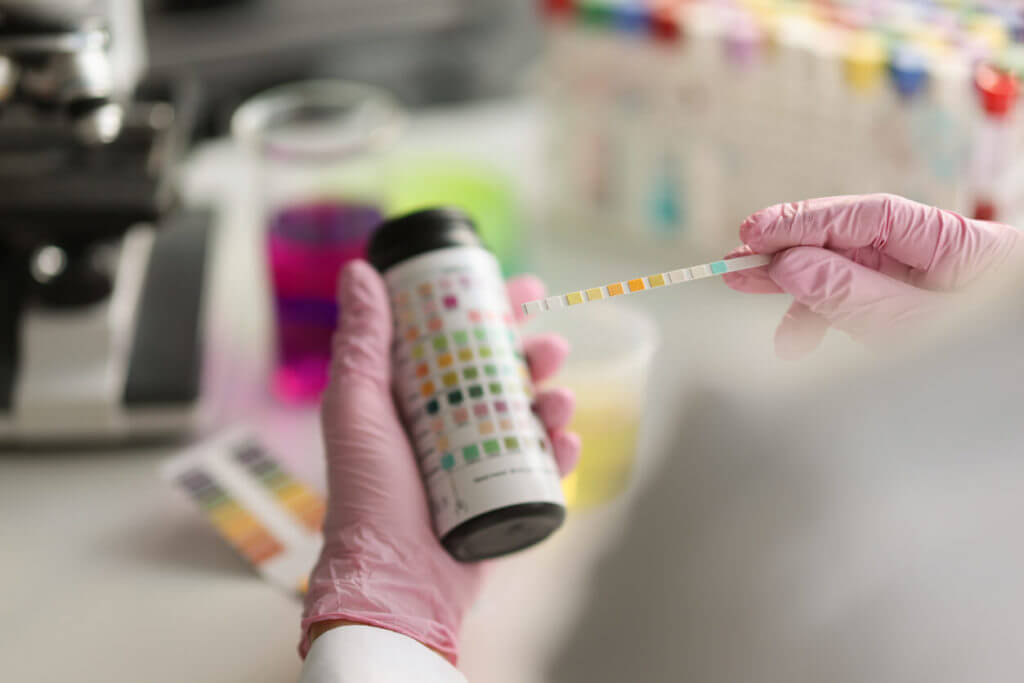
A simple urine test can detect protein (albumin) or blood that you might not see. Protein in the urine can be an early sign the kidney is under stress, even when creatinine is normal.
In many clinics, the preferred screening test is a urine albumin-to-creatinine ratio (ACR), because a standard dipstick can miss lower levels of albumin.
Bloodwork: creatinine and eGFR trends
One number is less important than the trend over time. Your clinician may also check electrolytes, bicarbonate, and sometimes cystatin C if there are questions about accuracy.
How often should you get checked?
This depends on why you have one kidney and your other risk factors. Many people do well with at least yearly blood pressure, creatinine or eGFR, and urine ACR. If you have diabetes, hypertension, albumin in the urine, a history of kidney issues, stones, or recurrent infections, your clinician may recommend more frequent monitoring.
Sports and activity
Movement is good for kidney health because it supports blood pressure, weight, blood sugar control, and heart health. The main concern is trauma to the only kidney.
Contact sports are not automatically forbidden
Different medical groups phrase this differently, but the practical reality is that catastrophic sports-related kidney injury is rare, though not zero. Decisions should be individualized.
- Low-impact activities like walking, running, cycling, swimming, yoga, and strength training are typically fine.
- Higher-impact or collision sports (football, hockey, martial arts, boxing, rugby, lacrosse) carry a higher risk of a direct hit to the kidney area.
If you or your child with one kidney wants to play a contact sport, talk with a clinician familiar with kidney risk (often a urologist or nephrologist). You may discuss:
- Whether the kidney is in a typical position (some kidneys sit lower and are more exposed).
- Sport-specific risk and your level of competition.
- Protective gear designed to shield the flank area.
- What to do if there is a hard hit, flank pain, or blood in the urine after play.

Medication cautions
In primary care, medication safety is one of the biggest day-to-day issues for people with one kidney, because it is so easy to accidentally overdo it.
Be cautious with NSAIDs
NSAIDs include ibuprofen (Advil, Motrin), naproxen (Aleve), and many prescription anti-inflammatories. These medicines can reduce blood flow into the kidney and may trigger kidney injury, especially when you are dehydrated, sick, or taking certain blood pressure medicines.
Having one kidney does not mean you can never take an NSAID. For some people with normal kidney function, short, occasional use may be reasonable. But it does mean you should treat them like a medication that deserves respect, not an everyday go-to.
- Avoid high-dose or long-term NSAID use unless your clinician specifically advises it.
- Never combine multiple NSAIDs at once.
- Be extra careful during vomiting, diarrhea, fever, or heavy sweating when you are prone to dehydration.
Acetaminophen is often the safer first choice
Acetaminophen (Tylenol) is often preferred for pain or fever in people with kidney concerns, as long as you stay within dosing limits and do not mix it with alcohol or other acetaminophen-containing products.
Because individual situations vary, confirm what is safest for you with your clinician, especially if you have liver disease or drink alcohol regularly.
Tell every clinician and pharmacist you have one kidney
This includes dentists, urgent care, and anyone prescribing antibiotics, contrast dye for imaging, or new blood pressure meds. Many medications are kidney-cleared, and dosing sometimes needs adjustment based on kidney function.
Sick day basics
If you are sick with vomiting, diarrhea, fever, or you cannot keep fluids down, protect your only kidney by acting early. Avoid NSAIDs, focus on hydration as tolerated, and contact your clinician for advice.
If you take medications like ACE inhibitors, ARBs, diuretics (water pills), or SGLT2 inhibitors, ask your clinician in advance what to do during dehydration or acute illness. For some people, temporarily holding certain medications during a dehydration episode can reduce the risk of acute kidney injury. Do not stop prescription meds without medical guidance, but do have a plan.
Hydration and diet
Hydration: steady is better than extreme
Most people do well aiming for pale yellow urine and drinking regularly throughout the day. You generally do not need to “flush” your kidney with excessive water, and overhydration can be unsafe for some conditions.
If you have kidney stones, your clinician may give a more specific fluid target to reduce recurrence.
Protein and supplements: avoid extremes
A single kidney can handle normal protein intake for most people, but very high-protein diets and certain bodybuilding supplements can add extra workload. Also, some herbal products contain undeclared ingredients or heavy metals.
- If you are considering a high-protein plan, creatine, or performance supplements, discuss it with your clinician.
- Be cautious with “detox” products and unregulated herbal blends.
Do not smoke, and prioritize sleep
Smoking damages blood vessels, including those feeding the kidney. Poor sleep and untreated sleep apnea can worsen blood pressure, which affects kidney health.
Why stones and blockages are urgent
If you have two kidneys and one gets blocked, the other kidney can often keep labs looking deceptively normal. With one kidney, you do not have that safety net.
A kidney stone, blood clot, tumor, scar tissue, or prostate-related obstruction can slow or stop urine flow. Pressure builds up behind the blockage and can injure kidney tissue. If obstruction is prolonged, damage can become permanent.
Symptoms that need urgent evaluation
With one kidney, I want you to have a lower threshold for getting checked out the same day or going to urgent care or the emergency department. Seek urgent care if you have:
- Severe flank or side pain, especially if sudden or crampy
- Fever, chills, or feeling very ill along with urinary symptoms
- Pain plus fever, which can signal an infected obstruction and is especially time-sensitive
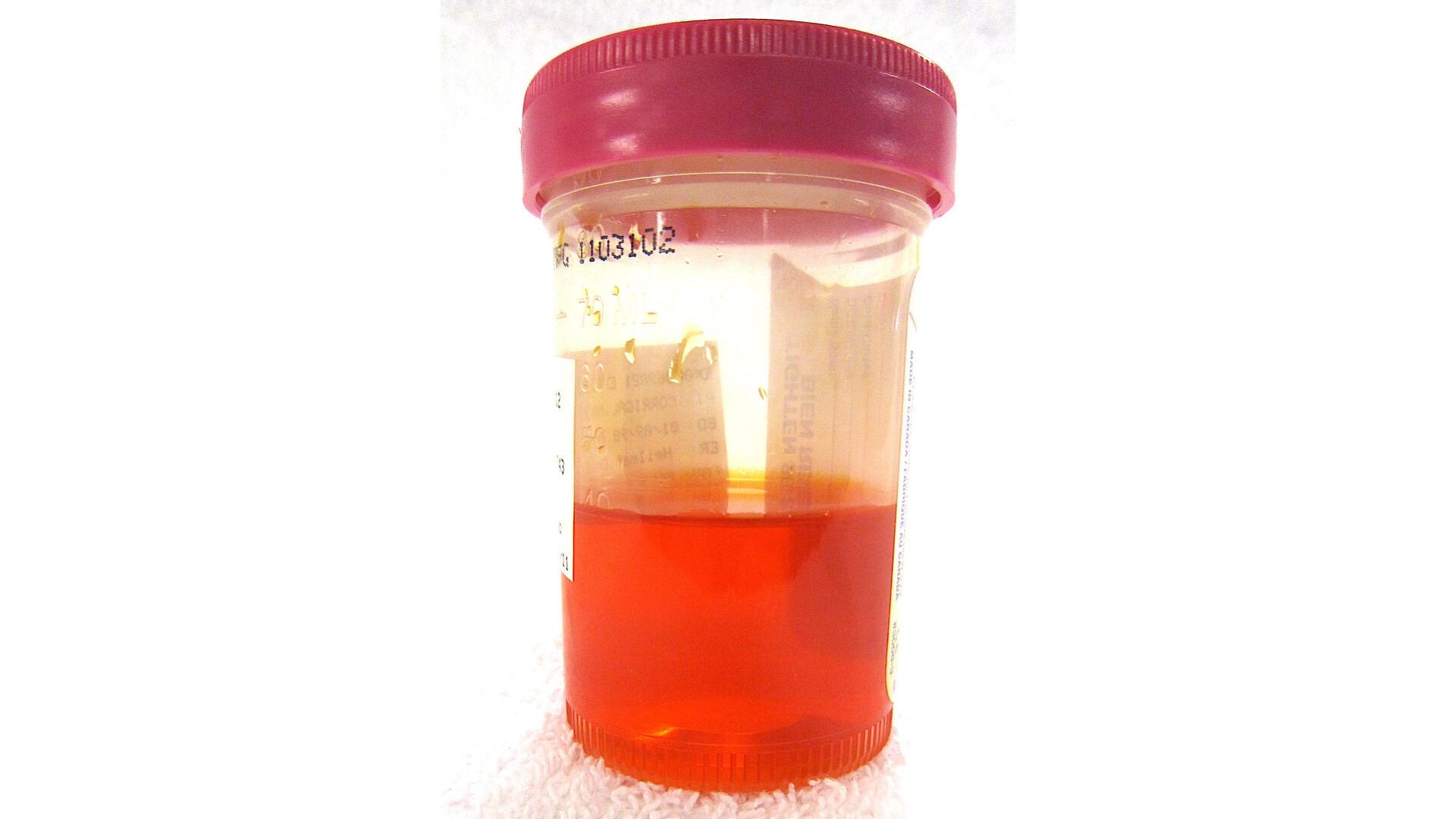
- Blood in the urine (pink, red, or cola-colored)
- New trouble urinating, weak stream, or inability to urinate
- Markedly decreased urine output
- Persistent nausea or vomiting with pain
If you have one kidney and you suspect a blockage, treat it like a time-sensitive problem. Even if your last creatinine was “fine,” obstruction can injure the only kidney quickly.

Travel, work, and daily life
Medical ID and records
If you are comfortable doing so, a medical ID on your phone or a bracelet noting “single functioning kidney” can help in emergencies. When I hike with my dog, I always think about how quickly a simple fall can turn into an urgent situation when medical details are unknown.
Work and physical labor
Most jobs are fine. If your work has high risk of blunt trauma (certain construction roles, law enforcement, contact-heavy trades), talk with occupational health and your clinician about protective strategies.
Imaging contrast
Some CT scans and angiography tests use IV iodinated contrast. Many people with one kidney can still receive contrast safely. In practice, the decision is driven more by your baseline eGFR and your current risk of acute kidney injury (for example dehydration, active infection, or recent kidney strain) than by kidney count alone. Make sure the ordering clinician knows you have one kidney so they can check labs when needed and use the safest approach.
Pregnancy
Many people with one kidney have healthy pregnancies. Pregnancy does increase kidney workload and can affect blood pressure, so prenatal care usually includes closer monitoring for:
- Blood pressure and signs of preeclampsia
- Protein in the urine
- Changes in kidney function labs
If you are planning pregnancy, consider a preconception visit with your OB-GYN and, in some cases, a nephrologist.
When to see a specialist
You may benefit from seeing a nephrologist (kidney specialist) if you have one kidney plus any of the following:
- Albumin or protein in the urine
- Blood in the urine without a clear explanation
- Rising creatinine or declining eGFR over time
- Hard-to-control blood pressure
- Recurring kidney stones or repeated urinary infections
- A history of hydronephrosis or urinary tract obstruction
Quick FAQs
Can one kidney do the job of two?
Yes, one healthy kidney can usually meet the body’s needs. Many people never notice a difference day to day.
Does having one kidney mean kidney failure is inevitable?
No. Risk depends on the health of the remaining kidney and factors like blood pressure, diabetes, smoking, repeated infections, stones, and medication exposures.
Should I follow a “kidney diet” automatically?
Not necessarily. Most people with one healthy kidney do not need major dietary restriction. If you have reduced kidney function, albumin in the urine, stones, or high blood pressure, you may need tailored guidance.
Is alcohol allowed?
Moderation is generally key. Alcohol can dehydrate you and raise blood pressure in excess. If you take acetaminophen, heavy alcohol use increases liver risk. Ask your clinician what is safe for your situation.
The bottom line
Having one kidney usually means you can live a long, active life, but you should be a little more protective than the average person. Keep blood pressure under control, get routine urine and lab checks, be cautious with high-dose or long-term NSAIDs, and treat possible stones, infections, or blockages as urgent issues.
If you are ever unsure whether a symptom is “serious enough,” I would rather you call and be reassured than wait and risk the only kidney you have.