When you have a large kidney stone, the usual stone treatments are sometimes like trying to pull a boulder through a garden hose. That is where percutaneous nephrolithotomy, usually shortened to PCNL, comes in. PCNL is a minimally invasive surgery where a urologist reaches the kidney through a small tract in your back and removes or breaks up the stone. Even though the skin opening is small, it is still a major procedure because it involves creating a working channel into the kidney and is usually done with anesthesia and hospital monitoring.
I have cared for many patients who were surprised by two things: first, how “small” the skin opening is compared to how major the problem felt, and second, how common it is to go home with a temporary tube or stent. This walk-through will help you know what is normal, what is not, and how to prepare.
What PCNL is, and who it is for
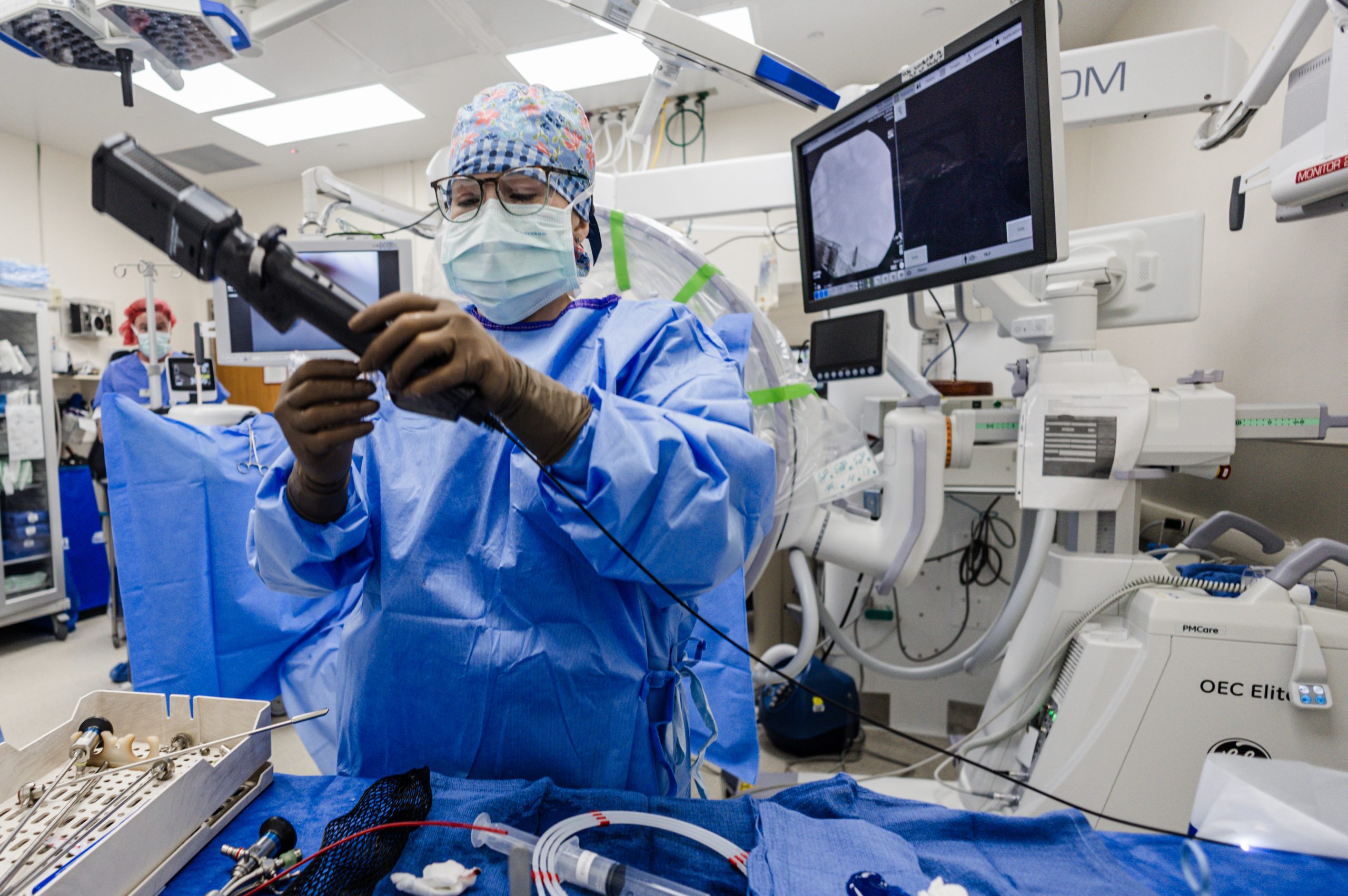
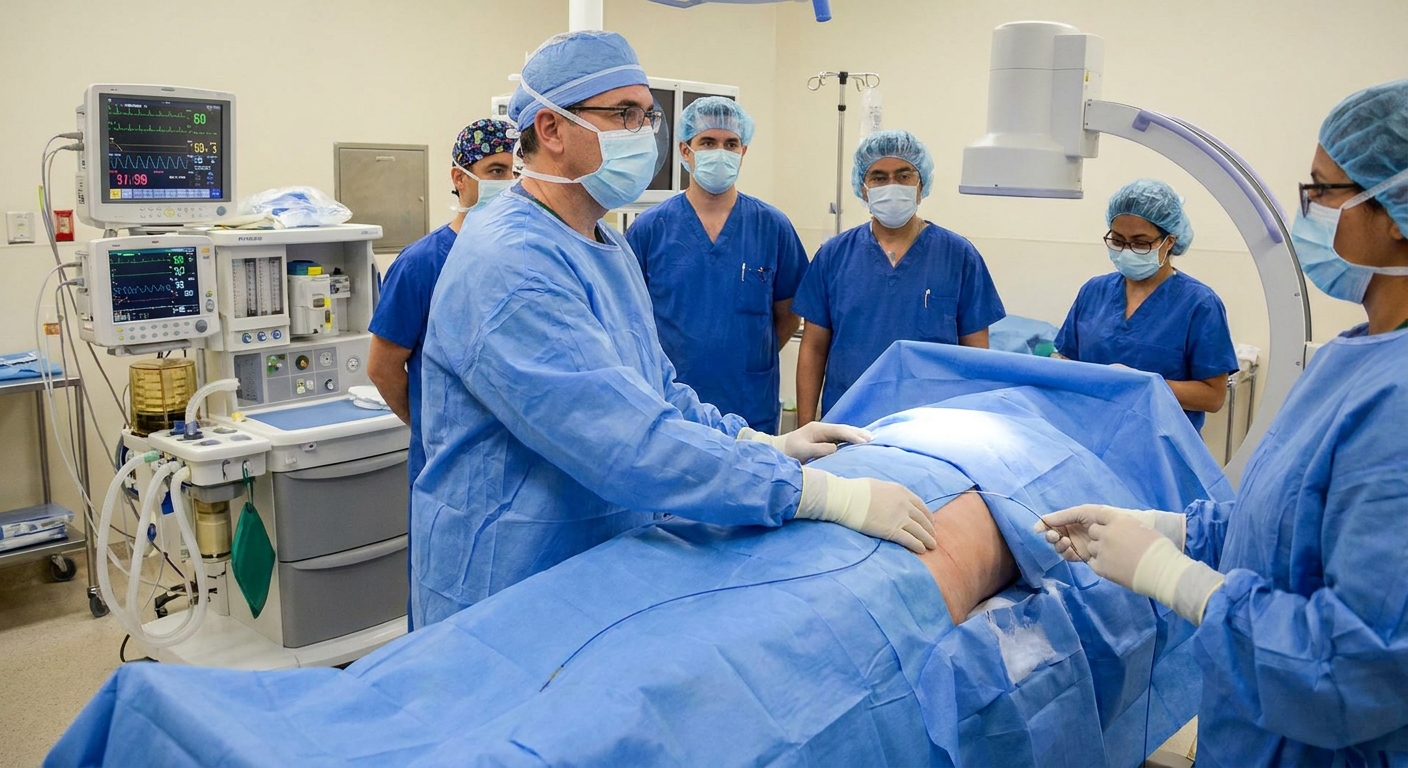
PCNL is a kidney stone removal procedure done through a small incision in the back (often around 1 cm, but it varies by technique). Using X-ray and/or ultrasound guidance, the surgeon creates a narrow channel into the kidney, then uses a camera and instruments to remove the stone directly or break it into pieces and suction them out.
PCNL is most commonly recommended when:
- The stone is large (often over 2 cm, though size is not the only factor).
- You have a staghorn stone (a branching stone filling part of the kidney’s collecting system).
- The stone is very hard, in a challenging location, or has not responded to other treatments.
- There is significant blockage, recurrent infection, or kidney swelling (hydronephrosis) related to the stone.
Your urologist will weigh PCNL against other options based on your imaging, symptoms, kidney anatomy (including lower pole anatomy), bleeding risk, and overall health. They may also tailor the approach, for example standard PCNL vs mini-PCNL, prone vs supine positioning, and whether a nephrostomy tube is needed.
How PCNL differs from other stone procedures
These procedures can sound similar, but they are not interchangeable. Here is the practical difference in plain language.
PCNL vs shock wave lithotripsy
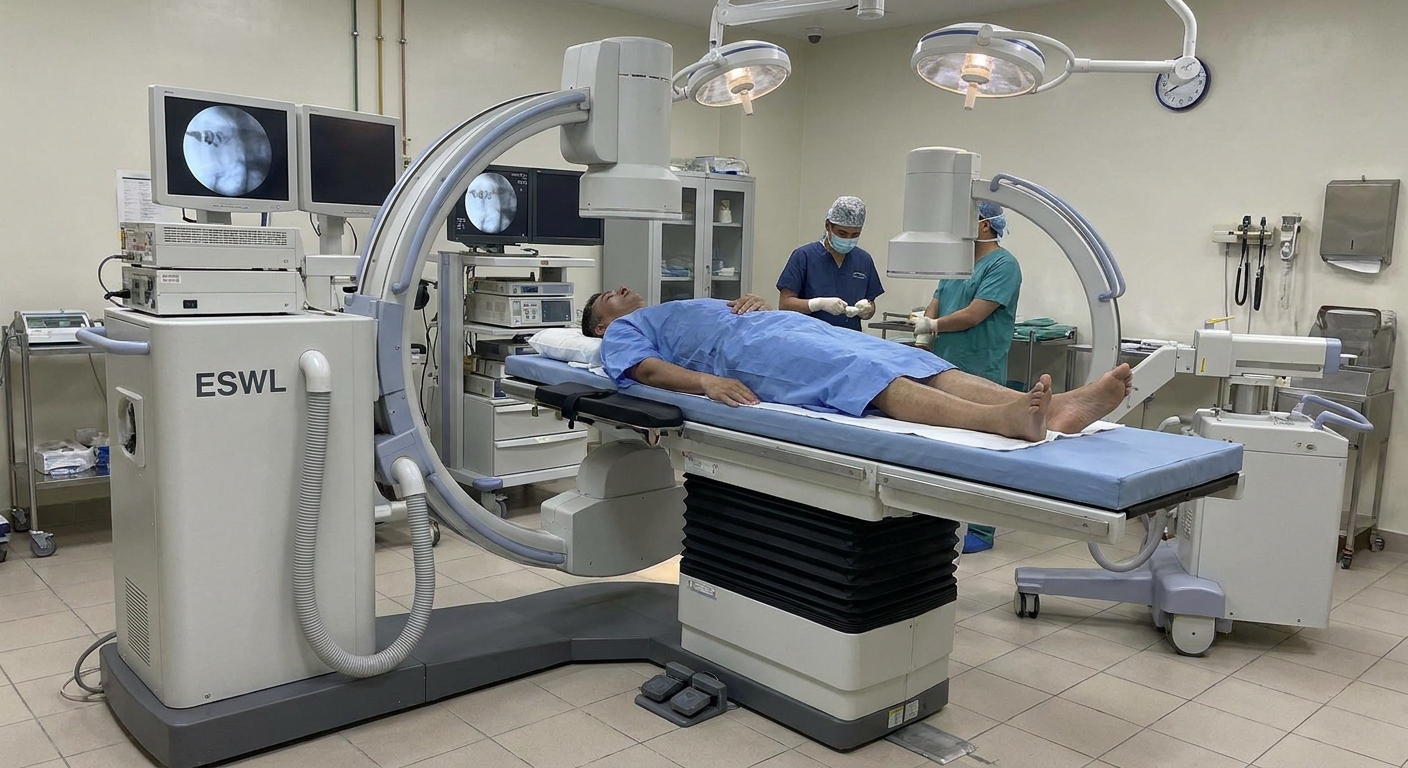
Shock wave lithotripsy (SWL or ESWL) uses shock waves applied from outside the body to crack a stone into passable fragments. It is often used for smaller stones. PCNL is a direct removal approach and is usually chosen for larger or more complex stones.
PCNL vs ureteroscopy
Ureteroscopy reaches the stone through the natural urinary pathway: urethra to bladder to ureter, sometimes up into the kidney. It is great for many ureter and kidney stones, but for very large stones it may take multiple sessions. PCNL is more likely to clear a large stone in fewer procedures.
PCNL vs a nephrostomy tube placed only for drainage
A nephrostomy tube is a tube that drains urine from the kidney to a bag outside the body. Sometimes it is placed only to relieve blockage or infection, not to remove a stone. PCNL is a stone-removal surgery. A nephrostomy tube may be used as part of PCNL care, but “a nephrostomy tube” by itself does not necessarily mean stone removal happened.
Before surgery: testing, planning, and medication changes
PCNL is planned around your imaging and your overall safety. In the days to weeks beforehand, many patients have:
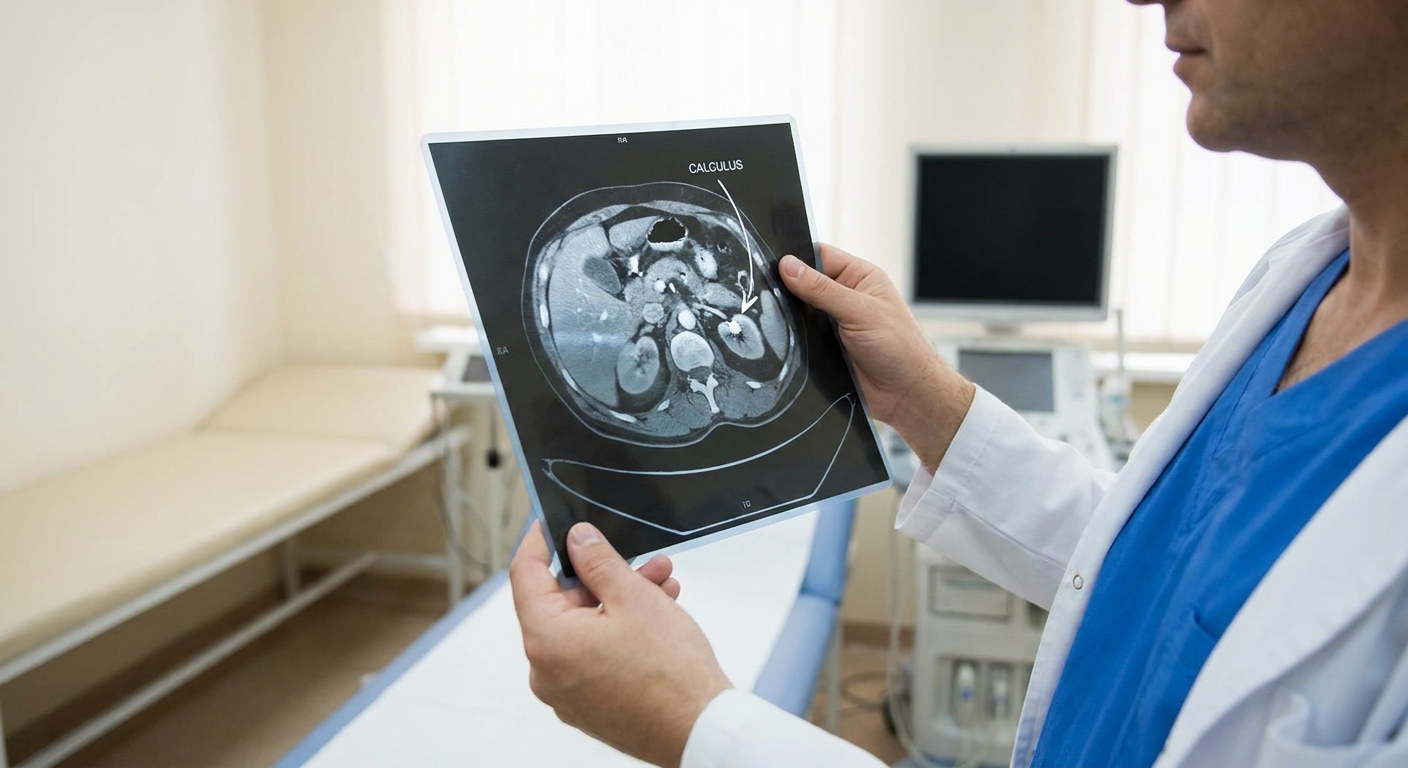
- CT scan (often low-dose, non-contrast) or other imaging to map the stone.
- Blood tests to check blood count and kidney function.
- Urine testing and sometimes a urine culture. If there is infection, it is treated before surgery whenever possible.
- A review of medications, especially blood thinners.
Blood thinners and supplements
Because PCNL involves creating a tract into the kidney, bleeding risk matters. Your surgical team will tell you exactly what to stop and when. Do not stop prescription blood thinners on your own, but do make sure the urology team knows about:
- Warfarin, apixaban, rivaroxaban, dabigatran, clopidogrel, and similar medications
- Aspirin and NSAIDs (like ibuprofen or naproxen), if you take them regularly
- Supplements that can increase bleeding risk (for example, fish oil, vitamin E, ginkgo, garlic supplements)
Eating and drinking
You will be given specific instructions for when to stop food and liquids before anesthesia. This is not a formality. It is a major safety step to reduce aspiration risk during anesthesia.
Day of surgery: anesthesia and what happens in the operating room
PCNL is typically done under general anesthesia, meaning you are fully asleep and breathing is supported by the anesthesia team. Many patients remember very little after meeting the anesthesia team and waking up in recovery.
Positioning and access
Depending on your surgeon’s approach, you may be positioned on your stomach (prone) or on your side/back (supine variations). The urologist uses imaging guidance to safely access the kidney through your back and create a small working channel.
Removing the stone
Once inside the kidney, the surgeon may:
- Remove the stone in pieces with graspers
- Use an energy source to break it up (for example, ultrasonic, laser, or pneumatic), then suction fragments out
- Check different areas of the collecting system for remaining pieces
The procedure time varies widely depending on stone size, branching pattern, anatomy, and whether one or multiple access tracts are needed.
Right after PCNL: what you may wake up with
It is completely normal to wake up feeling groggy, thirsty, and sore in your back and abdomen. Many patients have one or more of the following temporarily:
A urinary catheter (Foley)
This drains urine from the bladder and helps the team monitor urine output and bleeding. It is often removed before you go home, but timing varies.
A ureteral stent
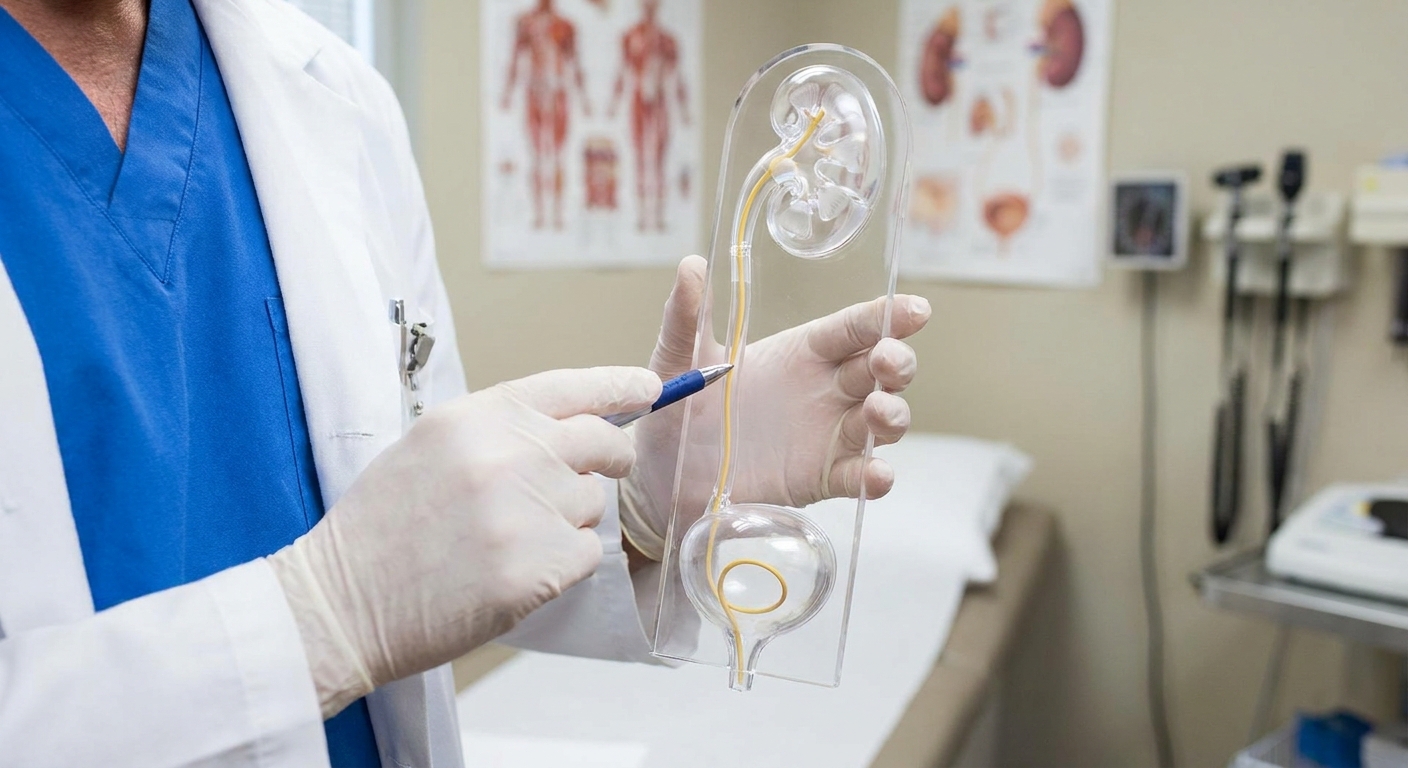
A ureteral stent is a soft internal tube from kidney to bladder that helps urine drain and prevents blockage from swelling or tiny fragments. You do not see it outside the body.
Stents can cause:
- Urinary frequency and urgency
- Burning with urination
- Bladder pressure
- Flank discomfort, especially with urination
- Blood-tinged urine that comes and goes
A nephrostomy tube (sometimes)
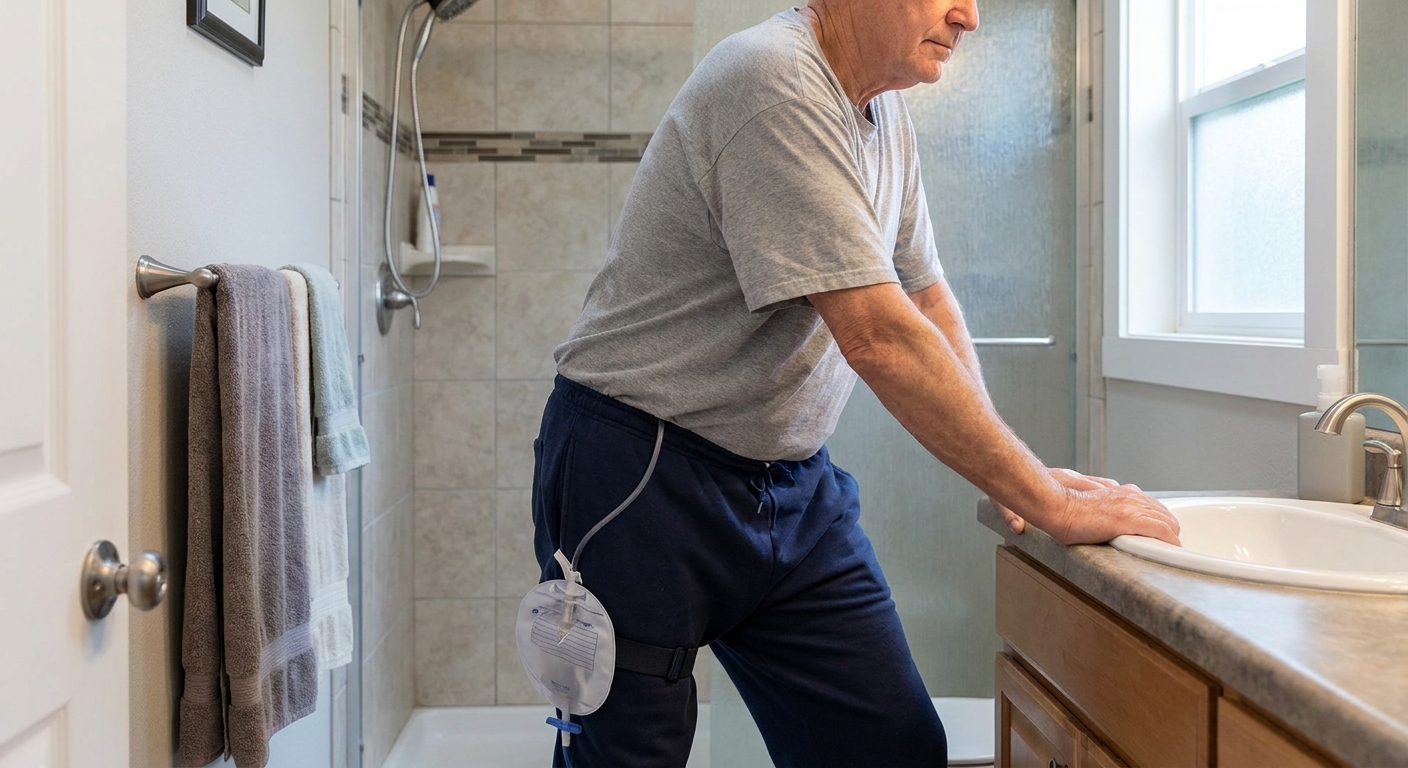
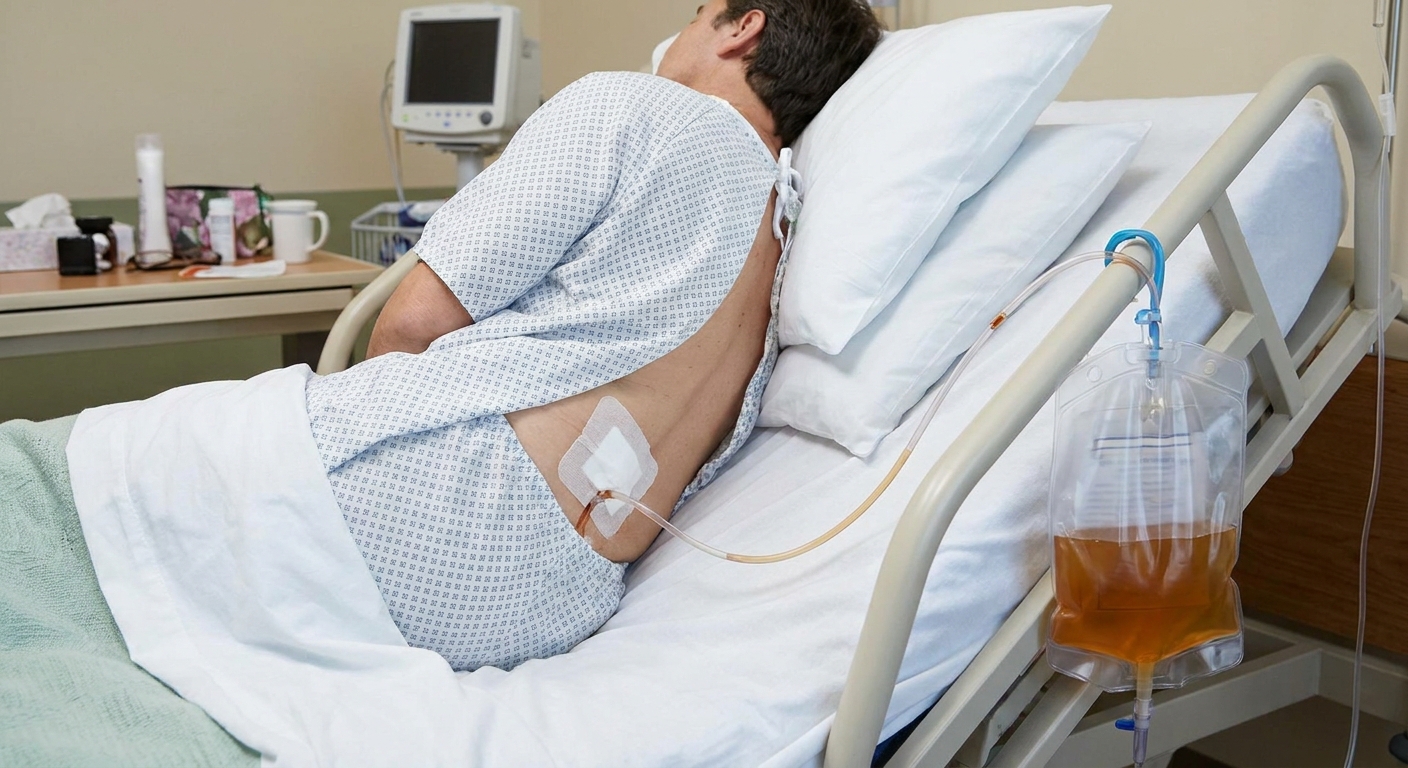
Some PCNL procedures end with a nephrostomy tube coming out of the back to a drainage bag. Not everyone needs this. In select cases, surgeons may do a “tubeless” PCNL, meaning no nephrostomy tube is left behind. If you do have a tube, it is typically short-term and may be removed before discharge or at a follow-up visit, depending on your surgeon’s plan.
Hospital stay: how long and what the team watches for
Some patients go home the same day, but an overnight stay is common, and some stay longer depending on medical history, how complex the stone was, and whether there were any complications.
During the hospital stay, your team will focus on:
- Pain control that still allows you to breathe deeply and move
- Bleeding, typically monitored through urine color and blood tests if needed
- Fever or infection signs
- Kidney drainage through a stent, catheter, or nephrostomy tube
- Imaging in some cases to check residual stone fragments
Pain expectations
Most people describe soreness at the incision site and a deep ache in the flank. If you have a stent, bladder symptoms can be more bothersome than the incision. Your care team may use a combination of acetaminophen, anti-inflammatory medication when appropriate, and short-term stronger pain medicine if needed.
Blood in the urine: what is normal
Seeing blood in the urine after PCNL is common. Your urine may look:
- Pink
- Red
- Tea-colored
- Clear, then suddenly pink again after walking around
A few practical points I tell patients:
- Hydration helps by keeping urine flowing and reducing clot formation.
- A little blood that improves day by day is expected.
- Blood can “come and go,” especially if a stent is in place or after activity.
When blood is not normal
Call your surgeon’s office or seek urgent care guidance if you have:
- Urine that becomes thick, bright red and does not lighten with fluids
- Large clots
- Inability to urinate (or the catheter stops draining)
- Lightheadedness, fainting, new shortness of breath, or chest pain
Fever after PCNL: when you need to call
Because PCNL involves working inside the kidney, infection risk is taken very seriously. Some patients will be prescribed antibiotics around the time of surgery, especially if there was any infection risk on testing.
Call right away for fever
Contact your surgical team urgently (or follow their after-hours instructions) if you have:
- Fever of 100.4°F (38°C) or higher
- Chills or shaking
- Worsening flank pain plus feeling unwell
- Fast heart rate, confusion, or dizziness
If you were instructed to go to the emergency department for fever, do not wait. A kidney or urinary infection after stone surgery can escalate quickly and may require IV antibiotics or drainage support.
Going home: recovery timeline and activity
Recovery varies, but many people feel noticeably better over 1 to 2 weeks, with fatigue sometimes lingering longer. Your instructions will be specific to whether you have a stent, nephrostomy tube, or both.
Common at-home instructions
- Drink fluids unless you were told to restrict fluids for another medical reason.
- Walk daily as tolerated. Gentle movement helps prevent blood clots and constipation.
- Avoid heavy lifting and strenuous exercise until cleared by your surgeon.
- Take pain medicine as directed, and use a stool softener if you are on opioids.
Driving and returning to work
Many people can return to light activities and some desk work within several days, but driving and work timing depends on your pain level, whether you have a stent or tube, and whether you are taking prescription pain medicine. If you are taking opioids or still feel slowed down, do not drive. For physical jobs, it often takes longer, sometimes a couple of weeks, before lifting and strenuous movement feel safe.
Showering and incision care
Most patients can shower within a day or two, but instructions differ if a tube or dressing is in place. Keep the site clean and dry per your discharge plan, and watch for increasing redness, swelling, warmth, pus-like drainage, or worsening pain.
If you have a nephrostomy tube after PCNL
If you go home with a nephrostomy tube, your team should show you how to empty the bag and secure the tubing.
In general, call your care team if:
- The tube stops draining and you develop flank pressure or pain
- The tube comes out or you see leakage around the tube site
- The dressing is soaking through repeatedly
- You develop fever or feel suddenly ill
Try not to tug on the tube, and keep it secured to your skin or clothing as instructed to prevent accidental dislodgement.
If you have a ureteral stent
Stent symptoms can be surprisingly intense, even when everything is healing perfectly. I always warn patients that urgency, a sensation of pressure in the bladder, and flank discomfort when you urinate can be stent-related, not a sign that something went wrong.
Stents are usually removed within days to a few weeks, depending on why it was placed and whether another procedure is planned. Removal is often done in the office with a brief cystoscopy, or sometimes by pulling a small string if your surgeon used one.
Call your urologist if you cannot keep fluids down, cannot urinate, or your pain suddenly escalates beyond what your discharge plan covers.
Follow-up and stone-free checks
Your urologist may order follow-up imaging to see if any fragments remain. Sometimes a second procedure is recommended to clear residual stones, especially with complex or staghorn stones.
Many patients also benefit from a prevention workup, which may include:
- Stone analysis (testing what the stone is made of)
- Blood work
- A 24-hour urine collection to identify risk factors like low citrate, high calcium, high oxalate, or low urine volume
Prevention is not about perfection. Even small changes, like consistent hydration and targeted diet adjustments, can reduce the risk of repeat stones.
How successful is PCNL?
PCNL is one of the most effective ways to treat large and complex kidney stones because it allows direct access to the stone burden. That said, “stone-free” is not a single promise. Success depends on stone size, whether it branches (staghorn pattern), your kidney anatomy, and how many access tracts are required. Some patients do need a staged plan or an additional procedure to clear remaining fragments, and that is not a failure. It is often the safest way to finish the job.
Risks to know about
PCNL is a common urologic surgery, but it is still a procedure with meaningful risks. Your surgeon will review your individualized risks, but in general they include:
- Bleeding that may require transfusion (uncommon, but important to understand)
- Infection or sepsis
- Injury to the kidney or nearby structures
- Fluid around the lung or lung irritation, especially when accessing upper parts of the kidney
- Residual stone fragments requiring additional treatment
- Rarely, a bleeding complication that requires a separate procedure such as embolization
- Rarely, injury to adjacent organs (for example colon, spleen, or liver)
- Rarely, a drop in kidney function, especially in already vulnerable kidneys
Do not let this list scare you. Let it guide good questions, and help you recognize symptoms that should not be brushed off.
Questions I recommend asking your surgeon
- How large is my stone, and where exactly is it located?
- Is this planned as a one-stage PCNL, or might I need more than one procedure?
- Will I likely wake up with a stent, a nephrostomy tube, or both?
- Do you expect this to be tubeless, or should I plan for a nephrostomy tube?
- How long do you expect my hospital stay to be?
- What symptoms are normal after I go home, and what symptoms mean I should call immediately?
- When can I return to work, driving, and exercise?
- How will we prevent future stones once this one is treated?
When to seek urgent help after PCNL
Use your discharge instructions as your main guide. In general, get urgent medical advice if you have:
- Fever 100.4°F (38°C) or higher, chills, or feeling suddenly very unwell
- Inability to urinate or a catheter that stops draining
- Worsening shortness of breath or chest pain
- Severe, escalating pain not controlled by your plan
- Heavy bleeding, large clots, or dizziness/fainting
If something feels off, trust that instinct and call. It is always better to ask early than to wait until symptoms snowball.
Bottom line
PCNL is designed for kidney stones that are simply too large or complex to handle well with shock waves or ureteroscopy alone. Expect general anesthesia, a hospital stay that is often same-day or overnight for many patients, and a real possibility of a temporary stent or nephrostomy tube. Some blood in the urine and soreness are common, but fever is never something to ignore after kidney stone surgery.
With the right preparation and a clear plan for follow-up, most patients do very well and feel a huge sense of relief once the stone burden is gone.