If you have been told you need a ureteral stent, you might be picturing something bulky or external. Standard double-J ureteral stents are the opposite. They are internal. You cannot see them, and there is usually no bag attached. But you can definitely feel their presence in day-to-day life, especially when you pee.
In clinic, one of the biggest reliefs I can offer patients is this: a lot of stent symptoms are common and expected, even if they feel alarming at first. The goal is to know what is common, what can be improved, and what symptoms should prompt a call right away.
What an internal ureteral stent does
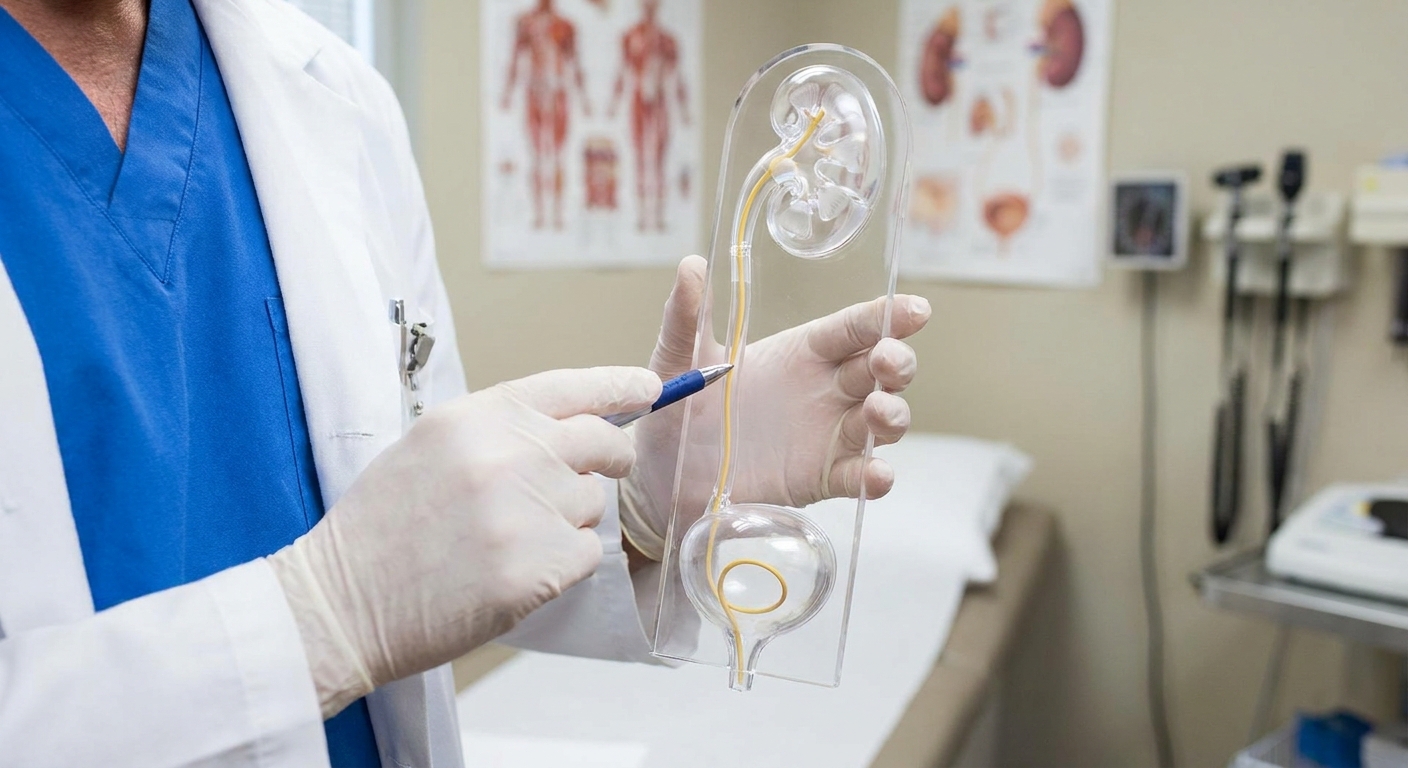
A ureteral stent is a thin, flexible tube placed inside the ureter, the narrow drain that carries urine from the kidney to the bladder. It is used to keep urine flowing when something is blocking or narrowing that pathway.
Common reasons include:
- Kidney stones that are stuck or causing swelling
- Swelling after stone procedures (like ureteroscopy or lithotripsy)
- Scarring or narrowing in the ureter
- Compression from nearby inflammation or, less commonly, masses
- Infection plus obstruction (an urgent situation)
Most stents have curls on each end, one in the kidney and one in the bladder, to help keep them in place. That bladder curl is a big reason urinary symptoms happen.
Stent vs nephrostomy tube
This article is about an internal ureteral stent. It sits entirely inside your body. Most people will not have any visible equipment.
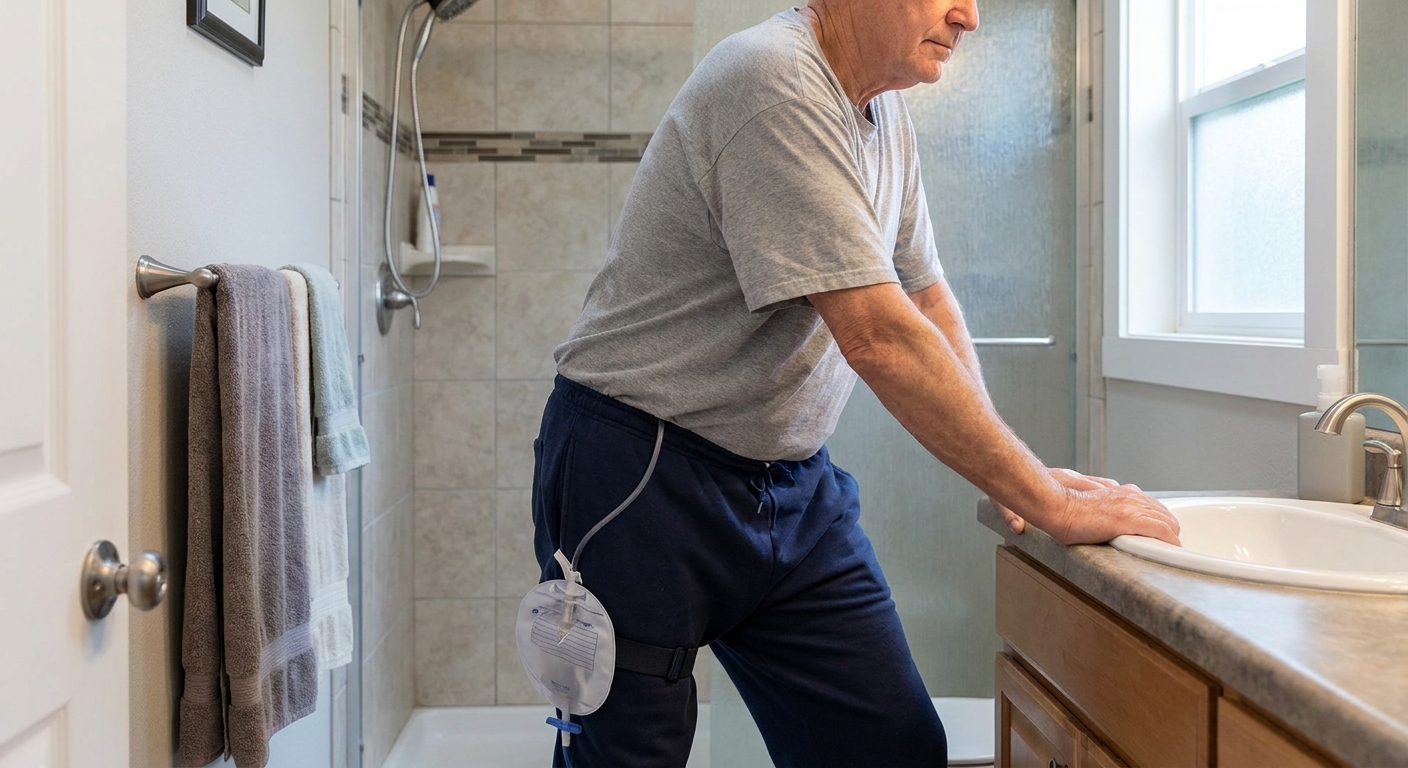
A nephrostomy tube is different. It drains urine from the kidney to an external bag through the skin of your back. If you were sent home with a bag that needs emptying, you are dealing with a nephrostomy system, not just an internal ureteral stent.
(There are a few less common, more specialized setups in urology that can involve externalized drainage. If you are not sure what you have, your discharge paperwork or urology office can clarify it quickly.)
What it feels like day to day
Symptoms vary widely. Some people barely notice their stent. Others feel like they have a constant UTI. Both can be common with a stent, but your care team should still help you manage symptoms so you can function.
Urgency and frequency
This is the classic stent complaint: the sudden need to pee, peeing frequently, and feeling like you did not fully empty. The stent irritates the bladder, and the bladder responds by contracting more often.
You may notice:
- Having to pee sometimes every 30 to 60 minutes
- Waking up more at night to urinate
- A pressure sensation low in the pelvis
Bladder spasms
Bladder spasms can feel like cramping, squeezing, or sharp pelvic discomfort. They can come in waves and may be worse after you pee or when you are active.
Stent-related spasms are common. They are also treatable, so mention them. Urologists often use medications that calm bladder contractions, and some patients also do well with short-term pain control strategies.
Flank pain with urination
This symptom surprises people: you pee, and then you feel a sudden ache or sharper pain in the side or back (the flank), sometimes radiating toward the groin.
This can happen because when the bladder squeezes to empty, some pressure can transmit up the stent toward the kidney. People often describe it as a brief surge of pain that settles after a few minutes.
If you are having severe flank pain that is not easing, or pain plus fever, that is not something to tough out. Seek urgent care guidance.
Blood in the urine
Pink, red, or tea-colored urine is very common with a ureteral stent, especially in the first few days after placement and after activity. You may also see small clots or stringy-looking blood. Mild bleeding is typically due to irritation of the urinary tract lining.
Things that often make bleeding more noticeable:
- Walking a lot or exercising
- Not drinking enough fluid
- Straining with bowel movements
On the other hand, heavy bleeding with thick clots, inability to urinate, or feeling lightheaded should be addressed urgently.
Burning
Burning can occur from irritation, recent procedures, or a true urinary infection. Because symptoms overlap, it is worth reporting burning, especially if it is worsening, paired with foul-smelling urine, fever, or new pelvic pain.
Stent symptoms vs infection
One of the trickiest parts is that a stent can mimic a UTI. Urgency, frequency, and burning can be stent-related even when there is no infection.
What worries me more is systemic illness or a clear change in the overall trajectory, like fever, chills, worsening flank pain that does not settle, vomiting, or feeling weak or faint. When infection is possible, especially in someone who recently had an obstructed kidney, it is safer to call and get directed testing than to guess at home.
What helps at home
Always follow your urologist’s instructions first, especially if you had recent surgery. These are common, practical measures that many patients find helpful.
Hydration with a realistic goal
Stents tend to feel worse when urine is concentrated. Drinking enough fluid can reduce burning and help flush small blood clots.
- In general, aim for pale yellow urine.
- If you were given fluid restrictions for heart or kidney disease, follow those limits.
Heat and pacing
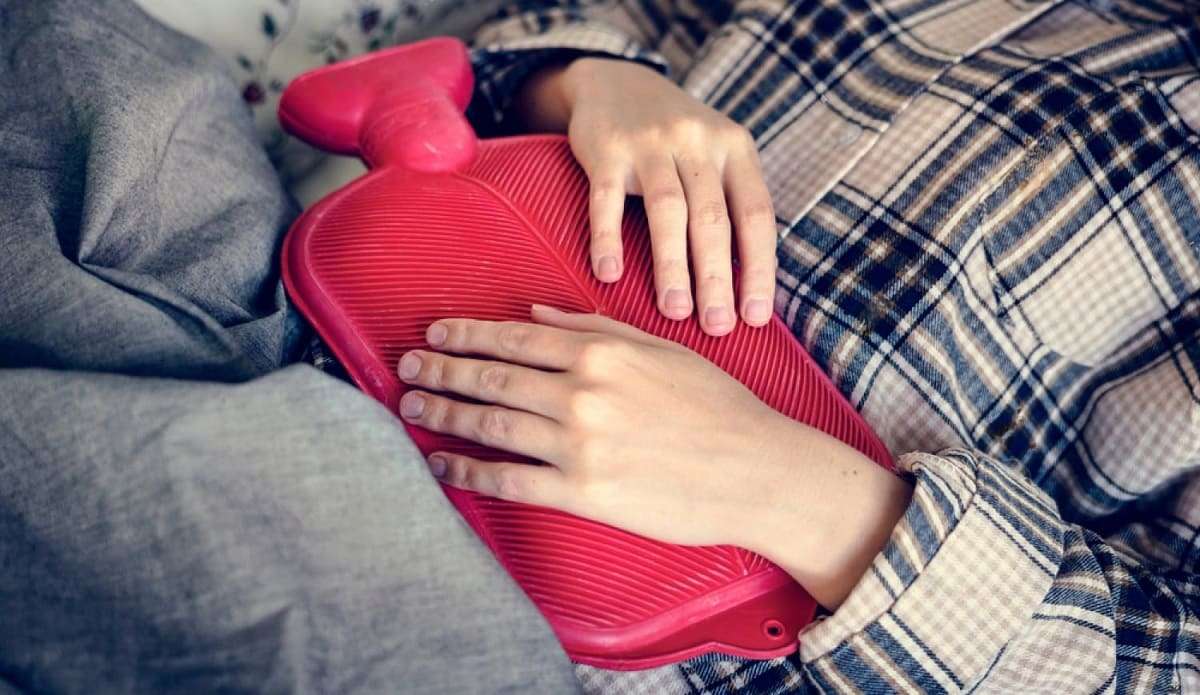
A heating pad or warm bath can ease pelvic cramping and flank discomfort. Also consider activity pacing:
- Short walks can be better than long outings.
- If a certain movement reliably triggers pain, scale back for a few days.
- Many people notice symptoms ramp up later in the day after cumulative activity.
Constipation prevention
Constipation can make bladder symptoms feel worse and can increase pelvic pressure. If you are taking opioid pain medication, constipation is even more likely.
Helpful habits include:
- Fiber-rich foods (if tolerated)
- Prunes or a gentle stool softener if your clinician approves
- Not delaying bowel movements
Medications you may be offered
Depending on your situation, your clinician may prescribe or recommend:
- Bladder-calming medications to reduce urgency and spasms (often an anticholinergic or a beta-3 agonist)
- Alpha blockers which are commonly used in stone care and may also help reduce ureteral spasm and stent discomfort for some patients
- Pain relievers for short-term control
- Urinary numbing medication for short-term burning with urination (some patients are prescribed phenazopyridine, but it is not right for everyone, so confirm first)
- Antibiotics only if there is a clear reason, such as infection or specific surgical protocols
Do not start leftover antibiotics at home just in case. If infection is suspected, a urine test and targeted treatment are safer and more effective.
If you are pregnant, have kidney disease, or take blood thinners, ask for individualized guidance. Those factors can change what medications are safe, and they can also change how we think about bleeding risk and when to evaluate symptoms.
Exercise, sex, and work
In most cases, yes, but you may need to adjust expectations while the stent is in.
Exercise and lifting
Light activity is usually fine and can help recovery after procedures. Strenuous exercise, heavy lifting, and high-impact workouts may worsen bleeding and pain.
A practical approach:
- Start with walking and gentle movement.
- If urine becomes bright red or pain spikes after activity, scale back and hydrate.
- Ask your surgeon about specific restrictions if you recently had a procedure.
Sex
Many people can have sex with a stent, but discomfort is common, and urinary urgency can get in the way. If you have a stent string (more on that below), ask your urologist for individualized guidance because accidental tugging can be a risk.
Work and travel
Desk work is often possible, but frequent bathroom breaks and unpredictable spasms can be challenging. For travel, plan for hydration and restroom access. If you are flying soon after a procedure, confirm timing and safety with your surgeon.
Removal options
Removal is one of the most anxiety-producing parts for patients, mostly because they do not know what to expect. The experience depends on the type of stent you have.
Stent with a string
Some stents have a thin string that exits the urethra. This allows removal without a scope, sometimes at home and sometimes in clinic. The string may be taped to the skin.
Important cautions:
- Do not tug on the string unless you were specifically instructed to remove it and given a date and technique.
- Be mindful during toileting and showering so it does not get snagged.
- If the string seems longer than before or you feel the stent shifting, call your urologist.
Clinic removal (cystoscopy)
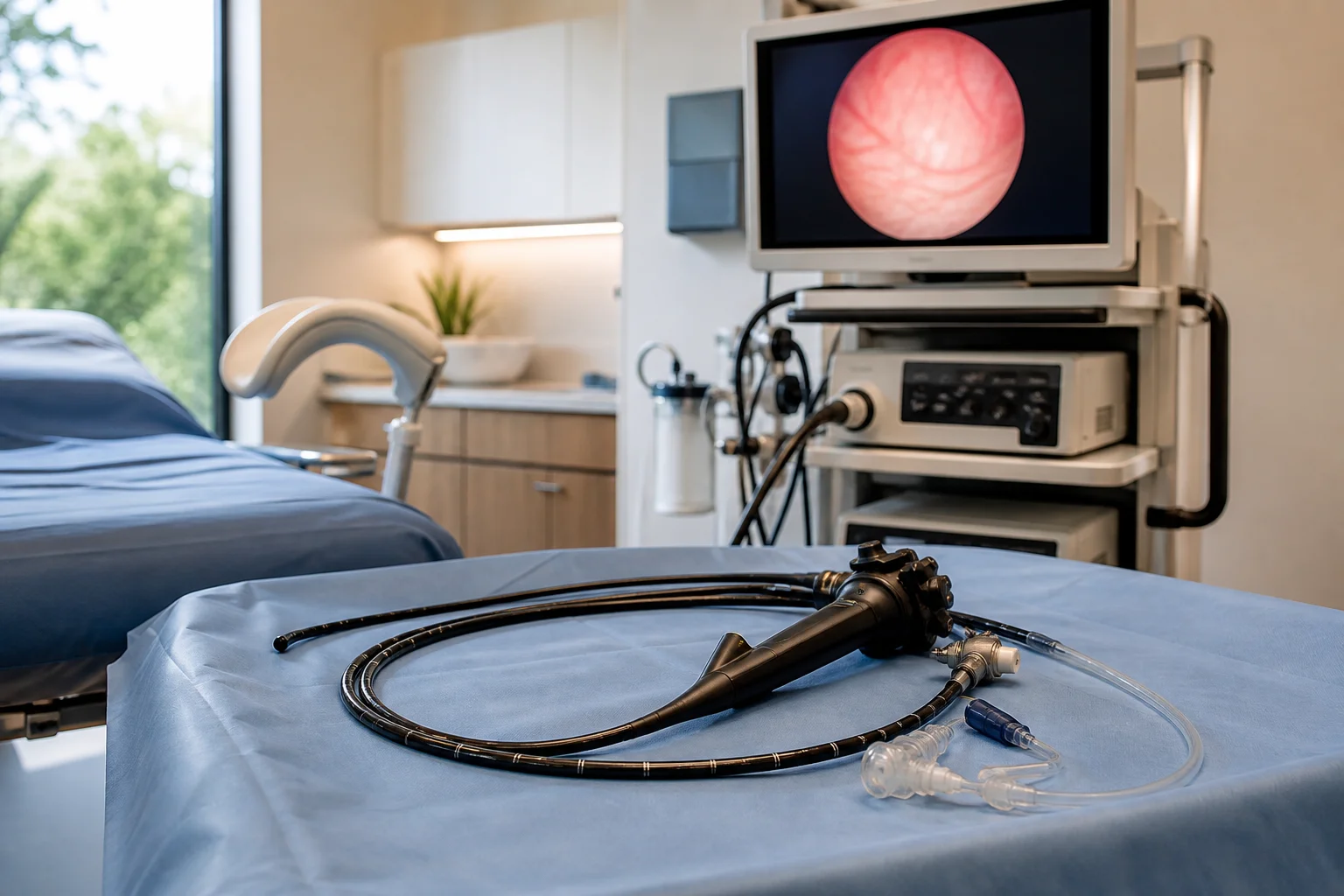
If there is no string, stents are usually removed in a urology clinic using a small scope passed into the bladder. The clinician grasps the stent and slides it out.
What many patients feel:
- Pressure and an intense urge to urinate during the procedure
- A brief burning sensation afterward
- Some blood in the urine for a day or two
If you are worried about pain, ask ahead of time what numbing measures are used and whether you can take a recommended pain reliever beforehand.
How long a stent stays in
It depends on why it was placed. Some are in for just a few days after a stone procedure. Others may stay for weeks. In more complex situations, a stent may need scheduled exchanges.
One key safety point: do not lose track of your stent. Stents left in too long can develop encrustation (mineral buildup), infection, or become difficult to remove. Many temporary stents are removed or exchanged within weeks to a few months depending on the material and the plan, but your timeline should come from your urologist. If you do not have a clear removal plan, call and ask.
When to call urgently
Because a stent can mimic UTI symptoms, it helps to focus on red flags that suggest infection, obstruction, or a complication that needs prompt evaluation.
Seek urgent evaluation for:
- Fever (especially 100.4°F / 38°C or higher) or chills
- Severe flank pain that does not improve, especially with nausea or vomiting
- Inability to urinate or markedly decreased urine output
- Worsening burning plus foul-smelling urine or cloudy urine
- Confusion, weakness, or feeling faint
- Large blood clots or heavy bleeding
If you were told you had an infected, blocked kidney, take any fever or sudden worsening symptoms extremely seriously. Infection behind an obstruction can become dangerous quickly.
Frequently asked questions
Is it common to feel worse when I pee?
It can be. Many people with a stent feel a surge of flank pain during or just after urination. That said, severe pain, escalating pain, or pain with fever deserves a call.
Why do I feel like I have to pee right after I went?
The stent irritates the bladder and can keep it feeling on edge. Bladder spasms and urgency are among the most common stent symptoms.
Can a ureteral stent fall out?
Most internal stents without strings stay in place. Stents with strings have a slightly higher risk of being pulled, especially if the string gets snagged. If you suspect movement or partial dislodgement, contact your urology office.
Will I see the stent in my urine?
Typically no, because it is internal. If you have a string, you may see the string. If you see tubing or feel something protruding that seems new, seek urgent guidance.
How will I feel after it comes out?
Many people notice relief quickly, especially less urgency and fewer spasms. Mild burning and a little blood for a day or two can happen after removal. If symptoms worsen instead of improve, check in with your care team.
Final word from the clinic
I always tell patients that stents are one of those medical devices that can be both helpful and incredibly annoying. If your symptoms are interfering with sleep, work, or basic daily life, you do not have to just endure it. Let your urologist know what you are feeling. There are often small adjustments, medications, and timing decisions that can make the experience much more manageable.
And if you develop fever, chills, severe pain, vomiting, or cannot urinate, treat that as urgent. When it comes to kidneys and infection, it is better to be seen and reassured than to wait.