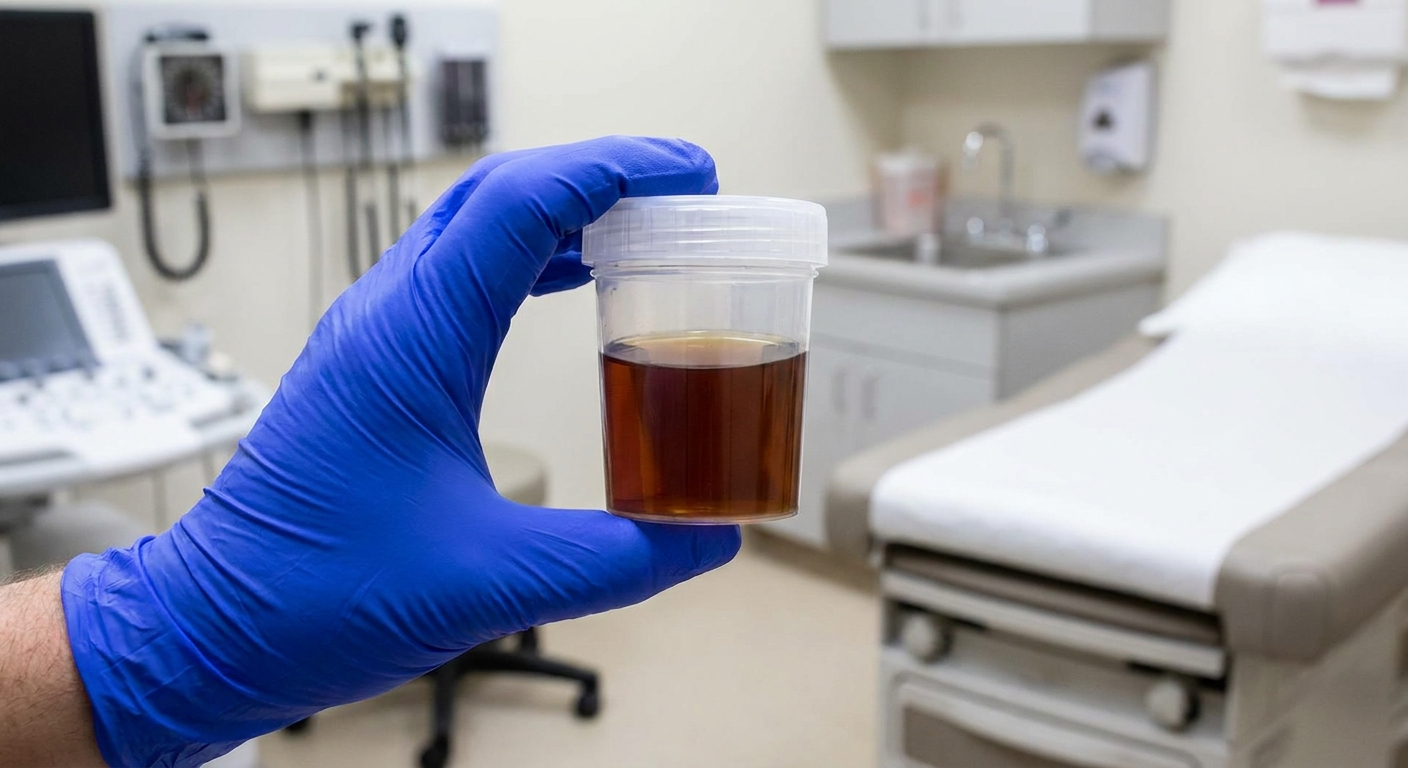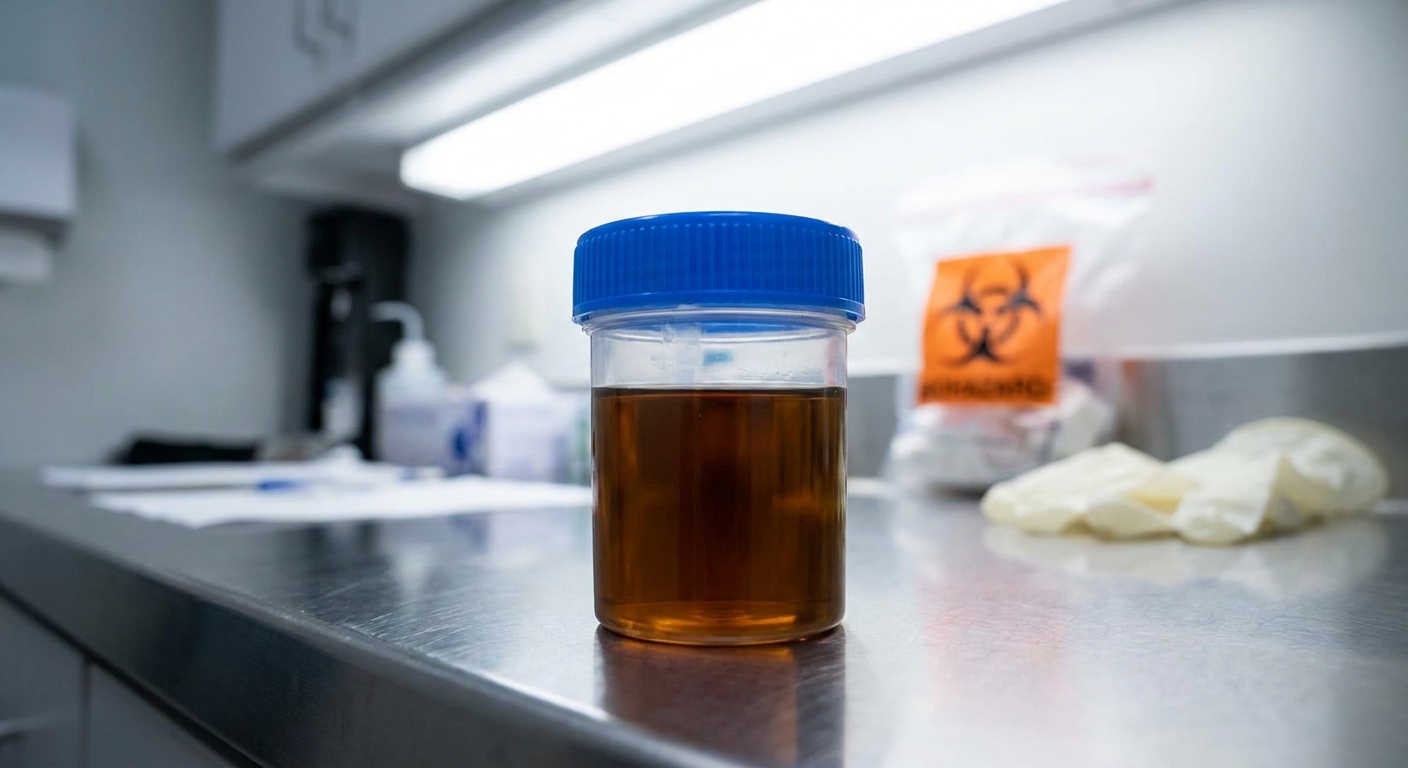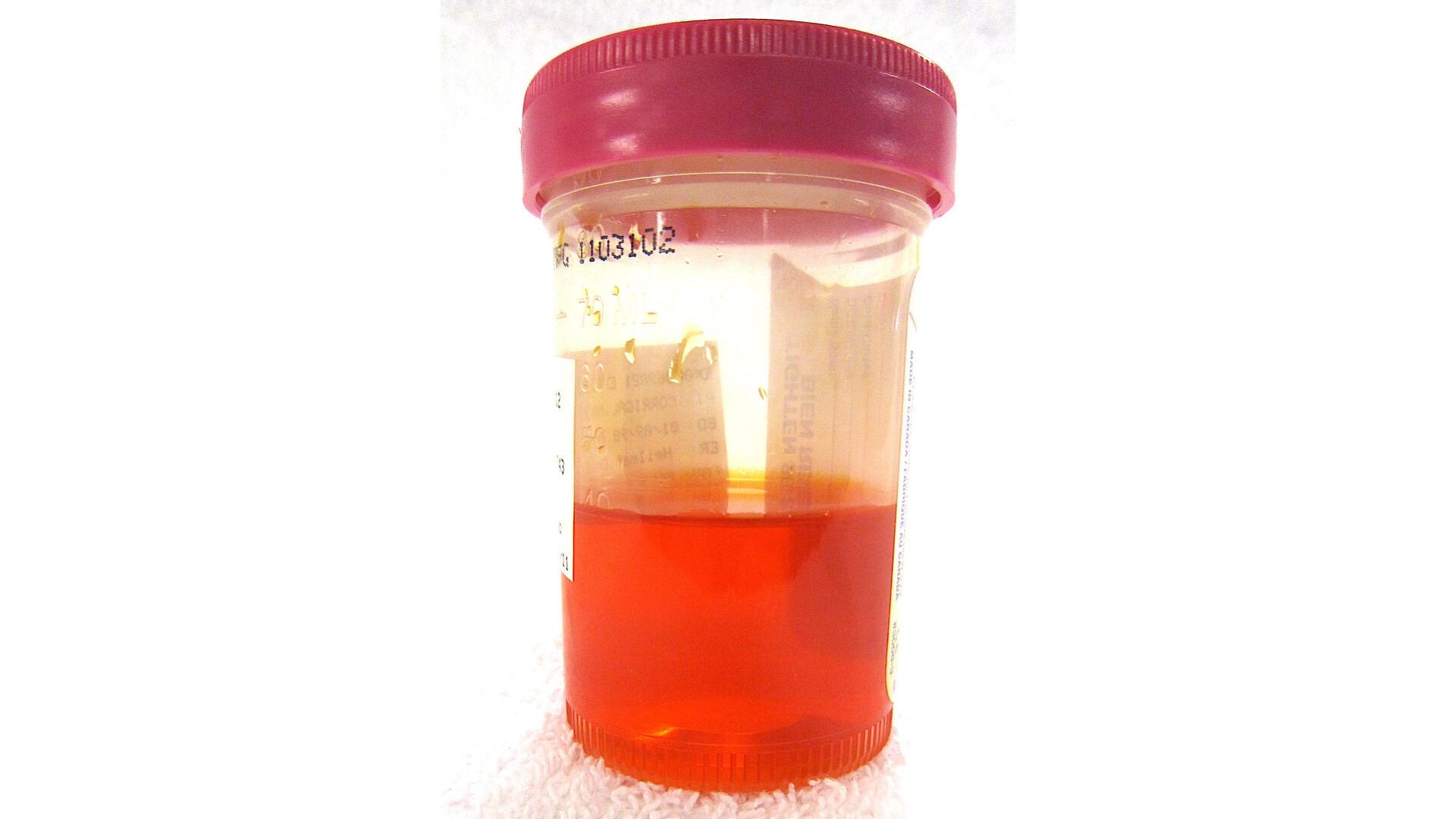
Seeing brown or tea-colored urine can be startling. In clinic, I remind patients of two things: urine color is influenced by what your body is filtering out, and the timing and symptoms around a color change matter as much as the color itself. Sometimes it is as simple as very concentrated urine. Other times, brown urine can be a clue that you need same-day medical evaluation, especially if it comes with fever, muscle pain, or signs of jaundice.
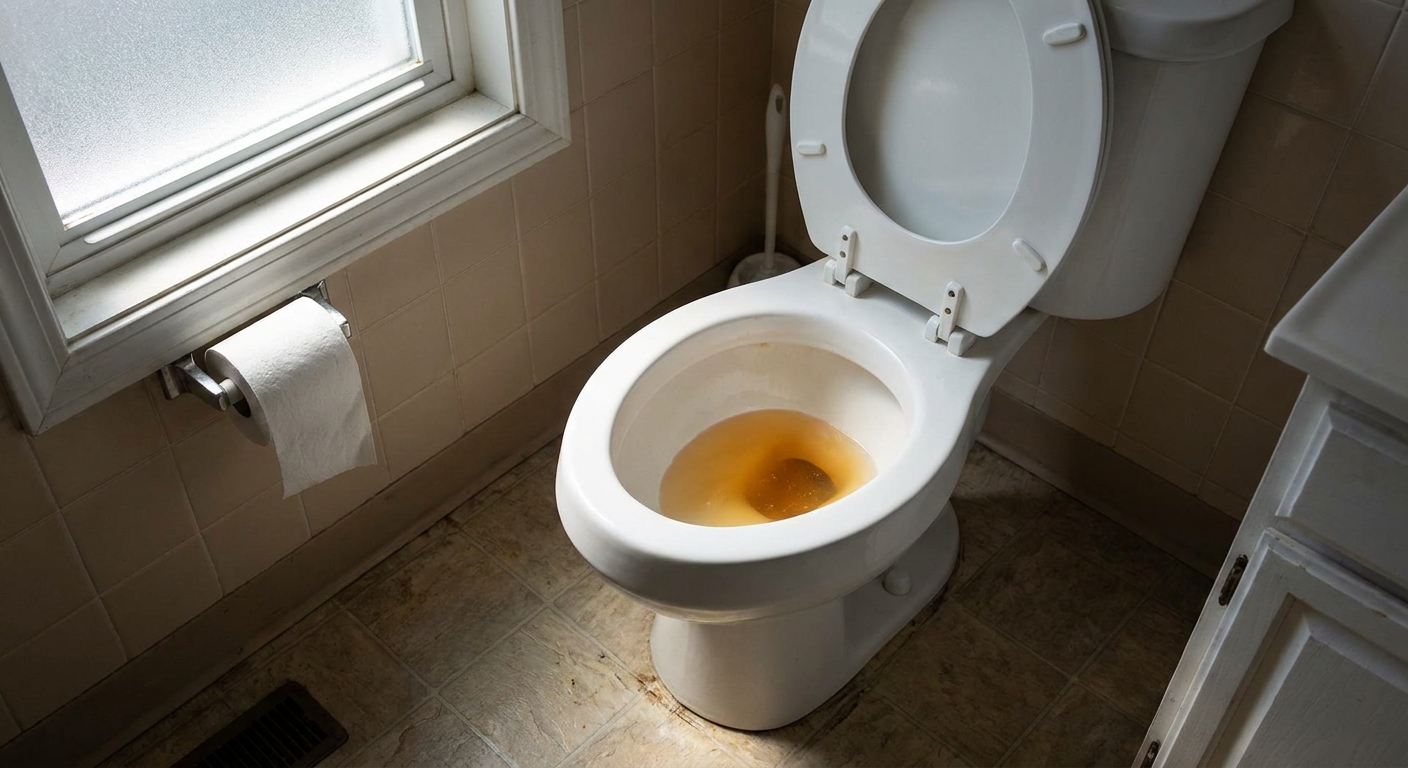
What counts as brown urine?
People describe it in a few ways:
- Tea-colored or cola-colored
- Dark amber that looks much deeper than usual
- Brownish-red, sometimes mistaken for blood
A helpful check at home is to urinate into a clean, clear cup and look at the color in good light. Toilet bowl water and bathroom lighting can distort how the color looks, sometimes making it seem lighter, darker, or just different.
Common causes of brown urine
1) Very concentrated urine (dehydration)
The most common, least scary explanation is not enough fluid intake or increased fluid loss. When you are dehydrated, your kidneys conserve water and your urine becomes more concentrated with pigments like urochrome, turning it darker.
Clues it may be dehydration:
- Urine gets lighter after drinking water over a few hours
- Dry mouth, thirst, headache, dizziness
- Recent vomiting, diarrhea, sweating, or long exercise
What to do: Sip water steadily. If you have been sweating heavily, an oral rehydration solution or electrolyte drink can help, especially if you also have diarrhea. If you cannot keep fluids down, you may need urgent care.
2) Medication-related color changes
Several medications can sometimes make urine look darker because of how they are metabolized and excreted. This can be harmless, but you should still confirm the change is expected for your specific situation, especially if it is new or accompanied by other symptoms.
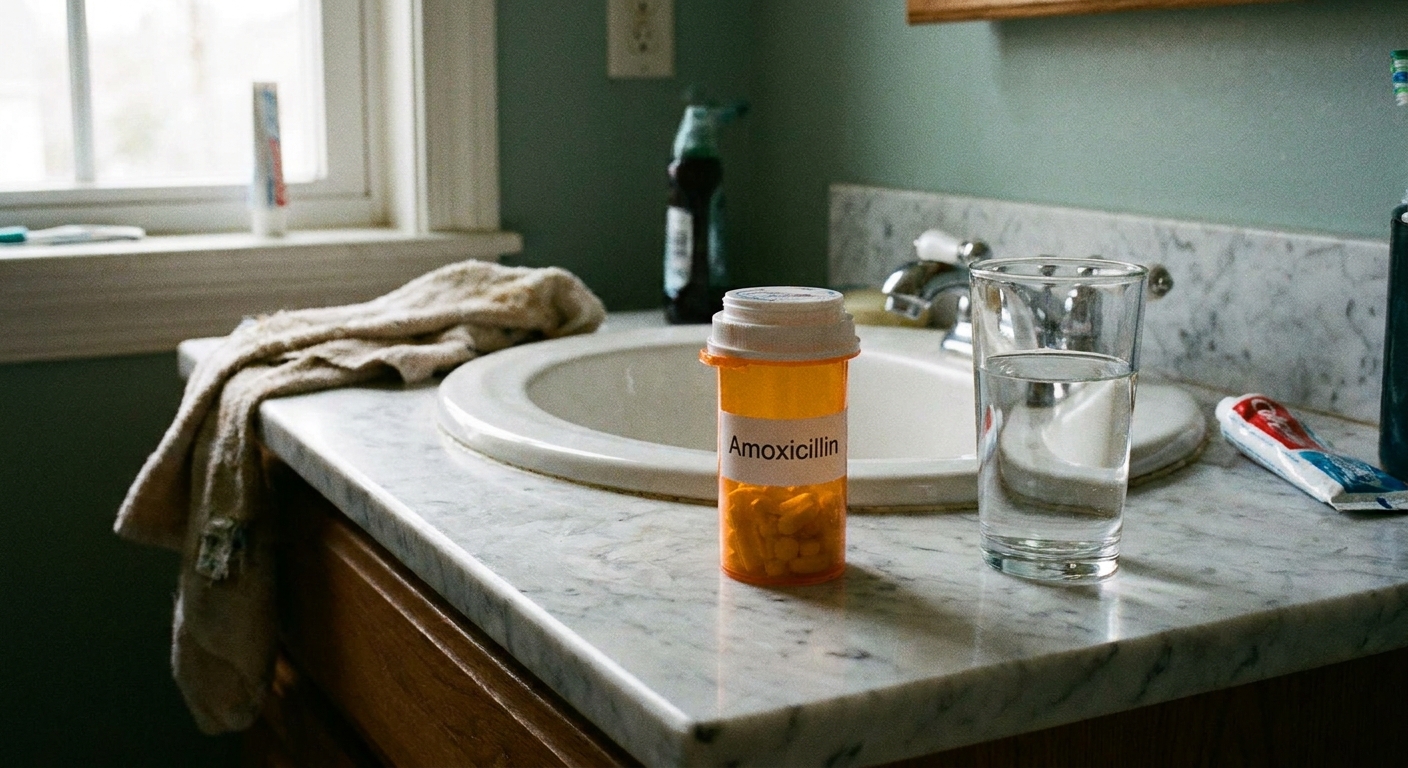
Medicines that can darken urine include:
- Metronidazole (an antibiotic used for certain bacterial and parasitic infections)
- Nitrofurantoin (commonly used for urinary tract infections)
- Levodopa (used in Parkinson’s disease, often paired with carbidopa)
- Senna (a stimulant laxative)
Other meds and supplements can change urine color in different ways. For example, phenazopyridine (a urinary pain reliever) often turns urine orange, and rifampin can turn urine orange-red. The exact shade and how often it happens varies by person and dose.
Important safety note: A medication can change urine color and also cause side effects that need attention. Call your prescriber promptly if you have rash, swelling, trouble breathing, severe abdominal pain, persistent vomiting, or if you feel very unwell.
3) Muscle injury (rhabdomyolysis and myoglobin)
One of the most important causes to recognize is urine that turns brown because of myoglobin, a protein released when muscle breaks down. This can happen with severe overexertion, crush injuries, prolonged immobilization, heat illness, certain drugs and toxins, or complications from illness.
Myoglobin can injure the kidneys. That is why dark urine after intense exercise or muscle trauma is not something to ignore.
Clues that muscle injury may be involved:
- Muscle pain, swelling, or unusual tenderness
- Weakness or difficulty moving a limb
- Dark urine with low urine output
- Recent extreme workout, heat exposure, accident, or prolonged pressure on a muscle group
4) Liver or bile-related problems
Another big category is bilirubin in the urine. Bilirubin is a pigment associated with red blood cell breakdown and liver processing. If bile flow is blocked or the liver is inflamed or injured, urine can darken.
Clues this may be liver or bile related:
- Jaundice (yellowing of the skin or eyes)
- Pale or clay-colored stools
- Itching without a clear rash
- Right upper abdominal pain, nausea, poor appetite
5) Blood in urine (sometimes brown)
Blood in the urine is not always bright red. Depending on where the bleeding comes from and how long the blood sits in the bladder, urine can look pink, red, smoky, or even cola-colored. This is one reason persistent brown urine should not be brushed off.
Common causes include:
- Kidney stones (often with crampy flank pain that may radiate to the groin)
- Urinary tract infections (especially if there is bleeding or the infection involves the kidneys)
- Glomerulonephritis (kidney inflammation that can cause cola-colored urine)
- Bladder or kidney tumors (more concerning when bleeding is painless, especially in older adults or smokers)
6) Hemolysis (hemoglobin in urine)
More rarely, urine can darken when red blood cells break down quickly, releasing hemoglobin. This can happen in some blood disorders, severe infections, medication reactions, or other medical conditions.
Clues can include: unusual fatigue, shortness of breath, paleness, yellowing of the eyes or skin, and dark urine that does not improve with hydration.
7) Foods and supplements
Foods and supplements are more likely to cause red, orange, or neon yellow urine than true brown, but they can still make urine look darker than usual in some people. If the color change is clearly tied to a new food, supplement, or vitamin and you feel well, hydration and observation is reasonable. If it persists, recurs, or comes with symptoms, get checked.
When to get same-day care
Please seek same-day care (urgent care or your clinician’s office, and the emergency department if symptoms are severe) if dark brown or tea-colored urine occurs with any of the following:
- Very low urine output, inability to urinate, or you are getting dizzy or faint
- New confusion, severe weakness, or severe headache
- Fever, chills, or you feel acutely ill
- Muscle pain, significant weakness, swelling, or recent extreme exertion or heat exposure
- Jaundice (yellow eyes or skin)
- Pale stools (gray, white, or clay-colored)
- Severe back or flank pain, especially if persistent
- Blood clots in urine
If you have known kidney disease, liver disease, sickle cell disease, or you are pregnant, a sudden urine color change is worth a prompt call to your clinician even if symptoms feel mild.
Also call for advice if the dark color lasts more than 24 hours despite good hydration, or if it keeps coming back.
If you recently started a new medication
If you are taking metronidazole, nitrofurantoin, levodopa, or senna, and your urine turned darker:
- Do not stop a prescribed antibiotic on your own without guidance. Stopping early can worsen infection or increase resistance.
- Check timing. Did the color change begin soon after starting the medicine or after a dose increase?
- Look for red flags. Fever, muscle pain, jaundice, pale stools, severe weakness, or low urine output are not explained by a simple medication color change.
- Call and ask. A quick message to your pharmacist or prescriber can confirm whether the color change is expected and whether you need testing.
What you can do at home now
Step 1: Hydrate and recheck
If you feel well otherwise, try drinking water and recheck urine color over the next several voids. Urine that lightens to pale yellow is reassuring.
Step 2: Review recent changes
- New medications, supplements, or laxatives
- Recent strenuous workout, heat exposure, or muscle injury
- Recent vomiting, diarrhea, or poor fluid intake
- Any yellowing of eyes or skin, or pale stools
- Any burning with urination, urgency, or flank pain
Step 3: Document what matters
If you contact a clinician, it helps to share:
- When the color change started
- Any pain (where and how severe)
- Fever and highest temperature
- Medication list including over-the-counter products
- How much you are urinating and whether it burns

FAQs
Can dehydration alone make urine look brown?
Yes. When urine is very concentrated, it can look dark amber or tea-colored. The key is that it should improve with hydration. If it does not, or if you have other symptoms, get checked.
Is brown urine the same as blood in urine?
Not always. Blood in urine can look pink or bright red, but it can also look smoky or cola-colored. And some causes of brown urine are not bleeding at all. Muscle breakdown (myoglobin) and bilirubin can darken urine without typical bleeding. Either way, persistent dark urine should be evaluated.
What if the urine is brown and foamy?
Foamy urine can sometimes happen from urine hitting the toilet water fast, but persistent foaminess can be a sign of protein in the urine. Dark urine plus ongoing foaminess is worth medical evaluation, especially if you also notice swelling in the legs or around the eyes.
Can a UTI cause brown urine?
It can. UTIs more often cause burning, urgency, frequency, pelvic discomfort, and urine that looks cloudy or pink-red. But infection-related bleeding can sometimes make urine look darker, and a kidney infection can make you feel systemically ill. If you have fever, back pain, vomiting, or feel unwell, seek prompt care.
The bottom line
Brown or tea-colored urine is commonly caused by concentrated urine from dehydration or a medication-related color change. But it can also be a warning sign of muscle injury, liver and bile problems, or blood in the urine from causes like stones, infection, kidney inflammation, or, less commonly, a tumor.
If dark urine is paired with fever, muscle pain, jaundice, pale stools, severe weakness, or low urine output, please get same-day medical care. In many cases, a straightforward evaluation with a urinalysis plus basic bloodwork such as kidney tests, liver enzymes and bilirubin, and sometimes a creatine kinase (CK) level can quickly point your care team in the right direction.