
Preventive care is not about hunting for problems. It is about stacking the odds in your favor, year after year, so small issues get handled early and big issues are less likely to take root.
As a family nurse practitioner, I also know this can feel confusing fast. Recommendations change. Friends get different advice. Insurance rules vary. So I built this decade-by-decade checklist to help you walk into your next visit knowing what to ask for, what to expect, and what is truly worth your time.
One billing heads-up: a preventive (wellness) visit is meant for screening and prevention planning. If you also need several problem-focused concerns addressed that day, your visit may include a separate evaluation that can be billed differently. It is always okay to ask your clinic how they handle this so there are no surprises.

Quick note: These are general U.S. guideline ranges for average-risk adults. Your personal plan may start earlier or happen more often if you have symptoms, a strong family history, pregnancy, chronic conditions, certain medications, or higher-risk exposures.
Your baseline at any age
Even when you feel great, a consistent baseline visit can catch changes you would never notice on your own, like rising blood pressure or blood sugar creeping up.
Plan on these regularly
- Blood pressure: Checked at routine visits. Many adults get this at least yearly. If your readings are consistently normal and you are low risk, some guidelines allow longer intervals (about every 3 to 5 years). If it is elevated or you have risk factors, check it more often.
- Weight trends and waist changes: Not for judgment. Rapid changes can signal thyroid issues, sleep problems, mood concerns, medication side effects, and more.
- Depression and anxiety screening: Mental health is health. If your sleep, appetite, energy, or joy has shifted, mention it.
- Substance use check-in: Alcohol, nicotine, vaping, opioids, and other substances. The goal is support, not shame.
- Sexual and reproductive health: Contraception, libido, pain, erections, menopause symptoms, STI prevention, and fertility questions are all fair game.
- Lifestyle support: Sleep, movement, nutrition, stress, and blood pressure friendly habits. Small, realistic changes beat perfect plans.
- Vaccines review: You may need updates even if you “got everything as a kid.”
- Skin self-check habits: Monthly self-checks for changing moles. Full-body skin exams may be recommended if you have higher risk.
- Dental and vision: Dental cleanings usually every 6 months to 1 year. Vision exams typically every 1 to 2 years, sooner if you have symptoms or diabetes.
Common labs and one-time screenings
Not everyone needs bloodwork every year, especially in their 20s. But many clinicians will recommend periodic checks based on your history.
- Cholesterol (lipid panel): Often checked at least once in early adulthood, then repeated at a common interval like every 4 to 6 years if risk is low and results are normal. If risk is higher, it may be done more often.
- Blood sugar (A1C or fasting glucose): USPSTF recommends screening adults ages 35 to 70 who have overweight or obesity, and earlier if additional risk factors are present (like a history of gestational diabetes, strong family history, or certain ethnic backgrounds).
- Kidney and liver function: Often tied to medication use, high blood pressure, diabetes, or other conditions.
- STI testing: Based on sexual activity and risk, not age alone.
- HIV screening: Recommended at least once for most adults (commonly ages 15 to 65), and more often based on risk.
- Hepatitis C screening: A one-time test is recommended for most adults ages 18 to 79, with repeat testing for ongoing risk.
- Immunity gaps: If you are unsure about MMR or varicella (chickenpox) immunity, were born outside the U.S., or lack vaccine records, ask if you should be tested or vaccinated.
In your 20s
Your 20s are an ideal time to build a preventive care rhythm. Many serious conditions are still uncommon, so the focus is on risk reduction, vaccines, mental health, and reproductive planning.

Key screenings and checks
- Blood pressure: At routine visits, and at least yearly for many adults.
- Cholesterol: A baseline check is common in this decade, then repeat based on results and overall risk.
- STI screening: Chlamydia and gonorrhea screening is recommended for sexually active women age 24 and under, and for others based on risk. HIV testing at least once, and more often based on risk.
- Cervical cancer screening: Start at age 21. Most people age 21 to 29 get a Pap test every 3 years if results are normal.
- Testicular awareness: No routine screening test is recommended for average-risk people, but bring up lumps, pain, swelling, or heaviness promptly.
- Vaccines: HPV series if not completed. Tdap booster every 10 years. Annual flu. COVID boosters per current guidance. Catch up on MMR and varicella if you are not immune.
- Hepatitis C: If you have never been tested, ask about the one-time screen (recommended for most adults 18 to 79).
What to ask your clinician
- “Based on my family history, do I need to start any screening earlier?”
- “Do my periods, headaches, gut symptoms, or fatigue suggest anything we should evaluate?”
- “What is the best birth control option for my goals and my health history?”
In your 30s
In your 30s, the big wins come from catching early cardiometabolic risk, protecting sleep and mental health, and getting serious about long-term habits you can actually maintain.
Key screenings and checks
- Blood pressure: At routine visits, and more often if elevated.
- Cholesterol: Repeat based on your baseline and risk.
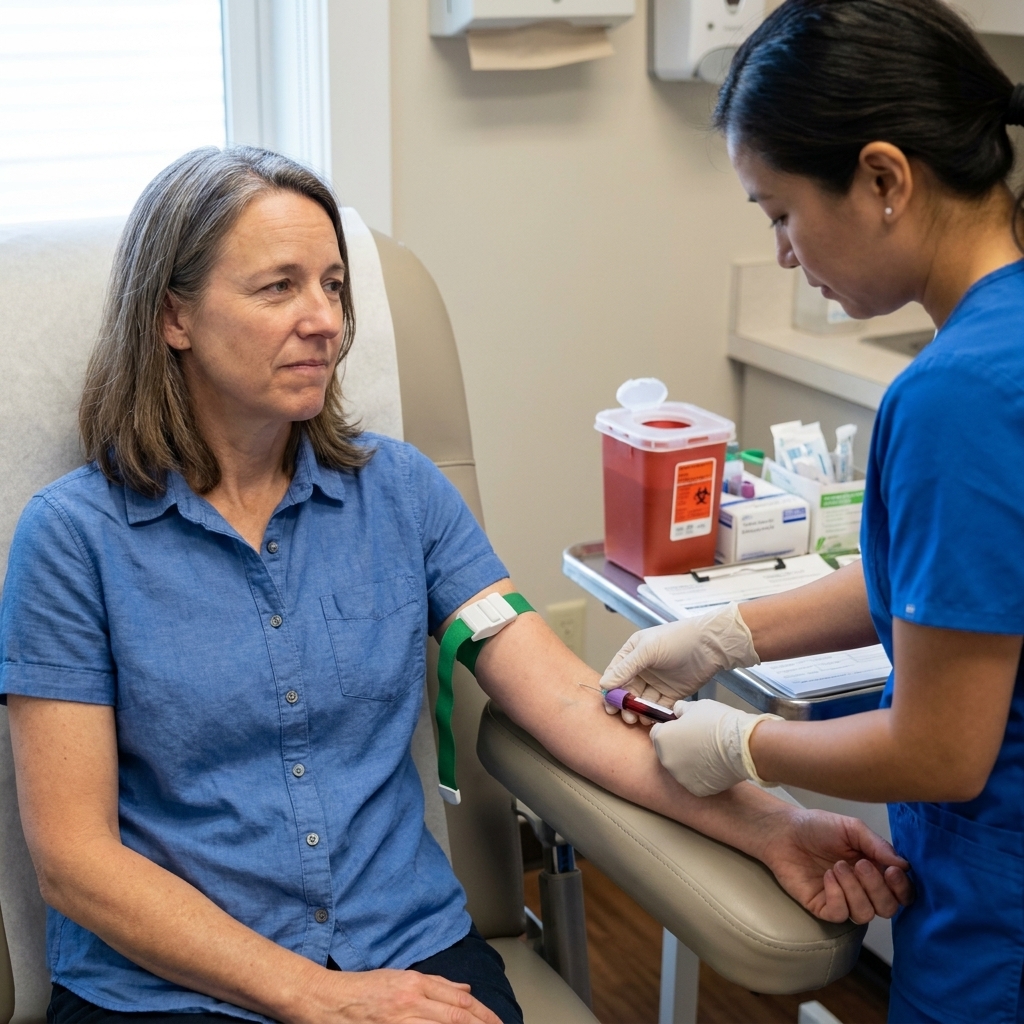
- Type 2 diabetes screening: USPSTF recommends screening ages 35 to 70 for adults with overweight or obesity. Screening may start earlier if additional risk factors are present.
- Cervical cancer screening: Age 30 to 65 options commonly include Pap every 3 years, high-risk HPV test every 5 years, or co-testing every 5 years, depending on your clinician and local guidance.
- STI and HIV screening: Based on risk and life changes (new partners, pregnancy planning).
- Vaccines: Keep annual flu and recommended boosters current. Consider hepatitis B vaccination if not previously immunized, especially if you have risk factors. Catch up on MMR or varicella if needed.
- Hepatitis C: If you have not had the one-time screening yet, this decade is a common time to do it.
Pregnancy planning and postpartum care
If pregnancy is on your horizon, talk about prenatal vitamins (including folic acid), medication safety, genetic carrier screening options, and optimizing conditions like thyroid disease, high blood pressure, or diabetes beforehand. If you have had pregnancy complications like preeclampsia or gestational diabetes, ask about your long-term heart and diabetes screening plan.
In your 40s
Your 40s are often when silent risks become louder on paper. This is also the decade when cancer screening conversations typically expand.
Key screenings and checks
- Blood pressure and weight trends: At routine visits, and more often if readings shift.
- Cholesterol and diabetes screening: Often more regular now, especially if you have any risk factors.
- ASCVD risk conversation: Many clinicians use a 10-year cardiovascular risk calculator in this decade to guide decisions about lifestyle changes and medications (like statins) when appropriate.
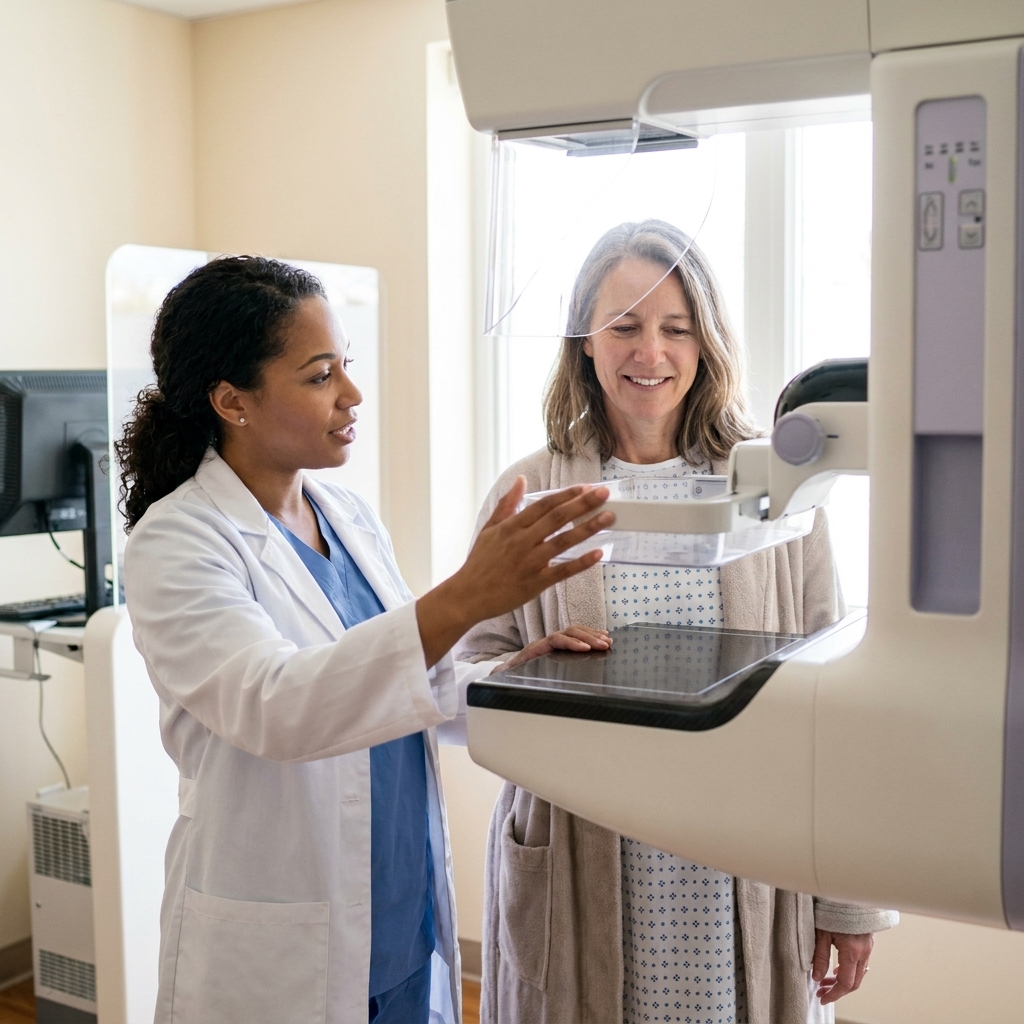
- Breast cancer screening: Many organizations recommend starting screening mammograms at age 40, with frequency (yearly versus every 2 years) tailored to risk and preferences. If you have a strong family history or known genetic risk, you may need earlier imaging and possibly MRI.
- Cervical cancer screening: Continue per schedule if results are normal.
- Colon cancer screening: For average risk, many guidelines recommend starting at age 45. Options include stool-based tests and colonoscopy. The best test is the one you will complete.
- Eye health: A baseline comprehensive eye exam is often recommended in this decade, sooner if you have diabetes, high blood pressure, or vision changes.
Perimenopause
Hot flashes, sleep disruption, mood shifts, heavier or irregular periods, and vaginal dryness are common, but you still deserve real evaluation and relief. If symptoms are affecting your life, bring them up. You do not need to push through quietly.
In your 50s
This is a high-impact decade for prevention. Colon cancer screening becomes routine, vaccine needs shift, and bone health comes into sharper focus.

Key screenings and checks
- Colon cancer screening: Continue on schedule based on the test you choose and your results.
- Breast cancer screening: Continue mammograms at the interval you and your clinician decide based on risk.
- Cervical cancer screening: Continue through age 65 if you have a cervix, unless your clinician advises otherwise based on past results.
- Diabetes and cholesterol: Regular intervals, often every 1 to 3 years depending on results and risk.
- Bone health: Many women start routine osteoporosis screening at age 65, but earlier screening may be recommended if you are postmenopausal with risk factors (prior fracture, long-term steroid use, low body weight, smoking, certain conditions). Men with risk factors may also need earlier evaluation.
- Vaccines: Shingles vaccine is typically recommended starting at age 50. Stay current with flu, COVID boosters, and Tdap. Pneumococcal vaccination timing depends on age and medical conditions, so ask directly.
Prostate and lung screening
- Prostate cancer: PSA blood testing is not one-size-fits-all. Many guidelines suggest shared decision-making starting around age 50 for average risk and earlier for higher risk, including Black men and those with a strong family history.
- Lung cancer: Annual low-dose CT screening may be recommended for adults ages 50 to 80 with a 20 pack-year or more smoking history who currently smoke or quit within the past 15 years. If you think you might qualify, it is worth a proactive ask.
In your 60s
In your 60s, the goal is to protect function and independence while continuing cancer and cardiovascular prevention. Small changes in balance, hearing, and strength can make a big difference over time.
Key screenings and checks
- Colon cancer screening: Continue through at least age 75 for many people, then individualize based on health status and prior results.
- Breast cancer screening: Continue based on your overall health and preferences.
- Diabetes, cholesterol, blood pressure: Continue monitoring and treatment optimization.
- Osteoporosis screening: Bone density testing (DXA) is commonly recommended starting at 65 for women, and for men at older ages or earlier with risk factors.
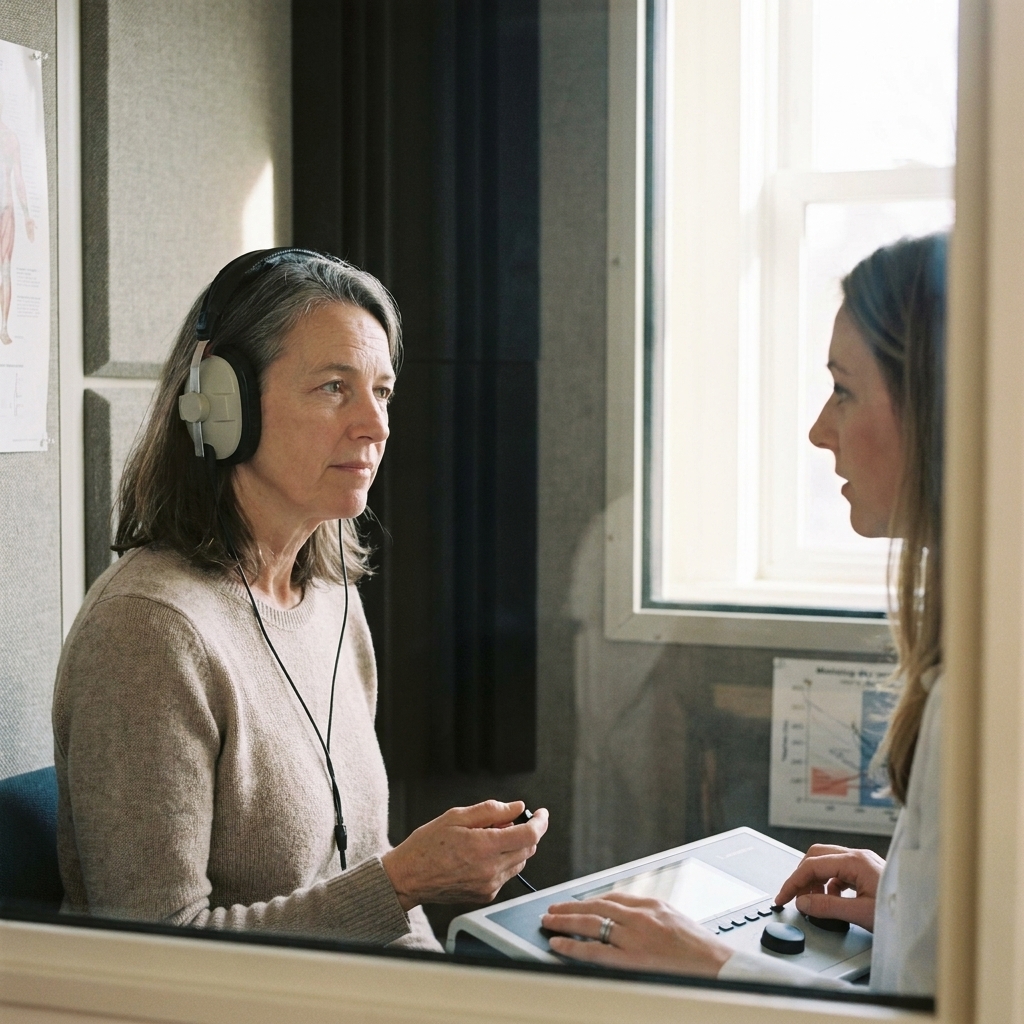
- Hearing and vision: Hearing loss is common and treatable. Ask for screening if you notice difficulty in conversations, needing higher TV volume, or tinnitus.
- Vaccines: Pneumococcal vaccines are commonly recommended at older ages, plus annual flu and any indicated boosters. Ask about the RSV vaccine if you are age-eligible or have higher-risk conditions.
- Fall risk and medication review: A yearly medication brown bag review can prevent side effects and interactions, especially if multiple prescribers are involved.
70s and beyond
Screening still matters, but it becomes more personalized. The best preventive plan is the one that supports your goals, whether that is traveling, caring for grandkids, staying active, or simply feeling comfortable and steady day to day.

Key screenings and checks
- Colon cancer screening: Often individualized after age 75, factoring in prior results, overall health, and preferences.
- Breast cancer screening: Discuss ongoing mammography based on health status and life expectancy.
- Bone health: Repeat bone density testing based on prior results and treatment plan.
- Cognitive and mood check: Memory concerns, depression, and anxiety deserve evaluation and support at any age.
- Hearing, vision, balance: These are key independence screenings. Treating hearing loss alone can improve quality of life and social connection.
- Vaccines: Keep up with annual flu and other indicated vaccines, including RSV and pneumococcal when appropriate.
When screening may stop
This can be an emotional conversation. Stopping a screening is not giving up. Sometimes it is smart medicine, especially when the chance of benefit is low and the risk of harm from follow-up testing is higher. Your clinician can help you weigh the tradeoffs with your values front and center.
Special situations
Guidelines are built for the average-risk person. Many people are not average risk, and that is okay. It just means your timeline may shift.
- Family history: Colon, breast, ovarian, prostate, melanoma, or early heart disease in close relatives can change your start age and frequency.
- Genetic risk: Known mutations (like BRCA) require a different screening plan.
- Smoking history: May qualify you for lung cancer screening and changes vaccine recommendations.
- Chronic conditions: Diabetes, high blood pressure, kidney disease, autoimmune conditions, and HIV often require more frequent monitoring.
- Long-term medications: Steroids, certain psychiatric meds, and others can affect bone density, weight, blood sugar, and cholesterol.
- History of abnormal tests: Prior abnormal Pap or HPV results, colon polyps, or biopsies usually change the follow-up interval.
Prep for your annual visit
You will get more out of preventive care if you walk in with a short plan.
Bring this mini checklist
- A list of medications and supplements (or the bottles)
- Your family history updates (new cancers, heart attacks, strokes, ages at diagnosis if known)
- Any home readings (blood pressure, blood sugar) and your typical sleep schedule
- Your top 3 concerns, written down
Ask these questions
- “Which screenings am I due for this year?”
- “What am I at higher risk for, and what can we do about it?”
- “What one change would make the biggest difference for me in the next 6 months?”
FAQ
Do I really need an annual physical every single year?
Many people benefit from a yearly check-in, especially if you have any chronic condition, take regular medications, or have mental health concerns. If you are healthy and in your 20s, you might not need extensive labs yearly, but periodic preventive visits still help keep vaccines, screening schedules, and risk factors on track.
What if I cannot afford all these tests?
Tell your clinician up front. We can usually prioritize the highest-impact screening for your age and risk, and choose lower-cost options when appropriate (for example, stool-based colon cancer tests for some people). Also ask what preventive services your insurance covers at no cost, since coverage rules often differ for screening versus diagnostic testing.
What is the difference between a screening test and a diagnostic test?
Screening is for people without symptoms to find disease early. Diagnostic testing is done because you have symptoms or an abnormal screening result. This distinction matters for both medical decision-making and insurance billing.
If I feel fine, can I skip cancer screening?
Many cancers are symptom-free early on, which is exactly why screening exists. The right test at the right time can catch issues when they are easiest to treat. If you are nervous, start with a conversation. You deserve a plan that feels doable, not scary.
A gentle next step
If you are overdue, you do not have to fix it all at once. Pick one appointment to schedule this week. For many adults, that is either a primary care visit to review your personal checklist, a mammogram, a Pap or HPV test, or a colon cancer screening plan.
Preventive care works best when it is steady, not perfect. I am rooting for the version of you who keeps showing up.