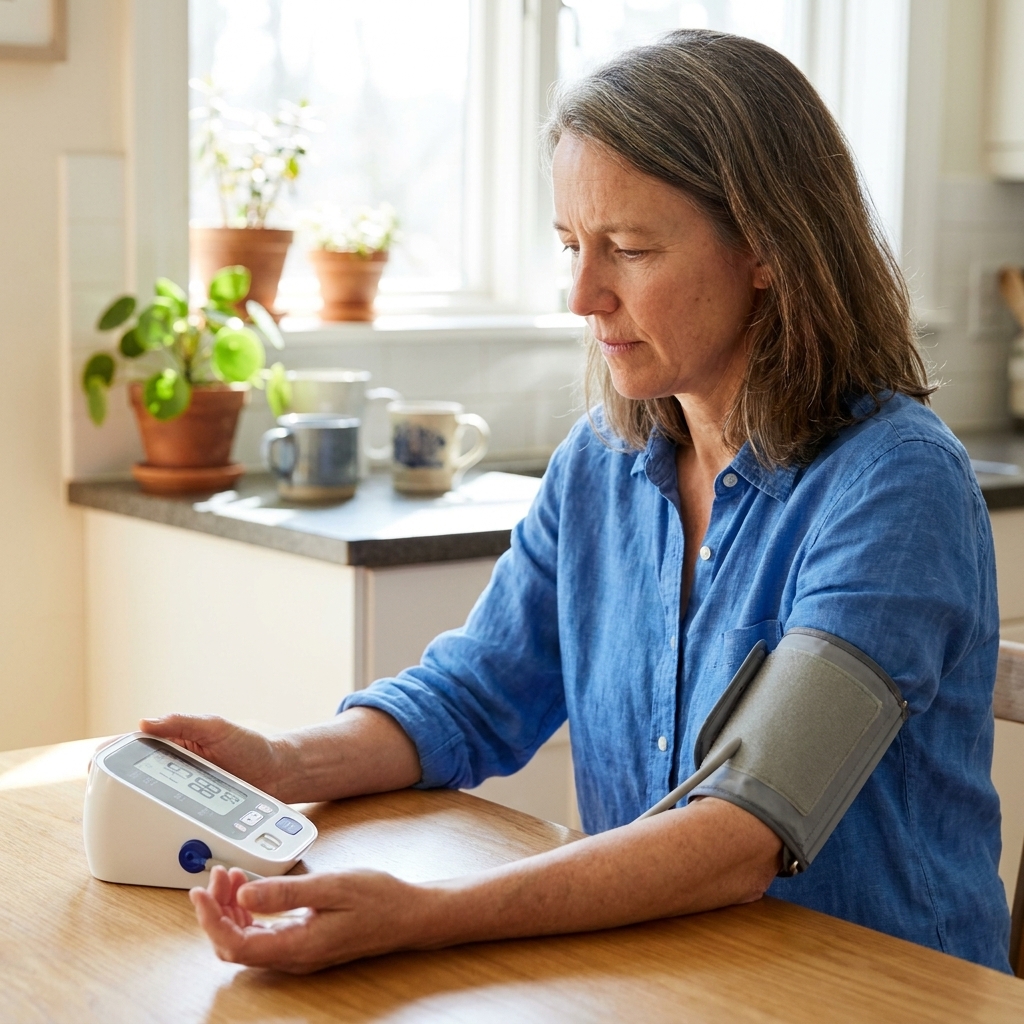
If you have ever wondered whether you should spend your limited exercise time on cardio or strength training, you are asking the right question. Longevity is not just about living longer. It is about staying capable, steady on your feet, metabolically healthy, and resilient through illness, stress, and aging.
As a family nurse practitioner, I rarely see a single modality that “wins” in real life. The people who thrive long-term usually combine both, because cardio and strength protect you through different biological pathways. The best plan is the one you can sustain, recover from, and progress with over years.
Note: This article is for general education, not personal medical advice. If you have medical conditions or take medications that affect exercise tolerance, check in with your clinician for individualized guidance.

The short answer
When researchers look at large populations, both aerobic activity and strength training are associated with lower risk of early death. Cardio tends to show a strong link to cardiovascular protection, while strength training stands out for preserving muscle and function, which becomes increasingly critical with age.
If your goal is to maximize lifespan and healthspan, the most evidence-based approach is:
- Do consistent cardio to support heart, blood vessels, blood pressure, insulin sensitivity, and aerobic capacity.
- Do consistent resistance training to preserve strength, muscle, bone density, mobility, and metabolic reserve.
- Prioritize total weekly movement and progressive overload more than perfection.
Think of cardio as protecting your engine and plumbing. Think of strength training as preserving your frame and the ability to do daily life.
What these terms mean
Cardio (aerobic training)
Cardio is activity that raises your heart rate and breathing for a sustained period. Examples include brisk walking, cycling, swimming, jogging, rowing, dancing, and many sports.
It is often described by intensity:
- Moderate: you can talk in short sentences, but you are breathing more noticeably.
- Vigorous: you can only speak a few words at a time.
Strength (resistance training)
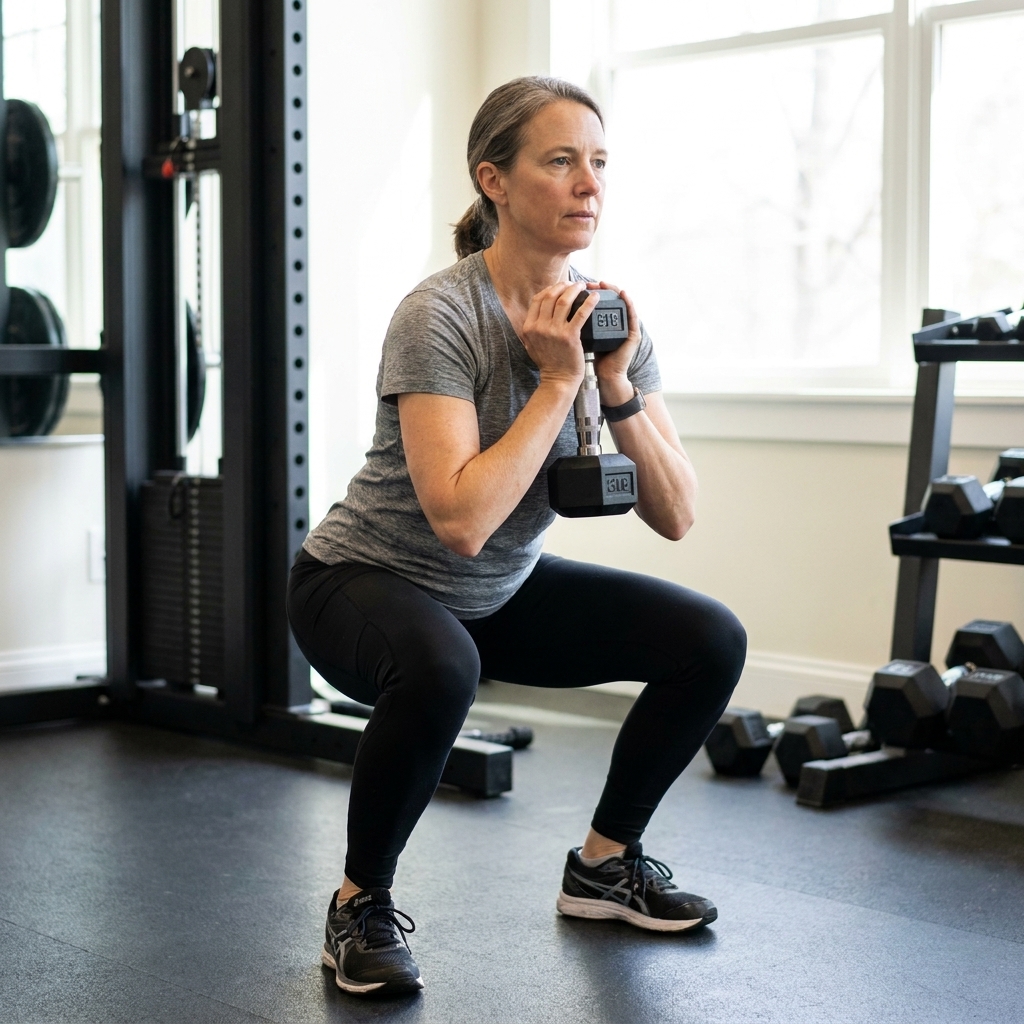
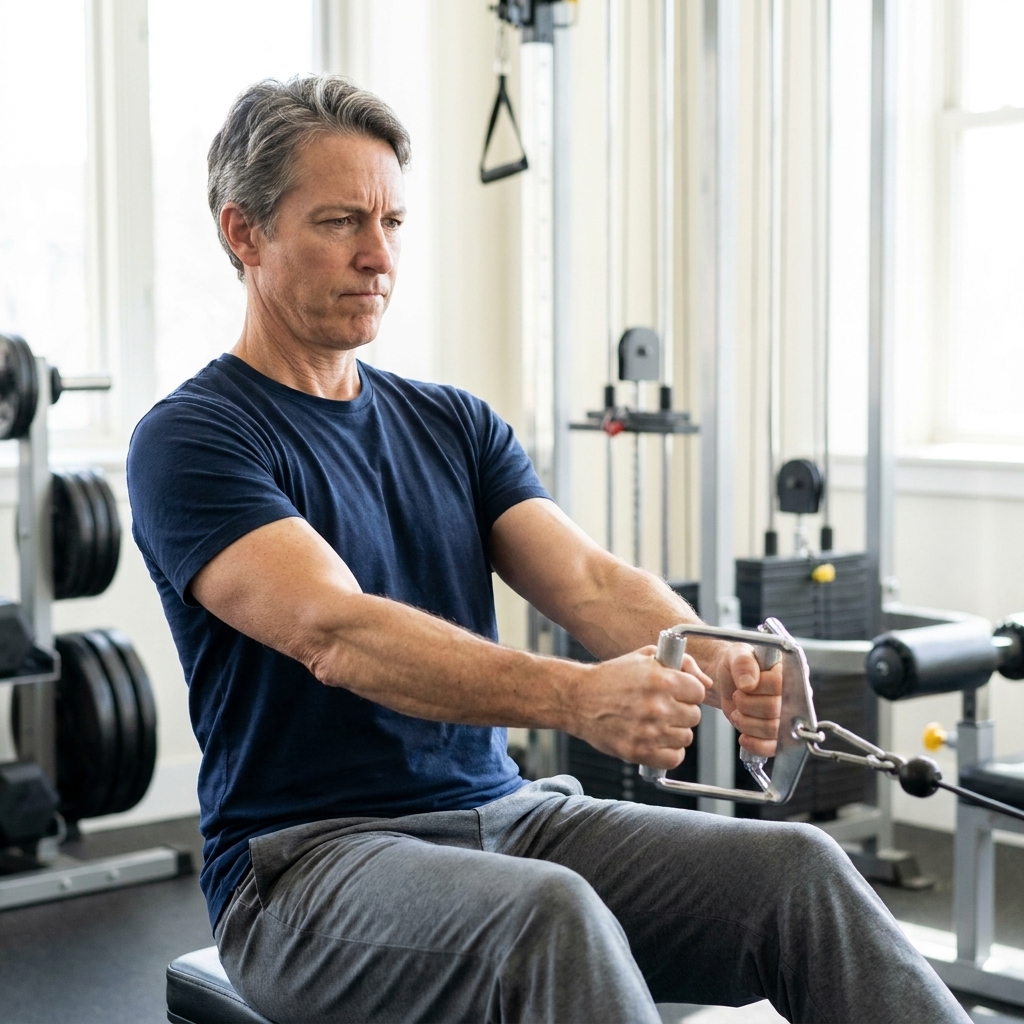
Strength training uses resistance to challenge your muscles. That resistance can be dumbbells, barbells, machines, bands, or your own body weight. Examples include squats, deadlifts, lunges, push-ups, rows, and carrying weights.
You will also hear “anaerobic” used in this context. In reality, strength training can use both aerobic and anaerobic energy systems depending on the set length and rest periods. For longevity, the key is not a single style. It is building and maintaining strength and muscle over time.
How cardio supports longevity
Cardiorespiratory fitness is among the strongest predictors we have for long-term health in observational research, including links to lower mortality risk. Cardio helps your body move oxygen efficiently, which touches nearly every organ system.
Key benefits
- Heart and blood vessel health: improves blood pressure, endothelial function, and lipid profiles.
- Metabolic health: increases insulin sensitivity and helps regulate blood sugar.
- Lower inflammation: regular aerobic activity is linked with healthier inflammatory markers over time.
- Brain support: promotes blood flow to the brain and is associated with better cognitive aging.
- Mood and stress resilience: supports anxiety and depression symptoms for many people, and improves sleep quality.
The VO2 max factor
VO2 max is a measure of how well your body uses oxygen during exercise. You do not need to test it to benefit from improving it. Activities that make you breathe harder, especially intervals, can increase aerobic capacity. A higher aerobic capacity is consistently associated with better long-term outcomes, in part because it reflects cardiovascular reserve.
Practical takeaway: if you can comfortably do only gentle walking, start there. If you already walk, consider adding bouts of faster walking, hills, cycling intervals, or short jog segments to nudge your fitness upward.
How strength supports longevity
Strength training is not just about looking toned. Muscle is a metabolic organ. It is also the foundation for independence. Many adults begin to lose muscle mass and strength in mid-adulthood if they do not actively train, and the decline can accelerate with illness, inactivity, or chronic stress.
Key benefits
- Maintains strength and power: supports climbing stairs, carrying groceries, getting up from the floor, and preventing falls.
- Protects bones: resistance training loads the skeleton and supports bone density, which matters for fracture risk.
- Improves glucose control: regular resistance work helps with insulin sensitivity.
- Supports joint health: stronger muscles stabilize joints and can reduce pain for many people when done with good form and smart progression.
- Builds reserve: during surgery, hospitalization, or aging-related stress, more strength and muscle can support recovery.
Metabolism and weight
Resistance training helps preserve or build lean mass, which supports function and makes weight loss less likely to come from muscle. It can also modestly support resting metabolic rate, mainly when it leads to meaningful increases in lean mass over time.
Which matters most?
If we are being honest, the question is a little like asking whether you should invest in smoke detectors or seat belts. Both prevent different kinds of harm.
Cardio
Heart disease remains a leading cause of death in many countries. Aerobic exercise is a cornerstone of prevention because it directly improves blood pressure, vascular health, and aerobic capacity.
Strength
Muscle and strength protect you against disability, falls, fractures, and the spiral of inactivity that can follow pain or illness. Strength training also supports metabolic health and body composition, which indirectly affects long-term risk.
How to choose your emphasis
- If you have high blood pressure, high LDL cholesterol, prediabetes, or a strong family history of heart disease, lean a bit heavier toward cardio while still strength training.
- If you are over 50, have osteopenia, a history of falls, chronic back or joint pain, or you feel weaker than you used to, prioritize strength training and balance while keeping cardio consistent.
- If you are short on time, you do not need long workouts. You need frequent, repeatable sessions.
How much per week?
Most evidence-based guidelines align around a similar weekly target for adults (see the WHO, CDC, and ACSM physical activity guidelines):
- Cardio: about 150 minutes per week of moderate intensity activity, or 75 minutes per week of vigorous activity, or a mix.
- Strength: 2 or more days per week covering major muscle groups.
You can absolutely exceed these if your body tolerates it, but more is not always better if it increases injury or burnout. Consistency beats intensity that you cannot maintain.
A simple weekly schedule
- Mon: Strength (30 to 45 minutes)
- Tue: Brisk walk or cycling (25 to 35 minutes)
- Wed: Strength (30 to 45 minutes)
- Thu: Moderate cardio (25 to 35 minutes)
- Fri: Balance and mobility (10 to 20 minutes) or easy walk
- Sat: Longer walk, hike, swim, or sport (40 to 60 minutes)
- Sun: Rest or easy movement
If you want one “secret sauce” for longevity, it is this: move most days, lift a couple days, and do at least some sessions that make you breathe hard.
Metabolic health and weight
Both cardio and strength can help with weight management and metabolic health, but they do it differently.
Cardio
Cardio can burn more calories during the session, and it can improve glucose control in many people. For many people with prediabetes or type 2 diabetes, brisk walking after meals can meaningfully improve post-meal glucose and is a practical tool that is often easier to stick with than perfect workouts.
Strength
Strength training helps preserve or build lean mass, which supports function during weight loss. It also improves how your body stores and uses glucose.
What I tell patients
If your goal is fat loss and long-term metabolic health, do not make this an either-or decision. Combine both, and pair it with nutrition fundamentals: adequate protein, fiber-rich foods, and a calorie intake that matches your goals.
HIIT, Zone 2, and walking
HIIT
High-intensity interval training can improve aerobic capacity efficiently. For some people it is a great fit, especially if time is limited. The caution is that HIIT is demanding. If it beats up your joints or leaves you wiped out for days, it is not a longevity tool. It is just stress.
Zone 2
Zone 2 is a conversational, steady pace where you can talk but would rather not sing. It is excellent for building aerobic base, and it tends to be easier to recover from. Many adults do well with a mix of mostly moderate cardio plus a smaller amount of higher-intensity work.
If you take medications that blunt heart rate response (for example, beta-blockers), heart-rate based zones may not match how hard your body is actually working. In that case, use talk test and perceived exertion rather than chasing a number.
Walking
Walking is underrated. It is accessible, joint-friendly, and it counts. If walking is where you start and where you stay, you are still making a meaningful investment in your long-term health.
Balance and mobility
Balance work is often missing and it matters for fall prevention. Mobility keeps your joints moving well enough to train and live comfortably. You do not need a perfect routine. You need a repeatable one.
A 5-minute balance mini-routine
Do this 3 days per week near a counter or sturdy surface:
- Single-leg stand: 20 to 30 seconds per side, 2 rounds
- Heel-to-toe walk: 10 steps forward, 10 steps back
- Controlled step-ups: 8 to 10 per side on a stable step
Mobility minimum
A good target is 5 to 10 minutes most days, especially after walking or lifting. Keep it simple: ankles, hips, thoracic spine, and shoulders. If you feel stiff, you are the person who benefits from doing less variety, more often.
Safety and progression
Longevity training should leave you feeling better overall, not broken down.
General safety tips
- Start below your max: especially for strength training, leave 1 to 3 reps in the tank early on.
- Progress gradually: increase time, distance, or weight in small steps.
- Prioritize form: if you are unsure, consider a session with a qualified trainer or physical therapist.
- Plan recovery: soreness is normal, joint pain is a signal to adjust.
How hard should strength feel?
For most sets, aim for an effort level of about RPE 7 to 9 (you could do about 1 to 3 more reps with good form). That is hard enough to drive progress, without turning every workout into a grind.
Combining cardio and lifting
For longevity, it is fine to do both. If you notice your hard cardio sessions make your heavy leg workouts sloppy, space them out. A simple rule is to keep hard intervals away from heavy leg days when possible, or do intervals on a bike or in a pool to reduce joint stress.
Notes for arthritis and bone health
If you have arthritis, emphasize controlled ranges of motion, hinges, step-ups, carries, and gradual loading. For osteoporosis concerns, avoid aggressive, flexion-loaded spinal moves (especially repeated rounded-back bending under load) and focus on posture, hip hinging, rows, presses, and loaded carries as tolerated. If you have known osteoporosis or a prior fragility fracture, consider a physical therapy consult for a tailored plan.
When to check with a clinician
Talk with your healthcare team before starting vigorous exercise if you have chest pain with exertion, unexplained shortness of breath, fainting, uncontrolled blood pressure, or significant heart, lung, or kidney disease. If you are pregnant, managing diabetes with medication, or recovering from surgery, you may need tailored guidance.
A repeatable routine
Here is a straightforward plan I often recommend as a starting point. Adjust for your baseline, injuries, and preferences.
Two-day strength plan (full body)
Goal: 2 to 3 sets per move, 6 to 12 reps (or 8 to 15 for bodyweight), with 1 to 3 reps in reserve.
- Squat pattern: goblet squat or sit-to-stand
- Hip hinge: Romanian deadlift with light weights or hip bridge
- Push: incline push-ups or chest press
- Pull: row variation
- Carry or core: farmer carry (20 to 40 seconds) or dead bug (8 to 10 per side)
Simple progression: first add reps until you hit the top of the range for all sets, then add a small amount of weight, then repeat.
Cardio plan
- 2 sessions moderate: 25 to 40 minutes brisk walk, cycling, swimming
- 1 shorter push session: 10 to 20 minutes with intervals, like 1 minute faster, 2 minutes easy repeated
- 1 longer easy session: 40 to 60 minutes walking or hiking at a comfortable pace
This is not the only way. It is simply a balanced structure that supports heart, muscle, and recovery.
FAQ
Can strength training replace cardio?
Strength training improves many health markers, but it does not fully replace the cardiovascular benefits of aerobic exercise for most people. If you truly cannot do traditional cardio, discuss options like low-impact cycling, water exercise, or interval walking with your clinician or physical therapist.
Is it okay to do cardio and weights on the same day?
Yes. If time is tight, combining them is often the best choice. For performance goals you might separate them, but for longevity the priority is consistency. If you do both, many people feel best lifting first, then finishing with cardio, but either order can work.
What if I only have 10 to 15 minutes a day?
That can still move the needle. A brisk 10-minute walk after a meal plus two short strength sessions each week is a strong start. Stack small efforts into a week of meaningful volume.
What matters more, steps or workouts?
Both matter. Steps reflect daily movement and help reduce the harms of prolonged sitting. Structured workouts build fitness and strength. If you can only choose one right now, choose the one you will do consistently and then build from there.
The bottom line
If your goal is to maximize lifespan, the most reliable strategy is not choosing cardio or strength training. It is combining them in a way you can sustain.
- Cardio supports your heart, circulation, and aerobic capacity.
- Strength training supports your muscle, bones, and independence.
- Balance and mobility help keep you steady, capable, and training consistently.
If you want a simple place to begin, aim for a brisk walk most days, two full-body strength sessions per week, and a few minutes of balance work three times per week. Then let your routine grow with you.