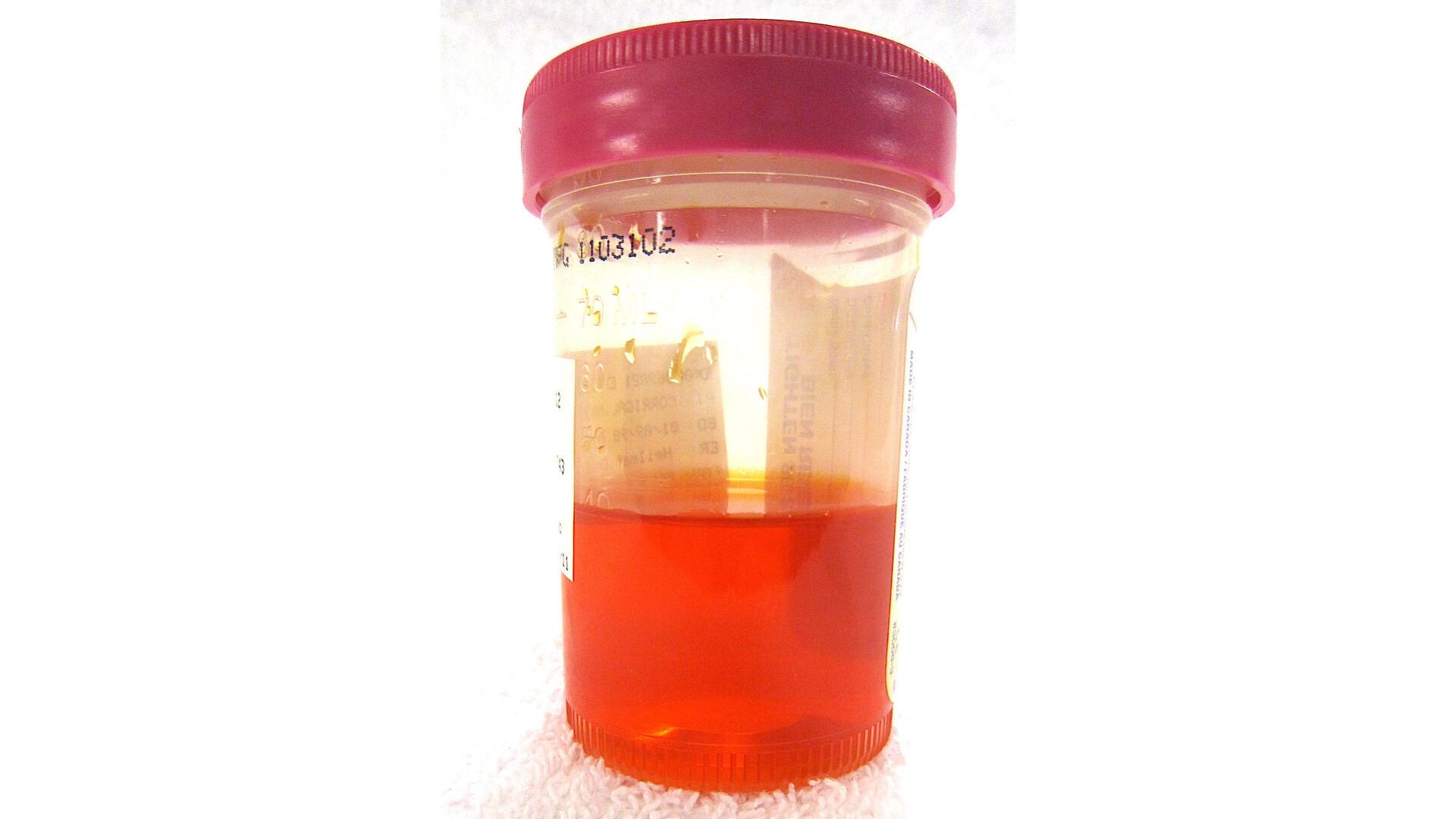
When I worked in a small rural clinic early in my career, one of the most common surprises on routine lab work was this: someone felt totally fine, but their urine test showed “blood.” Not visible blood, just microscopic red blood cells that only show up under a microscope or on a dipstick. If that finding repeats over months or years, it can be unsettling.
One possible explanation is thin basement membrane disease, sometimes called thin basement membrane nephropathy. It is a condition where the kidney’s filtering membrane is unusually thin, allowing small amounts of blood to leak into the urine. The good news is that many people with thin basement membrane disease keep stable kidney function for life.

This article will walk you through what it is, why it runs in families, how it is diagnosed, what typical outcomes look like, and when certain extra symptoms should widen the evaluation for more progressive inherited kidney diseases.
What it is
Your kidneys filter your blood through millions of tiny filtering units called glomeruli. Each glomerulus has a specialized filter wall that helps keep blood cells and most proteins inside the bloodstream while letting waste and extra fluid pass into urine.
That filter includes a layer called the glomerular basement membrane. In thin basement membrane disease, this basement membrane is thinner than usual. A thinner filter can allow red blood cells to slip through, leading to microscopic hematuria (microscopic blood in the urine).
Importantly, this condition often causes persistent hematuria, meaning it can show up repeatedly over time, even when you feel well.
Other causes of microscopic hematuria
Microscopic hematuria is a finding, not a diagnosis. Depending on your age, symptoms, and risk factors, your clinician may also consider:
- Urinary tract infection
- Kidney stones
- Exercise-related hematuria (usually resolves)
- Benign prostate enlargement in men
- Menstrual or gynecologic contamination in women
- Glomerular diseases such as IgA nephropathy
- Urinary tract tumors (risk rises with age, smoking history, and certain exposures)
This is why persistent hematuria deserves a structured evaluation rather than assumptions, even when you feel fine.
Why it happens in families
Thin basement membrane disease frequently runs in families. In many cases, it is related to changes in genes involved in making type IV collagen, an important structural protein in the kidney filter. Variants in genes such as COL4A3 and COL4A4 have been associated with thin basement membrane disease in some families.
Here is the key point for patients: a family pattern of microscopic hematuria can be reassuring in one way, but it also deserves a careful history. Some collagen related kidney conditions are more progressive than thin basement membrane disease, so clinicians pay close attention to red flags in relatives, like kidney failure at a young age or hearing loss.
It is also worth knowing that kidney specialists increasingly view many cases previously labeled thin basement membrane disease as part of a broader COL4A-related spectrum. In other words, some people have a very mild presentation and stay stable, while others have a higher risk of proteinuria and chronic kidney disease over time. That is a big reason I emphasize monitoring instead of labeling it as harmless and forgetting about it.

Symptoms
Many people have no symptoms at all besides microscopic hematuria discovered on testing.
Typical findings
- Microscopic hematuria that persists on repeat tests
- Normal blood pressure in many cases
- Normal kidney function on blood work, especially early and often long term
Possible but less common
- Episodes of visible blood in the urine during illness, after intense exercise, or without a clear trigger
- Mild protein in the urine in some individuals
A quick safety note: recurrent visible blood in the urine, especially if it keeps happening or comes with clots, should prompt evaluation for other causes. Sometimes that is still glomerular, but it can also point to stones, infection, inflammation, or a urologic source.
If you have urinary burning, urgency, fever, flank pain, or foul-smelling urine, that points more toward infection or a stone rather than thin basement membrane disease. Those symptoms deserve prompt evaluation.
How it is diagnosed
Diagnosis usually starts with a pattern: repeated urine tests show blood, but other parts of the workup do not suggest infection, stones, or a structural problem.
Common tests
- Urinalysis with microscopy: confirms red blood cells are present.
- Urine microscopy clues: findings like dysmorphic red blood cells or red blood cell casts suggest the bleeding is coming from the glomerulus (a kidney filter source), not the bladder or ureter.
- Urine protein testing: often a urine albumin-to-creatinine ratio (ACR) or protein-to-creatinine ratio (PCR).
- Blood tests for kidney function: creatinine and estimated glomerular filtration rate (eGFR).
- Blood pressure checks: blood pressure is a marker of kidney stress and, if elevated, a contributor to kidney disease progression.
- Kidney ultrasound: may be done to look for stones, masses, or structural concerns, especially if there is visible blood.
Do you need a kidney biopsy?
Not always. A kidney biopsy can show a thin glomerular basement membrane under electron microscopy, but many people can be managed without a biopsy if the clinical picture is reassuring.
One nuance: a thin basement membrane finding can be nonspecific on its own. Diagnostic confidence usually comes from the full picture, including your history, family history, urine findings, kidney function over time, and sometimes genetic results.
Clinicians are more likely to consider biopsy or genetic testing when there are signs suggesting a higher-risk condition, such as increasing protein in the urine, new high blood pressure, or declining kidney function.
Genetic testing
Genetic testing can sometimes clarify whether a collagen gene variant is present and can help distinguish a stable presentation from a higher-risk COL4A-related condition. It is not required for everyone, but it can be helpful when the diagnosis is uncertain or when family planning and family screening are important.
TBMD vs. Alport
Thin basement membrane disease and Alport syndrome can sound similar because both may involve type IV collagen and both can cause blood in the urine. The difference is the typical trajectory and the likelihood of kidney and non-kidney features.
Thin basement membrane disease (often stable)
- Often causes isolated microscopic hematuria
- Kidney function is often stable
- Many people never develop significant proteinuria or kidney failure
Alport syndrome (more progressive)
- Hematuria plus a higher likelihood of progressive kidney disease
- Can be associated with hearing loss
- May be associated with certain eye changes
Because there is overlap, especially in families with COL4A3 or COL4A4 variants, the safest approach is to treat persistent hematuria as a clue that deserves periodic monitoring and a careful review of any additional symptoms.
When to widen the workup
In clinic, I tell patients that microscopic hematuria can be something you keep an eye on instead of something you panic about, as long as it stays isolated and your kidney function stays solid. But there are specific changes that should prompt a broader evaluation.
Red flags
- Protein in the urine (especially rising amounts over time)
- Falling eGFR or rising creatinine
- High blood pressure, new or worsening
- Hearing loss, especially at a young age or with a family pattern
- Family history of kidney failure, transplant, or dialysis, particularly earlier than expected
- Visible blood in the urine that is unexplained, recurrent, or accompanied by clots
These findings do not automatically mean you have a progressive disease, but they are the signals that it is time to involve a nephrologist if you have not already, and to consider a deeper look with targeted labs, imaging, and possibly genetic testing.

Urology and cancer safety note
This article is kidney-focused, but I do not want anyone to miss an important urologic evaluation.
In general, visible blood in the urine should be taken seriously, and persistent microscopic hematuria sometimes warrants a urology workup depending on age and risk factors (such as smoking history, certain chemical exposures, prior pelvic radiation, or a history of urinary tract tumors). Your clinician may recommend tests like cystoscopy and dedicated imaging when appropriate.
Kidney outcomes
For many people, kidney function remains normal. However, outcomes are not identical for everyone.
A subset of patients can develop:
- Proteinuria (protein in the urine)
- Hypertension (high blood pressure)
- Chronic kidney disease, particularly if there is significant proteinuria or additional kidney stressors
If your clinician uses terms like “benign familial hematuria,” it is often referencing a generally favorable course. Even so, I prefer the mindset of benign but monitored, because early detection of proteinuria or blood pressure changes can help protect kidneys long term.
Treatment and management
There is not a specific thin basement membrane medication that thickens the filter wall. Management focuses on protecting kidney health and watching for changes.
What management often includes
- Periodic urine testing to monitor hematuria and check for protein
- Periodic kidney function blood tests (creatinine, eGFR)
- Blood pressure control and home checks if recommended
- Kidney-protective medications if protein in the urine develops, often ACE inhibitors or ARBs, based on your clinician’s guidance
Practical kidney-protection habits
- Stay hydrated as part of general health, especially during vomiting, diarrhea, or fever, and follow your clinician’s advice if you have heart failure or other reasons to limit fluids
- Avoid smoking
- Use NSAIDs thoughtfully (like ibuprofen or naproxen), and ask your clinician if they are safe for you, especially if you have any kidney impairment
- Manage diabetes, if applicable, and keep routine follow-ups
If you are an athlete or do intense exercise, visible blood in the urine after heavy exertion still deserves a call to your clinician. Exercise can be a trigger for benign hematuria, but it should not be assumed without evaluation.
Monitoring over time
Many patients with thin basement membrane disease live normal, healthy lives and never experience kidney failure. The most common long-term plan is simple: confirm the pattern, rule out concerning alternatives, and then check in at reasonable intervals.
For many otherwise healthy adults with stable findings, that may mean labs and urine testing about every 6 to 12 months, with the schedule individualized based on protein levels, blood pressure, kidney function, family history, and your clinician’s judgment.
If you have children or siblings, your clinician may suggest that they have a urine dipstick or urinalysis at some point, especially if there is a strong family pattern. Finding microscopic hematuria in relatives can support the diagnosis, but it should still be paired with the same attention to red flags like protein, blood pressure changes, hearing issues, or decreasing kidney function.
Pregnancy note
If you are pregnant or planning pregnancy and you have a history of persistent hematuria or known COL4A-related kidney findings, bring it up early with your obstetric team. Pregnancy already involves major shifts in blood volume and kidney workload, so clinicians typically pay closer attention to blood pressure, urine protein, and kidney function throughout pregnancy.
When to seek urgent care
Thin basement membrane disease typically causes microscopic blood, not emergencies. But any of the following warrants more urgent evaluation:
- Visible blood in urine with clots
- Visible blood plus inability to urinate
- Visible blood with severe flank or abdominal pain
- Blood in urine with fever or feeling very ill
- Blood in urine after injury to the back or abdomen
If you are ever unsure, it is appropriate to call your clinician, urgent care, or emergency services based on the severity of symptoms.
FAQ
Is it the same as benign familial hematuria?
They are closely related terms. “Benign familial hematuria” has often been used to describe families with persistent microscopic hematuria and stable kidney function, which fits many cases of thin basement membrane disease. Today, clinicians may prefer more specific language, especially when considering genetic overlap with other COL4A-related conditions.
Can it cause pain?
By itself, it usually does not. Pain suggests another cause like a kidney stone, infection, or inflammation and should be assessed.
Will I always have blood in my urine?
Many people do have persistent microscopic hematuria over years. The amount can fluctuate, and sometimes it is not detected on every single sample.
Should I see a nephrologist?
Many people start with primary care, then see nephrology if hematuria persists or if there are risk factors. If you have protein in the urine, high blood pressure, decreasing kidney function, hearing loss, or a family history of kidney failure, a nephrology visit is a smart next step.
The bottom line
Thin basement membrane disease is one relatively common inherited explanation for persistent microscopic blood in the urine, especially when it runs in families. For many people it stays stable and does not progress to kidney failure.
The most important takeaway is to watch for changes that suggest a broader diagnosis or higher-risk COL4A-related disease: protein in the urine, falling kidney function, high blood pressure, or hearing loss. If any of those appear, your clinician should widen the workup and, when appropriate, involve nephrology and or urology.