
If you have ever noticed a ringing, buzzing, humming, or hissing that seems to come from “inside” your ears, you are not alone. Tinnitus is fairly common, affecting an estimated 10 to 15 percent of adults (rates vary by study). For many people it is more annoying than dangerous. Still, it deserves a thoughtful approach. It can sometimes be a clue that something else needs attention, and the right daily habits can make a big difference.
As a family nurse practitioner, I like to frame tinnitus this way: it is a symptom, not a diagnosis. The goal is to (1) look for fixable triggers, (2) identify any red flags, and (3) build a realistic relief plan that protects your hearing and helps your brain stop “locking on” to the sound.

What tinnitus is
Tinnitus is the perception of sound when there is no external sound source. People describe it in different ways:
- Ringing
- Buzzing
- Hissing
- Whistling
- Clicking
- Roaring
It can be in one ear or both, constant or intermittent, soft or intrusive.
Why it happens
Your ears and brain work together like an audio system. A common (simplified) way to understand tinnitus is this: when the inner ear (cochlea) does not send a clear signal, the brain may “turn up the gain” to fill in missing information. That increased neural activity can be perceived as sound. This is one reason tinnitus is so often linked to hearing loss, even mild hearing changes you might not notice yet.
Common triggers and causes
Many cases of tinnitus have more than one contributor. These are some of the most common, and most fixable, places to start.
Noise exposure
Loud sound is a top trigger, whether it is a one-time event (concert, fireworks, gunfire) or steady exposure over time (power tools, lawn equipment, factory work, frequent loud earbuds). Noise can irritate or damage the hair cells in the inner ear, which can lead to tinnitus with or without noticeable hearing loss.
Earwax blockage
Wax is normal and protective, but a plug of earwax can reduce sound input and make internal noises more noticeable. Avoid using cotton swabs inside the ear canal since they often push wax deeper and can irritate the canal.
Blood pressure and circulation factors
High blood pressure does not always cause tinnitus, but it can worsen it in some people. A related symptom is pulsatile tinnitus, where you hear a rhythmic whooshing or thumping that matches your heartbeat. This deserves medical evaluation because it can be linked to treatable causes, including but not limited to blood pressure issues, anemia, thyroid disease, idiopathic intracranial hypertension, and blood vessel or structural changes (for example a dural arteriovenous fistula, sigmoid sinus diverticulum or dehiscence, or a glomus tumor).
Medication effects
Some medications can trigger or worsen tinnitus, especially at higher doses. Examples that are commonly implicated include:
- Salicylates (including higher-dose aspirin)
- Some nonsteroidal anti-inflammatory drugs (NSAIDs)
- Certain IV antibiotics such as aminoglycosides
- Loop diuretics (water pills) in some situations
- Some chemotherapy agents
Do not stop a prescribed medication on your own. Instead, ask your clinician or pharmacist if tinnitus could be a side effect and whether dose changes or alternatives make sense for you. (For some people, aspirin or NSAID related tinnitus is dose-related and often improves after the medication is stopped or reduced.)
Jaw and neck issues (TMJ and muscle tension)
Teeth grinding, jaw clenching, temporomandibular joint (TMJ) disorders, and tight neck muscles can sometimes contribute. People often notice tinnitus flares with stress, chewing, or after waking with a sore jaw.
Stress, anxiety, and poor sleep
Stress does not “cause” all tinnitus, but it can make the brain more vigilant and more likely to fixate on internal sensations. Poor sleep and anxiety can then form a loop: tinnitus disrupts sleep, and sleep deprivation can make tinnitus feel louder and harder to ignore.

When to get evaluated
Most tinnitus is not an emergency, but certain patterns should be checked sooner rather than later.
Seek urgent care or emergency care if
- Tinnitus starts suddenly with sudden hearing loss in one or both ears.
- You have new tinnitus with severe dizziness, facial weakness, trouble speaking, or other stroke-like symptoms.
- Tinnitus follows a head injury, especially with worsening headache or neurologic symptoms.
Make an appointment soon if
- Tinnitus is only in one ear and persistent.
- You have pulsatile tinnitus (heartbeat-synced whooshing or thumping).
- You also notice hearing difficulty, ear fullness, pain, or recurrent ear infections.
- Tinnitus is interfering with sleep, mood, concentration, or daily functioning.
Evaluation often starts with a good history, ear exam (including checking for wax), and a hearing test (audiology). Depending on the pattern, your clinician may also discuss blood pressure checks, medication review, and sometimes imaging or specialist referral.
Relief strategies that work
The most effective tinnitus plan is usually a mix of symptom calming and trigger control. The goal is not always to eliminate the sound completely. Often, we aim to reduce both how loud it feels and how much it bothers you.
1) Sound masking
Tinnitus tends to feel louder in quiet rooms, especially at bedtime. Masking does not need to be fancy.
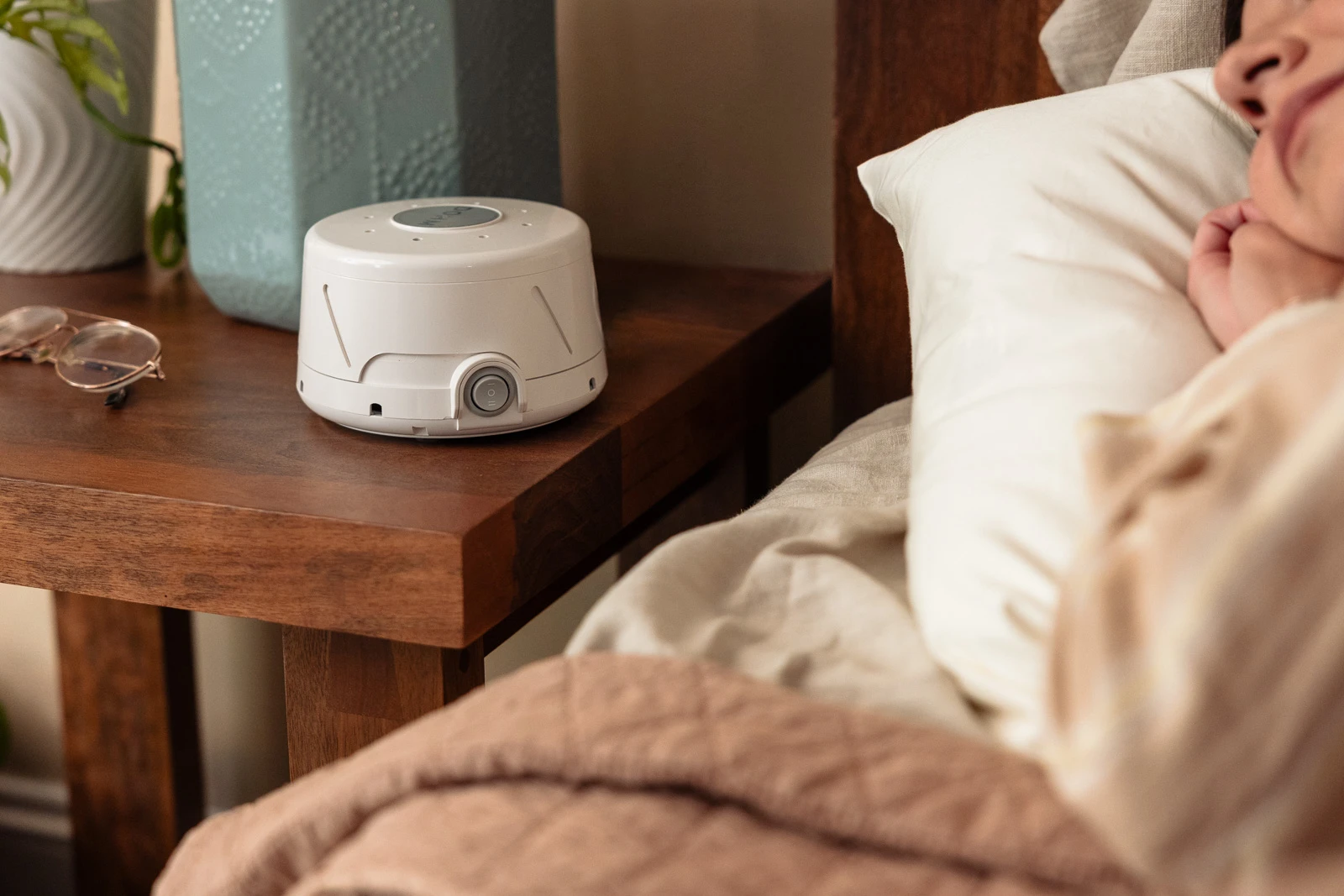
- White noise from a phone app or a dedicated sound machine
- Fan or air purifier sound
- Soft music at low volume
- Nature sounds like rainfall or ocean waves
Tip: Keep the masking sound just below or equal to the tinnitus. If you blast the masking sound, you risk more hearing irritation and you can train yourself to need louder and louder background noise.
2) Sleep support
When you are sleep-deprived, your brain’s “volume control” often runs too hot. These steps are simple, but they are clinically meaningful. Better sleep often reduces the perceived loudness and the distress.
- Keep a consistent sleep and wake time, including weekends.
- Dim lights and reduce screens 60 minutes before bed if possible.
- Avoid nicotine and limit alcohol in the evening, as both can worsen sleep and sometimes tinnitus.
- Limit caffeine later in the day if you notice it increases ringing.
- Use a background sound in the bedroom to prevent silence from amplifying tinnitus.
3) Stress reduction
Tinnitus becomes most intrusive when the brain labels it as a threat. Calming the nervous system helps the sound fade into the background over time.
- Box breathing: inhale 4 seconds, hold 4, exhale 4, hold 4, repeat for 2 to 5 minutes.
- Progressive muscle relaxation at bedtime.
- Daily movement like walking, stretching, or yoga.
- Mindfulness: noticing the sound without fighting it can reduce distress over time.
If tinnitus is triggering anxiety or low mood, consider cognitive behavioral therapy (CBT). CBT has strong evidence for reducing tinnitus-related distress, even when the sound itself does not disappear. Some people also benefit from structured tinnitus programs such as tinnitus retraining therapy (TRT) or audiology-led sound therapy plans.
4) Protect your hearing
Even a few unprotected exposures can keep tinnitus flaring. Hearing protection does not mean avoiding life. It means being strategic as much as possible, especially if you work in loud environments.
- Carry foam earplugs or reusable earplugs for loud environments (concerts, sports events, power tools).
- Use over-ear protection for lawn equipment or workshop tools.
- For earbuds, use a practical guideline: keep volume at or below about 60 percent and take regular breaks (for example every 30 to 60 minutes).
- After loud noise exposure, avoid additional loud exposure when you can and give your ears time in a calmer sound environment. This does not undo damage, but it can help prevent further irritation.
5) Address the basics
- Earwax: if you suspect blockage, have it checked. Safe removal can be a quick win.
- Blood pressure: if yours runs high, treating it improves whole-body health and can reduce pulsatile symptoms in some cases.
- Medications: ask for a review if tinnitus started after a new medication or dose change.
Supplements and quick fixes
You will see many supplements marketed for tinnitus. Unfortunately, most do not have strong, consistent evidence that they reliably reduce tinnitus for the average person. If you want to try something, talk with your clinician first, especially if you take blood thinners, have kidney disease, are pregnant, or take multiple medications.
Also, be cautious with online promises of a “cure.” Tinnitus care is often about identifying contributors and building a steady plan that helps your brain tune it out.
If you have hearing loss too
Hearing changes can make tinnitus more noticeable because the brain gets less outside sound to work with. A formal hearing test can be very helpful, even if you think your hearing is “mostly fine.”
For many people with hearing loss, hearing aids reduce tinnitus annoyance by improving sound input and decreasing the contrast between tinnitus and silence. You do not need to jump to an expensive device to start. Begin with an audiology evaluation and discuss options based on your results and your daily life.
FAQ
Can tinnitus go away on its own?
Yes, especially when it is triggered by a temporary factor like a loud event, an ear infection, or a short-term medication effect. If it lasts longer than a few weeks, it is still worth getting checked because there may be treatable contributors.
Is tinnitus dangerous?
Most tinnitus is not dangerous, but certain patterns need evaluation, particularly sudden hearing loss, one-sided persistent tinnitus, and pulsatile tinnitus.
Why is it worse at night?
Quiet makes tinnitus feel louder because there is less external sound for the brain to process. Fatigue and stress can also raise your brain’s sensitivity to internal signals. Gentle sound masking and sleep routines often help.
Should I avoid silence completely?
You do not need to fear quiet, but many people do better with a soft, neutral background sound at bedtime or during focused work. Think “gentle support,” not constant loud masking.
A calm next step
If your ears are ringing, start with what you can control this week: protect your hearing, improve sleep support, lower stress arousal, and check for obvious triggers like wax or a new medication. If you notice red flags or the tinnitus is persistent and affecting your quality of life, schedule an evaluation and a hearing test. You deserve a plan that is practical, evidence-based, and tailored to your life.