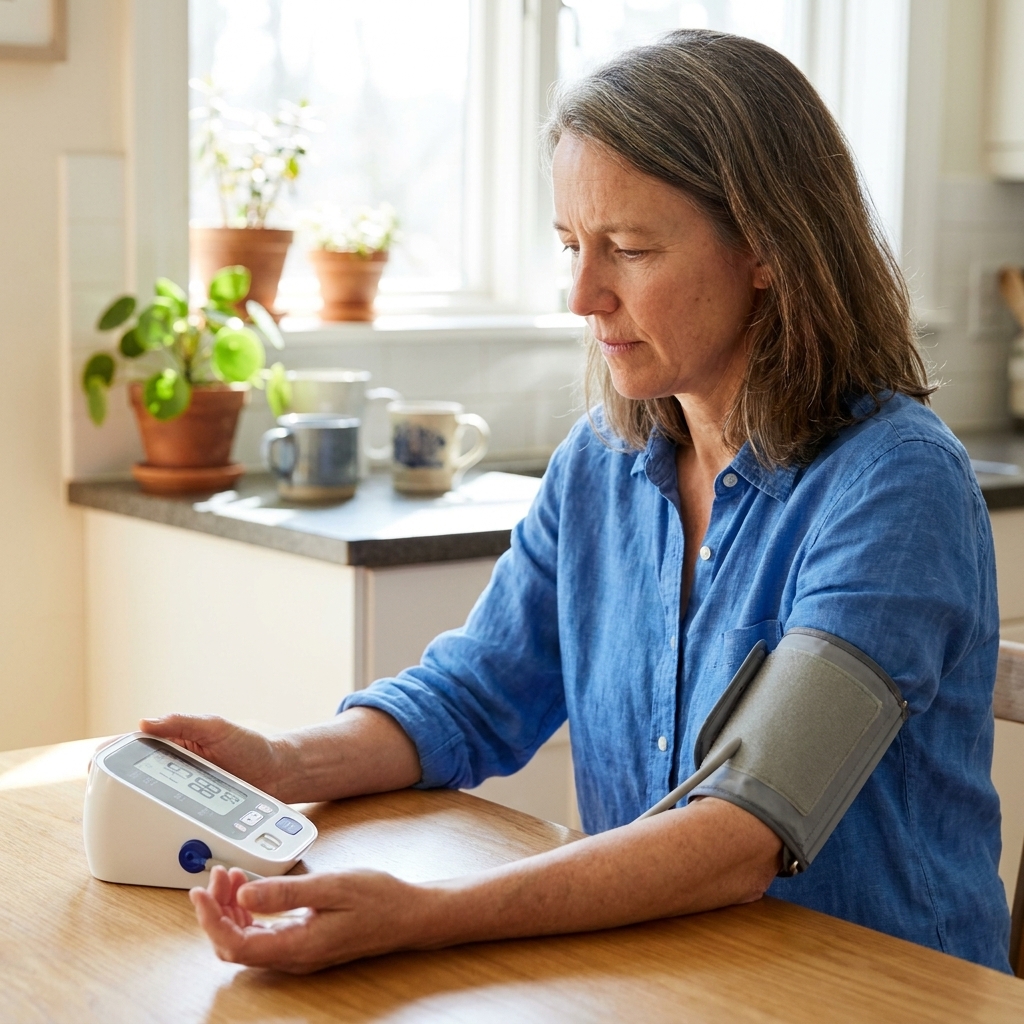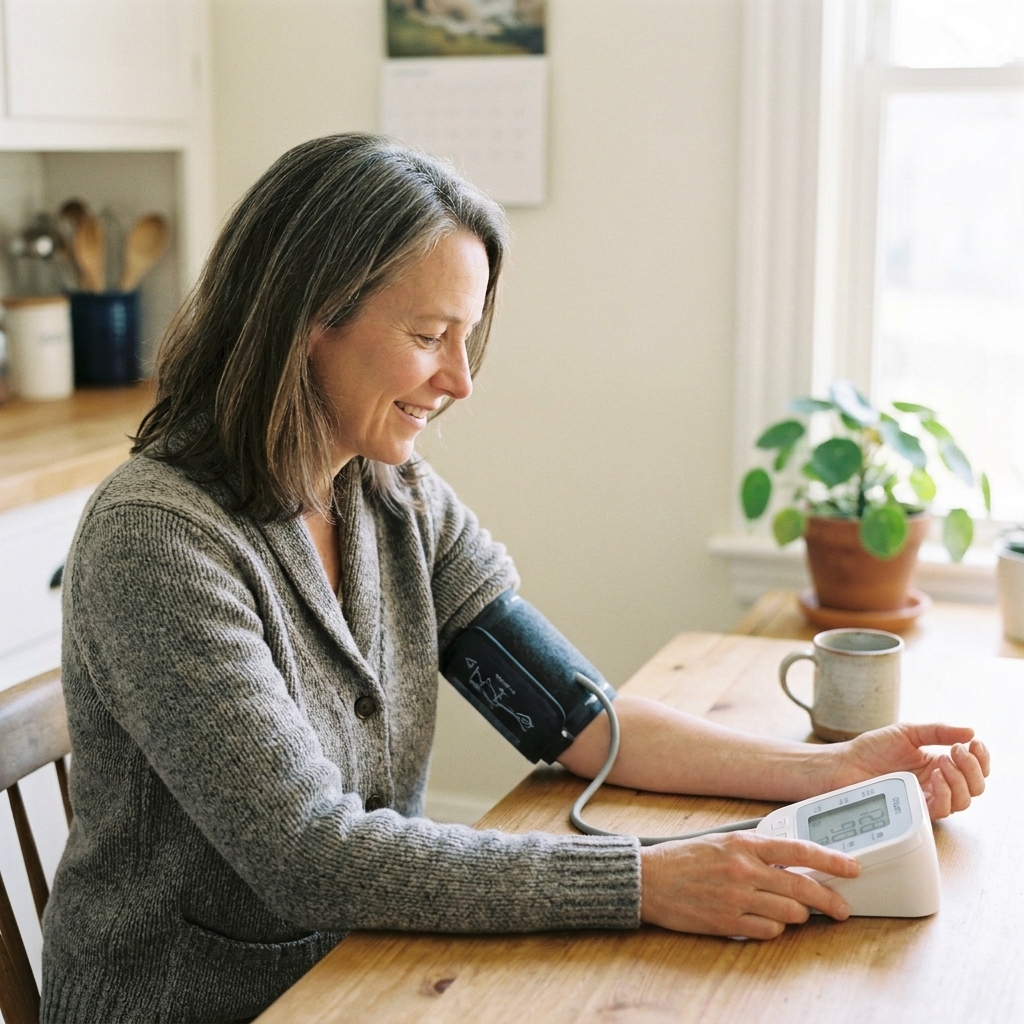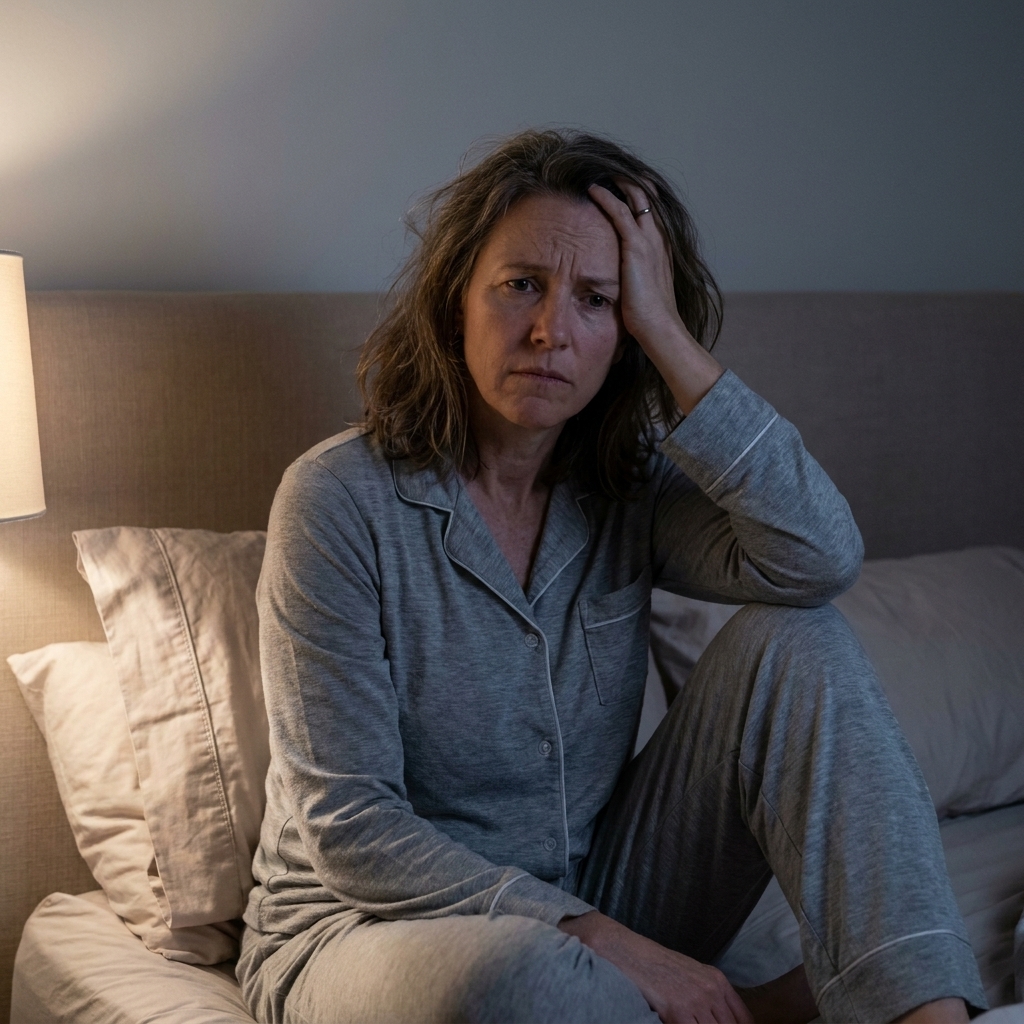
Cortisol is your body’s built-in alarm system. In the right dose, at the right time, it helps you wake up, focus, and respond to real danger. The problem is when cortisol stays elevated from day to day because stress never truly turns off. Over time, that ongoing stress signal can nudge blood pressure upward , contribute to inflammation, disrupt sleep, and make it harder to stick with heart-healthy routines.
As a family nurse practitioner, I see this all the time: people working hard to eat better or exercise more, but chronic stress keeps pulling their body back into survival mode. The good news is that you do not need a perfect life to support healthier cortisol patterns. You need a few repeatable habits that tell your nervous system, “We’re safe now.”

Below are seven daily habits that can gently reduce chronic stress load while also supporting your cardiovascular system. Pick two to start this week, then build from there.
How cortisol affects the heart
When stress becomes chronic, cortisol and other stress hormones can contribute to:
- Higher blood pressure and heart rate through persistent sympathetic nervous system activation.
- Worse sleep, which raises cardiovascular risk on its own and can increase cravings for high-salt, high-sugar foods.
- Increased abdominal fat and insulin resistance in some people, especially when sleep and activity are also off track.
- More inflammation over time, which may affect blood vessels and, in some cases, plaque behavior.
- More smoking, alcohol, or comfort eating, not because of “low willpower,” but because stressed brains seek relief fast.
Your goal is not “zero cortisol.” Your goal is healthy rhythms: higher in the morning, lower at night, and not constantly spiking all day.
One important note: true medical “high cortisol” from conditions like Cushing syndrome is rare. Most people reading this are dealing with stress dysregulation, sleep disruption, or burnout rather than a hormone disease. If you suspect a medical cause, or symptoms feel out of proportion, that is worth a clinician visit.
1) Get outside early for 5 to 15 minutes
Morning light is one of the strongest signals for setting your circadian rhythm. A steadier body clock supports a more natural cortisol curve: alert in the morning, calmer at night. That rhythm is closely tied to blood pressure patterns and sleep quality.
Try this
- Within an hour of waking, step outside for 5 to 15 minutes.
- Keep it simple: porch, driveway, a quick walk, or standing by a bright window if weather is unsafe.
- On dark winter mornings, you may need a bit longer to get the same effect.
- If you drink coffee, consider pairing it with light exposure rather than drinking it in a dark kitchen.
Heart benefit: better sleep timing, improved energy for movement, and more stable blood pressure patterns across the day.
2) Do downshift breathing once a day
Slow, steady breathing activates the parasympathetic nervous system, the part responsible for rest, digestion, and recovery. This is often one of the fastest ways to reduce the physical stress response in real time.
Try this
- Box breathing: inhale 4 seconds, hold 4, exhale 4, hold 4. Repeat for 2 to 4 minutes.
- Long-exhale breathing: inhale 4 seconds, exhale 6 to 8 seconds for 3 to 5 minutes.
If you want a cue, do it before you open email or right when you get into bed.
Heart benefit: can lower heart rate and blood pressure temporarily, and helps your body practice coming out of stress mode.

3) Move daily, keep intensity honest
Exercise is one of the best long-term stress reducers we have. It improves vascular function, insulin sensitivity, and mood. But the key is matching intensity to your current stress load. If you are exhausted, underslept, and running on adrenaline, very intense training every day can backfire for some people by worsening sleep, fatigue, soreness, or perceived stress.
Try this
- Aim for 20 to 30 minutes of walking most days.
- Add 2 days per week of strength training (even 15 minutes counts) .
- Include easy movement on high-stress days: light cycling, gentle yoga, mobility work, or a stroll after dinner.
A simple guide: you should be able to talk in full sentences during most of your activity.
Heart benefit: lowers resting blood pressure over time, improves cholesterol profiles, and buffers stress hormone spikes.
4) Eat for steadier blood sugar
Blood sugar swings can feel like anxiety: shakiness, irritability, heart pounding, brain fog. When glucose drops quickly, your body releases counter-regulatory stress hormones, like adrenaline and cortisol, to bring it back up. For many people, that can mean more cravings later.
Try this
- Start the day with protein + fiber (examples: eggs and vegetables, Greek yogurt with nuts and berries, tofu scramble, oatmeal with chia and peanut butter).
- Build meals around lean protein, colorful plants, and healthy fats.
- If you drink alcohol, keep it modest and avoid using it as your primary stress tool. Alcohol can fragment sleep and can increase next-day stress reactivity for some people.
Heart benefit: steadier energy, easier weight management, and support for blood pressure and triglycerides.
5) Create an end-of-day boundary
Many of us never fully clock out. If your brain stays on-call all evening, cortisol tends to stay higher later in the day, which can make sleep lighter and less restorative. That becomes a cycle: poor sleep often leads to higher stress reactivity the next day.
Try this
- Pick a 10-minute shutdown routine: tidy a small area, write tomorrow’s top three tasks, then physically close the laptop.
- Choose a phone boundary that you can keep: no work apps after 7 pm, or phone charging outside the bedroom.
- Replace scrolling with a low-stimulation option: shower, stretching, light reading, music, or a short walk.
Heart benefit: better sleep quality and less late-night stress eating, both of which support cardiovascular health.
6) Build micro-connection daily
Supportive relationships are not a luxury. They are a protective factor for heart health. Feeling understood and connected can lower perceived stress and improve resilience during tough seasons.
Try this
- Send one message a day that is not transactional: “Thinking of you. How are you, really?”
- Take a 10-minute walk with a neighbor, coworker, or family member.
- If you are isolated, consider a low-pressure start: a library event, a community class, a faith community, or a volunteer shift once weekly.
Heart benefit: lower chronic stress burden and better follow-through on healthy routines.

7) Protect your sleep window
If I could prescribe one habit for stress hormones and cardiovascular health, it would be sleep consistency. Sleep is when your body recalibrates blood pressure, blood sugar, appetite hormones, and inflammation signals. Chronically short or irregular sleep is strongly linked to hypertension and cardiovascular disease risk.
Try this
- Aim for a consistent wake time, even on weekends.
- Create a 30 to 60 minute wind-down with dimmer lights.
- Keep the bedroom cool, dark, and quiet. If noise is an issue, try a fan or white noise.
- If you wake at 3 am with a racing mind, avoid bright screens. Try a few minutes of long-exhale breathing, then a boring book or audio story at low volume.
Heart benefit: improved blood pressure control, better metabolic health, and reduced stress reactivity.
A simple daily plan
If you want a low-effort routine to start with, try this:
- Morning: 5 to 15 minutes outside + protein-forward breakfast
- Midday: 2 to 4 minutes of downshift breathing
- Evening: 10-minute shutdown routine + 20-minute walk after dinner
- Night: consistent lights-out window
That is not perfection. That is practice.
When to talk to a clinician
Daily habits can make a meaningful dent in chronic stress, but sometimes you also need medical support. Please reach out to a clinician if you have:
- Persistent anxiety, panic symptoms, or depression
- Sleep problems lasting more than a few weeks
- Frequent headaches, chest tightness, or palpitations
- High blood pressure readings at home (especially if consistently above the range your clinician recommended)
- Symptoms of sleep apnea, such as loud snoring, gasping during sleep, or excessive daytime sleepiness
- Concern that a medication may be adding to symptoms, including steroids (like prednisone), stimulant medications, some thyroid dosing issues, or decongestants
If you are checking blood pressure at home, use a validated upper-arm cuff, sit with feet on the floor, rest quietly for 5 minutes, and take two readings.
Seek urgent care for chest pain or pressure, shortness of breath, fainting, or symptoms of stroke (face drooping, arm weakness, speech difficulty).
FAQ
How long does it take to lower cortisol?
Some strategies, like slow breathing, can reduce the stress response within minutes. For longer-term regulation, many people notice changes over a few weeks of consistent sleep timing, movement, and improved recovery habits.
What are signs my cortisol might be high?
There is no single symptom, but common clues include trouble falling or staying asleep, feeling wired but tired, irritability, frequent cravings for sugar or salty snacks, low motivation, and increased abdominal weight over time. Medical testing is sometimes appropriate, but many symptoms overlap with other conditions, so it is worth discussing with a clinician.
Does caffeine raise cortisol?
Caffeine can temporarily increase cortisol, especially if you are sensitive, underslept, or drinking it late in the day. If anxiety or sleep is an issue, try keeping caffeine to the morning and reducing total intake gradually.
Can supplements lower cortisol?
Some supplements are marketed for stress, but quality and evidence vary, and they can interact with medications. If you want to try one, talk with your clinician or pharmacist first. For most people, sleep consistency, movement, and nervous system downshifts give the biggest returns.
The takeaway
Your heart does not just respond to what you eat or how often you exercise. It also responds to the story your nervous system is hearing all day long. These seven habits are simple on purpose. They are designed to be repeatable, even in busy seasons, so your body gets more frequent signals of safety and recovery.
If you choose only one place to start, start with sleep timing and a daily downshift. Small, steady steps add up.