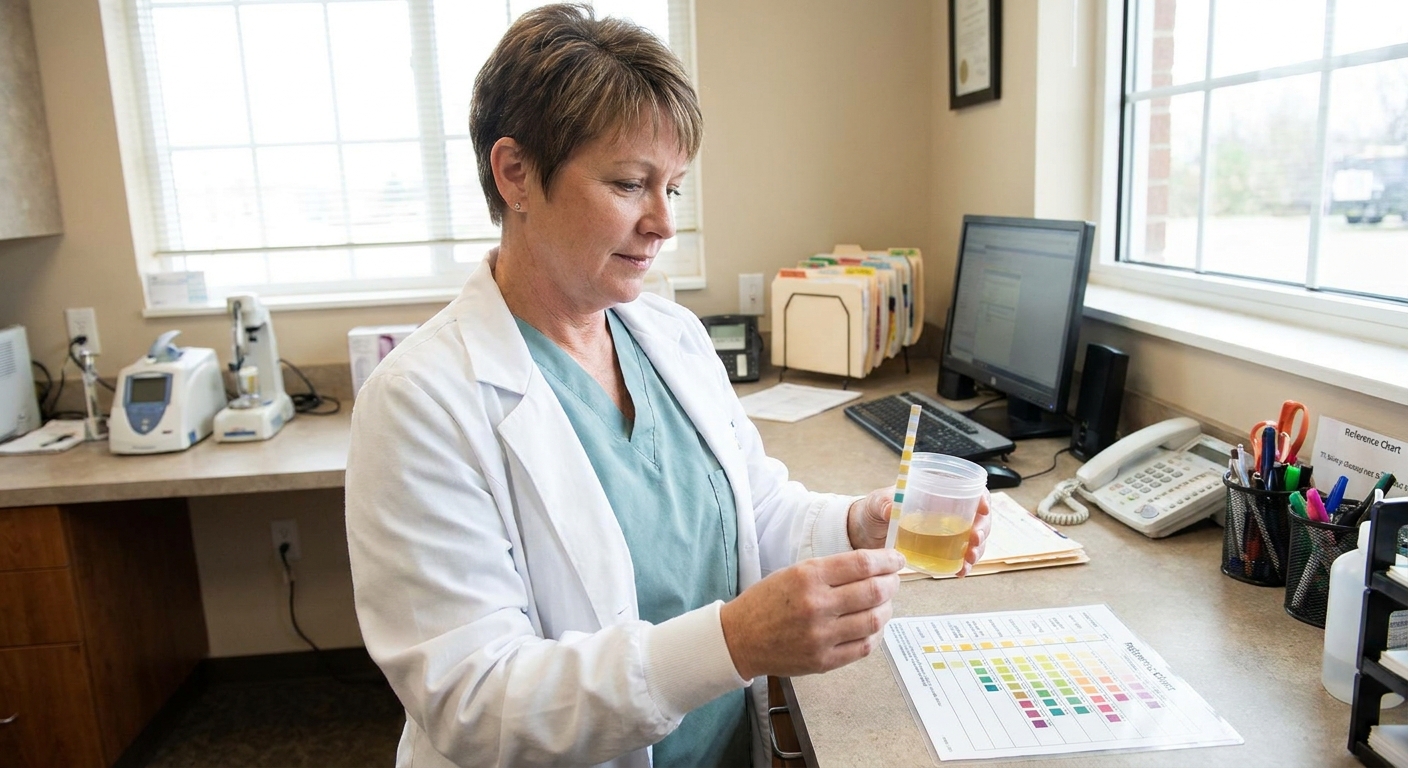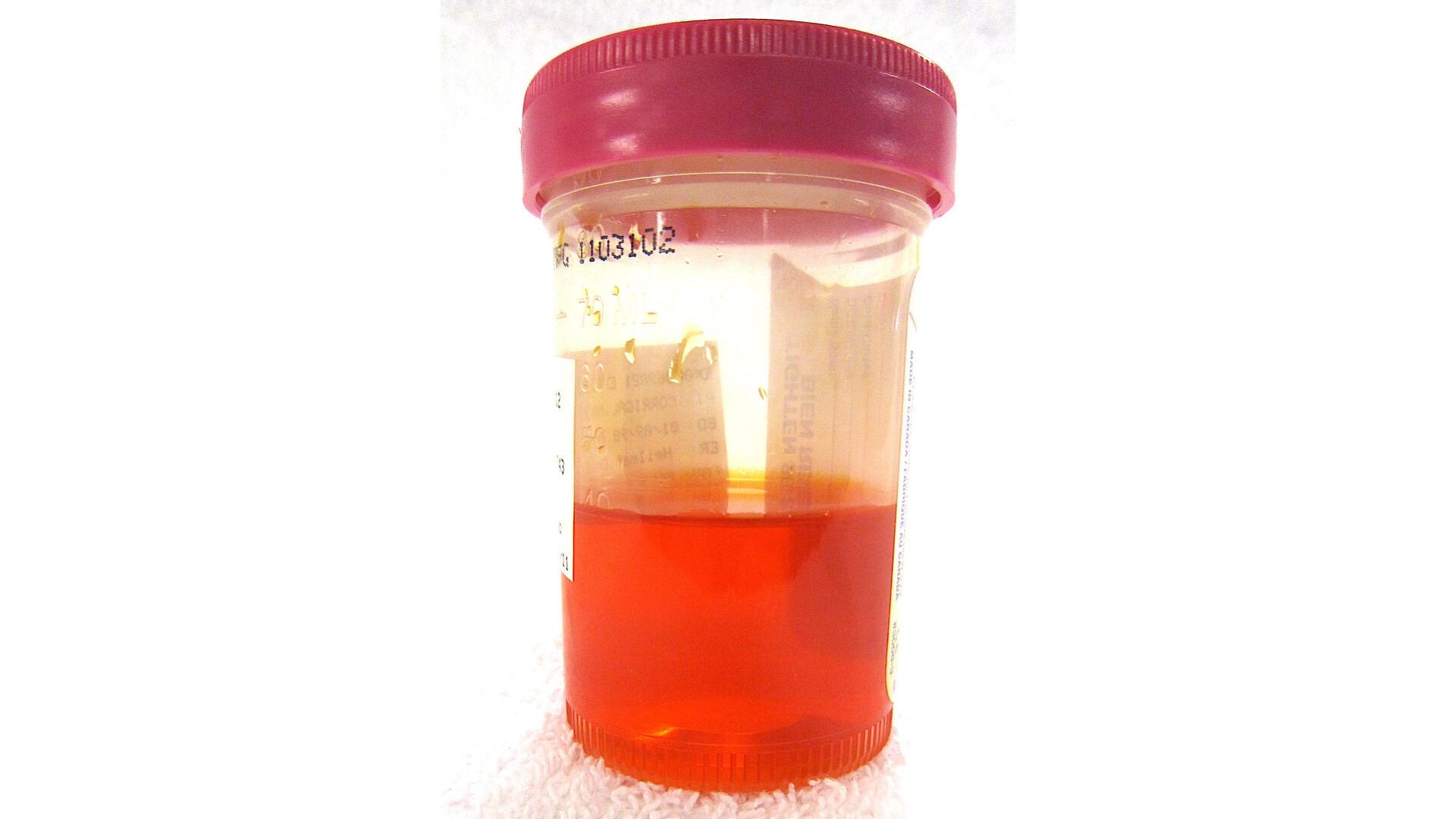
When a urine test shows blood and protein, it can be a sign of a problem in the kidney’s filters (the glomeruli). That said, not every cause is glomerular. Blood in the urine can also come from issues in the urinary tract (like a stone or infection), or even from contamination (for example, menstruation). Your clinician uses the whole picture, including symptoms, urine microscopy, bloodwork, and imaging, to decide what is most likely.
I know the word “biopsy” can make your stomach drop. In clinic, I’ve found that fear usually softens once people understand the plan: what gets checked for safety, what the procedure actually feels like, and what symptoms are normal afterward versus concerning.
Why a kidney biopsy is recommended
Blood and protein in the urine can happen for several reasons. But when your nephrology team suspects a kidney-filter problem or needs tissue to guide treatment, a biopsy can answer questions that bloodwork and imaging cannot.
- Confirm the diagnosis by looking at kidney tissue under a microscope.
- Measure inflammation or scarring to understand severity.
- Guide treatment, including whether medicines that calm the immune system may help.
- Estimate prognosis, meaning what to expect over time.
This page focuses on the procedure and aftercare, not specific kidney diseases. Your care team may discuss those separately based on your biopsy results.
Before the biopsy: the safety checklist
Most kidney biopsies are planned ahead of time, even if they happen during a hospital stay. Your team’s goal is to lower the chance of bleeding, because the kidney has a rich blood supply.
Blood pressure check
Your blood pressure will be checked before the procedure, and sometimes multiple times. Higher blood pressure can increase bleeding risk, so many centers use specific targets and may treat pain or anxiety, adjust medications, or delay the biopsy until your numbers are in a safer range. If you take blood pressure medications, ask whether you should take them the morning of the procedure, because instructions vary by situation.
Lab work
Expect blood tests shortly before the biopsy, often the same day or within a day or two. Common checks may include:
- Hemoglobin/hematocrit (your baseline red blood cell level)
- Platelet count (platelets help clot)
- Clotting studies such as INR, and sometimes aPTT depending on your situation and medications
- Kidney function tests (helpful for overall risk context and medication planning, but bleeding risk is often more tied to blood pressure, anemia, platelet function, and blood thinner exposure than creatinine alone)
- Type and screen in some settings, so blood is available if needed
If you have advanced kidney disease, your team may also think about platelet function problems related to uremia and whether any preventive steps are needed.
Medication review (especially blood thinners)
This is a big one. Tell your team about everything you take, including over-the-counter products and supplements. Medications that can increase bleeding risk may need to be held ahead of time, such as anticoagulants or antiplatelet medicines. Even common pain relievers matter.
Do not stop a prescribed blood thinner on your own. Your clinician needs to balance bleeding risk with the risk of blood clots. Your team should also tell you when it is safe to restart these medications afterward.
Imaging to locate the kidney
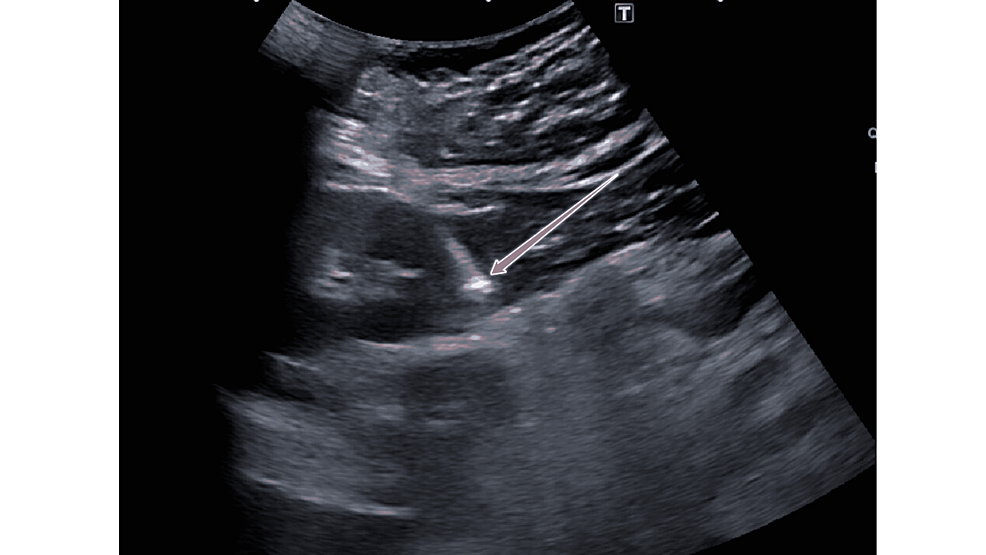
Kidney biopsies are typically guided by ultrasound (and less commonly CT). Imaging helps the clinician choose a safe path for the needle and avoid blood vessels as much as possible.
What happens during the biopsy
Most percutaneous kidney biopsies follow a similar flow. Exact steps can vary depending on your hospital, your anatomy, and whether you have native kidneys or a transplanted kidney.
1) Positioning and monitoring
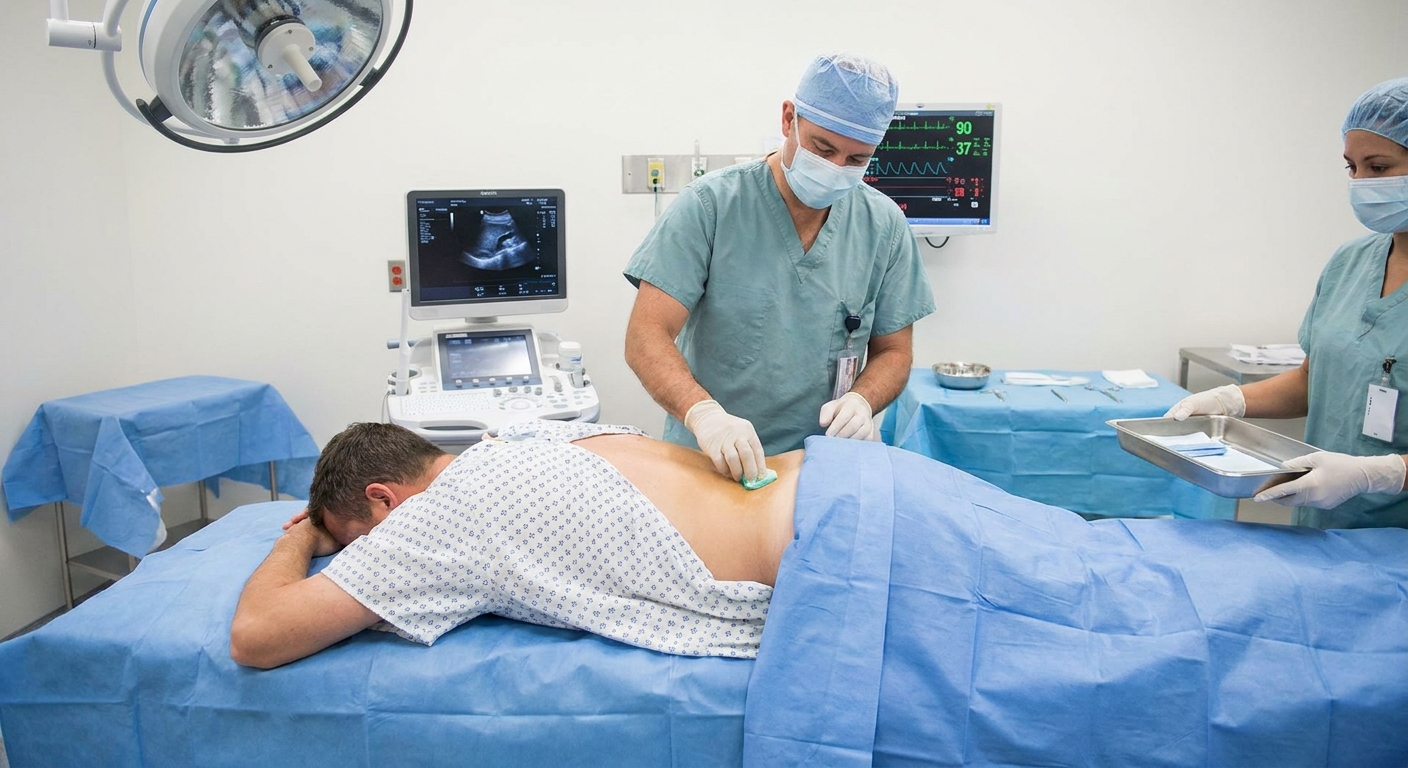
For a native kidney biopsy, you are often asked to lie on your stomach or slightly turned to one side, because the kidneys sit toward your back. Your care team will place monitors to track your vital signs, usually including blood pressure, heart rate, and oxygen level.
If you have a transplanted kidney, the biopsy is usually done with you lying on your back, because the transplant kidney often sits in the lower abdomen.
If you are anxious, tell them. Many people do fine with local numbing medicine alone, but some centers also use light sedation. Practices vary, and your team will balance comfort with the need for you to cooperate with brief breath-holding and staying still.
2) Cleaning and numbing the skin
The area is cleaned with antiseptic and covered with sterile drapes. You will feel a pinch and burn as the local anesthetic is injected. After that, you should mainly feel pressure, not sharp pain. If you do feel pain, speak up right away so they can numb more.
3) Ultrasound guidance and the needle pass
Using real-time imaging, the clinician guides a biopsy needle into the kidney. When it is time for the tissue sample, you may be asked to:
- Hold your breath briefly (this helps keep the kidney still)
- Stay very still for a few seconds
Many biopsy devices make a quick clicking sound. People describe the sensation as a firm pressure or a fast thump. Sometimes you also feel a brief, odd deep pressure in the back, like someone pressing a knuckle inward for a moment.
Often, 2 to 4 small cores are taken, with additional passes only if needed to get enough tissue.
4) Pressure and a bandage
After the samples are obtained, the team holds firm pressure on the site for several minutes to help reduce bleeding. Then you’ll have a small bandage placed. Mild bruising at the skin is common, and some people have soreness that feels like a deep ache at the biopsy site.
Common risks (in plain language)
The risk your team thinks about most is bleeding. Minor bleeding is common. More significant bleeding is less common, but it can happen and may require extra monitoring, a blood transfusion, a procedure to stop the bleeding (embolization), or rarely surgery. A small internal bruise (a hematoma) around the kidney can also occur and may cause flank or back pain. Infection and injury to nearby structures are uncommon, but part of why imaging guidance and safety checks matter so much.
Right after: bed rest and monitoring
The most important part of a kidney biopsy is often what happens after the needle comes out. This is when your team watches for bleeding.
Bed rest
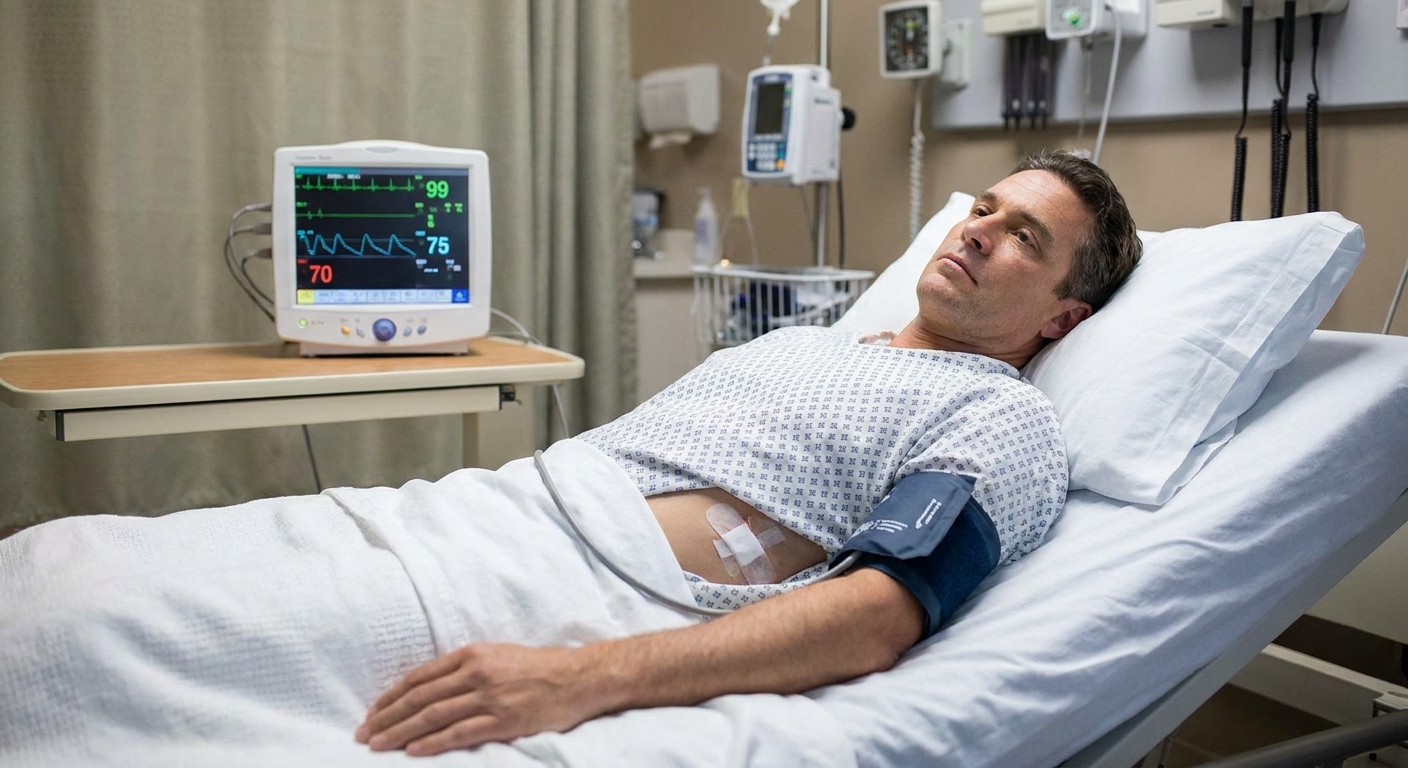
You will be asked to lie flat and rest for a period of time. Some centers use a few hours of bed rest, while others keep people longer depending on risk factors and whether the biopsy was outpatient or inpatient. Many modern outpatient protocols observe low-risk patients for roughly 4 to 6 hours, but your situation may be different.
Plan for a slower day. Even when the biopsy is outpatient, you generally need someone to drive you home.
Vital signs and urine checks
Your nurses will check your blood pressure and pulse regularly. You will also be asked to urinate so the team can see whether there is blood in the urine.
Follow-up labs
In many settings, a repeat blood count is done later the same day to make sure your hemoglobin is stable.
Is a follow-up ultrasound always done?
Not always. Some centers do a routine post-biopsy ultrasound, while others reserve it for specific protocols or if symptoms suggest bleeding (for example, worsening pain, a dropping blood count, or concerning vital signs). Your team will follow the approach they believe is safest for you.
Is blood in the urine normal after a kidney biopsy?
Some blood in the urine is common after a kidney biopsy, especially within the first day. It may look light pink, tea-colored, or slightly red. Mild soreness at the biopsy site is also expected.
What your team is watching for is the difference between expected post-biopsy bleeding and bleeding that is heavier, persistent, or causing symptoms. It is also common for microscopic blood in the urine (not visible to the eye) to linger longer than you would expect. Visible blood that improves over time is reassuring. Visible blood that lasts longer than expected, comes and goes, or worsens deserves a call, especially if it is not clearly trending better within 24 to 48 hours, unless your team has told you otherwise.
What can be normal
- Pink-tinged urine or mild blood in the urine that improves
- Mild flank or back soreness near the biopsy site
- Feeling tired for a day or two
What is not normal
- Urine that becomes bright red, thick, or contains large clots
- Bleeding that worsens instead of improving
- New difficulty urinating
Warning signs to call your doctor or seek urgent care
If your care team gives you written instructions, use those as your primary guide. In general, contact your clinician right away or seek urgent care if you have:
- Heavy bleeding in the urine (bright red, large clots, or bleeding that does not improve)
- Inability to urinate, especially if you feel pressure or pain
- Worsening flank or back pain that is not controlled with the recommended medication
- Dizziness, fainting, or weakness (possible signs of significant blood loss)
- Shortness of breath, chest pain, or rapid heartbeat
- Fever or chills (infection is less common, but important to evaluate)
- Swelling or expanding bruising at the biopsy site
If you are ever unsure, it is appropriate to call. I would always rather a patient reach out early with a “maybe” concern than wait until it becomes an emergency.
How to prepare at home
Your nephrology team will give instructions tailored to you. These are common preparation steps that many people are asked to follow:
- Review medications ahead of time, including aspirin, NSAIDs, blood thinners, and supplements.
- Ask about fasting if sedation is planned. Some people are told not to eat or drink for a set time before the procedure.
- Arrange a ride home and help for the rest of the day.
- Wear comfortable clothing and leave valuables at home.
- Tell your team if you might be pregnant or if you have any history of bleeding disorders.
Recovery at home: what to avoid and for how long
Even if you feel okay, your kidney needs time to seal the tiny puncture site.
Common restrictions
- Avoid heavy lifting and strenuous exercise for the timeframe your clinician recommends (often several days).
- Avoid contact sports until cleared.
- Use only approved pain relief. Many teams prefer acetaminophen (paracetamol) rather than NSAIDs, because NSAIDs can increase bleeding risk and can affect kidney function. For most people, this avoidance is temporary and your clinician will tell you when it is okay to resume them, if at all.
- Drink fluids as advised. Some patients are encouraged to hydrate; others have fluid limits due to kidney disease or heart conditions. Follow your plan.
For soreness, many people do well with the pain medication your team recommends and a simple “take it easy” day. If you are told to avoid certain medicines, take that seriously.
Bandage care, showering, driving, and work
These details vary by center, so follow your discharge instructions. In many cases:
- You can often shower later the same day or the next day, but you may be told to avoid soaking in a bath or pool for a short period.
- Driving is usually avoided for at least 24 hours, especially if you received sedation, and you should not drive if you feel lightheaded or are taking sedating pain medicine.
- Returning to work depends on your job demands. Desk work may be possible sooner than heavy physical work.
- Restarting blood thinners is individualized. This is one of the most important questions to ask, and your team should give you a specific plan.
When will you get results?
Kidney biopsy samples often go through several types of analysis, and that is one reason results can take time.
- Light microscopy, which looks at overall tissue structure
- Immunofluorescence, which checks for immune deposits
- Electron microscopy, which looks at ultrastructural details
Some preliminary information may be available sooner. Final results may take several days, depending on the lab and the tests needed.
Your nephrologist will review what the tissue shows and connect it to your symptoms, urine findings, and bloodwork to create a treatment plan.
FAQ
Does a kidney biopsy hurt?
The numbing injection can sting briefly. After that, most people feel pressure and a quick tapping sensation during the sample. If you feel sharp pain, tell the team immediately so they can adjust and numb more.
How long does the procedure take?
The needle portion is usually fairly quick. The total visit time is longer because the safety checks and post-procedure monitoring matter just as much as the biopsy itself.
Can I go home the same day?
Many kidney biopsies are outpatient, but some people stay longer for monitoring based on bleeding risk, blood pressure, kidney function, or other medical conditions.
What if I see blood in my urine days later?
Light discoloration that steadily improves is more reassuring than bleeding that returns or worsens. Some people notice intermittent light pink or tea-colored urine for a bit longer than they expected, especially with activity, but it should trend better. If you notice new, heavier, or persistent visible bleeding, clots, trouble urinating, or symptoms like dizziness, contact your care team right away.
A final word from clinic
If you’ve been told you need a kidney biopsy because of blood and protein in your urine, it usually means your team is trying to get a precise answer rather than guessing. The process can feel intimidating, but it is also very structured, with careful blood pressure checks, lab work, and monitoring afterward.
Bring your questions. Ask what medications to hold, when to restart them, what symptoms to expect, and exactly who to call after hours if you are worried. You deserve to feel informed and safe going into the procedure.