When I worked in a busy family clinic, one of the most stressful moments for patients with lupus was hearing something like, “Your kidneys might be involved.” It can feel vague and frightening, especially if you feel mostly fine. Lupus nephritis is one of those conditions where understanding the basics can truly change outcomes, because early evaluation and the right treatment plan can protect kidney function for the long haul.

What lupus nephritis means
Lupus nephritis is inflammation in the kidneys caused by systemic lupus erythematosus (SLE), an autoimmune disease. In SLE, the immune system can form antibody complexes that get deposited in the kidney’s filtering units, called glomeruli. Those deposits trigger inflammation.
Your kidneys filter blood all day long, removing waste and balancing fluid, salts, and blood pressure hormones. When the filters are inflamed, they can start “leaking” things that should stay in the bloodstream, especially protein and sometimes blood. Over time, uncontrolled inflammation can scar the kidneys, which is why lupus nephritis is treated seriously even when symptoms are subtle.
Who can get it and when it shows up
Lupus nephritis can happen to anyone with SLE, but risk is higher in certain groups, including people who develop lupus at a younger age, and some racial and ethnic groups. Kidney involvement often appears within the first several years after SLE diagnosis, but it can occur later too.
One important point: you do not need to “feel kidney pain” to have lupus nephritis. Many people have no kidney-specific symptoms early on.
Common signs and symptoms
The classic clues come from urine testing and blood pressure checks, but your body can also give hints.
Urine changes
- Protein in the urine (proteinuria): Sometimes noticed as foamy or bubbly urine, but often it is only detected on a urine dipstick or lab test.
- Blood in the urine (hematuria): Can be visible (pink, red, tea-colored urine) but is often microscopic and only seen on lab testing.
- “Active urine sediment”: A lab may report red blood cells, white blood cells, or casts. Casts are especially suggestive of inflammation involving the kidney filters, rather than a simple bladder infection.
Swelling and fluid retention
- Swelling in the ankles, feet, legs, or around the eyes, especially in the morning.
- Rapid weight gain from fluid.
Blood pressure and general symptoms
- New or worsening high blood pressure.
- Fatigue that feels out of proportion.
- Decreased urine output in more severe cases.
Because several of these symptoms overlap with other common conditions, labs are essential for sorting out what is going on.

Why it happens
Think of each kidney as having about a million tiny filtering units (nephrons). Inside each nephron is a glomerulus, the part that acts like a strainer. In lupus nephritis, immune complexes and inflammation damage the strainer walls. That leads to:
- Leaking protein into urine (a key driver of swelling and long-term kidney risk)
- Leaking blood cells into urine
- Reduced filtering ability, which can show up as rising creatinine or falling estimated GFR (eGFR)
The goal of treatment is to calm immune activity, stop active inflammation, and prevent scarring.
How lupus nephritis is diagnosed
Diagnosis is usually a combination of symptoms, urine findings, blood work, and often a kidney biopsy.
Urine testing
- Urine dipstick can flag blood or protein quickly.
- Microscopic urinalysis looks for red blood cells, white blood cells, and casts.
- Protein measurement is often done with a urine protein-to-creatinine ratio (UPCR) or albumin-to-creatinine ratio (ACR). Sometimes a 24-hour urine collection is used.
Blood testing
- Creatinine and eGFR to estimate kidney filtration.
- Albumin (can be low when protein loss is significant).
- Complement levels (C3, C4) often, but not always, drop during active lupus kidney inflammation.
- Anti-dsDNA antibodies may rise with disease activity in some people, but not in everyone.
Blood pressure and physical exam
Blood pressure trends matter. A “slightly higher than usual” reading can be a meaningful clue if it is new for you.
Why biopsy matters
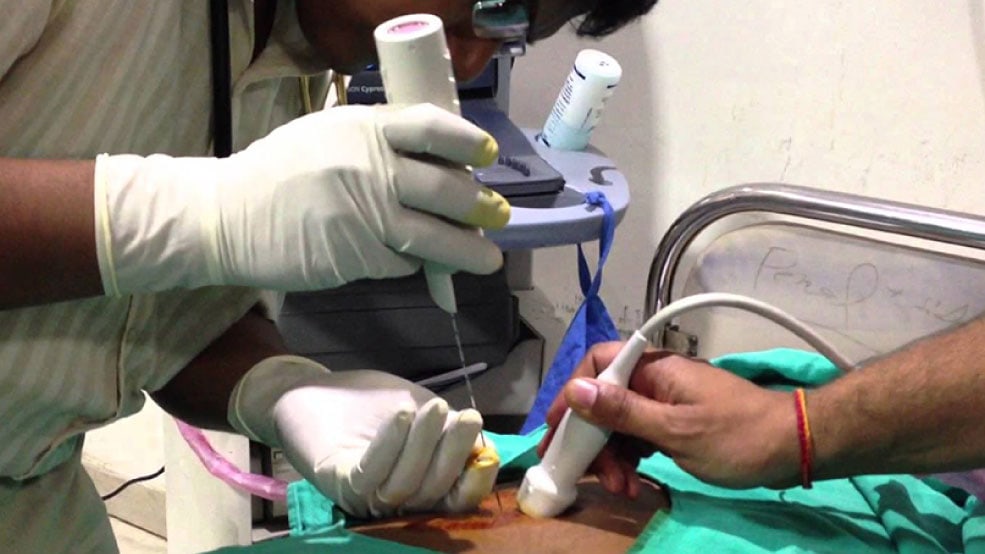
If lupus nephritis is suspected, many patients are advised to have a kidney biopsy. I know that word can sound intimidating. Whether a biopsy is recommended depends on the clinical picture, including how much protein is in the urine, whether kidney function is changing, what the urinalysis looks like, and your overall health context.
In plain language, a biopsy lets the kidney specialist look directly at kidney tissue to answer two critical questions:
- What type of lupus nephritis is present?
- How much is active inflammation versus long-term scarring?
This matters because different patterns respond to different treatment intensity. Biopsy findings are usually reported using an accepted classification system with “classes.” While the full pathology report is complex, the big idea is:
- Some classes reflect milder inflammation and may not require aggressive immune suppression.
- Other classes reflect more aggressive disease that needs prompt, stronger therapy to prevent permanent kidney damage.
- Biopsy can also identify mixed patterns or extensive scarring, which changes the goals and risks of treatment.
Active inflammation versus scarring
Two people can have the same amount of protein in the urine, but very different kidney tissue findings. One may have inflammation that is very treatable right now. Another may have more chronic scarring where the strategy focuses on preserving remaining function and controlling blood pressure and protein loss.
What a biopsy can rule in or rule out
Not every kidney issue in a person with lupus is lupus nephritis. A biopsy can help identify other problems, including medication-related injury, infections, or other glomerular diseases that require different management.
What treatment can look like
Treatment is individualized based on biopsy class, severity, kidney function, other lupus symptoms, pregnancy plans, infection risk, and medication tolerance. In general, treatment often has two phases:
1) Induction
This phase aims to quickly stop immune-driven kidney damage. Depending on the biopsy results, medications may include:
- Corticosteroids (often higher doses early, then tapered)
- Immunosuppressive or immune-modulating medicines such as mycophenolate mofetil, cyclophosphamide, and in some regimens calcineurin inhibitors (for example tacrolimus or voclosporin). Some treatment plans also include belimumab.
- Hydroxychloroquine is commonly used in SLE overall and is often continued unless there is a specific reason not to
2) Maintenance
After improvement, therapy usually shifts to a safer long-term plan to prevent relapse. This phase can last for years and often uses lower-intensity immune suppression than induction.
Supportive kidney protection
No matter the class, most people benefit from kidney-protective steps, which may include:
- Blood pressure control, often with medications that also reduce urine protein (such as ACE inhibitors or ARBs when appropriate)
- Reducing protein in the urine, which helps protect filters over time
- Managing cholesterol if it rises with heavy protein loss
- Salt awareness to help with swelling and blood pressure
If you are ever unsure why you are on a certain medication, ask your clinician to connect it back to your biopsy results and your current lab goals. You deserve that clarity.
Pregnancy and medications
If pregnancy is a possibility now or in the future, bring it up early. Some lupus nephritis medications are not safe in pregnancy, and planning ahead can help you enter pregnancy with the disease as quiet as possible.
Follow-up labs
Lupus nephritis is not a “diagnose it once and move on” condition. Monitoring is how we catch improvement, flares, medication side effects, and long-term kidney stress.
Urine monitoring
- Urine protein-to-creatinine ratio (UPCR) or albumin-to-creatinine ratio (ACR) to track protein loss
- Urinalysis for blood and signs of active inflammation
Blood monitoring
- Creatinine and eGFR to follow kidney filtration
- Albumin (especially if swelling or heavy proteinuria is present)
- Complement (C3, C4) and sometimes anti-dsDNA as markers of lupus activity (helpful in many people, but not perfect for everyone)
- Medication safety labs such as complete blood count (CBC) and liver enzymes, depending on your regimen
Blood pressure and weight trends
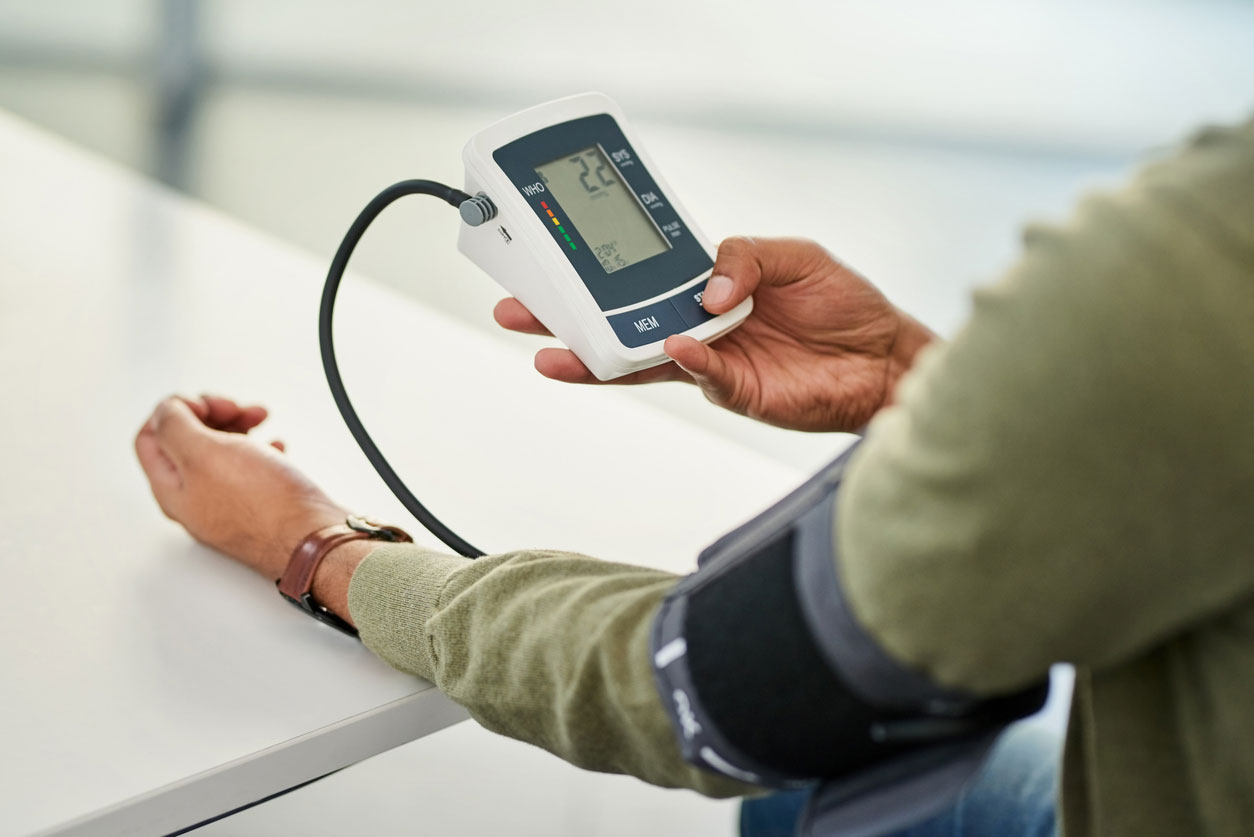
At-home blood pressure readings and daily or frequent weights can provide early warning of fluid retention or a flare. A sudden upward trend is worth a message to your care team.
Screening in lupus
If you have SLE, routine screening matters even when you feel well. Many clinicians check urine (for protein and blood) and kidney function periodically, often every 3 to 6 months, and more frequently if lupus is active or labs are changing.
When to seek urgent care
Kidney inflammation can progress quickly in some cases. Seek urgent evaluation if you have:
- Visible blood in the urine, especially if it is new or worsening
- New or severe swelling of the face, around the eyes, legs, or abdomen
- Shortness of breath, chest tightness, or trouble lying flat (can signal fluid overload)
- Very high blood pressure, severe headache, confusion, or vision changes
- Marked drop in urination or inability to urinate
- Fever or signs of infection while on immunosuppressive medications
Daily habits
Medication is a big piece of the puzzle, but daily habits add meaningful protection.
- Take medications exactly as prescribed, especially steroid tapers and immune-suppressing medicines.
- Do not stop steroids suddenly unless your clinician specifically tells you to.
- Avoid NSAIDs unless your clinician approves (examples include ibuprofen and naproxen). In some people with stable kidney function, they may be used cautiously with medical guidance, but they are not a DIY medication when kidneys are involved.
- Stay current on vaccines and infection prevention as recommended, because many lupus nephritis treatments lower immune defenses.
- Limit sodium if you have swelling or high blood pressure, since it can worsen fluid retention.
- Avoid smoking. It increases cardiovascular and kidney risk and can make long-term outcomes harder.
- Ask before starting supplements or herbs. “Natural” does not always mean kidney-safe, and some products can interact with medications.
- Discuss protein intake with your clinician. Protein goals are not one-size-fits-all, especially if you have heavy proteinuria or reduced kidney function.
Questions to ask
- What did my biopsy show, and what class was it?
- How much of my biopsy looked like active inflammation versus chronic scarring?
- What are our specific targets for urine protein and kidney function over the next 3 to 6 months?
- How often should I have urine and blood tests right now?
- What side effects should I watch for with these medications, and what symptoms mean I should call?
- If I want to become pregnant in the future, how does that affect my treatment plan?
FAQ
Can lupus nephritis go into remission?
Yes. Many people achieve remission or a low-disease-activity state with the right combination of medication and close monitoring. The timeline varies, and improvement is often measured by falling urine protein, quieter urinalysis, stable kidney function, and improved lupus activity markers.
Does blood in the urine always mean kidney damage in lupus?
Not always. Blood in urine can come from other causes like a urinary tract infection, kidney stones, or menstrual contamination. In lupus, persistent microscopic blood in urine alongside protein and abnormal sediment raises concern for kidney inflammation and should be evaluated.
If my creatinine is normal, can I still have lupus nephritis?
Yes. Early lupus nephritis can show up as protein or blood in the urine while creatinine and eGFR remain normal. That is one reason urine testing is so important in SLE.
Will I need repeat biopsies?
Some people never need another biopsy, while others might if the disease course changes, labs worsen unexpectedly, or the treatment plan needs clarification. Your nephrologist and rheumatologist will recommend this based on your situation.
What is the long-term outlook?
Many people do well with timely treatment and consistent follow-up. At the same time, lupus nephritis can lead to chronic kidney disease in some patients, and a smaller group may progress to kidney failure despite good care. The most helpful thing you can do is take it seriously early, keep appointments and labs, and speak up quickly when something changes.
The bottom line
Lupus nephritis is kidney inflammation driven by SLE that can cause protein and blood in the urine, swelling, and blood pressure changes. A kidney biopsy is often the key that tells your care team what type of nephritis you have and how aggressively it needs to be treated. With the right medications and steady follow-up labs, many people protect their kidney function and live full lives.
If you have lupus and have not had urine and kidney labs checked recently, it is reasonable to ask your clinician when you should be screened next.