In family practice, one of the most heartbreaking symptoms I hear about is continuous leaking of urine that a person cannot control. It can feel confusing and isolating, especially when it starts after a surgery or a difficult delivery. One possible cause is something many people have never heard of: a vesicovaginal fistula.
This article explains what a vesicovaginal fistula is, why it happens, how clinicians confirm it with dye testing and cystoscopy, and how it is different from stress urinary incontinence, which leaks only with pressure like coughing or exercise.

Vesicovaginal fistula, explained simply
A vesicovaginal fistula (VVF) is an abnormal opening (a tunnel) between the bladder and the vagina. Because the bladder stores urine, that opening allows urine to pass directly into the vagina.
The key symptom is:
- Constant or near-constant watery leakage from the vagina, often described as “always wet,” day and night
Many people notice it starts soon after a triggering event, such as pelvic surgery, childbirth trauma, or radiation treatment. Some notice a persistent urine odor or irritation of the vulva from ongoing moisture.
Why does a vesicovaginal fistula happen?
Most vesicovaginal fistulas form when tissue between the bladder and vagina is injured and then breaks down during healing. The cause varies by setting and medical history, but common reasons include:
Pelvic surgery (including hysterectomy)
In higher-resource settings, one of the more common causes is unintended injury to the bladder during pelvic surgery, especially hysterectomy. Even with careful technique, scar tissue, inflammation, endometriosis, prior C-sections, or difficult anatomy can raise risk.
Childbirth injury
Prolonged, obstructed labor can compress tissue for hours. When blood flow is cut off for too long, tissue can die and later separate, creating a fistula. This is a major cause globally where access to timely obstetric care is limited.
Pelvic radiation
Radiation can reduce blood supply and weaken tissues over time. A fistula may develop months or even years after treatment because the tissue becomes fragile and less able to repair itself.
Other less common causes
- Severe pelvic infections
- Pelvic cancers that invade nearby tissue
- Inflammatory bowel disease or other inflammatory conditions involving nearby structures
- Trauma to the pelvis
What does the leakage feel like?
People often describe vesicovaginal fistula leakage differently than “typical” bladder leakage:
- It is ongoing. You may leak while sitting, standing, lying down, and sleeping.
- It is not tied to urges. You may or may not feel the normal “I have to pee” sensation before it happens.
- Pads fill quickly. Some people need very frequent pad changes.
- Irritation is common. Constant moisture can cause burning, rashes, and recurrent vulvar skin breakdown.
Some people still pass urine normally through the urethra, and also leak through the vagina at the same time. It depends on the size and location of the opening.
Vesicovaginal fistula vs. stress urinary incontinence
These two problems can both involve leaking urine, but the pattern is usually very different.
Stress urinary incontinence
Stress incontinence means urine leaks when pressure inside the abdomen rises, for example:
- Coughing or sneezing
- Laughing
- Lifting
- Running or jumping
- Exercise
It is often a small squirt or dribble, and it tends to happen during the pressure event, then stop.
Vesicovaginal fistula
A vesicovaginal fistula typically causes persistent leakage, including at rest and overnight. People often say they cannot identify any trigger because it does not fully stop.
If you are leaking urine only when you cough, sneeze, lift, or exercise, stress incontinence is more likely than a fistula. If you are wet all the time, especially after hysterectomy, difficult childbirth, or pelvic radiation, a fistula deserves a careful evaluation.
How clinicians diagnose a vesicovaginal fistula
Diagnosis usually starts with a detailed history and pelvic exam, then confirms the finding with tests that show where the urine is traveling.
1) Pelvic exam
A clinician may see pooling fluid in the vagina or irritation from chronic wetness. Sometimes the opening is visible, but often it is small or located where it is difficult to see without additional testing.
2) Dye testing
A common next step is a dye test, often called a tampon test. While protocols vary, the basic idea is simple: place dye in the bladder, then check whether dyed fluid appears in the vagina.
- A catheter may be used to fill the bladder with sterile fluid mixed with dye (often methylene blue).
- A tampon, gauze, or pad may be placed in the vagina.
- If the vaginal material becomes stained with dye, it suggests urine is coming through an abnormal connection from the bladder.
If leakage is continuous but the bladder dye test is negative, clinicians may broaden the workup. For example, urine coming from a ureter (such as a ureterovaginal fistula) may require different testing.
3) Cystoscopy
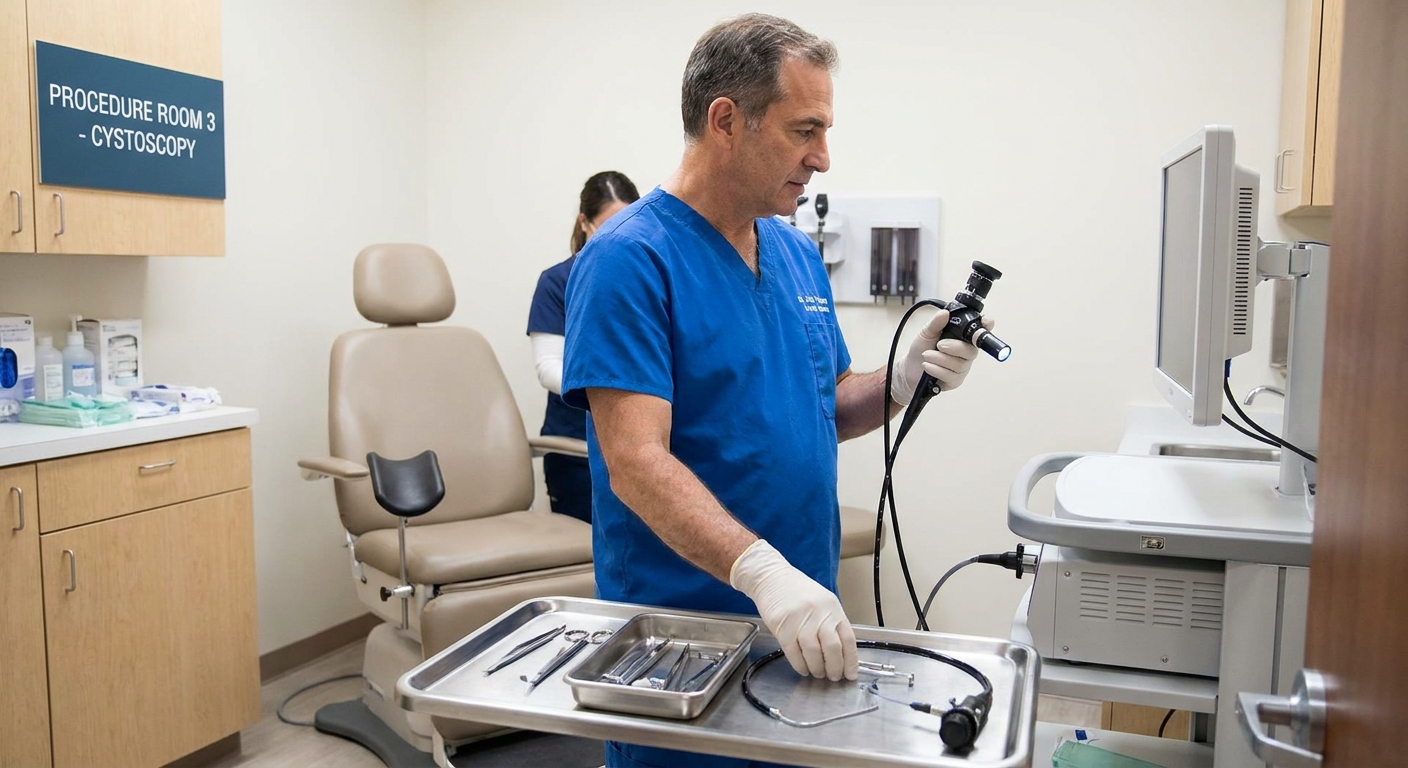
A cystoscopy is a procedure where a urologist or urogynecologist uses a thin camera (a cystoscope) to look inside the bladder.
For suspected vesicovaginal fistula, cystoscopy helps clinicians:
- Locate the bladder-side opening of the fistula
- Assess its position, such as near the bladder neck or elsewhere
- Estimate the size and look at tissue quality
- Check for other issues like inflammation, scarring, stones, or suture material
What cystoscopy can show in a fistula case is often described as a defect or opening in the bladder wall. Clinicians may also use dye during the procedure to confirm the pathway.
Could it be something else?
Yes. Constant wetness is strongly suggestive of a fistula, but clinicians also consider other causes, including:
- Urge incontinence: leakage that follows a sudden, strong urge to urinate
- Overflow incontinence: leakage related to incomplete emptying and urinary retention
- Urinary tract infection: can worsen urgency and leakage, though it usually does not cause nonstop leakage by itself
- Ectopic ureter: a ureter that drains below the urinary sphincter can cause continuous leakage, often present since childhood or adolescence rather than starting after surgery
- Ureterovaginal fistula: an abnormal connection between a ureter and the vagina that can also cause continuous leakage, sometimes after pelvic surgery
This is one reason dye testing and cystoscopy are so valuable. They help pinpoint the source rather than guessing. When the diagnosis is still unclear, the next step may include imaging to map the urinary tract, such as a cystogram or a CT urogram.
Treatment basics
Treatment depends on the cause, size, location, tissue health, and how long the fistula has been present.
Specialist evaluation matters
VVF is typically managed by a urogynecologist or urologist with experience in pelvic reconstruction. Treatment may include:
- Catheter drainage for a period of time, which may be attempted in select very small, fresh fistulas to reduce urine flow and give tissue a chance to seal
- Surgical repair, which is commonly needed for persistent fistulas
In many cases, surgeons prefer to repair a fistula after inflammation has settled and tissue is healthier. The exact timing is individualized, especially after radiation, when tissue can be more fragile and planning is more complex.
Outlook
Most non-radiation vesicovaginal fistulas are highly repairable with an experienced surgeon. Radiation-associated fistulas can still be treatable, but they often require more individualized planning and sometimes more than one procedure.
While you wait for care
- Protect your skin with barrier ointments (for example, zinc oxide) and frequent pad changes.
- Ask your clinician about testing for infection if you have burning, fever, pelvic pain, or foul-smelling discharge.
- If the leak began after surgery, call your surgeon’s office promptly. Early evaluation can speed diagnosis and relief.
When to seek urgent help
Continuous urine leakage is not usually an emergency, but you should seek urgent care if you also have:
- Fever, chills, or feeling very ill
- Severe pelvic or abdominal pain
- Blood in the urine that is heavy or worsening
- Inability to urinate at all (especially with lower abdominal pressure or pain)
- New weakness, confusion, or signs of dehydration
Frequently asked questions
Is a vesicovaginal fistula the same as “a weak bladder”?
No. A “weak bladder” usually refers to incontinence from pelvic floor weakness or overactive bladder. A vesicovaginal fistula is an anatomical opening between the bladder and vagina.
Can a vesicovaginal fistula happen right after hysterectomy?
Yes. Symptoms often appear about 1 to 2 weeks after surgery, but timing can range from days to weeks. If you develop constant watery leakage after a hysterectomy or other pelvic procedure, it deserves prompt evaluation.
Will Kegels fix a fistula?
Kegels can help some forms of incontinence, but they cannot close a fistula opening. They may still be part of recovery or pelvic floor rehab, but they are not the main treatment for VVF.
Will cystoscopy hurt?
Many people describe cystoscopy as uncomfortable rather than painful. A numbing gel is often used, and the procedure is usually quick. Your clinician can talk you through what to expect based on the type of cystoscopy being done.
The bottom line
A vesicovaginal fistula is an opening between the bladder and vagina that typically causes continuous or near-continuous urine leakage. It often occurs after hysterectomy or other pelvic surgery, childbirth injury, or pelvic radiation. Diagnosis commonly involves a dye test and cystoscopy, and sometimes imaging when clinicians need to clarify whether the leak is coming from the bladder or a ureter.
If your leakage is constant rather than happening only with coughing, sneezing, lifting, or exercise, you are not being “dramatic” by asking about a fistula. You are being appropriately thorough. And you deserve clear answers and a plan.