If you have been told your urine tests are “negative” but you still feel bladder pressure, pelvic pain, or the constant need to pee, you are not alone. In clinic, I have met many people who start to doubt themselves after a string of normal cultures. Interstitial cystitis, often shortened to IC and also called bladder pain syndrome, is one explanation for urinary symptoms that last for at least several weeks (and often longer) without evidence of a typical bacterial infection.
IC can be disruptive, unpredictable, and emotionally exhausting. The good news is that there are real steps you and your clinician can take to narrow down the cause and find strategies that reduce symptoms and improve quality of life.
Interstitial cystitis, simply explained
Interstitial cystitis is a chronic condition where the bladder and surrounding pelvic region become sensitive and irritated, leading to:
- Bladder pain, pressure, or discomfort
- Frequent urination (often small amounts)
- Urgency (the feeling that you have to go right now)
- Symptoms that persist for weeks to months, typically with negative urine cultures
IC is different from a standard urinary tract infection because it is not defined by bacteria growing on a urine culture. Symptoms can look similar, but the underlying problem is not a typical infection.
Some people have symptoms daily. Others have periods of relative calm with flares that come and go.
What IC feels like
People describe IC in different ways. Common descriptions include:
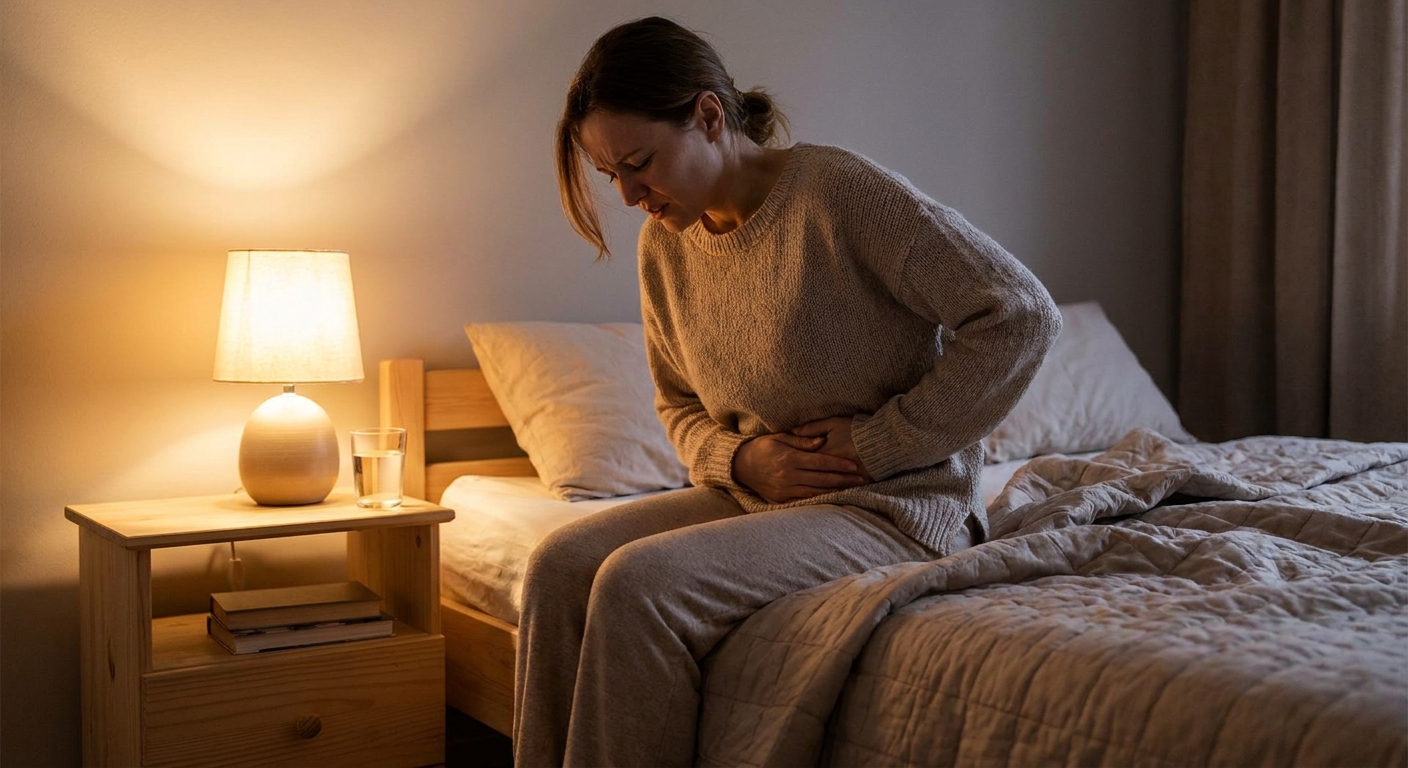
- A dull ache, heaviness, or pressure low in the pelvis
- Burning or sharp pain in the bladder area
- Discomfort in the urethra, vagina, vulva, scrotum, penis, or perineum
- Pain during sex (or pain after sex)
- Needing to urinate often throughout the day and night
A very classic pattern is pain that builds as the bladder fills and improves after you urinate. Not everyone has this exact pattern, but it is a helpful clue clinicians listen for.
Flares and triggers
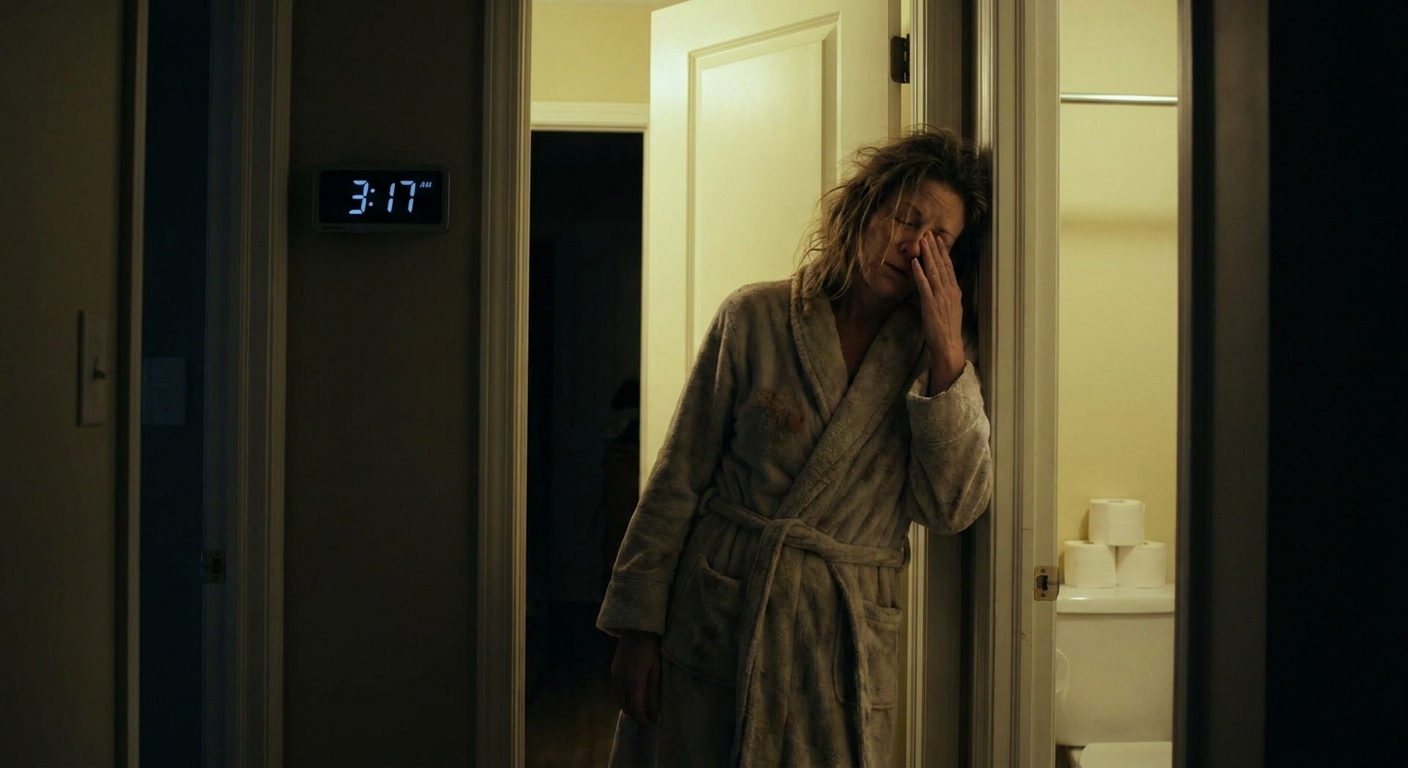
IC often behaves like a condition with “flares,” meaning symptoms can spike for a few days or weeks and then ease. Triggers vary from person to person. These are commonly reported in some people:
- Foods and drinks such as coffee, alcohol, carbonated beverages, citrus, tomatoes, spicy foods, and artificial sweeteners
- Stress and poor sleep
- Menstrual cycle changes
- Sexual activity
- Vigorous exercise or activities that put pressure on the pelvic floor
- Other illnesses, including viral infections
One practical tip I share often is to keep a brief symptom and trigger log for a few weeks. Not to “obsess” over it, but to spot patterns that are easy to miss when you feel miserable and tired.
Hunner lesions
IC is not one single uniform condition. A subset of people have visible inflammatory areas on the bladder wall called Hunner lesions (sometimes called Hunner ulcers, though they are not always true ulcers).
Hunner lesions matter because:
- They can be associated with more intense pain or bladder symptoms in some patients.
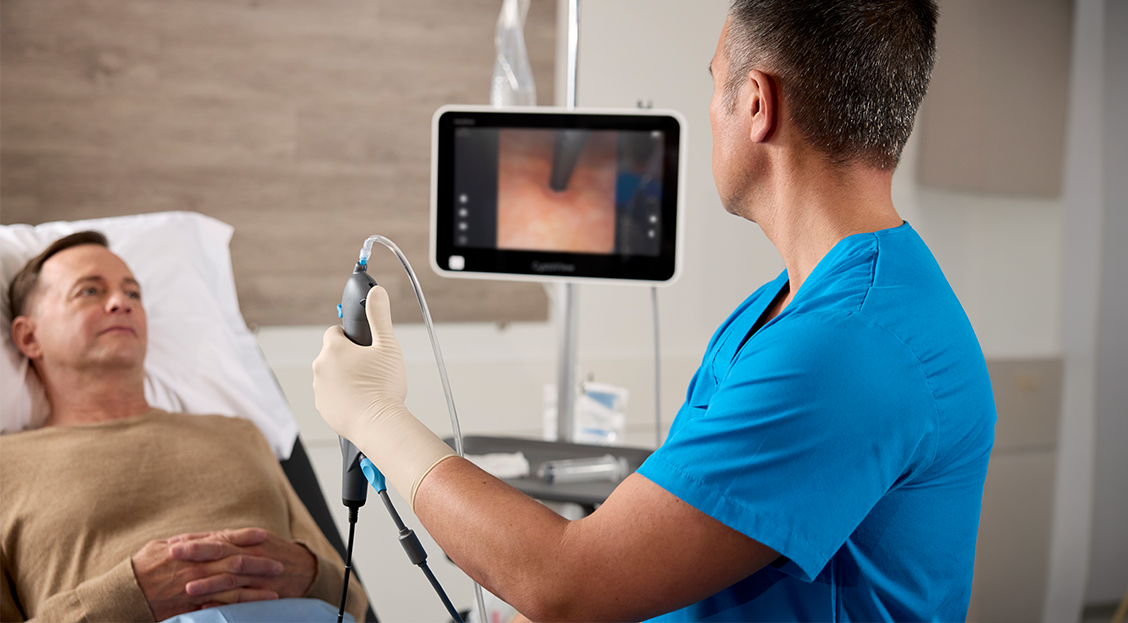
- They are found during a procedure called cystoscopy (a clinician looks inside the bladder with a small camera).
- They may respond to specific treatments, such as lesion-directed therapies performed by a urologist.
Many people with IC do not have Hunner lesions. Having or not having them does not make your symptoms more or less “real.” It just helps guide care.
What causes IC?
We do not have one single cause that explains every case. Current evidence suggests IC may involve a combination of factors, such as:
- Changes in the bladder lining, making it more sensitive
- Overactive pain signaling between the bladder and nervous system
- Pelvic floor muscle tension or dysfunction
- Immune and inflammatory activity
- Coexisting chronic pain conditions (for example, irritable bowel syndrome, fibromyalgia, migraine)
It can help to think of IC as a condition where the bladder and pelvic nerves become stuck in a high-alert state. That framing often reduces self-blame and opens the door to multiple treatment options, not just antibiotics.
IC vs UTI and overactive bladder
This is where many people get understandably stuck, because the symptoms overlap.
- UTI: usually has a positive urine culture (or other clear signs of infection) and often responds quickly to antibiotics. Repeated “UTI-like” symptoms with negative cultures should prompt a broader look. Sometimes a negative culture is truly negative. Sometimes it reflects issues like timing, prior antibiotics, contamination, or less common organisms that need a different approach to testing.
- Overactive bladder (OAB): urgency and frequency are the main features. Pain is not typically the driver. If pain and pressure are central, clinicians start thinking more about IC or pelvic floor contributors.
- IC/BPS: bladder-related pain, pressure, or discomfort plus urinary frequency or urgency, typically with negative standard cultures, lasting long enough to be considered chronic.
How IC is diagnosed
There is no single quick test that “proves” interstitial cystitis in every person. In practice, diagnosis is usually made by symptoms plus exclusion, meaning your clinician evaluates your symptoms, looks at how much they affect your life, and makes sure other conditions are not being missed. Many clinicians use a time frame around 6 weeks or longer of ongoing symptoms as part of the picture, especially when infection has been evaluated.
Typical starting point
Your clinician usually begins with:
- A detailed history of symptoms (including how long they have lasted and what makes them better or worse)
- A physical exam, often including an abdominal and pelvic exam
- Urinalysis and urine culture to look for infection
- Sometimes testing for sexually transmitted infections depending on symptoms and risk
Ruling out other causes matters
IC is considered after ruling out conditions like:
- Urinary tract infection (culture-positive bacterial infection)
- Bladder or kidney stones
- Bladder cancer or other concerning causes of urinary symptoms
- Gynecologic causes of pelvic pain (such as endometriosis or certain vulvar pain conditions)
- Prostate conditions in people with a prostate
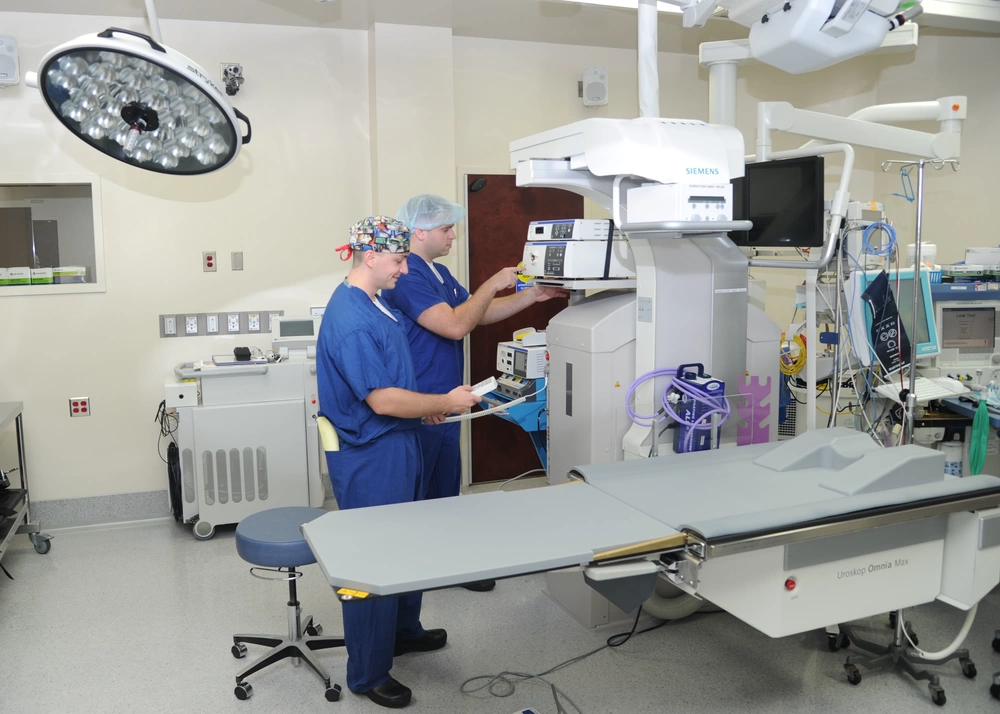
Depending on your age, symptoms, and risk factors, your clinician may recommend imaging, referral to urology, or cystoscopy.
If you have persistent urinary symptoms and cultures keep coming back negative, it is reasonable to ask, “What else are we ruling out, and what is our next step if this is not infection?”
Blood in the urine
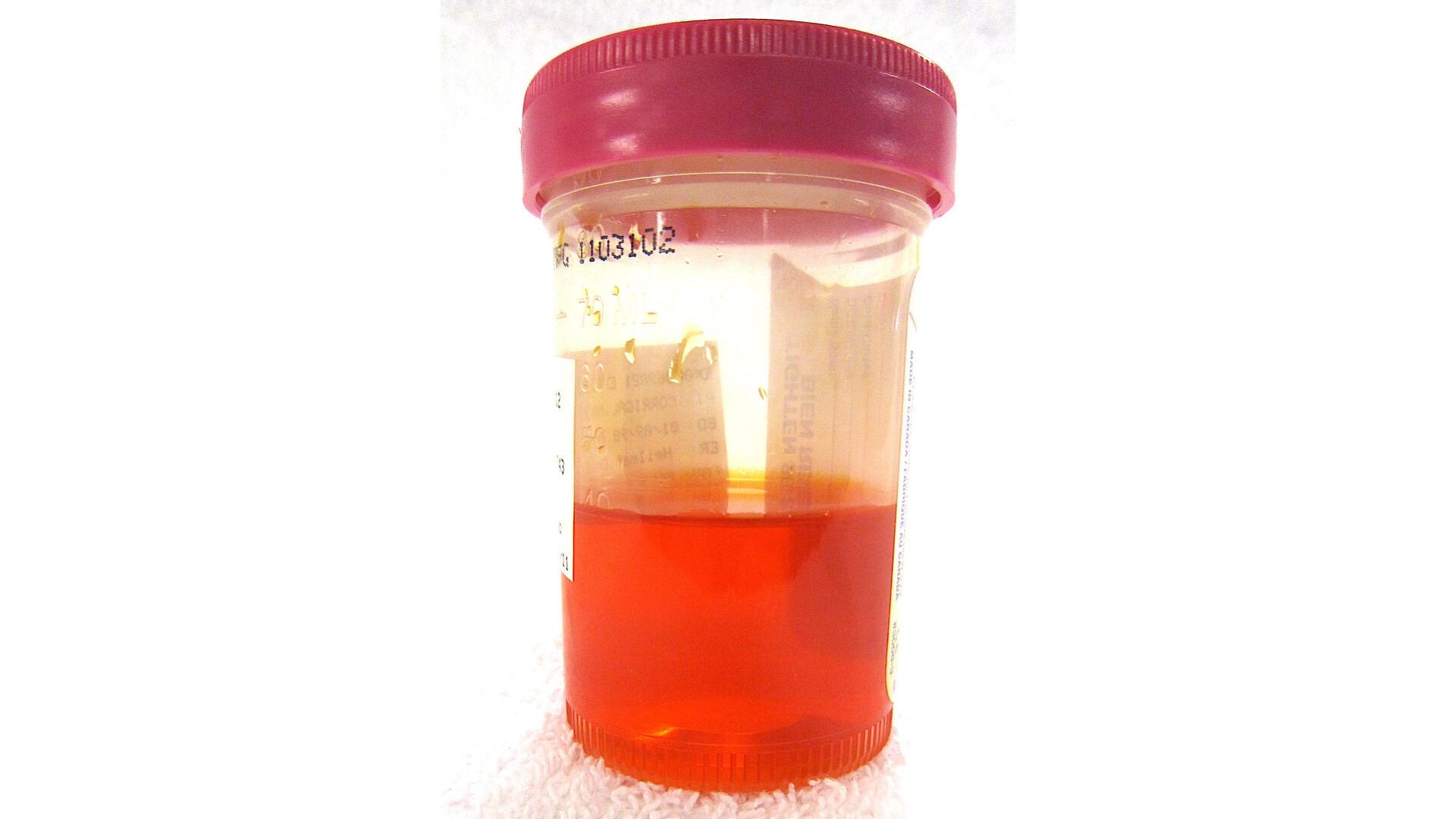
Sometimes, yes. IC can be associated with microscopic blood in the urine (only seen on testing) and, less commonly, visible blood during flares. That said, gross hematuria is not a classic IC feature, and blood in the urine should always be taken seriously because there are other potential causes, including stones and cancers.
If you see red or tea-colored urine, or if a urine test repeatedly shows blood, your clinician may recommend further evaluation rather than assuming it is only IC.
Treatment options that may help
There is no single “best” treatment for everyone, and most people do best with a layered approach. In many clinical guidelines, treatment starts with conservative strategies and then escalates if needed.
1) Lifestyle and bladder-friendly habits
- Identify food triggers and consider an elimination trial (removing likely triggers for 2 to 4 weeks, then reintroducing one at a time).
- Hydration: steady fluid intake can help, but forcing huge amounts of water can worsen frequency. Aim for pale yellow urine unless your clinician advises otherwise.
- Bladder training (gently increasing time between voids) when feasible, often with professional guidance.
- Heat or cold packs to the lower abdomen or pelvic area for symptom relief.

2) Pelvic floor physical therapy
This is one of the most overlooked tools. Many people with IC have pelvic floor muscles that are tight and reactive from months or years of guarding against pain. If your pelvic floor is tight on exam or your symptoms fit a pelvic floor pattern, a specialized pelvic floor physical therapist can work on muscle relaxation, coordination, and pain reduction. This is not the same as doing lots of Kegel exercises. In IC, aggressive strengthening can sometimes worsen symptoms when muscles are already tense.
3) Medications and procedures
Your clinician may discuss options such as:
- Oral medications aimed at pain control, urgency, sleep support, or bladder sensitivity. Depending on your situation, examples sometimes used include amitriptyline, hydroxyzine, or cimetidine.
- Pentosan polysulfate in selected patients to support bladder symptoms. This medication has specific safety counseling needs, including discussion of the rare but important risk of pigmentary maculopathy (retinal changes) and eye monitoring when appropriate.
- Bladder instillations (medications placed into the bladder during a clinic visit) for some patients. Examples may include lidocaine-based instillations and other clinician-prepared combinations.
- Procedures guided by cystoscopy, particularly when Hunner lesions are present. Lesion-directed approaches can include fulguration and injection therapies performed by a urologist.
- Pain management strategies tailored to your situation, which may include medications, nerve-targeted approaches, and multidisciplinary care.
Because treatments vary based on your symptoms, other health conditions, and exam findings, it is best to review medication pros and cons with the clinician who knows your history.
One more note from clinic: if you are being offered repeated antibiotics despite negative cultures, it is worth pausing and asking why. Unnecessary antibiotics can cause side effects, raise the risk of yeast infections and C. difficile, and contribute to antibiotic resistance.
Living with IC
Chronic bladder symptoms can take a real toll on mental health, relationships, work, and sleep. That impact deserves the same seriousness as the physical symptoms. If you are feeling dismissed or stuck in a loop of repeated antibiotics despite negative cultures, it is appropriate to ask for a stepwise plan or referral to a urologist or urogynecologist.
Also, if you have had recurrent pain for a long time, it is common for the nervous system to become more sensitive. Addressing sleep, stress, and pelvic muscle tension is not “all in your head.” It is part of treating the whole person. Many people do best with a team approach when there are overlapping issues like IBS, migraine, vulvar pain conditions, or other chronic pain syndromes.
When to seek urgent care
Seek urgent evaluation if you have:
- Fever, chills, or flank pain (pain in the back below the ribs)
- Nausea or vomiting with urinary symptoms
- Inability to urinate
- Severe worsening pain
- Visible blood in the urine, especially if it is persistent or accompanied by clots
- New urinary symptoms during pregnancy
FAQ
Is interstitial cystitis the same thing as a UTI?
No. A typical UTI is diagnosed when bacteria are found on a urine culture, along with symptoms. IC can mimic UTI symptoms, but cultures are usually negative and symptoms last long enough to be considered chronic.
Can interstitial cystitis go away?
Some people experience long periods of remission, especially with trigger awareness and a good treatment plan. Others have chronic symptoms that wax and wane. Even when it does not fully go away, many people can get meaningful improvement.
Do I need a cystoscopy to be diagnosed?
Not always. Some people are diagnosed clinically after other causes are ruled out. Cystoscopy may be recommended when the diagnosis is uncertain, when there is blood in the urine, when symptoms are severe, or when a clinician needs to evaluate for Hunner lesions and rule out other bladder problems.
Why do antibiotics sometimes seem to help even when cultures are negative?
Sometimes symptoms improve due to the natural up-and-down course of the condition, the placebo effect, or changes you make at the same time (like hydration or avoiding triggers). In some situations, testing can also miss an infection. If you are repeatedly culture-negative but improving on antibiotics, that is a good reason to review your full history with a clinician rather than self-treating, especially given the risks of unnecessary antibiotics.
Bottom line
Interstitial cystitis is a chronic bladder pain condition marked by bladder pressure or pain and frequent urination lasting weeks to months, typically with negative urine cultures. Many people notice pain that worsens as the bladder fills and improves after voiding, and symptoms can flare with certain foods, stress, or hormonal changes. A subset have Hunner lesions seen on cystoscopy. Diagnosis is made after ruling out infections, stones, cancer, overactive bladder, and other conditions, and treatment often works best as a personalized mix of lifestyle changes, pelvic floor therapy when indicated, and clinician-guided medical care.