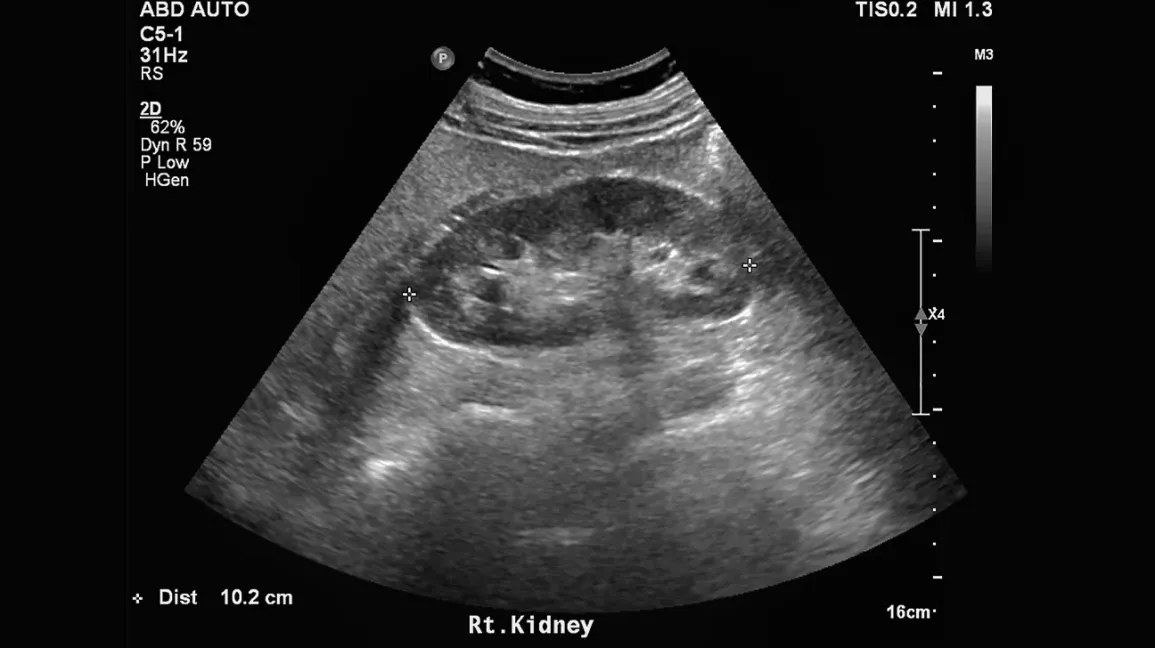
I grew up in a rural community where people often tried to make sense of medical issues without much help. Kidney problems were especially confusing because they can sound similar on paper. In clinic, I still see that same worry when someone reads an imaging report and gets hit with unfamiliar words like “cysts,” “polycystic,” or “hydronephrosis.” They are not interchangeable, and the difference matters.
When people say “polycystic kidney disease,” they are often talking about an inherited condition, most commonly autosomal dominant polycystic kidney disease (ADPKD). ADPKD is a genetic condition where many fluid-filled sacs called cysts develop in the kidneys over time. It usually affects both kidneys, and it can also affect other parts of the body.
What ADPKD is
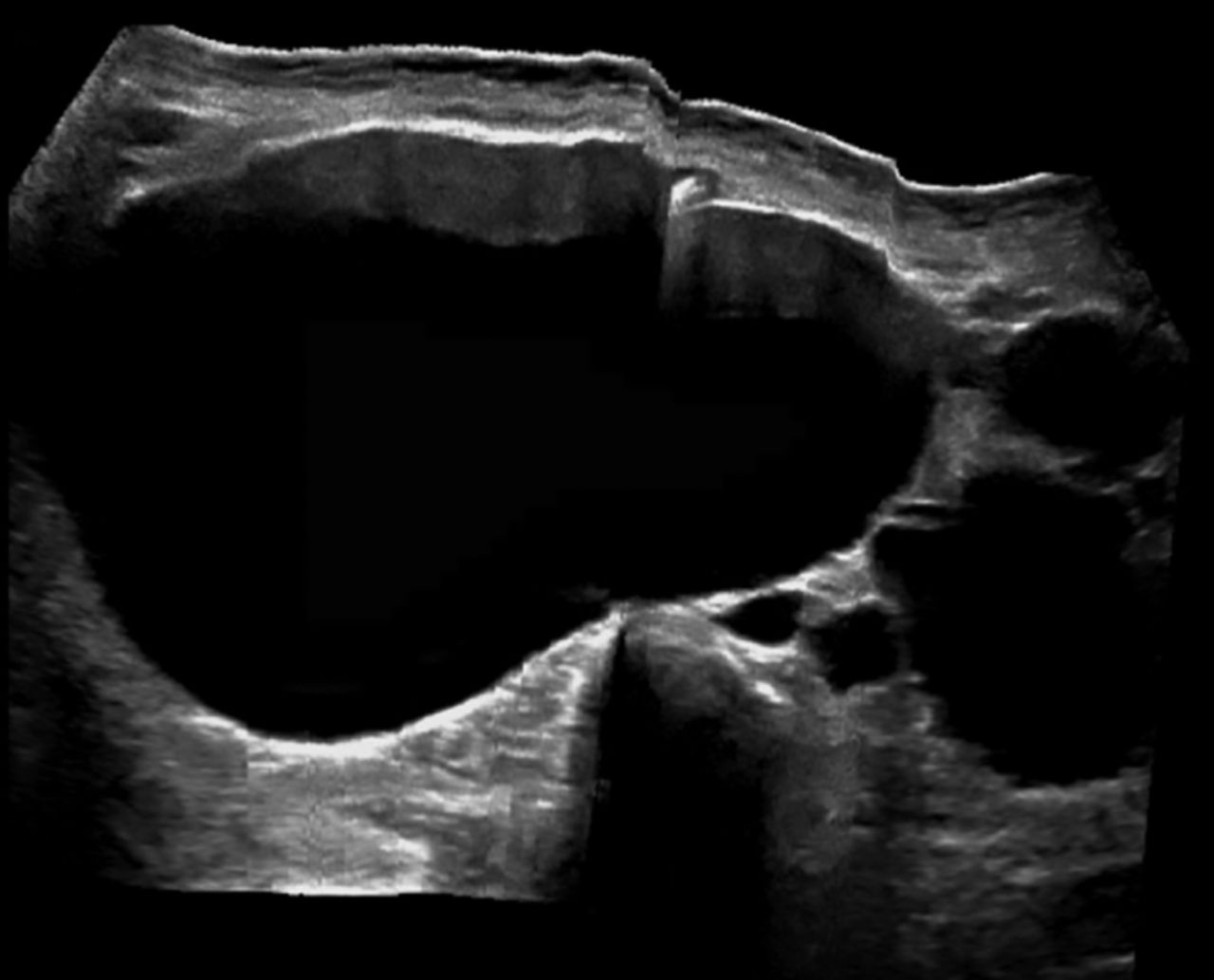
ADPKD is an inherited condition where the kidneys gradually develop many cysts. A cyst is a round, fluid-filled pocket. In ADPKD, cysts tend to:
- show up in both kidneys
- increase in number and size over years
- make kidneys larger than normal
- interfere with kidney function over time in some people
Not everyone with ADPKD has the same course. Some people maintain good kidney function for decades, while others develop chronic kidney disease earlier. This range is one reason regular follow-up matters.
Why it happens
“Autosomal dominant” describes how ADPKD is passed down:
- If a parent has ADPKD, each child has a 50% chance of inheriting the gene change.
- It affects people of all sexes equally.
- Most cases are linked to changes in PKD1 or PKD2.
Sometimes a person is diagnosed without a known family history. That can happen when relatives were never tested, symptoms were attributed to something else, or a de novo (new) genetic variant occurred in that person.
Common symptoms
Many people have no symptoms early on and learn about ADPKD after imaging for something unrelated. When symptoms show up, they often include:
Flank or back pain
A dull ache or intermittent pain on one or both sides can happen as cysts enlarge, bleed, or become infected. Pain can also come from kidney stones, which are more common in ADPKD.
Blood in the urine (hematuria)
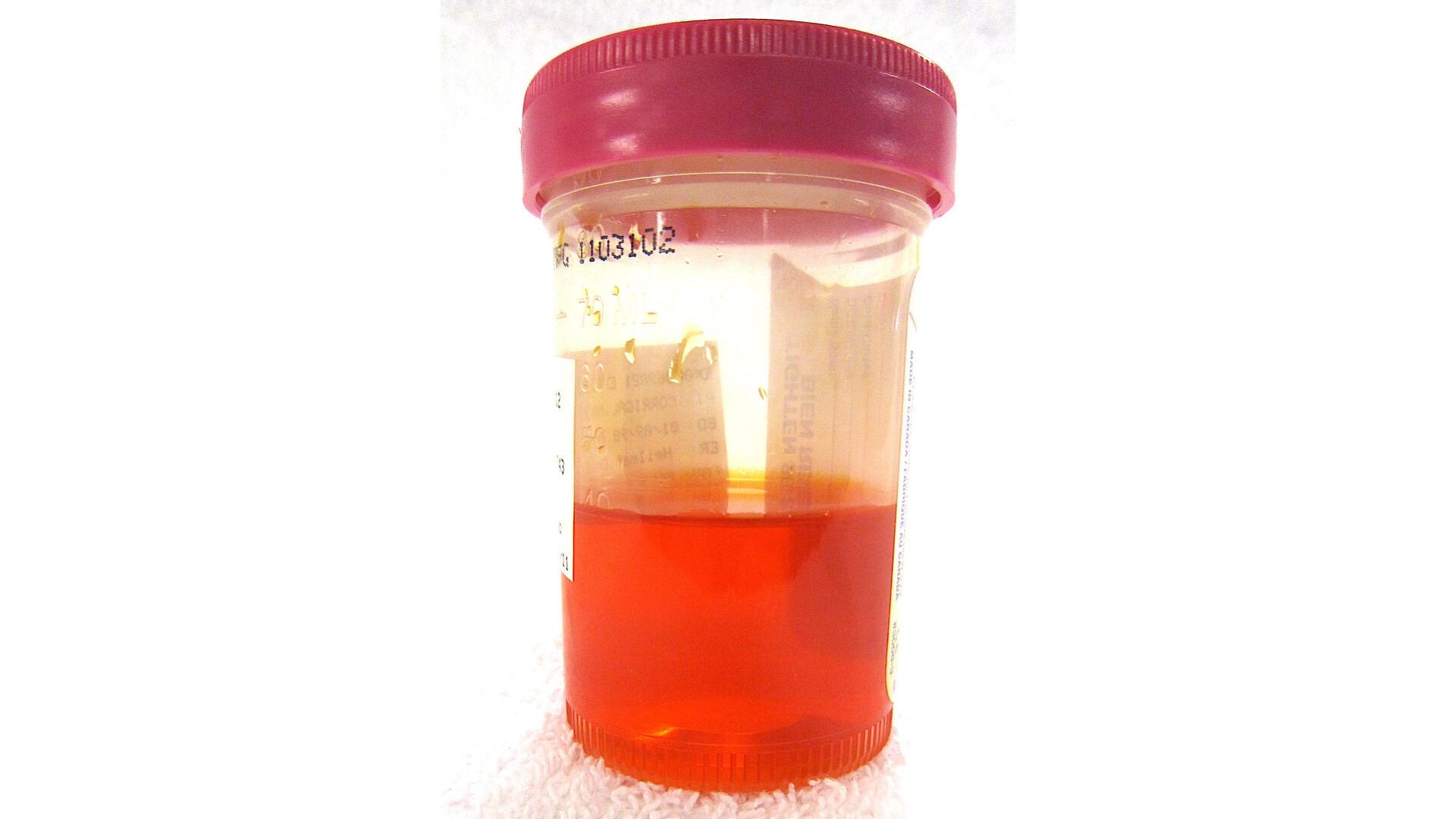
Visible pink, red, or cola-colored urine can occur if a cyst bleeds into the urine collecting system. Microscopic blood may be found on urinalysis even when urine looks normal. Because hematuria can also come from stones or infection, it is worth getting checked rather than guessing.
High blood pressure
High blood pressure is one of the most important and treatable parts of ADPKD. It can show up early, sometimes before kidney function tests change. Treating blood pressure helps protect both kidneys and heart.
Urinary tract infections and kidney infections
People with ADPKD can get typical bladder infections, and they can also develop cyst infections, which may cause persistent fever and localized pain and can be harder to treat.
Kidney stones
Stones can cause sharp, crampy flank pain, nausea, and blood in the urine.

How ADPKD is diagnosed
Diagnosis often starts with imaging, then gets confirmed by the overall pattern and family history.
Imaging tests
- Ultrasound is commonly used, especially for screening family members because it is accessible and does not use radiation.
- CT or MRI can detect smaller cysts and provide more detail, especially when the diagnosis is uncertain or planning is needed.
Clinicians look for the “big picture” typical of ADPKD: multiple cysts in a pattern that fits the condition, often with enlarged kidney size and sometimes cysts in other organs. Ultrasound criteria can also depend on age and whether there is a known family history, so the same scan can be interpreted differently depending on context.
Blood and urine tests
- Creatinine and estimated GFR (eGFR) help assess kidney function.
- Urinalysis can check for blood and infection.
- Urine albumin may be checked because protein leakage can signal kidney strain and cardiovascular risk. Large amounts of protein are not typical early in ADPKD and may prompt your clinician to look for another cause.
Genetic testing
Genetic testing is not required for everyone, but it can be helpful when:
- imaging results are unclear
- there is no known family history
- someone is being evaluated as a potential kidney donor in the family
- family planning decisions depend on clarity
Other cyst findings
One reason imaging reports feel scary is that “multiple cysts” is not automatically the same thing as ADPKD. A few other patterns people commonly run into include:
- Simple cysts of aging: many adults develop one or a few simple cysts over time, often without symptoms and without kidney enlargement.
- Acquired cystic kidney disease: can occur in people with long-standing advanced kidney disease, especially those on dialysis. It is not inherited.
- Autosomal recessive PKD (ARPKD): typically presents in infancy or childhood and is a different condition with a different inheritance pattern.
If your report mentions cysts but the overall story does not fit ADPKD, that is a good reason to ask, “What is the most likely cause in my case?”
What a report might say
Imaging language can feel alarming. Here are a few common phrases and how they are usually used.
“Multiple bilateral renal cysts”
This means cysts are seen in both kidneys. When the number is high and the pattern fits, ADPKD becomes a strong consideration, especially with a family history.
“Enlarged kidneys”
In ADPKD, kidneys may become larger due to many cysts. Kidney size can correlate with future risk of kidney function decline, which is why specialists sometimes track total kidney volume with MRI in certain cases.
“Simple cysts” versus complex cysts
A “simple” cyst is typically a thin-walled, fluid-filled cyst with a classic appearance. Complex cysts have features that need a closer look. When radiology is concerned about complexity, they often use the Bosniak classification to communicate risk and next steps, most often based on contrast CT or MRI. That classification is the right place to discuss single-cyst cancer risk and follow-up.
Cysts vs hydronephrosis
This is a frequent point of confusion: kidney cysts and hydronephrosis are different findings with different implications.
What “cysts” suggest
Cysts are rounded pockets of fluid within the kidney tissue. In ADPKD, there are typically many of them, often described as “numerous” or “too many to count,” and they can distort the normal kidney outline.
What “hydronephrosis” suggests
Hydronephrosis refers to dilation of the kidney’s internal drainage spaces (the collecting system). On imaging, it looks more like branching, connected fluid spaces in the center of the kidney, rather than separate round cysts scattered throughout. Hydronephrosis is often related to obstruction (like a stone or stricture) or reflux, and it usually needs timely evaluation to identify the cause.
Why radiologists can usually distinguish them
Even though both involve fluid, the shape and location are different. Cysts are separate, round structures. Hydronephrosis involves the kidney’s collecting system and tends to follow that internal architecture. If your report mentions both terms, or if the wording is unclear, it is appropriate to ask your clinician or the radiologist to clarify the impression.

Blood pressure matters
If I could underline one practical point for readers living with ADPKD, it would be this: blood pressure control is kidney protection.
In ADPKD, cyst growth can activate hormonal pathways that raise blood pressure. Uncontrolled hypertension increases the risk of:
- faster kidney function decline
- stroke and heart disease
- left ventricular hypertrophy (thickening of the heart muscle)
Your clinician may recommend home blood pressure monitoring and medications, often starting with ACE inhibitors or ARBs when appropriate. Targets vary by age, kidney function, and other conditions, so individualized guidance matters.
Other organs involved
ADPKD is primarily a kidney condition, but it can be a whole-body condition for some people. Possible related findings include:
- Liver cysts (common and often asymptomatic, especially as people age)
- Pancreatic cysts (less common)
- Heart valve issues such as mitral valve prolapse (in some people)
- Brain aneurysms (intracranial aneurysms), which are not present in most patients but are important to discuss if there is a family history of aneurysm or hemorrhagic stroke, a prior aneurysm, certain high-risk occupations, or before some major elective surgeries
If you have ADPKD, your care team will help decide whether screening beyond the kidneys is appropriate for you.
Family screening
Because ADPKD is inherited, family screening is a key part of care.
First-degree relatives
Parents, siblings, and children of a person with ADPKD are typically the first group to discuss screening with a clinician.
How screening is done
- Ultrasound is commonly used as a starting point.
- Genetic counseling can help families understand testing options, timing, and how results may affect insurance, emotional health, and family planning.
For minors, screening decisions can be more nuanced, especially if there are no symptoms. Some families prefer to wait, while others want clarity early. This is a good conversation to have with a pediatrician and a genetic counselor.
Treatment and monitoring
There is no “cure” for ADPKD today, but there is a lot we can do to slow progression and reduce complications.
Core care
- Blood pressure control
- Regular monitoring of kidney function (eGFR), urine tests, and imaging when indicated
- Managing pain with a plan that avoids kidney-harming medications when possible
- Preventing and treating infections promptly
- Kidney stone prevention guidance tailored to the type of stones
Lifestyle basics
I try to keep lifestyle advice practical. What helps most depends on your kidney function and your overall health, but common starting points include:
- Watch sodium, especially if blood pressure is a challenge.
- Stay hydrated in a sensible way. Some people are advised to increase fluids, but it should be individualized if you have heart failure, low sodium, or advanced kidney disease.
- Avoid smoking and aim for regular activity you can sustain.
- Be careful with NSAIDs (like ibuprofen or naproxen). They can stress the kidneys, so ask your clinician what is safe for you.
Medications that may slow progression
In selected patients with evidence of rapid progression or higher-risk features, a nephrologist may consider medications that target cyst growth pathways, such as tolvaptan. This drug is not for everyone and requires monitoring, including liver testing, and attention to side effects like increased urination and thirst. It may not be appropriate for people with certain liver conditions.
When kidney function declines
If ADPKD progresses to advanced chronic kidney disease, planning may include:
- referral to a nephrologist if not already established
- education about dialysis options
- kidney transplant evaluation when appropriate
When to get urgent care
Please get urgent evaluation (same-day, urgent care, or emergency department depending on severity) if you have:
- visible blood in the urine that is heavy, persistent, or accompanied by clots
- fever, chills, or feeling very unwell with flank pain (possible kidney or cyst infection)
- severe sudden flank pain with nausea or vomiting (possible stone or bleeding)
- severe headache, neurologic symptoms, or “worst headache of your life,” especially with a family history of brain aneurysm
- very high blood pressure readings with symptoms such as chest pain, shortness of breath, severe headache, confusion, or vision changes
If you already have an individualized plan from your clinician for these situations, follow that plan.
Questions to ask
- Does my imaging pattern fit ADPKD, or could this be another type of cystic kidney disease?
- Does my report suggest simple cysts, complex cysts, or hydronephrosis, and what is the next step for each?
- What is my current eGFR and what trend do you see over time?
- What blood pressure goal do you recommend for me, and should I monitor at home?
- Should my family members be screened, and when?
- Do I need referral to nephrology, genetic counseling, or both?
- What symptoms should prompt a call right away?
FAQ
Is polycystic kidney disease the same as having a kidney cyst?
No. Many adults develop one or a few simple kidney cysts with age, and those are often harmless. Polycystic kidney disease, especially ADPKD, involves many cysts in a typical inherited pattern, often affecting both kidneys.
Can you have ADPKD and feel totally fine?
Yes. Many people have no symptoms for years. That is why family history and screening can be so important.
Does everyone with ADPKD end up on dialysis?
No. Some people do progress to kidney failure, but many do not, especially with careful monitoring and strong blood pressure control. Your individual risk depends on genetics, kidney size, blood pressure history, and other factors your clinician can review with you.
If my report mentions “multiple cysts,” does that automatically mean ADPKD?
Not automatically. Multiple cysts can occur for other reasons, especially with aging or certain acquired conditions. The diagnosis depends on the number and pattern of cysts, whether both kidneys are involved, kidney size, age, and family history. A clinician can put the report in context.