If you have been told you may need a TURP, it is normal to feel nervous. In clinic, I have found that most anxiety comes from the unknown: What will the procedure feel like, what will recovery look like, and what changes should you expect afterward?
TURP stands for transurethral resection of the prostate. It is a common procedure used to relieve a blockage caused by an enlarged prostate. The goal is straightforward: improve urine flow and take pressure off the bladder and, in some cases, help protect kidney function when obstruction has been severe.
What a TURP is
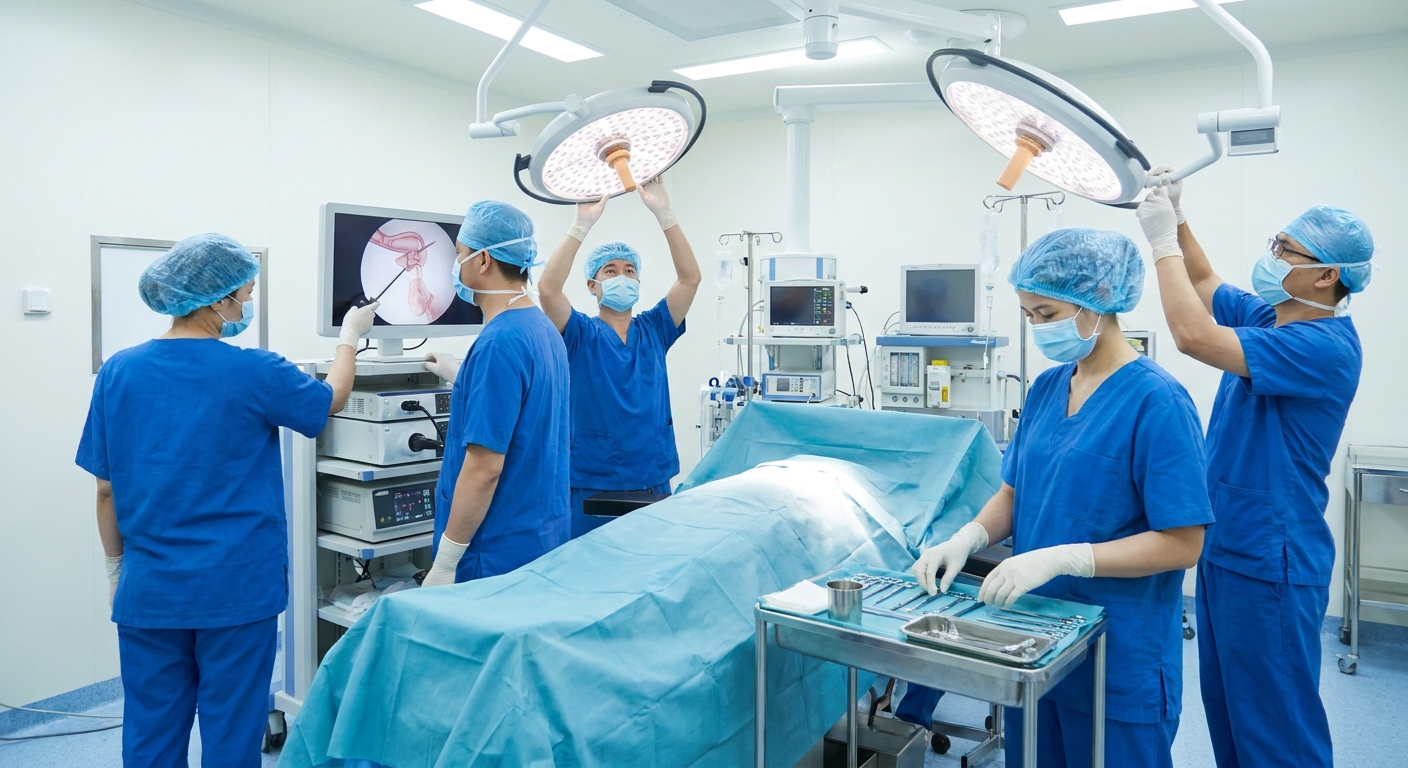
Your prostate sits just below the bladder and surrounds the urethra, the tube urine flows through. When the prostate enlarges, it can squeeze the urethra like a hand tightening around a straw.
In a TURP, a urologist inserts a thin scope through the urethra. Using a small electrified loop or similar tool, they remove prostate tissue from the inside to widen the channel so urine can pass more freely.
No external incision is typically needed because everything is done through the urethra.
Before surgery
Your care team will tailor instructions to your medical history, but many people go through a similar checklist.
Testing and planning
- Medication review: especially blood thinners, aspirin, NSAIDs, and certain supplements that can increase bleeding risk.
- Urine testing: to screen for infection. Surgery is usually delayed if you have an untreated UTI.
- Blood work and sometimes an EKG: particularly if you have heart or lung conditions or are older.
- Anesthesia evaluation: to choose the safest plan for you.
Practical prep at home
- Ask who will drive you home and stay with you the first night, especially if you go home the same day.
- Stock up on easy meals and fluids.
- Have loose, comfortable clothes ready for the trip home (a catheter can make tight waistbands uncomfortable).
During the procedure
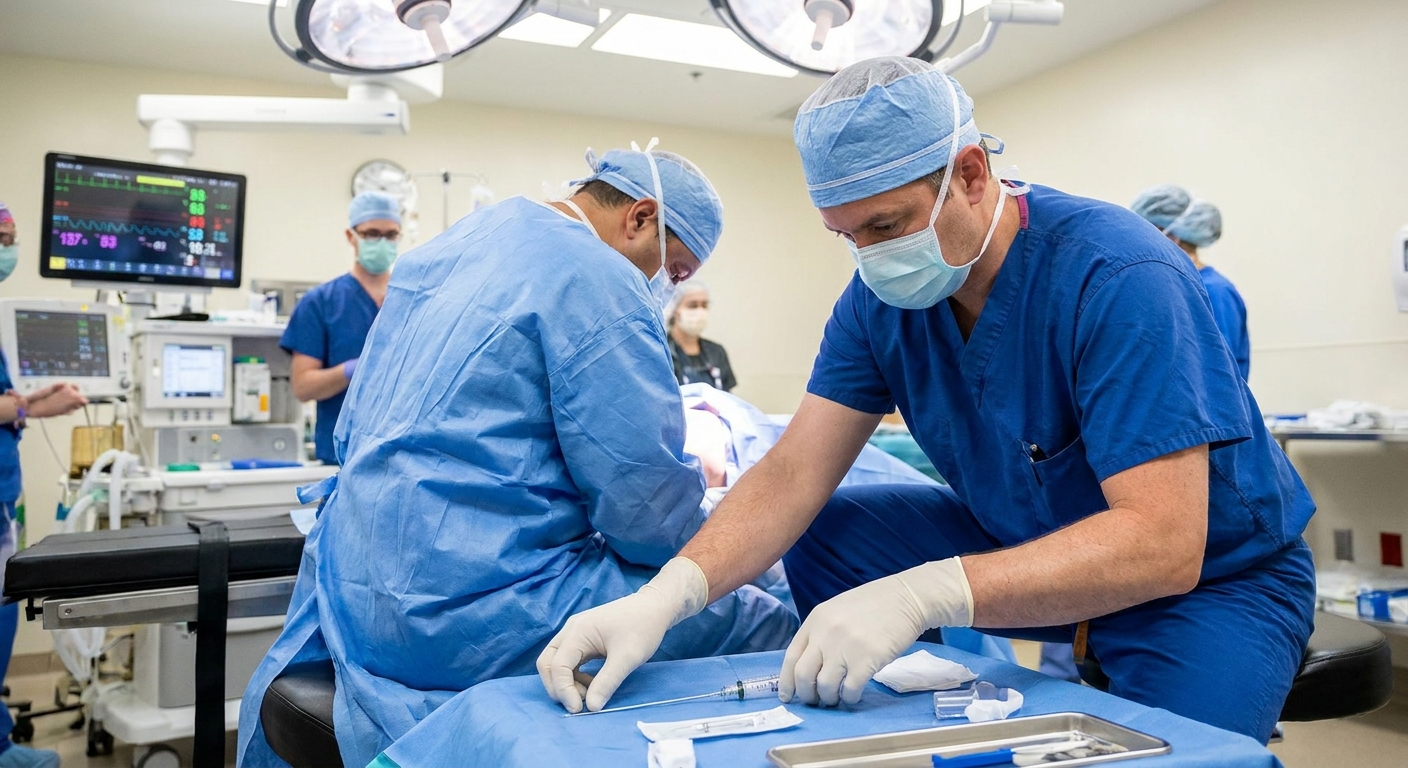
TURP is done in an operating room. You will not feel the procedure itself because anesthesia is used.
Spinal or general anesthesia
- Spinal anesthesia: medicine numbs you from about the waist down. You are awake or lightly sedated, but you should not feel pain. Some people like this option because it can mean less grogginess afterward.
- General anesthesia: you are fully asleep.
The best choice depends on your health history, the surgical plan, and what is safest for you. Your anesthesiology team will walk you through it.
Right after surgery
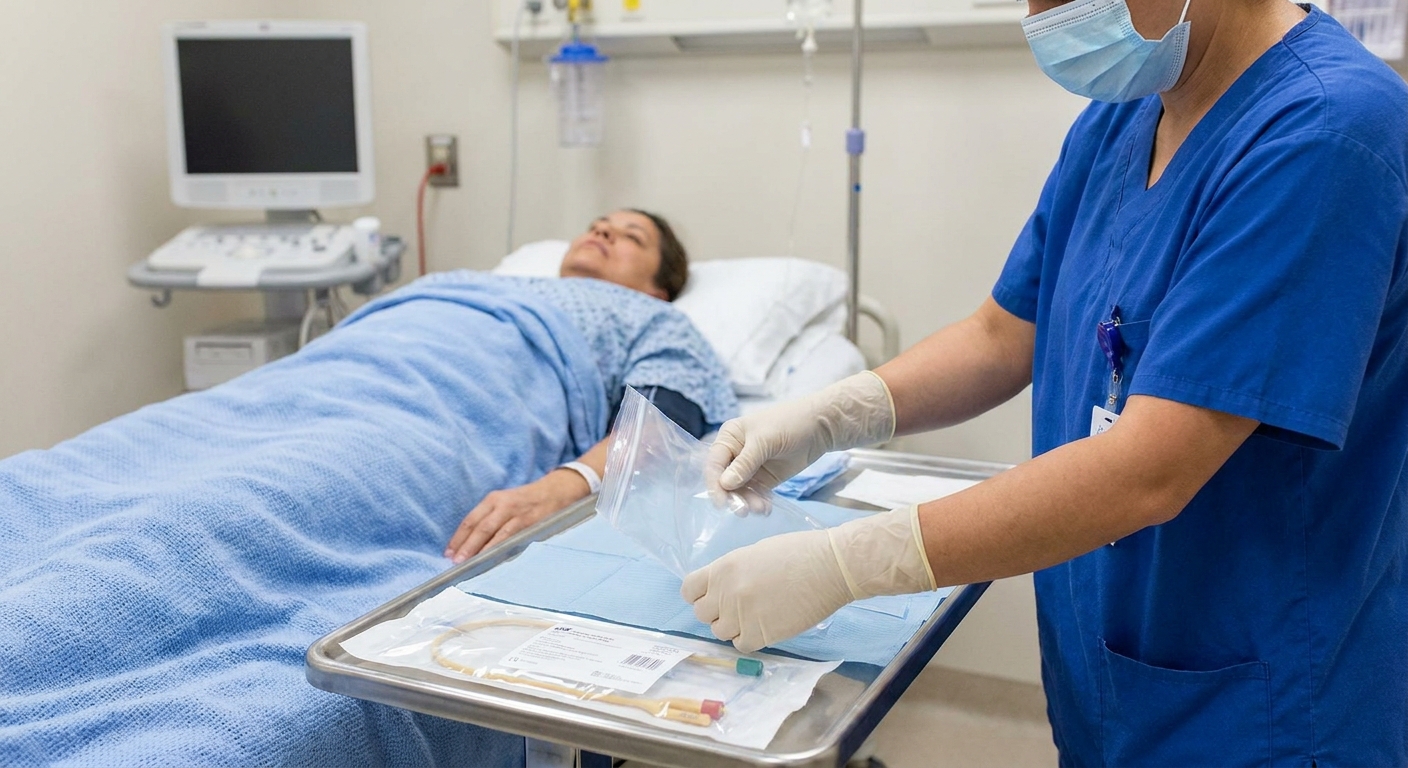
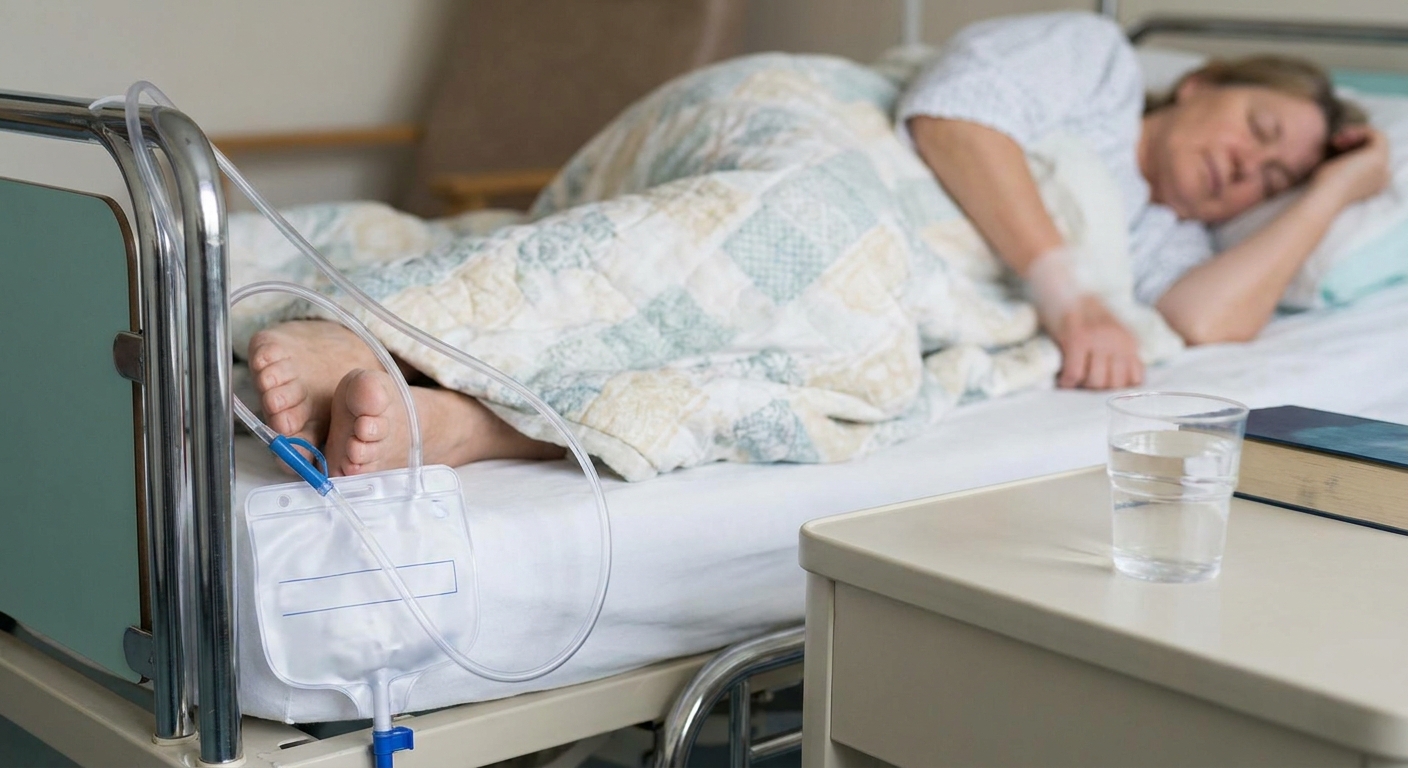
When you wake up, most people have a urinary catheter in place. This is a soft tube that drains urine from your bladder into a bag.
Why a catheter is needed
- It keeps urine flowing while the prostate area is swollen.
- It helps prevent urinary retention, meaning being unable to urinate even when your bladder is full.
- It allows the team to flush the bladder if needed to prevent clots.
Bladder irrigation
Some patients also have continuous bladder irrigation, especially if there is more bleeding or a higher risk of clotting. Sterile fluid runs into the bladder and back out through the catheter, helping keep the urine lighter and reducing clot formation. Depending on your situation, this may be used for a few hours, overnight, or not at all.
What to expect: It is common for urine to look pink, red, or tea-colored at first. Seeing small clots can also happen early on. Your nursing team watches the color and your output closely.
Hospital stay varies. Some people go home the same day, while others stay overnight. This depends on bleeding, catheter needs, your other medical conditions, and your surgeon's usual pathway.
Bleeding
Because TURP removes tissue from inside the prostate, some bleeding is expected afterward.
Normal patterns
- Pink or red urine for the first day or two is common.
- Urine may lighten, then look red again later when a scab loosens during healing, often about 1 to 2 weeks after surgery.
- Mild burning with urination can happen once the catheter is out.
Call urgently if you notice
- Bright red urine that is getting darker instead of lighter
- Large clots or the catheter stops draining
- Inability to urinate after catheter removal
- Fever (often defined as 100.4°F or 38°C or higher), chills, or worsening pelvic pain
- New or worsening shortness of breath, chest pain, or fainting
Retrograde ejaculation
One of the most common long-term changes after TURP is retrograde ejaculation. In my experience, it is not always discussed as plainly as patients would like, so I make a point to bring it up directly.
This means that during orgasm, semen travels backward into the bladder instead of out through the penis. It later leaves the body when you urinate. Orgasms can still feel pleasurable, but the amount of semen you see may be very small or absent.
Why it happens
TURP can affect the bladder neck, which normally helps direct semen outward during ejaculation.
What it means for fertility
Retrograde ejaculation can make it harder to conceive naturally, and it is often permanent. If having biological children is important to you, bring it up with your urologist before surgery so you understand your options.
Recovery timeline
Recovery varies, but a few patterns are common.
How you may feel
- Bladder spasms: crampy discomfort that can feel like an urgent need to urinate, especially with a catheter. Medications can help.
- Burning and frequency: after catheter removal, it can take time for the bladder and urethra to calm down.
- Tiredness: anesthesia, healing, and disrupted sleep can add up for a couple of weeks.
Typical early milestones
- Catheter duration: often 1 to 3 days, but in selected patients it may come out the same day or next day, and in others it may stay longer depending on bleeding, swelling, and urine flow.
- Return to light activity: usually within a few days, based on your surgeon’s instructions.
- Avoid heavy lifting and straining: commonly for several weeks, because this can trigger bleeding.
- Improvement in urine flow: some people notice improvement quickly, but it can continue to improve over weeks as swelling goes down.
If constipation is an issue, ask your clinician about stool softeners. Straining on the toilet is one of the most common triggers for renewed bleeding after TURP.
Returning to work: many people with desk work return in about 1 to 2 weeks, while jobs that involve heavy lifting may require longer. Your surgeon should give you guidance based on your role and how your recovery is going.
Sex after TURP
Many patients want to know two things: when it is safe to resume sex, and whether erections change.
- Timing: your surgeon will give the safest timeframe, commonly several weeks. The reason is to reduce bleeding risk while the area is healing.
- Erections: TURP is designed to improve urination, not sexual function. Some people notice no change in erections, while others may have temporary changes during recovery. If erectile dysfunction is already present, it may not improve with TURP.
- Ejaculation: retrograde ejaculation is common and can be permanent.
Other risks to know
No one needs a scary list, but patients deserve clear expectations. These are some additional issues your surgeon may review with you, depending on your anatomy and health history:
- UTI: infection risk is one reason urine is tested before surgery and symptoms after surgery should be taken seriously.
- Temporary leakage or urgency: some people have short-term urinary incontinence or strong urgency as the bladder adjusts. This often improves over time, but tell your surgeon if it is significant or persistent.
- Scar tissue: a urethral stricture or bladder neck narrowing can occur later and may require treatment if it causes a weak stream again.
- Need for re-treatment: TURP is effective, but some men need another procedure years later as tissue grows back or symptoms change.
- Pathology results: the resected prostate tissue is often sent to the lab. Occasionally, an unexpected prostate cancer is found. If that happens, your urologist will explain what it means and what follow-up is appropriate.
Low sodium and TURP syndrome
During TURP, fluid is used to keep the view clear. In certain situations, some of that fluid can be absorbed into the bloodstream and contribute to a low sodium level, sometimes called TURP syndrome. This is uncommon with modern techniques, and it is less likely with bipolar systems that use saline, but risk can be higher with longer operative times or larger glands.
Report right away if you develop symptoms like confusion, unusual sleepiness, severe headache, or nausea and vomiting, especially in the hours after surgery.
When to seek help
I tell patients to trust their gut. If something feels off, it is better to call than to wait. Contact your surgeon’s office or seek urgent care if you have:
- Fever, chills, or worsening pain
- Urine that becomes increasingly bloody, especially with clots
- New trouble urinating, weak stream that suddenly worsens, or inability to urinate
- Catheter problems (not draining, leaking significantly around the tube, or severe discomfort)
- Severe nausea, vomiting, or confusion
And call emergency services for chest pain, severe shortness of breath, or fainting.
Questions to ask
If you are preparing for a TURP consult or pre-op visit, these questions can help you feel more grounded and informed:
- Is this planned as same-day surgery or an overnight stay for me, and why?
- How long do you expect the catheter to stay in for my case?
- Do you think I will need bladder irrigation?
- What activity limits do you recommend, and for how long?
- What amount of bleeding is expected, and when does it become concerning?
- What is my personal risk of retrograde ejaculation?
- When can I drive, return to work, exercise, and have sex?
- Will tissue be sent to pathology, and how will I get results?
- Who do I call after hours if I cannot urinate or I am passing clots?
Bottom line
TURP can be a very effective way to relieve urinary blockage from an enlarged prostate. Most people should expect anesthesia (spinal or general), a catheter afterward, and some bleeding during healing. Retrograde ejaculation is common and is often permanent, so it deserves a clear conversation before surgery.
If you are feeling overwhelmed, bring a written list of questions to your appointment. As someone who grew up in a rural community where you did not always get a second chance to ask, I can tell you this: you deserve answers you understand, at a pace that feels respectful.