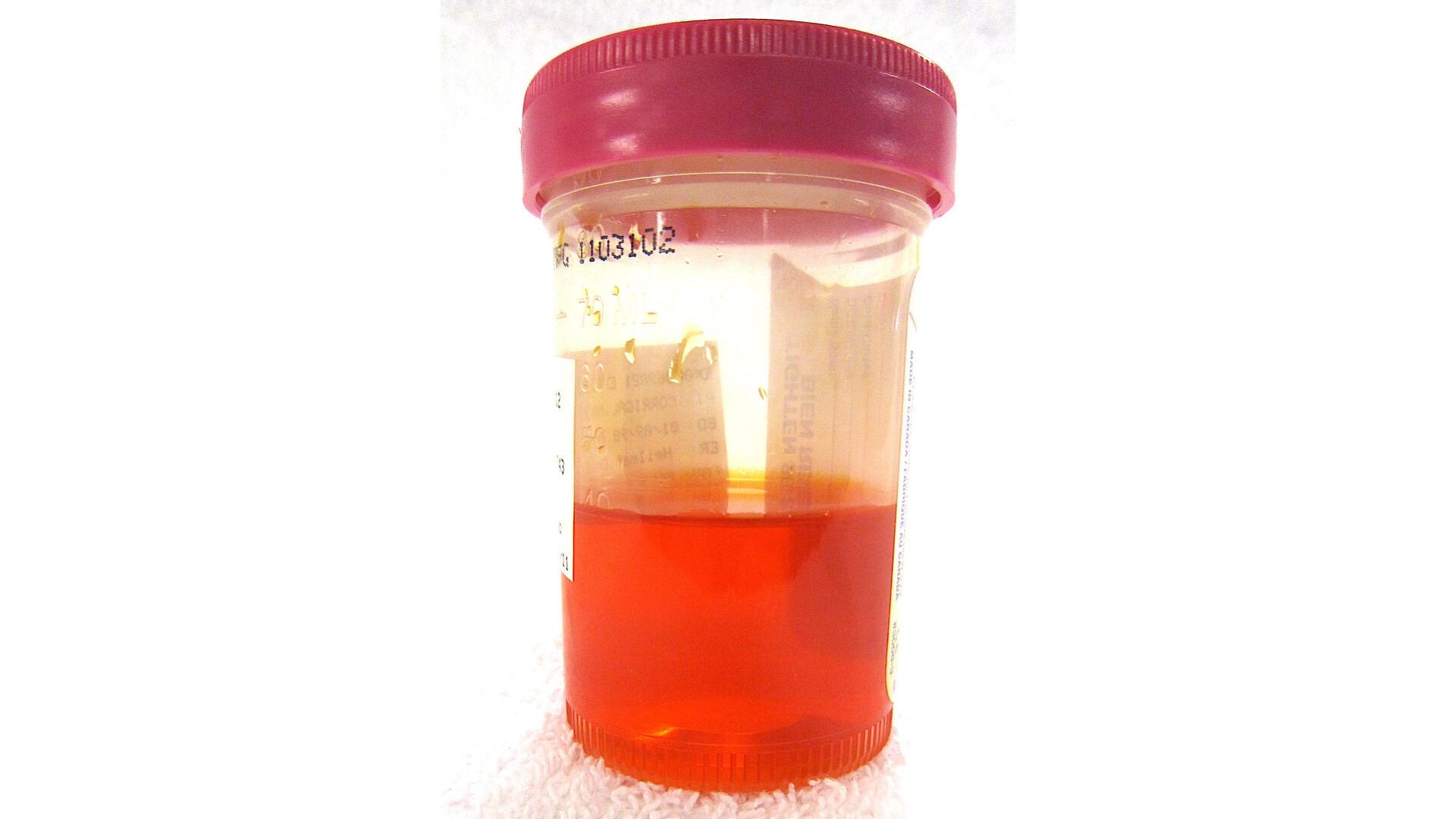
Seeing blood in semen can stop you in your tracks. I have had patients tell me it was more frightening than pain because it felt so unexpected and personal. The good news is that blood in the ejaculate, called hematospermia, is usually not an emergency and often comes from temporary inflammation in parts of the reproductive tract like the prostate or seminal vesicles. In many cases, we never find a single clear cause, and it resolves on its own.
That said, “usually” is not “always.” In this guide, I will walk you through what hematospermia is, the most common reasons it happens, and the specific situations where you should get checked out.

What it is
Hematospermia means blood mixed into semen. It may look:
- Pink- or red-tinged
- Rusty or brown
- Streaked with small red threads
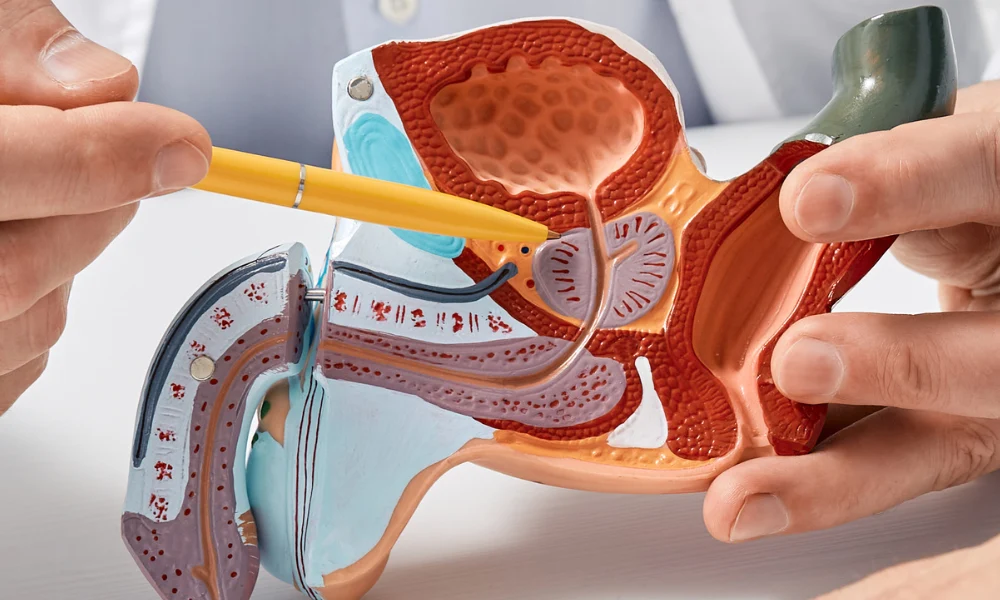
The blood can originate anywhere along the pathway semen travels, including the prostate, seminal vesicles, ejaculatory ducts, epididymis, or urethra. Even a tiny amount of bleeding can look dramatic because semen is light colored.
Common causes
In primary care and urology, most cases come down to inflammation, irritation, or infection. The prostate and seminal vesicles are frequent culprits because they contribute fluid to semen and contain many small blood vessels that can bleed when irritated.
Prostate or seminal vesicle inflammation
Prostatitis (prostate inflammation) and seminal vesiculitis (seminal vesicle inflammation) can happen with or without infection. When inflamed tissue swells, small surface vessels are easier to disrupt.
You might also notice:
- Pelvic pressure or aching
- Pain with ejaculation
- Burning with urination
- Lower back or perineal discomfort
Infection, including some STIs
Infections affecting the urethra, prostate, or epididymis can cause bleeding and irritation. Depending on the infection, symptoms may include urethral discharge, urinary burning, fever, or testicular pain. Some STIs can be subtle, so testing matters if there is any risk.
Recent procedures
Blood in semen is common after procedures involving the prostate or urethra, such as certain urology exams and treatments. It can also occur after catheter placement. The tissues are sensitive and may bleed during healing.
Minor trauma or irritation
Vigorous or prolonged sexual activity, frequent ejaculation after a long break, or a direct hit to the groin can irritate small vessels. In these cases, hematospermia often resolves on its own.
Benign growths or blocked ducts
Noncancerous changes like cysts, small stones, or blockage in the ejaculatory ducts can contribute to inflammation or pressure changes that lead to bleeding. These are less common, but they are part of why persistent symptoms deserve evaluation.
Less common causes
Less often, blood in semen can be related to broader health issues or rarer infections. These are not the first things we assume, but they matter in the right context:
- Bleeding tendency from liver disease, low platelets, inherited bleeding disorders, or blood-thinning medications
- Uncontrolled high blood pressure, which can make small vessels more prone to bleeding
- Travel-related or chronic infections (for example, tuberculosis or schistosomiasis), depending on where you live or have traveled
- Cancer of the prostate or other parts of the urinary or reproductive tract, which is uncommon but taken more seriously as age and risk factors increase
Is one episode serious?
For many people, especially younger individuals, one episode of blood in semen that clears quickly is often handled with watchful waiting and symptom monitoring, as long as there are no concerning symptoms and no known risk factors.
This is not meant to dismiss your worry. It is simply that brief inflammation or minor vessel irritation is common, and the body often resolves it without any treatment.
When watchful waiting is often reasonable
- It happened once or only a couple of times close together
- You are younger and otherwise healthy
- You feel otherwise well
- No fever, severe pain, or urinary symptoms
- No blood in urine
If you choose to monitor, it is still smart to make a note of when it happened, any associated symptoms, and whether there was recent sex, heavy exercise, illness, or a procedure.
When to get checked soon
There are a few situations where I do not want patients to “wait it out,” because you may need testing or a urology evaluation to rule out treatable problems. Risk does rise with age, especially after 40, but the decision is based on the whole picture, not a single cutoff.
Make an appointment promptly if
- Persistent or recurrent blood in semen (for example, ongoing episodes over several weeks)
- New hematospermia as you get older, especially over 40
- Blood in the urine at the same time
- Fever, chills, or feeling ill
- Significant pelvic pain, testicular pain, or pain with ejaculation that does not improve
- Urinary symptoms such as burning, urgency, weak stream, or trouble starting urination
- Known bleeding disorder or use of blood thinners (anticoagulants) and bleeding that is not clearly explained
- High STI risk or possible exposure
Those are the moments where “reassuring most of the time” should shift to “let’s verify what is going on.”
Go to urgent care or the ER if
- You cannot urinate
- You have severe testicular pain, swelling, or a high-riding testicle
- You have high fever with pelvic pain
- You have signs of significant blood loss such as dizziness, fainting, or unusual weakness, or you are seeing large amounts of bright red blood repeatedly
These situations are uncommon, but they are time sensitive. Also, semen can make small amounts of blood look like a lot, so symptoms like fainting or severe weakness matter more than trying to estimate volume.
Could it be someone else’s blood?
One practical point that gets overlooked: sometimes what looks like blood in semen is actually blood from a partner, such as vaginal bleeding.
If you are not sure of the source, using a condom once can help confirm whether the blood is coming from the ejaculate itself. If there is still blood in the semen, treat it as hematospermia and follow the guidance in this article.
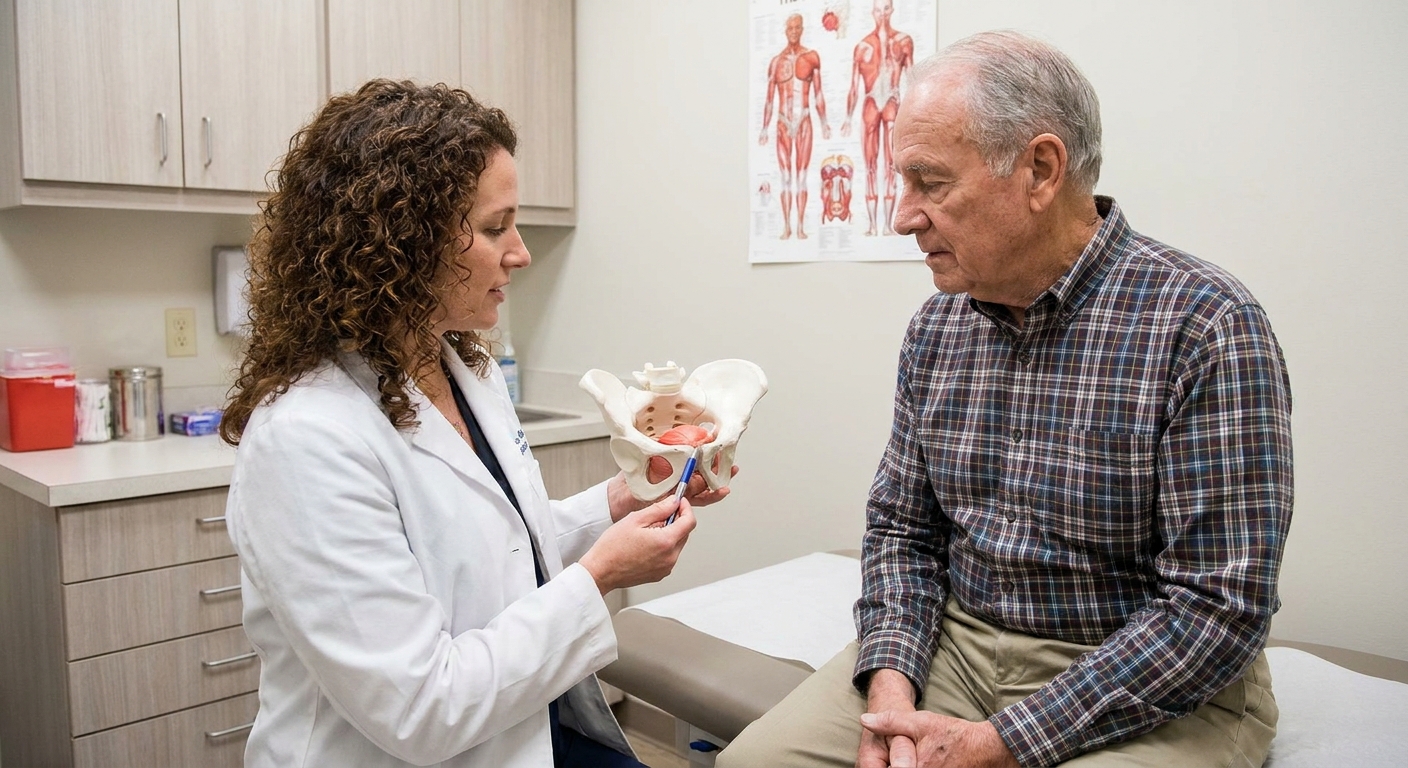
What to expect at a visit
Many people delay care because they fear a painful workup or assume the worst. In reality, evaluation often starts with a careful history and a few targeted tests.
Questions you will likely be asked
- When did you first notice it, and how many times has it happened?
- What color was it, and was it mixed throughout or streaked?
- Any pain with ejaculation, urination, or bowel movements?
- Any fever, recent illness, or recent urologic procedure?
- Any new sexual partners or concerns for STIs?
- Any history of prostate problems?
- What medications and supplements do you take, especially blood thinners?
Common tests
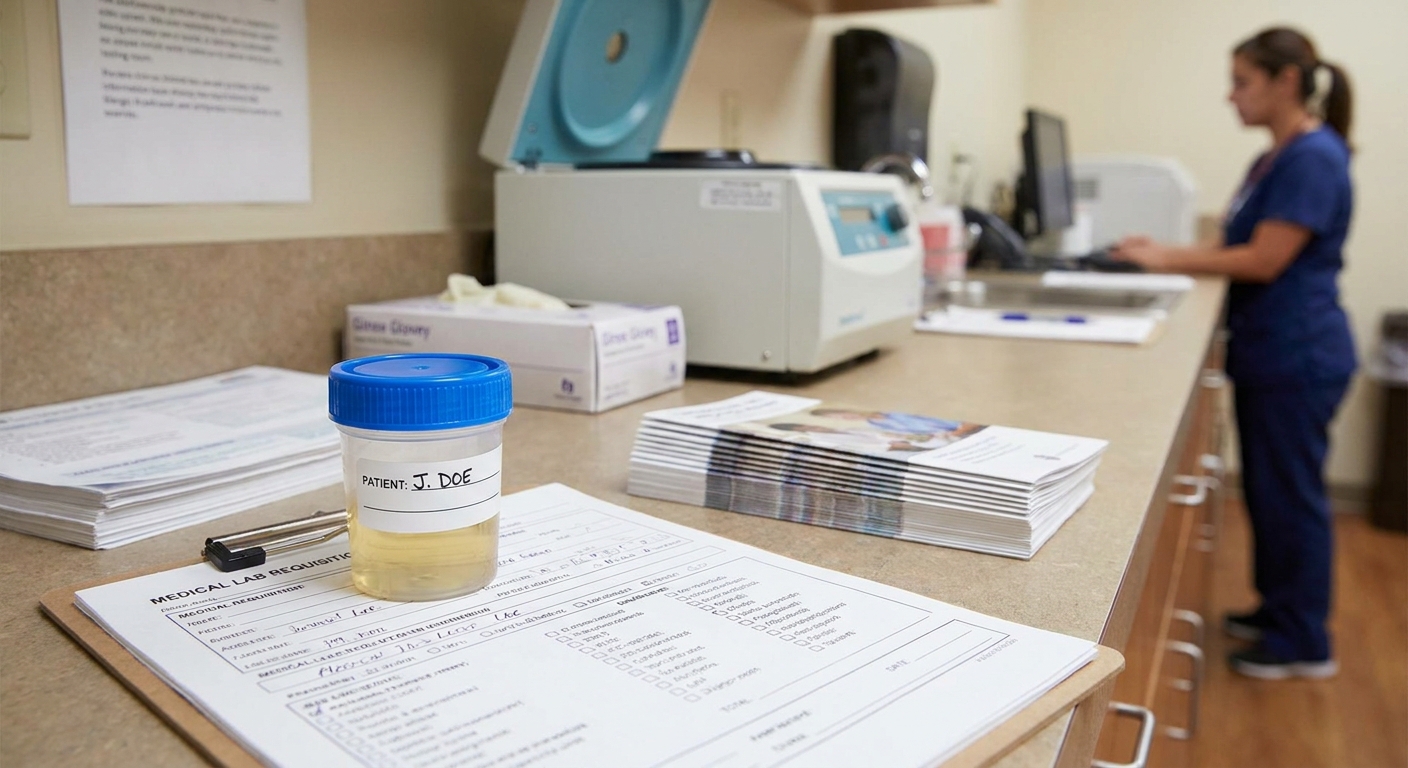
- Urinalysis to look for infection or blood
- Urine culture if infection is suspected
- STI testing when appropriate
- Physical exam, which may include an abdominal, groin, and genital exam, and sometimes a prostate exam depending on symptoms and age
If you have persistent or recurrent hematospermia, additional risk factors, or you are older, your clinician may also discuss tests such as:
- PSA blood test in context (this is individualized and depends on age, symptoms, and screening history)
- Imaging such as transrectal ultrasound or pelvic MRI to look at the prostate, seminal vesicles, and ejaculatory ducts
- Cystoscopy to look inside the urethra and bladder, particularly if there is blood in urine
These are not routine for everyone. They are considered when the pattern or risk profile calls for a deeper look.
Cancer concerns
Most of the time, hematospermia is not due to cancer. Still, because prostate and urinary tract conditions become more relevant with age, clinicians take a more cautious approach when hematospermia is new later in life or keeps recurring.
If you are in that group, please hear this clearly: being evaluated does not mean something dangerous is found. It means you deserve a thorough, age-appropriate workup so that treatable causes are not missed.
Sex and conception
From a purely physical standpoint, many people can still have sex, and hematospermia often resolves regardless. But there are two practical considerations:
- If an STI is possible, pause sex or use condoms until you are tested and treated, if needed.
- If there is pain, give your body a little rest and seek evaluation if pain persists.
If you are trying to conceive, blood in semen usually does not prevent pregnancy, but the underlying cause can matter. Persistent hematospermia, especially when linked to infection or inflammation, is worth discussing with a clinician if you are having fertility concerns.
What to do at home
If you and your clinician decide watchful waiting and symptom monitoring is appropriate, these steps can help support recovery and make it easier to spot patterns:
- Hydrate and avoid constipation, which can worsen pelvic pressure
- Avoid intense cycling or activities that put prolonged pressure on the perineum for a week or two
- Limit alcohol if you notice it worsens urinary or pelvic symptoms
- Track symptoms: urinary burning, fever, pelvic pain, frequency
- Use condoms until STI risk is clarified, if relevant
Avoid starting antibiotics on your own. The right treatment depends on whether infection is actually present.
FAQ
How long should it last?
It varies. A single episode can clear by the next ejaculation. If it continues or recurs over several weeks, that is a good threshold to seek evaluation.
Can masturbation cause it?
Masturbation itself is not harmful, but vigorous activity or frequent ejaculation after a long break can irritate tissues and trigger temporary bleeding. Persistent bleeding should still be evaluated.
What if it looks brown?
Brown or rust-colored semen often reflects older blood rather than active bleeding. It can still occur from the same causes and deserves the same watchful waiting and symptom monitoring approach.
Does it always mean a prostate problem?
No. The prostate is a common source, but bleeding can also come from the seminal vesicles, ejaculatory ducts, or urethra.
What if there is blood in semen and urine?
Yes, that changes the urgency. Blood in urine at the same time is a stronger reason to pursue prompt evaluation, including assessment of the prostate and urinary tract.
The takeaway
Blood in semen is alarming, but it is often due to inflammation or infection and resolves on its own, especially after a single episode in a younger person. In many cases, no specific cause is identified and symptoms still go away.
I want you to treat it the way we treat many health scares: take it seriously, gather a few details, and get checked sooner if it is persistent, if it is new later in life, or if you also have blood in the urine, pain, fever, or urinary symptoms.
If you are unsure which category you fall into, it is completely reasonable to call your primary care clinician or a urologist. You are not overreacting. You are paying attention.