When I explain bladder stones to patients, I usually start with a simple picture: your bladder is meant to be a temporary holding tank, not a storage unit. If urine sits in the bladder too long or does not empty fully, minerals have more time to clump together and harden into a stone.
A bladder stone can be small like a grain of sand or large enough to irritate the bladder wall and block the outlet. It can be painful and scary, especially if you see blood in your urine, but it is also very treatable once we identify what is causing urine to stick around in the first place.
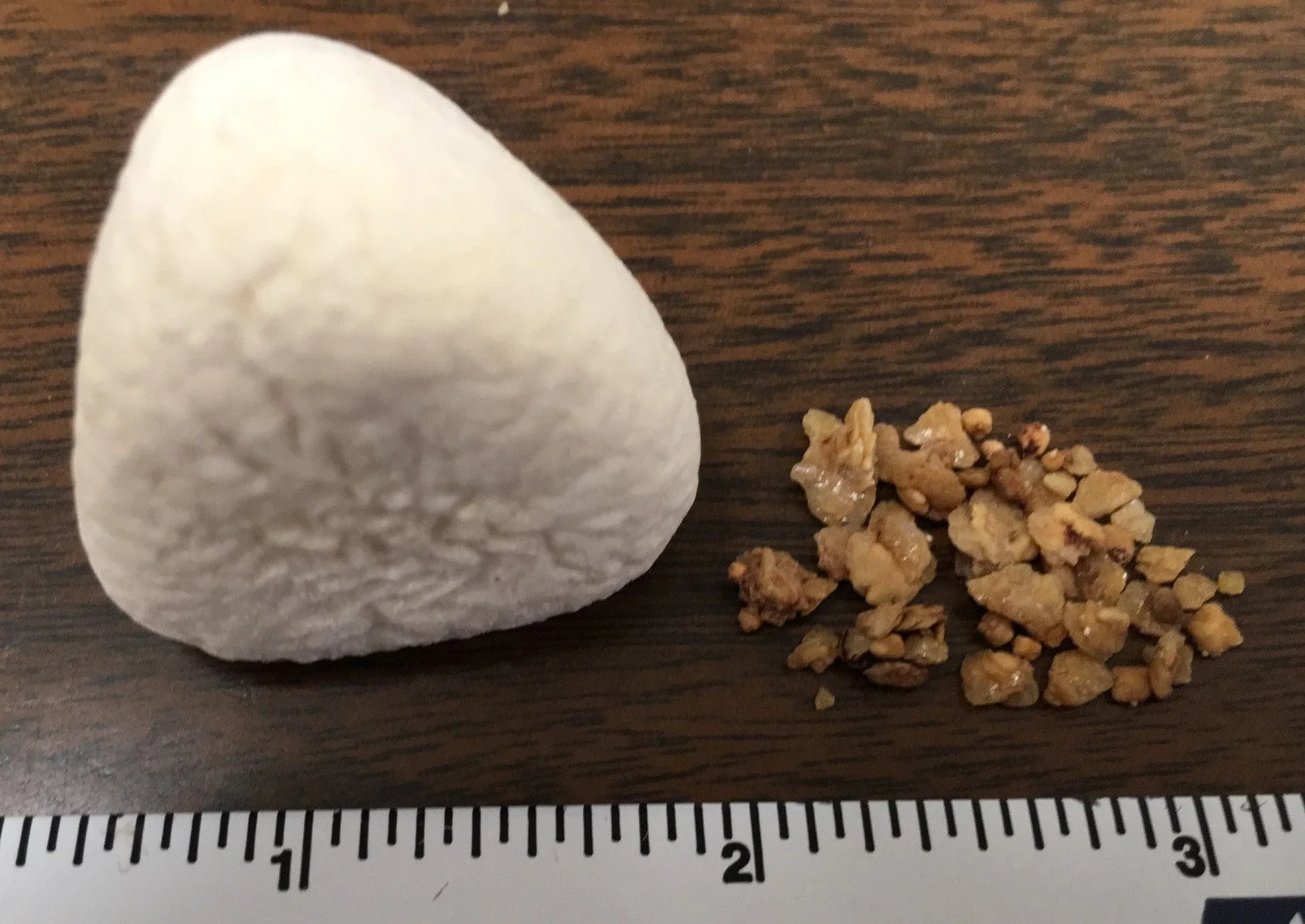
What is a bladder stone?
A bladder stone, also called a bladder calculus, is a hard deposit made from minerals that crystallize inside the bladder. Urine naturally contains minerals and salts. Most of the time they stay dissolved and leave your body when you urinate. But if urine becomes overly concentrated or sits in the bladder, those minerals can precipitate out and form crystals. Over time, crystals can grow into a stone.
Bladder stones are different from bladder “gravel” or sediment. A true stone is solid and can cause mechanical irritation or blockage.
Bladder stone vs. kidney stone
People often assume any urinary stone is a kidney stone. Kidney stones form in the kidney and may travel down the ureter toward the bladder. That journey tends to cause sudden, severe flank or back pain that comes in waves, often with nausea.
Bladder stones, on the other hand, form in the bladder itself, usually because something is preventing the bladder from emptying fully. Symptoms are often more centered around urination, such as stop-start stream, discomfort in the lower abdomen, and pain that peaks at the end of urination.
Sometimes a kidney stone reaches the bladder and then gets stuck there, acting like a seed that grows into a larger bladder stone. But in many cases, the underlying issue is bladder emptying, not the kidney.
How bladder stones form
In primary care, the pattern I watch for is urinary stasis, meaning leftover urine remains in the bladder after you try to empty it. Leftover urine concentrates minerals and gives them time to crystallize.
Common reasons urine gets left behind
- Bladder outlet obstruction, often from an enlarged prostate (BPH) in men
- Neurogenic bladder, where nerve signals to the bladder do not work properly (for example after spinal cord injury, stroke, multiple sclerosis, or diabetic nerve damage)
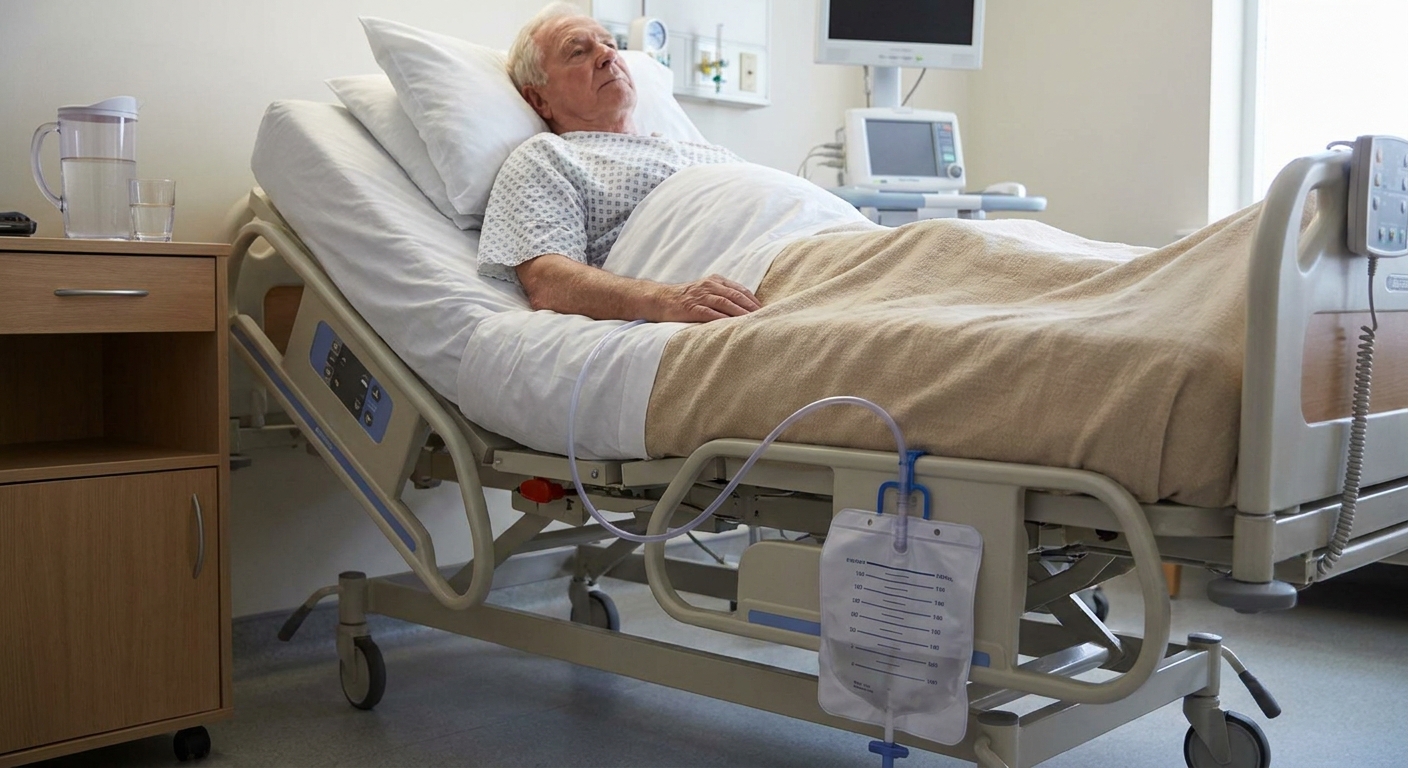
- Catheters, especially long-term indwelling catheters which can increase bacteria, irritation, and encrustation
- Bladder diverticula, small pouches where urine can pool
- Foreign material in the bladder, such as surgical sutures or devices in some situations
- Recurrent urinary tract infections (UTIs), which can change urine chemistry and promote certain stone types
- Dehydration or chronically concentrated urine, which increases crystallization risk
In kids, bladder stones are less common in many countries but can occur with dehydration, certain diets, or anatomic issues. In adults, incomplete bladder emptying is a frequent driver.
Symptoms of a bladder stone
Some bladder stones cause mild symptoms at first and worsen as they grow. Others make themselves known quickly, especially if they irritate the bladder neck or urethra.
Common signs and symptoms
- Stop-start urine stream or stream that suddenly cuts off and then resumes
- Pain at the end of urination, sometimes described as a sharp, squeezing ache as the bladder contracts down
- Burning with urination
- Frequent urination and urgency, including waking at night to urinate (nocturia)
- Lower abdominal or pelvic pain
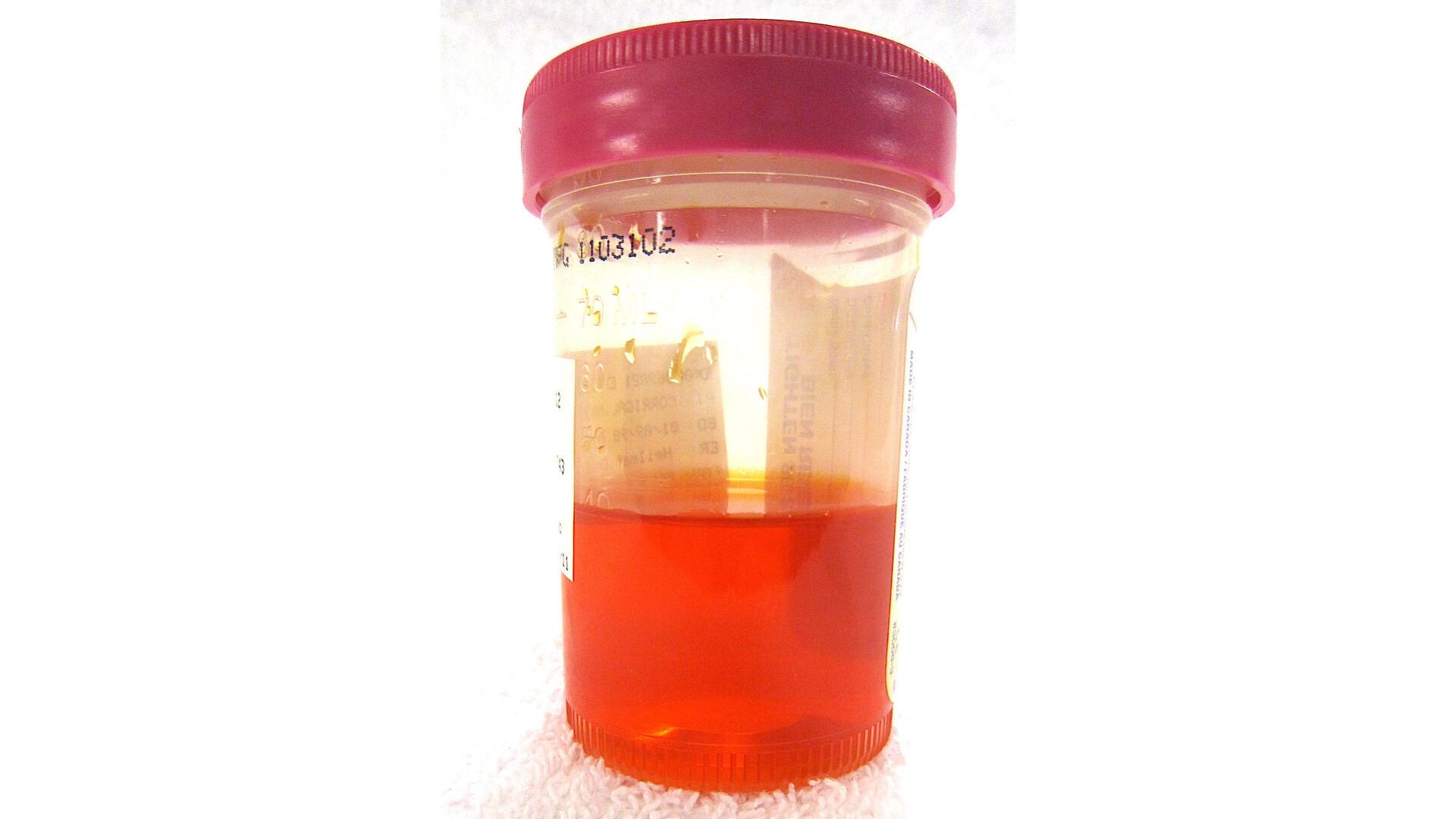
- Blood in the urine (pink, red, or tea-colored urine)
- Cloudy or foul-smelling urine, especially if infection is present
- Difficulty fully emptying, or feeling like you still need to go right after urinating
In some men, pain may be felt at the tip of the penis because of referred discomfort.
If you have a catheter, clues can include catheter blockage, poor drainage, urine leaking around the catheter, or recurrent catheter-associated UTIs.
Can a bladder stone cause blood in urine?
Yes. A stone can scrape and inflame the bladder lining, which can lead to bleeding. The amount can range from a few red blood cells found on a urine test to visible red urine.
That said, blood in the urine should always be evaluated, even if you suspect a stone. Blood can also come from infection, prostate issues, certain medications, kidney disease, or (less commonly but importantly) urinary tract cancers. You deserve a clear answer, not a guess.
How bladder stones are diagnosed
Diagnosis usually starts with a symptom history and a basic exam, then moves quickly to urine testing and imaging.
Tests your clinician may order
- Urinalysis to look for blood, infection signs, and crystals
- Urine culture if infection is suspected
- Imaging, such as ultrasound, plain X-ray (KUB), or CT scan, to identify stones and check for blockage or other issues
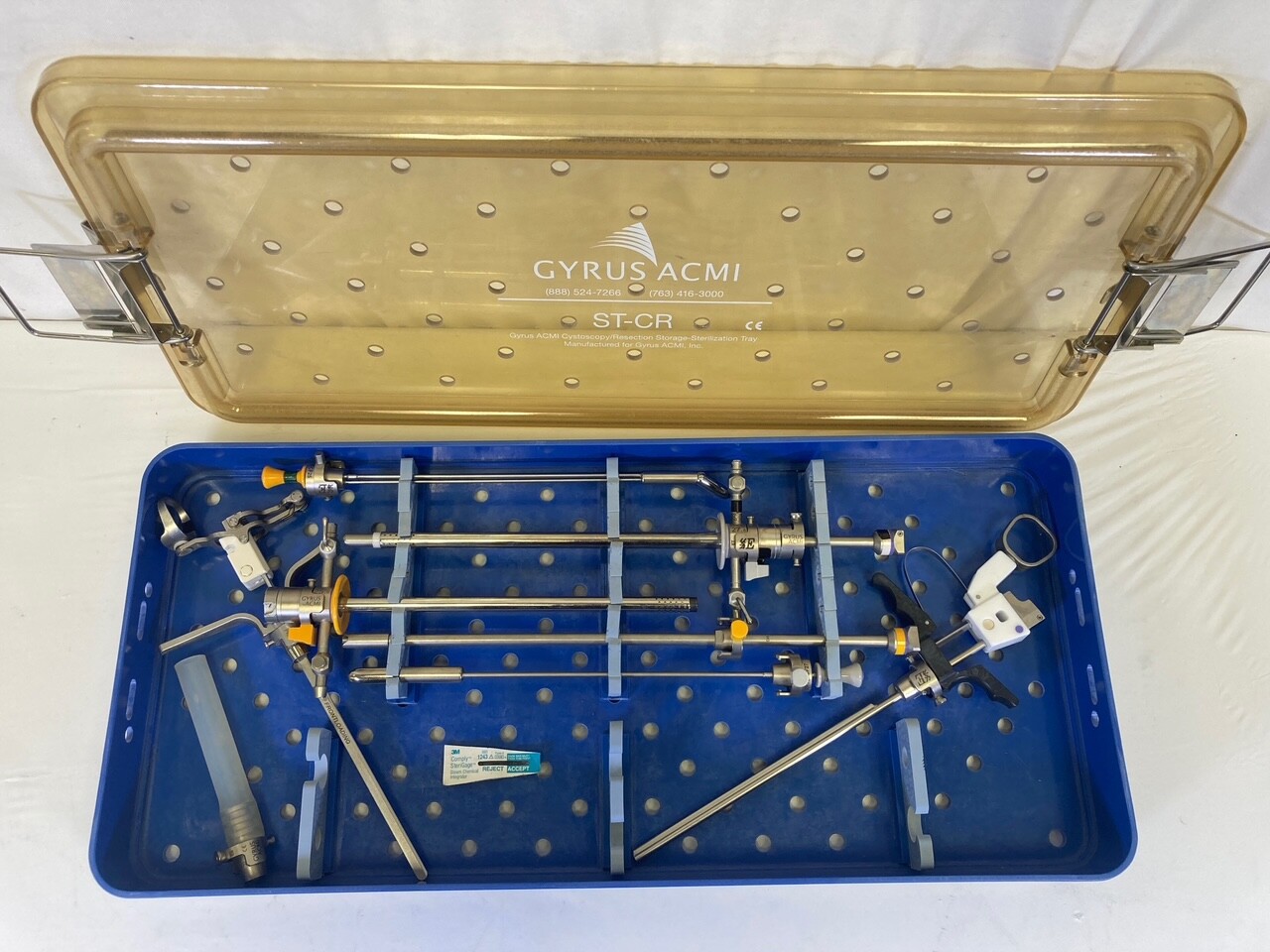
- Cystoscopy, where a thin camera is passed through the urethra to look directly into the bladder
Cystoscopy is especially useful because it can confirm the stone and help plan removal. It also allows your urologist to look for other problems like bladder diverticula, strictures, or tumors if bleeding is unexplained.
Stone types and why they matter
If this is your first stone, you may never need to know the exact composition. But if stones recur, or if infection or catheter issues are in the mix, stone type can help guide prevention.
- Calcium-based stones can occur throughout the urinary tract and may form when urine is concentrated or when there are metabolic contributors.
- Uric acid stones can be associated with persistently acidic urine and can be harder to see on plain X-ray in some cases.
- Struvite stones are often linked to chronic infection with certain bacteria and are more likely when there is urinary stasis, foreign material, or long-term catheter use.
When a stone is removed, I usually encourage patients to ask whether it can be sent for analysis. It is one of the simplest ways to get more specific about prevention.
Treatment: how bladder stones are removed
Unlike some small kidney stones that may pass on their own, bladder stones often need procedural removal, especially if they are causing symptoms or if there is an underlying emptying problem.
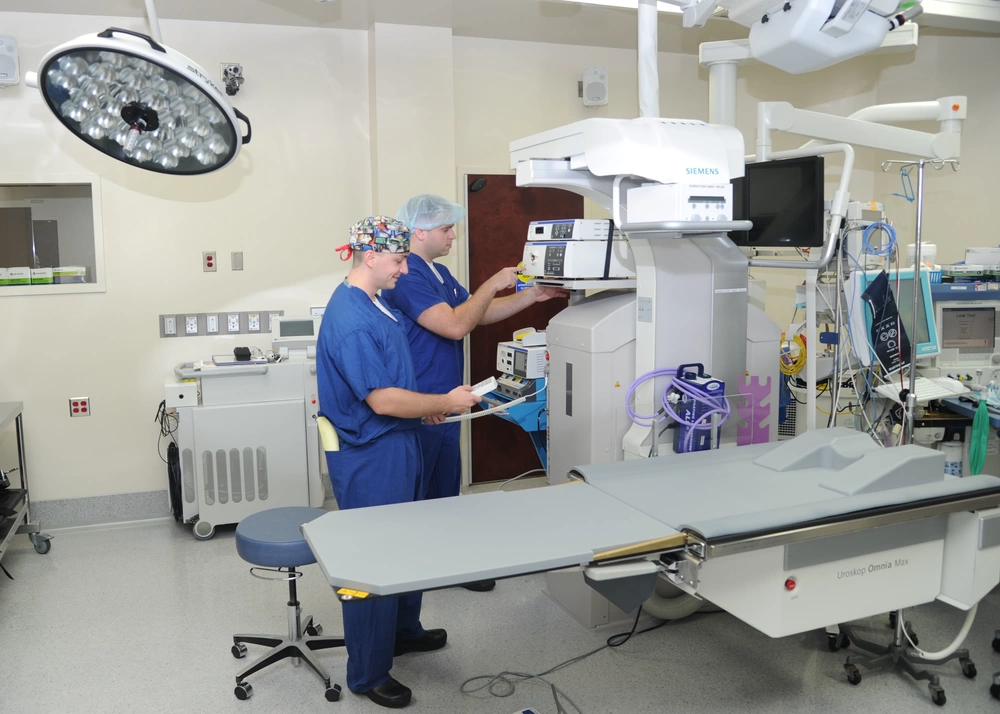
Cystoscopic removal
The most common treatment is cystoscopic removal. A urologist inserts a cystoscope through the urethra into the bladder. The stone may be:
- Removed with a small basket if it is small enough, or
- Broken into pieces (cystolitholapaxy) using energy (often laser or ultrasound) and then irrigated and suctioned out
This is done with anesthesia or sedation depending on the situation and the size of the stone.
Other procedures
If the stone is very large, if anatomy makes the urethral route difficult, or if another operation is planned at the same time (such as prostate surgery for obstruction), your urologist may recommend removal through a small suprapubic or percutaneous approach, or more rarely an open procedure.
Treating the cause matters
Removing the stone is only part of care. Preventing another stone often means addressing what led to urine stasis, such as:
- Managing an enlarged prostate
- Evaluating for urethral stricture or bladder diverticula
- Optimizing catheter care or switching catheter types when appropriate
- Improving bladder emptying strategies in neurogenic bladder (sometimes including intermittent catheterization)
- Treating and preventing recurrent UTIs
What to do at home
If you think you may have a bladder stone, you can support your body while you get evaluated, but avoid trying to “treat” it on your own.
- Hydrate steadily unless you have been told to restrict fluids for heart or kidney disease. Aim for pale yellow urine.
- Do not ignore urinary retention. If you cannot urinate at all, that is an urgent problem.
- Use pain medicine carefully. Acetaminophen or ibuprofen can help for some people if you can take them safely. If you have kidney disease, stomach ulcers, are on blood thinners, or are pregnant, check with a clinician first.
- Avoid leftover antibiotics. If infection is part of the picture, you want the right medication based on testing.
- Skip “stone dissolvers” and supplements unless your clinician recommends them. Many over-the-counter products are unproven, and some can complicate things.
- Track your symptoms, including fever, visible blood, urine stream changes, and any inability to urinate.
When to seek urgent care
Go to urgent care or the emergency department if you have any of the following:
- Inability to urinate (complete blockage)
- Fever, chills, or feeling very ill, especially with urinary symptoms
- Severe pain that is not controlled with over-the-counter options
- Heavy or persistent blood in the urine, blood clots, or dizziness
- Catheter not draining or significant leakage around a catheter with discomfort or bladder distention
These can signal obstruction, significant bleeding, or infection that needs prompt treatment.
Bladder stone prevention
Prevention depends on why the stone formed, but these basics help many people:
- Stay well hydrated to keep urine dilute.
- Address incomplete emptying. If you often feel you cannot fully empty, ask about a post-void residual measurement and urology evaluation.
- Manage UTIs promptly and investigate recurrent infections.
- Follow catheter care guidance if you use a catheter, including proper hygiene and timely catheter changes as directed.
- Review medications and supplements with your clinician if stones are recurrent.
After a stone is removed, follow-up often includes making sure the bladder is actually emptying well and, in people with repeat stones, considering a broader evaluation for contributing factors.
FAQ
Can a bladder stone pass on its own?
Small stones can sometimes pass, but many do not, especially if there is an underlying blockage or poor bladder emptying. If symptoms are present, it is best to be evaluated rather than waiting.
Does it always hurt?
No. Some bladder stones are discovered during an evaluation for recurrent UTIs, blood in the urine, or urinary retention. Others cause noticeable pain, especially at the end of urination.
Is a bladder stone the same as a UTI?
No, but they can be connected. A stone can irritate the bladder and make infections more likely. A UTI can also change urine chemistry and contribute to stone formation. Treating both the stone and any infection is important.
What does a stop-start stream mean?
It means urine flow intermittently stops and starts during a single trip to the bathroom. A bladder stone can roll and temporarily block the bladder outlet, especially as the bladder empties and squeezes down.
Will cystoscopy hurt?
People’s experiences vary. Cystoscopy for diagnosis may be done with local numbing and can feel uncomfortable or pressure-like. Stone removal is commonly done with sedation or anesthesia. Your urology team can explain what to expect for your specific situation.