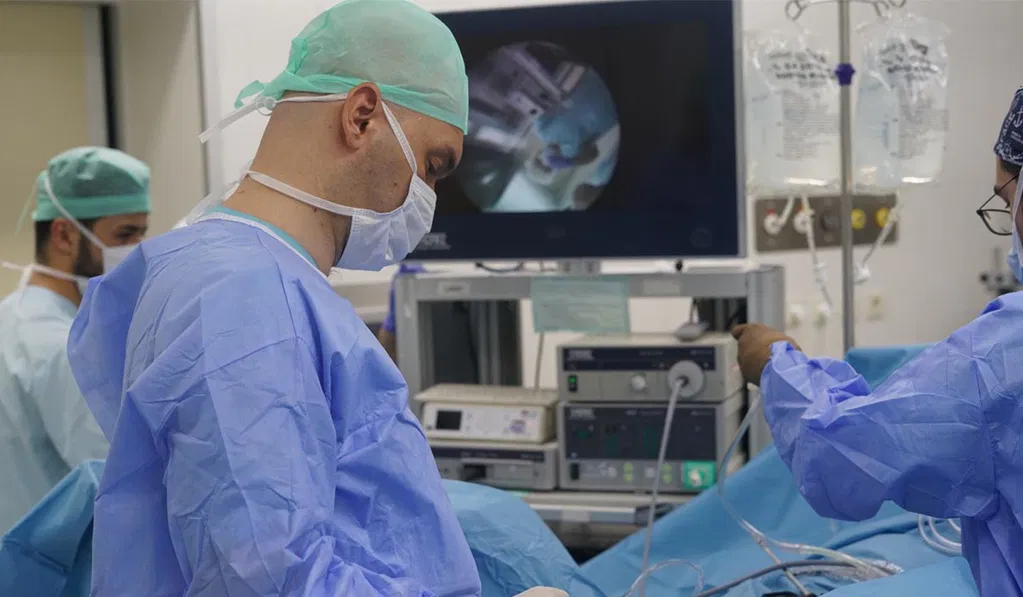
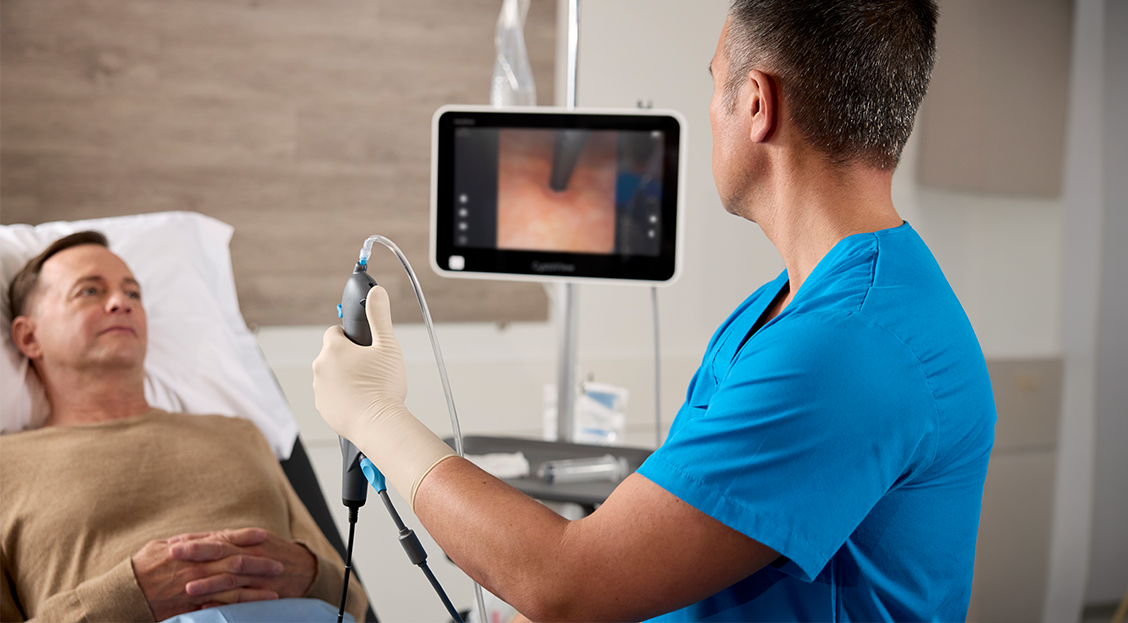
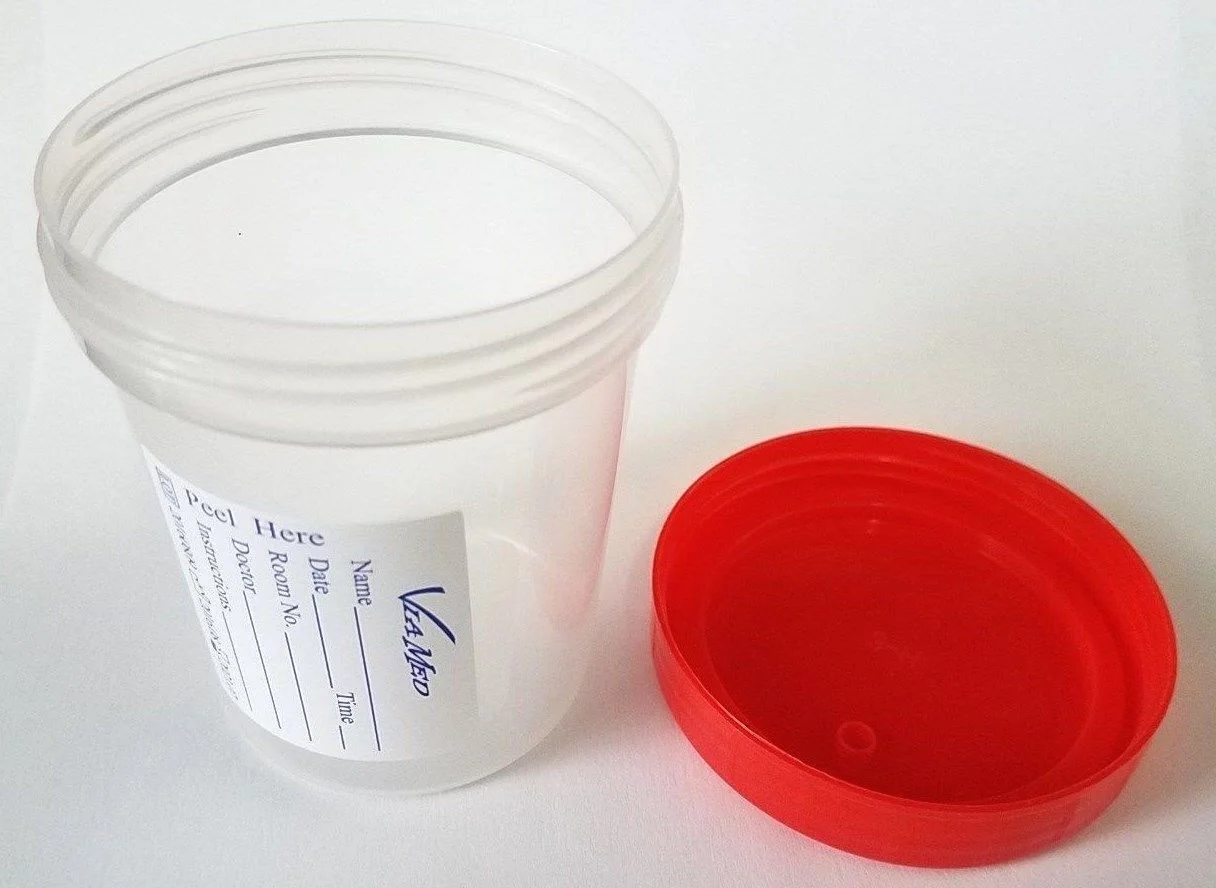
When I explain intravesical chemotherapy to patients, I often start with a reassuring truth: this is chemotherapy, but it is not the same experience as IV chemo that circulates through your whole body. Intravesical chemotherapy means the medication is placed directly into the bladder through a small catheter, held there for a set amount of time, then you void it out when instructed. Many people are surprised by how “appointment-like” it feels once you know the steps, meaning it is usually routine, predictable, and outpatient.
This article walks you through what typically happens during an intravesical chemotherapy visit, using common medications like mitomycin and gemcitabine. I will also separate two very different scenarios: a one-time dose given soon after a bladder tumor is removed, versus a planned multi-week course. Along the way, I will cover chemical cystitis, which is irritation of the bladder lining that can feel like a UTI, and how to handle your first voids at home safely.
Intravesical chemo basics
Your bladder is a hollow muscular organ that stores urine. In intravesical chemotherapy, the medication is placed inside the bladder so it can bathe the bladder lining directly. The goal is to reduce the chance of tumor cells growing back, especially in non–muscle-invasive bladder cancer (NMIBC).
Because the drug is intended to stay in the bladder and then be voided, side effects are usually local, meaning they mainly involve the bladder and urinary tract. Systemic side effects like hair loss are uncommon. Rarely, more drug can be absorbed into the bloodstream, which is one reason clinicians avoid instillation when there is concern for bladder perforation or significant mucosal disruption.
Common drugs
- Mitomycin C
- Gemcitabine
- Docetaxel in some protocols, often in combination with gemcitabine
Your urology team chooses the medication based on tumor features, recurrence risk, medication availability, and your prior treatments and tolerance.
One-time dose vs multi-week course
People often use the phrase “bladder chemo” to mean several different things. Clinically, there are two common patterns, and they feel different from a scheduling and expectation standpoint.
1) One-time dose after tumor removal
This is sometimes done after a bladder tumor resection (often the same day, or within about 24 hours, depending on your surgeon’s judgment). The goal is to reduce early recurrence risk by disabling stray tumor cells that may be floating in the bladder right after the procedure. You can think of it as preventing tumor cell “implantation” and early regrowth.
Not everyone is a candidate. Your surgeon may avoid this one-time instillation if there is concern about bladder perforation, significant bleeding, or other safety issues. If you were told you are not receiving it, it is not necessarily “missed care.” It is often a safety decision.
2) Planned multi-week course
This is what many patients picture when they hear “intravesical chemotherapy.” It is usually done in the clinic weekly for several weeks (a common induction course is 6 weeks, but protocols vary). Some patients then go on to maintenance dosing at spaced intervals, depending on risk level and how well the treatment is working.
With a multi-week course, the goal is longer-term recurrence reduction, and in some risk groups, lowering the chance of the cancer becoming more aggressive. Your team is focused on consistency. Small comfort measures, good hydration habits, and a plan for side effects can make a big difference week to week.
What the visit is like
Exact routines vary by clinic, but most intravesical chemotherapy visits follow the same basic flow.
Before you arrive
- You may be asked to limit fluids for a few hours beforehand. The goal is to help you hold the medication without feeling overly full.
- Tell the clinic about urinary symptoms such as burning, fever, chills, or new foul-smelling urine. If there is concern for a urinary tract infection, your team may test your urine and may postpone treatment.
- Ask about timing with other meds such as diuretics, bladder spasm medications, or anticoagulants. Do not stop prescribed blood thinners unless your prescriber specifically tells you to.
Check-in and urine screening
Many clinics start with a quick symptom check and sometimes a urine dip test. This is to look for signs of infection or significant blood.
Catheter placement
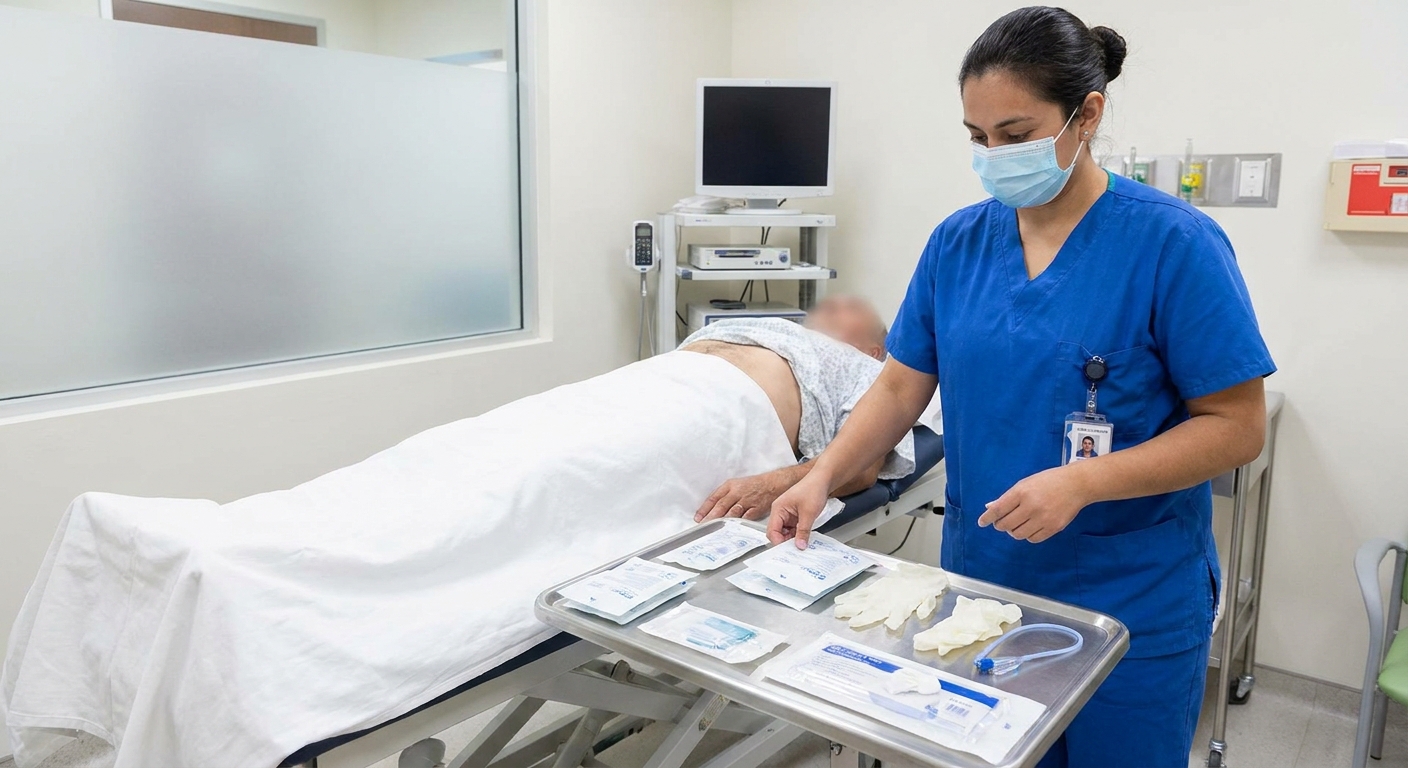
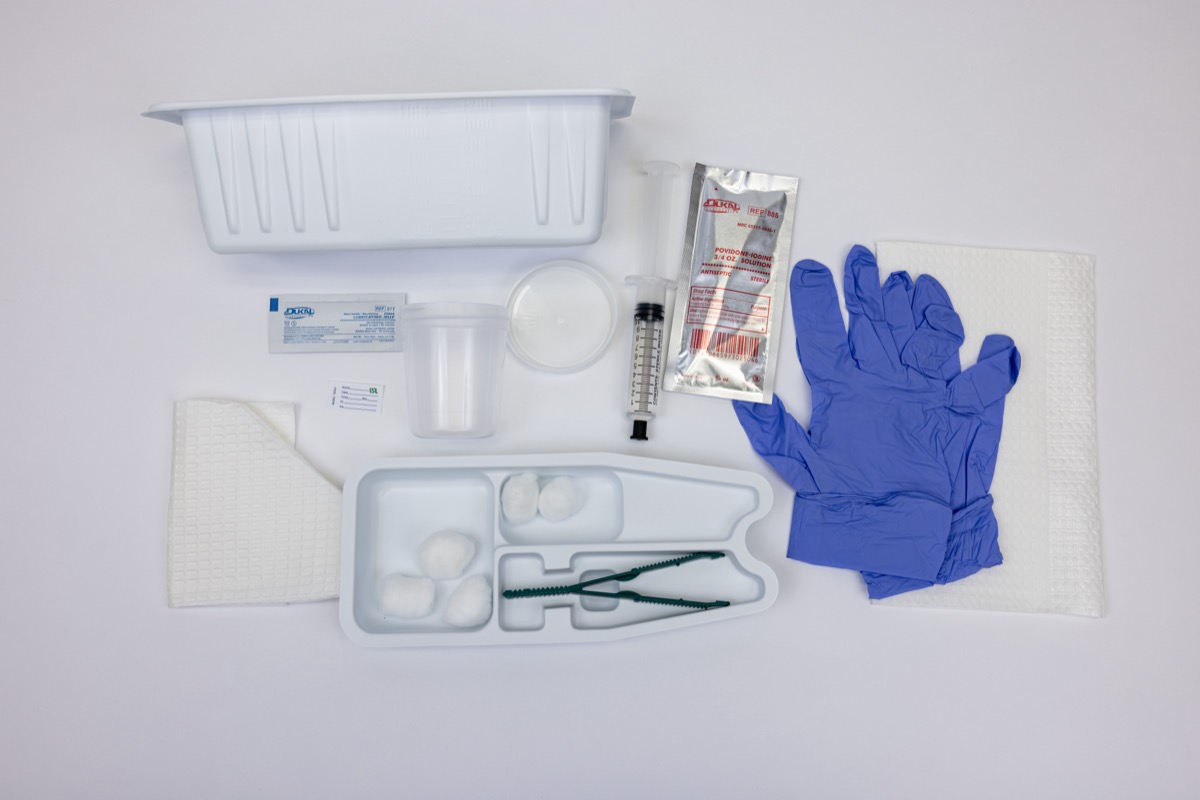
You will lie on an exam table. A nurse or clinician cleans the urethral area with antiseptic and uses sterile technique to place a small urinary catheter.
This part can feel awkward and uncomfortable, but it is usually brief. You may feel a pinch or pressure and then a sensation of needing to urinate as the catheter enters the bladder.
Draining the bladder first
If there is urine in the bladder, it is typically drained through the catheter before the medication goes in. This helps ensure the medication is not overly diluted and can contact the bladder lining more effectively.
Medication instillation
The chemotherapy solution is pushed through the catheter into the bladder. The catheter may then be removed right away, or in some settings it is clamped briefly and removed shortly after. Most outpatient protocols remove it promptly.
Hold time
You will be instructed to hold the medication in your bladder for a set time, often around 1 to 2 hours, depending on the drug and clinic protocol.
Clinics handle this in different ways:
- Some have you stay in the clinic during the hold time.
- Some clinics may allow you to leave and go home, then void at home at the proper time, but only if you are explicitly instructed to do so and given safety steps.
During the hold time, you might be asked to change positions occasionally so the medication contacts different areas of the bladder lining. Follow your clinic’s instructions.
When treatment is delayed
Sometimes the safest plan is to skip or delay an instillation that day. Your clinician makes that call, but common reasons include:
- Concern for bladder perforation or significant injury to the bladder lining
- Active UTI or concerning symptoms while you are being evaluated
- Significant bleeding or heavy visible blood in the urine
- Traumatic catheterization that causes substantial pain or bleeding
- Inability to retain the medication long enough for your planned dwell time, especially if it creates a safety issue at home
If you get sent home without treatment, it can feel discouraging. Most of the time, it is a careful risk-benefit decision, not a sign that anything went wrong.
What you may feel
Many people tolerate intravesical chemo very well, especially after the first visit, when the unknowns feel less scary. That said, bladder tissue is sensitive, and irritation is common.
Common sensations
- Urgency, like you need to urinate even though you are trying to hold the medication
- Bladder pressure or cramping
- Mild burning with urination later that day
- More frequent urination for a day or two
Chemical cystitis
Chemical cystitis is irritation and inflammation of the bladder lining caused by the medication itself. It can feel very similar to a urinary tract infection, including:
- Burning or stinging when you pee
- Urgency and frequency
- Pelvic discomfort or bladder spasms
- Feeling like you cannot fully empty
Here is the key: chemical cystitis is not the same thing as infection. But symptoms can overlap, and you should still call your clinic if you have severe pain, fever, chills, or symptoms that persist or worsen. Your team may want a urine test to make sure infection is not present.
How long side effects last
Many people notice the most irritation in the first 24 to 48 hours after instillation, then gradual improvement. With multi-week courses, some irritation can accumulate over time, and your team may adjust timing, add supportive medications, or recommend a brief pause if symptoms become intense.
First void safety at home
This is the part that patients rarely hear explained clearly, and it matters because the medication is leaving your body in the urine. Your clinic will give you specific instructions, and you should follow their protocol first. What I am sharing here is the usual logic behind those instructions so it feels less intimidating.
Why it matters
After intravesical chemotherapy, some medication can still be present in your urine for a period of time. The goal is to reduce skin contact and reduce the chance of exposing other people in your household.
Typical precautions
Protocols vary by medication and institution, but many clinics emphasize extra care for the first several voids, or for a set window such as the first 6 to 12 hours. Follow your clinic’s directions.
- Sit to urinate if possible, even for men. This reduces splashing.
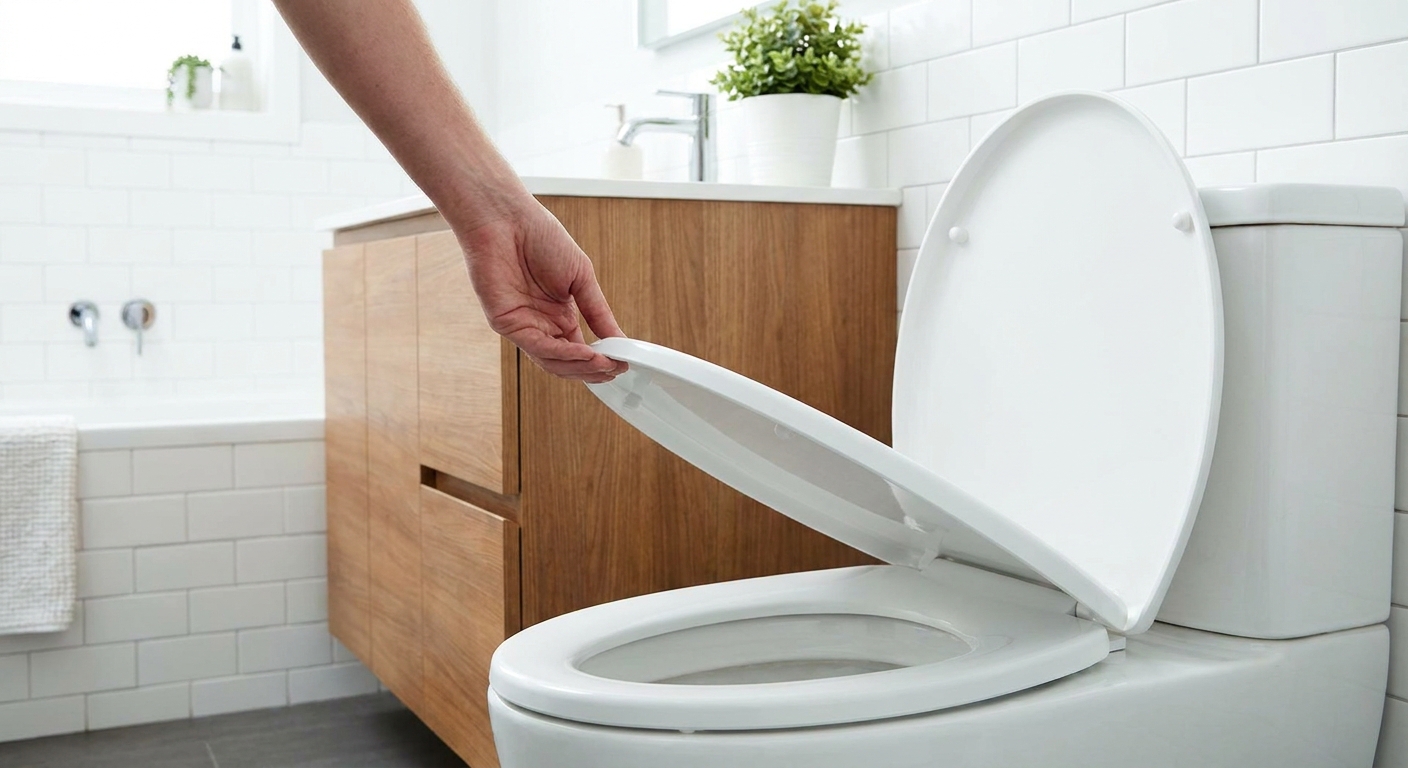
- Close the lid and flush after urinating. Some clinics recommend flushing twice for the first several voids.
- Wash hands well with soap and water afterward.
- Clean any splashes on the toilet or floor promptly. Disposable gloves are helpful if you have them.
- Launder any urine-soiled clothing separately using regular detergent.
If you are sexually active, ask your care team what they recommend after each treatment. Depending on the drug and protocol, they may advise barrier protection for a set period and may advise avoiding intercourse for a period of time if you have significant irritation.
If you have incontinence or use pads
Tell your urology team ahead of time if you leak urine, use briefs, or have trouble holding urine for the full dwell time. They can help plan for safer handling of pads or briefs, and they may modify instructions so you are not trying to push through an unrealistic hold time.
At home, treat urine-soaked pads and briefs as potentially contaminated for the timeframe your clinic specifies. Seal them in a bag before disposing. Wash skin gently if urine contacts it, and consider a barrier cream if your skin is easily irritated.
If urine spills at home
If you have a spill, do not panic. If available, put on disposable gloves, blot the area with disposable paper towels, and clean the surface with household disinfectant. Place used towels and gloves in a sealed bag before discarding, then wash your hands well. If the spill is large or involves carpet or bedding, call your clinic for guidance based on the medication you received.
Making the day easier
Comfort tips
- Wear comfortable clothing that is easy to remove and put back on.
- Plan your drive so you have access to a bathroom, especially if you tend to have urgency after instillation.
- Hydrate after the hold time is over unless your clinician gave you fluid restrictions. Extra fluids can help dilute urine and reduce burning.
- Ask about symptom relief if you get bladder spasms. Some patients are prescribed medications to relax the bladder.
When to call urgently
- Fever, especially 100.4°F (38°C) or higher, or chills
- Severe pelvic pain or worsening bladder pain that is not improving
- Inability to urinate
- Significant nausea, vomiting, or feeling faint
- New or concerning symptoms that feel out of proportion to prior treatments
Even though this treatment is localized, you deserve prompt support if something feels off. Trust your instincts and call.
FAQ
Is intravesical chemotherapy the same as BCG?
No. BCG is an intravesical immunotherapy, not chemotherapy. The visit setup can look similar because it is also placed through a catheter, but the medication, immune effects, and side effect patterns differ. If your plan is mitomycin or gemcitabine, you are not getting a BCG visit.
If you have recently had BCG, or if you think you might be receiving BCG, bring that up directly. Fever after BCG can be especially urgent and should be reported promptly.
Will I lose my hair or feel sick like IV chemo?
Hair loss and whole-body side effects are uncommon with intravesical chemo because the drug is intended to stay mainly inside the bladder and then be voided. Rare systemic absorption can occur, and your clinician will review your individual risk. Some people also feel tired or “off” after treatment, especially if they are stressed, not sleeping well, or dealing with urinary discomfort.
How long does the appointment take?
The catheter placement and medication instillation are usually fairly quick. The total time depends on your clinic’s workflow and whether you stay there for the full hold time. When you schedule, ask, “Will I be in the clinic for the dwell time, or can I go home and void there?”
Can I be around my family afterward?
In most cases, yes. The main caution is safe bathroom handling for the first voids, according to your clinic’s guidance. If you have small children at home who might touch the toilet area or if you share a bathroom, be extra diligent about flushing, cleaning, and handwashing.
What if I cannot hold the medication the full time?
Tell your clinic. Do not suffer in silence. They may adjust your schedule, suggest strategies to help you hold it longer, or modify the dwell time in a way that still keeps treatment effective and safe for you.
A final word
I have seen how much calmer people feel when they know what is coming. Intravesical chemotherapy is typically a predictable, repeatable process: catheter in, medication in, hold, then void with a few practical precautions at home. If you are anxious, that does not mean you are not strong. It means you are human. Bring your questions to your urology team, and ask them to walk you through their exact protocol, step by step. You deserve to feel informed at every visit.